 EN
EN

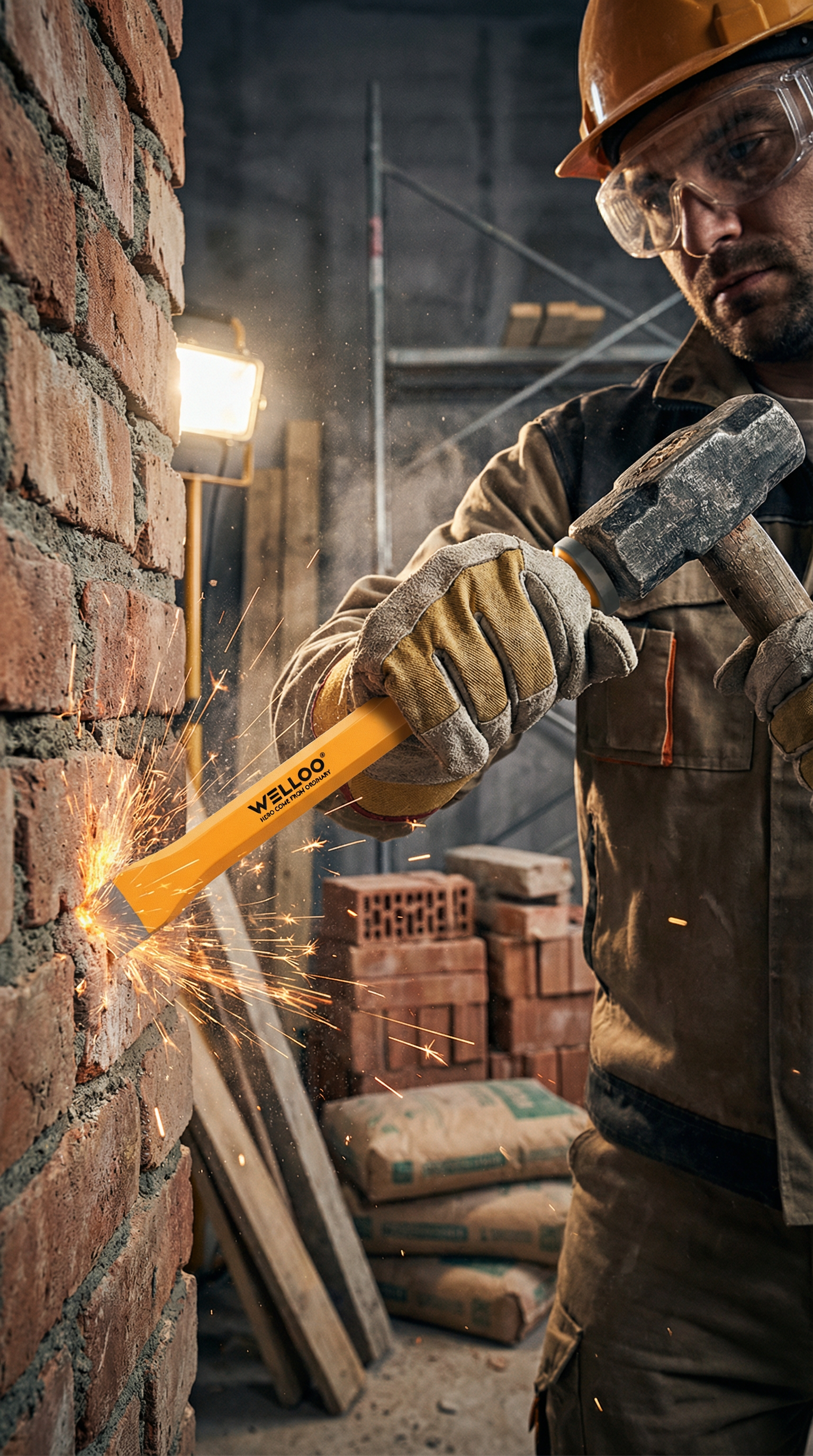
हातको सँडासी प्रविधिको विकासले एउटा महत्वपूर्ण क्षणमा पुगेको छ जहाँ परम्परागत काट्ने क्षमता र क्रान्तिकारी लेपन नवीनताहरू सँगै मिसिएका छन्। आधुनिक उत्पादन प्रगतिहरूले पेशेवरहरू र कारीगरहरूले हातको सँडासी प्रयोग गर्दा कसरी अनुभव गर्छन् भन्ने कुरामा परिवर्तन ल्याएका छन्, विशेष गरी काट्ने क्रियाक्रमको समयमा घर्षण कम गर्ने विशेषीकृत सतह उपचारहरूको विकास मार्फत। यी अग्रगामी लेपनहरूले हातको सँडासी डिजाइनको दर्शनमा मौलिक परिवर्तनको प्रतिनिधित्व गर्छन्, जुन पारम्परिक स्टील ब्लेड निर्माणबाट बाहिर निस्केर उन्नत सामग्री विज्ञान समावेश गर्छ जसले काट्ने कार्यक्षमता बढाउँदै उपकरणको जीवनकाल पनि बढाउँछ।
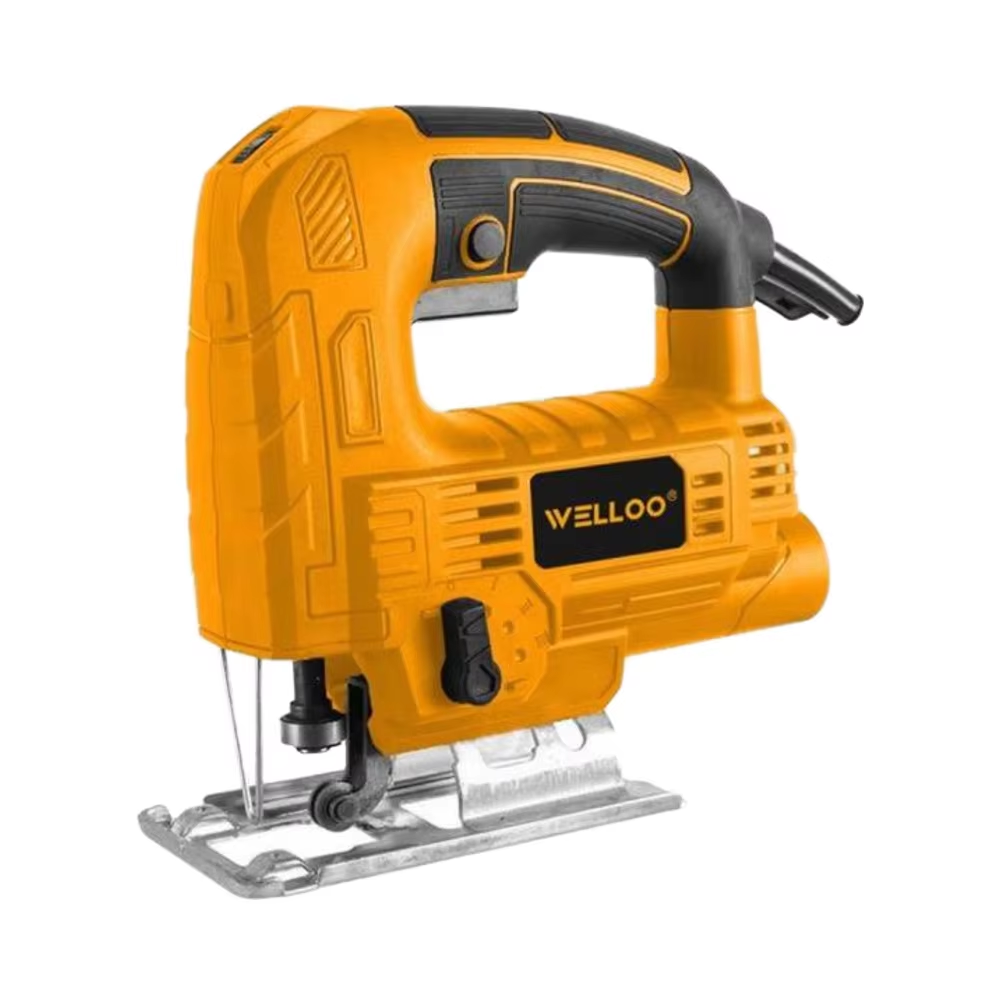
घर्षण घटाउने कोटिंगहरूको हातमा प्रयोग गरिने सँडलहरूको उत्पादनमा एकीकरणले विभिन्न अनुप्रयोगहरूमा काट्ने क्षमता र प्रयोगकर्ताको कार्यक्षमतालाई सीमित गरेका दीर्घकालिन चुनौतीहरूको समाधान गर्दछ। यी नवीन सतह उपचारहरू ब्लेड र काट्ने सामग्रीबीच सूक्ष्म अवरोधहरू सिर्जना गरेर काट्ने प्रक्रियाको भौतिकीलाई मौलिक रूपमा परिवर्तन गर्दछन्। जब निर्माताहरू यी कोटिंग प्रविधिहरूको अनुसन्धान र विकासमा ठूलो लगानी गर्छन्, त्यसबेला उद्योगले काट्ने गति, बाँधिएको अवस्था घटाउने, र सटीकता बढाउने क्षेत्रमा अभूतपूर्व सुधारहरू देख्न थाल्छ, जसले सीधा रूपमा पेशेगत र कार्यशाला वातावरणमा उत्पादकता र प्रयोगकर्ता सन्तुष्टिमा सुधार ल्याउँछ।
हातमा प्रयोग गरिने सँडलको प्रदर्शनलाई क्रान्तिकारी बनाउने उन्नत कोटिंग प्रविधिहरू
पोलिमर-आधारित घर्षण घटाउने प्रणालीहरू
आधुनिक पॉलिमर लेपहरूले हातको सँडासँगै ब्लेड उपचार प्रविधिमा सबैभन्दा महत्वपूर्ण अग्रगति प्रस्तुत गर्छन्, जसमा विशेषीकृत संश्लेषित सामग्रीहरू प्रयोग गरिन्छ जसले अत्यधिक टिकाउ र अत्यन्त सुगम सतहहरू सिर्जना गर्छन्। यी उन्नत पॉलिमर प्रणालीहरू काट्ने क्रियाकलापको समयमा धातु र काट्ने सामग्रीबीचको सिधा सम्पर्क रोक्न आणविक स्तरका अवरोधहरू गठन गरेर काम गर्छन्। नतिजास्वरूप, घर्षण गुणाङ्कमा ठूलो कमी आउँछ, जसले हातको सँडासँगै ब्लेडहरूलाई न्यूनतम प्रतिरोधको साथ सामग्रीहरूमा सजिलै फसाउन दिन्छ र लामो समयसम्म तीव्र काट्ने किनाराहरू कायम राख्न सक्छन्।
पोलिमर कोटिंगहरूको आवेदन प्रक्रियामा सटीक तापमान नियन्त्रण र विशेषीकृत उष्णीकरण तकनीकहरू समावेश छन् जसले अनुकूल चिपकने र दीर्घायुको ग्यारेन्टी दिन्छ। अहिले उत्पादन सुविधाहरूले यी कोटिंगहरू ब्लेडका सतहहरूमा समान रूपमा लगाउन उन्नत स्प्रे प्रणालीहरू र नियन्त्रित वातावरणका कक्षहरू प्रयोग गर्छन्। पोलिमर सूत्रहरू स्वयंमा विशेष योगफलहरू समावेश गर्छन् जसले घर्षण प्रतिरोध क्षमता बढाउँछ र हजारौं काट्ने चक्रहरूपछि पनि घर्षण घटाउने गुणहरू कायम राख्छ, जसले यसलाई पेशागत स्तरका हातको साउको अनुप्रयोगहरूका लागि आदर्श बनाउँछ।
पॉलिमर-लेपित हातको सँडास ब्लेडहरूका लागि गुणस्तर नियन्त्रण उपायहरूमा कोटिङ्को मोटाइ, चिपकने शक्ति, र विभिन्न सञ्चालन अवस्थाहरूमा घर्षण गुणाङ्क मूल्याङ्कन गर्ने कठोर परीक्षण प्रोटोकलहरू समावेश छन्। यी परीक्षण प्रक्रियाहरूले यो सुनिश्चित गर्छन् कि लेपित ब्लेडहरू अन्तिम प्रयोगकर्ताहरूसम्म पुग्नु अघि कडा प्रदर्शन मापदण्डहरू पूरा गर्छन्। पॉलिमर लेपन प्रविधिमा लगानीले निर्माताहरूद्वारा उत्कृष्ट काट्ने प्रदर्शन प्रदान गर्ने र हातको सँडासको प्रभावकारितालाई ऐतिहासिक रूपमा सीमित गर्ने सामान्य समस्याहरू जस्तै ब्लेड बाँधिएको हुनु र अगाडि नै फुट्ने जस्ता समस्याहरू समाधान गर्ने प्रतिबद्धताको महत्त्वपूर्ण प्रतिनिधित्व गर्दछ।
सिरामिक-उन्नत सतह उपचारहरू
सेरामिक कोटिंग प्रविधिहरूले हातको सँडासँगै ब्लेडका सतहहरूमा असाधारण कठोरता र ताप प्रतिरोधकता ल्याउँछन्, जसले गर्दा काट्ने औजारहरू चुनौतीपूर्ण अवस्थामा पनि घर्षण घटाउने गुणहरू कायम राख्छन्। यी सेरामिक-उन्नत उपचारहरूले अत्याधुनिक सोल-गेल प्रक्रिया र प्लाज्मा स्प्रे प्रविधिहरू प्रयोग गर्दछन् जसले घर्षण कम गर्ने र पहिरोबाट सुरक्षा प्रदान गर्ने अति पातलो सेरामिक पर्तहरू जमाउँछन्। सेरामिक कणहरूले सूक्ष्म सतही बनावटहरू सिर्जना गर्छन् जसले हावा र मलबा फँसाउँछ भने काट्ने क्रियालाई चिकनो राख्छ, जसले विभिन्न पदार्थहरूमा काट्नका लागि आवश्यक बलमा उल्लेखनीय रूपमा कमी ल्याउँछ।
सिरामिक-लेपित हातको सँडासी ब्लेडहरूको उत्पादन प्रक्रियामा उच्च-तापमान प्रसंस्करण विधिहरूमा विशेषज्ञता र विशेषीकृत उपकरणहरूको आवश्यकता हुन्छ। नियन्त्रित वातावरण भट्टीहरू र सटीक लेपन कक्षहरूले आधारभूत ब्लेड स्टीलको धातुविज्ञान सम्बन्धी गुणहरू कायम राख्दै समान सिरामिक जमावट सुनिश्चित गर्छन्। लेपनको प्रदर्शन र आधार सामग्रीको अखण्डताको यो सावधानीपूर्ण सन्तुलनले उत्कृष्ट काट्ने प्रदर्शन प्रदान गर्ने, तर संरचनात्मक शक्ति वा टिकाउपनमा कुनै समझौता नगर्ने हातको सँडासी उत्पादनहरूको निर्माण गर्छ।
सिरामिक-लेपितका लागि परीक्षण प्रोटोकलहरू हातको कुर्पा ब्लेडहरूमा कोटिङ चिपकने क्षमता, तापीय चक्र प्रतिरोध, र विभिन्न काट्ने अवस्थामा दीर्घकालीन घर्षण प्रदर्शनको व्यापक मूल्याङ्कन समावेश छ। यी कठोर परीक्षण प्रक्रियाहरूले यो सुनिश्चित गर्छ कि सिरामिक-उन्नत हातको सँडास उत्पादनहरू विश्वसनीयता र प्रदर्शन स्थिरताका लागि पेशेवर मापदण्डहरू पूरा गर्छन्। परिणामहरूले पारम्परिक अकोटेड विकल्पहरूको तुलनामा काट्ने क्षमता र ब्लेडको आयुमा उल्लेखनीय सुधार देखाउँछन्।
उन्नत कोटिङ एकीकरणलाई समर्थन गर्ने उत्पादन प्रक्रिया नवीनताहरू
शुद्धता भएको सतह तयारी तरिकाहरू
उन्नत कोटिंग प्रणालीहरूको सफलता धेरै हदसम्म जटिल सतह तयारी विधिहरूमा निर्भर गर्दछ जुन ब्लेड स्टील र कोटिंग सामग्रीबीच अनुकूल बन्धन अवस्था सिर्जना गर्दछ। आधुनिक उत्पादन सुविधाहरूमा बहु-चरणीय सफाइ प्रक्रियाहरू प्रयोग गरिन्छ जुन कोटिंग लगाउनु अघि हातको साँघुरो ब्लेडका सतहहरूबाट तेल, ओक्साइडहरू र अन्य दूषकहरूका सबै निशानहरू हटाउँदछ। यी तयारी विधिहरूमा अल्ट्रासोनिक सफाइ, रासायनिक एटिङ, र नियन्त्रित ब्लास्टिङ प्रक्रियाहरू समावेश छन् जुन कोटिंग चिपकने को लागि आदर्श माइक्रोस्कोपिक सतह बनाउँदछन्।
उन्नत प्लाज्मा उपचार प्रणालीहरूलाई हालमा ब्लेडका सतहहरूलाई आणविक स्तरमा सक्रिय गर्नका लागि बढ्दो रूपमा प्रयोग गरिँदैछ, जसले स्टील आधार सतहहरू र लागू गरिएका कोटिङहरू बीचको रासायनिक बन्धनलाई बढाउँछ। यी प्लाज्मा प्रक्रियाहरूले कोटिङ चिपकने क्षमता सुधार गर्ने प्रतिक्रियाशील सतह स्थलहरू सिर्जना गर्छन्, जबकि हातको सावालको प्रदर्शनका लागि आवश्यक आयामिक सटीकता कायम राखिन्छ। यी सतह तयारी चरणहरूमा आवश्यक पर्ने सटीकताले उन्नत प्रक्रिया नियन्त्रण प्रणालीहरू र सतह अवस्था र कोटिङ प्रदर्शन बीचको जटिल सम्बन्धहरूको बारेमा गहिरो ज्ञान भएका प्रशिक्षित प्रविद्याविदहरूको आवश्यकता पर्दछ।
सतह तयारीका लागि गुणस्तर बीमा प्रक्रियाहरूमा सूक्ष्मदर्शी निरीक्षण र सतह ऊर्जा मापन जस्ता विस्तृत कार्यहरू समावेश छन् जसले लेप अनुप्रयोगका लागि अनुकूलतम अवस्थाहरूको पुष्टि गर्दछ। यी कठोर मापदण्डहरूले उत्पादन चक्रहरूमा लेपको सुसंगत प्रदर्शन सुनिश्चित गर्दछ जबकि पेशागत प्रयोगकर्ताहरूद्वारा अपेक्षित उच्च गुणस्तरका मापदण्डहरू कायम राखिन्छन्। हातको कुल्हाड निर्माण अपरेशनहरूमा सफल लेप कार्यान्वयनको लागि उन्नत सतह तयारी प्रविधिमा गरिएको लगानी एक महत्वपूर्ण आधार हो।
स्वचालित लेप अनुप्रयोग प्रणालीहरू
आधुनिक कोटिंग अनुप्रयोग प्रणालीहरूले सम्पूर्ण हातको सावो ब्लेडका सतहहरूमा एकरूप कवरेज र अनुकूल कोटिंग मोटाइ सुनिश्चित गर्न रोबोटिक्स र कम्प्युटर-नियन्त्रित प्रक्रियाहरू प्रयोग गर्दछन्। यी स्वचालित प्रणालीहरूले मानव भिन्नतालाई समाप्त गर्दछन् जबकि स्प्रे प्याटर्नहरू, सामग्री प्रवाह दरहरू र क्युरिङ चक्रहरू जस्ता कोटिंग पैरामिटरहरूमाथि ठीक नियन्त्रण प्रदान गर्दछन्। नतिजा स्थिर कोटिंग गुणस्तर हो जुन कठोर प्रदर्शन विशिष्टताहरू पूरा गर्दछ, उत्पादन क्षमता अधिकतम बनाउँदै र सामग्रीको बर्बादी न्यूनीकरण गर्दै।
लेपन अनुप्रयोग उपकरणमा एकीकृत वास्तविक-समय निगरानी प्रणालीहरूले उत्पादन प्रक्रियाको सम्पूर्ण अवधिमा लेपनको मोटाइ, एकरूपता र गुणस्तर पैरामिटरहरूमा तुरुन्त प्रतिक्रिया प्रदान गर्दछन्। यी निगरानी क्षमताहरूले अपरेटरहरूलाई आवश्यकता परेको बेला तुरुन्त समायोजन गर्न सक्षम बनाउँदछन्, जसले प्रत्येक हातले काट्ने साँडको ब्लेडलाई अर्को उत्पादन चरणमा जानुभन्दा अघि गुणस्तरका मापदण्डहरू पूरा गर्न सुनिश्चित गर्दछ। यी प्रणालीहरूद्वारा संकलित डाटाले लेपन प्रदर्शन र उत्पादन क्षमतालाई अनुकूलित गर्ने निरन्तर सुधार पहलहरूलाई पनि समर्थन गर्दछ।
कोटिंग सुविधाहरू भित्रका पर्यावरणीय नियन्त्रणहरूले कोटिंग अनुप्रयोग र क्युरिङ्को लागि आदर्श तापमान, आर्द्रता र वातावरणीय अवस्थाहरू कायम राख्छन्। यी नियन्त्रित वातावरणहरूले दूषण रोक्छन् र कोटिंगको उचित विकास सुनिश्चित गर्छन्, जसले उत्पादन कार्यहरूका लागि पर्यावरणीय विनियमहरू पूरा गर्न सक्छ। यी कोटिंग प्रणालीहरूका लागि आवश्यक उन्नत बुनियादी ढाँचा उत्पादन क्षमतामा एक महत्वपूर्ण लगानी प्रतिनिधित्व गर्छ जसले सिधै हातको साउँदाको प्रदर्शन र प्रयोगकर्ताको सन्तुष्टिमा फाइदा पुर्याउँछ।
प्रदर्शन फाइदाहरू र प्रयोगकर्ता अनुभवमा सुधार
मापन योग्य काट्ने कार्यक्षमतामा वृद्धि
घर्षण घटाउने कोटिंगहरूको क्षेत्रीय परीक्षणले व्यावसायिक प्रयोगमा सामान्यतया पाइने विभिन्न सामग्रीहरूमा काट्ने गति र प्रयोगकर्ताको प्रयास आवश्यकतामा मापन योग्य सुधारहरू देखाएको छ। प्रयोगशाला अध्ययनहरूले देखाएको छ कि उन्नत कोटेड हातको साँवल ब्लेडहरूले पारम्परिक अकोटेड विकल्पहरूको तुलनामा काट्ने बलको आवश्यकता ४० प्रतिशतसम्म घटाउन सक्छन् जबकि काट्ने गति २५ प्रतिशतले बढाउन सक्छन्। यी प्रदर्शन सुधारहरू सिधै वास्तविक विश्वका अनुप्रयोगहरूमा प्रयोगकर्ताको थकान घटाउने र उत्पादकता बढाउने रूपमा अनुवादित हुन्छन्।
व्यापक परीक्षण प्रोटोकलहरूले काठका विभिन्न प्रकारहरू—जस्तै कठोर काठ, मृदु काठ, संयोजित सामग्री र सिन्थेटिक सामग्री—मा लेपनको प्रदर्शनको मूल्याङ्कन गर्दछ, जुन सामान्यतया हातको साँघुरो उपकरणहरू प्रयोग गरेर काटिन्छ। परिणामहरूले निरन्तर रूपमा उत्कृष्ट प्रदर्शन विशेषताहरू प्रदर्शन गर्दछन् जसले प्रयोगकर्ताहरूलाई बाँधिएको अवस्था कम गर्ने, काट्ने क्रिया सजिलो बनाउने र काट्ने गुणस्तर सुधार्ने फाइदा प्रदान गर्दछ। यी मापन योग्य फाइदाहरूले उन्नत लेपन प्रविधिमा अतिरिक्त लगानीको औचित्य राख्दछन् र विश्वसनीय काट्ने प्रदर्शनमा निर्भर रहेका अन्तिम प्रयोगकर्ताहरूलाई स्पष्ट रूपमा मूल्य प्रदान गर्दछन्।
दीर्घकालीन प्रदर्शन अध्ययनहरूले विस्तारित प्रयोग चक्रहरूमा कोटिङ्को स्थायित्व र घर्षण घटाउने गुणहरूको निगरानी गर्दछन्, जसले कोटिङ्को दीर्घायु र रखरखाव आवश्यकताहरूबारे मूल्यवान डाटा प्रदान गर्दछ। यी अध्ययनहरूले यो प्रदर्शन गर्दछन् कि उचित रूपमा लगाइएका कोटिङ्हरू ह्याण्ड सॉ ब्लेडहरूको उपयोगी आयुभरि आफ्नो प्रदर्शन फाइदाहरू कायम राख्छन्, जसले निरन्तर प्रयोगकर्ता अनुभव र मूल्य प्रदान गर्ने सुनिश्चित गर्दछ। यी परीक्षण कार्यक्रमहरू मार्फत संकलित व्यापक डाटाले कोटिङ्को निरन्तर विकास र अनुकूलन प्रयासहरूलाई समर्थन गर्दछ।
उपयोगकर्ताको सुरक्षा र सुख वृद्धि
घर्षण घटाउने कोटिंगहरूसँग सँगै आवश्यक काट्ने बलहरूमा कमी ल्याएर प्रयोगकर्ताको सुरक्षामा ठूलो योगदान पुर्याउँछ, जसले काट्ने क्रियाकलापहरूको समयमा बाँधिएको हुनु, पछाडि झारिएको हुनु र नियन्त्रण गुमाउनुको सम्भावना घटाउँछ। कम बलको आवश्यकता हुनाले लामो समयसम्म हातको साउँदाको प्रयोगसँग सम्बन्धित दोहोरिएका तनाव जनित चोटहरूको जोखिम पनि घटाउँछ, जसले गर्दा यी औजारहरू लामो समयसम्मका कार्य सत्रहरूका लागि अधिक उपयुक्त बन्छन्। यी सुरक्षा सुधारहरू केवल प्रदर्शन सुधारभन्दा बाहिर जाँदै वास्तविक कार्यस्थलका स्वास्थ्य र सुरक्षा सम्बन्धी चिन्ताहरूलाई सम्बोधन गर्ने महत्त्वपूर्ण फाइदा प्रतिनिधित्व गर्छन्।
उन्नत लेपहरूद्वारा प्रदान गरिएको सजिलो काट्ने क्रियाको परिणामस्वरूप हातमा राखेर प्रयोग गरिने सँडासको व्यवहार अधिक भविष्यवाणी गर्न सकिने बनाउँछ, जसले प्रयोगकर्ताहरूलाई काट्ने क्रियाको सम्पूर्ण प्रक्रियामा राम्रो नियन्त्रण बनाइराख्न अनुमति दिन्छ। यो सुधारिएको नियन्त्रणले अधिक सटीक काट्ने कार्य र कम सामग्री बर्बादीको परिणाम दिन्छ, जसले समग्र प्रयोगकर्ता आत्मविश्वास र सन्तुष्टिलाई पनि बढाउँछ। सुरक्षा र प्रदर्शनका फाइदाहरूको संयोजनले लेपित हातमा राखेर प्रयोग गरिने सँडासहरूलाई विशेष गरी व्यावसायिक प्रयोगकर्ताहरूका लागि आकर्षक बनाउँछ जसले कठिन अनुप्रयोगहरूमा विश्वसनीय औजार प्रदर्शनमा निर्भरता राख्छन्।
क्षेत्र परीक्षण कार्यक्रमहरूबाट संकलित प्रयोगकर्ता प्रतिक्रियाहरूले घर्षण घटाउने लेपहरूद्वारा प्रदान गरिएको सुधारिएको काट्ने अनुभवमा निरन्तर जोर दिएका छन्, विशेष गरी प्रयासको कमी र सजिलो सञ्चालनमा। यी प्रमाणहरूले उन्नत लेप प्रविधिहरूद्वारा प्रदान गरिएका व्यावहारिक फाइदाहरूको मूल्यवान पुष्टि गर्दछन् जसले भविष्यका विकास प्राथमिकताहरूलाई आकार दिन्छ। लेपित हातको साँवला उत्पादनहरूप्रतिको सकारात्मक प्रयोगकर्ता प्रतिक्रियाले लेप अनुसन्धान र विकास पहलहरूमा निरन्तर लगानीलाई समर्थन गर्दछ।
उद्योग अनुप्रयोगहरू र बजार कार्यान्वयन
पेशेवर निर्माण र बढई अनुप्रयोगहरू
घर्षण घटाउने कोटिंग प्रविधिका प्राथमिक बजारहरूमा निर्माण पेशेवरहरू र सजावटी लकडी काट्ने कारीगरहरू समावेश छन्, किनकि यी प्रयोगकर्ताहरूले उच्च मात्रामा काट्ने आवश्यकता र औजारको प्रदर्शन विशेषताप्रति संवेदनशील हुन्छन्। यी प्रयोगकर्ताहरू सामान्यतया विविध सामग्रीहरूसँग काम गर्छन् र लामो कार्य सत्रहरूभरि स्थिर काट्ने प्रदर्शनको माग गर्छन्, जसले उन्नत कोटिंगहरूका फाइदाहरूलाई विशेष रूपमा मूल्यवान बनाउँछ। कोटेड हातको साउ उत्पादनहरूबाट प्राप्त हुने कम रखरखाव आवश्यकता र ब्लेडको लामो जीवनकालले पेशेवर प्रयोगकर्ताहरूका लागि प्रीमियम मूल्य न्यायोचित बनाउने अतिरिक्त आर्थिक फाइदाहरू प्रदान गर्छ।
ट्रिम कार्य, कैबिनेट निर्माण र सटीक बढ़ई कार्यमा विशेषता भएको प्रयोगहरूमा लेपित हातको साउ ब्लेडहरूको सुधारिएको कट गुणस्तर र कम बाँधिएको (binding) विशेषताबाट धेरै फाइदा हुन्छ। यी प्रयोगहरूमा प्रायः महँगो सामग्रीमा सटीक कटहरूको आवश्यकता हुन्छ, जहाँ कटिङ गल्तीहरूले धेरै सामग्री बर्बाद हुने र परियोजना ढिलाइ हुने जोखिम हुन्छ। घर्षण घटाउने लेपहरूद्वारा प्रदान गरिएको सुधारिएको नियन्त्रण र भविष्यास्य व्यवहारले व्यावसायिकहरूलाई राम्रो परिणाम प्राप्त गर्न र महँगो गल्तीहरूको जोखिम घटाउन मद्दत गर्छ।
पेशागत उपकरण वितरक र खुद्रा विक्रेताहरूले निर्माणकर्ताहरू र कारीगरहरूबाट लेपित हातको साँवलाका उत्पादनहरूको प्रबल मागको रिपोर्ट गरेका छन्, जसले काट्ने प्रदर्शनमा सुधारको मूल्यलाई पहिचान गर्छन्। यी बजार च्यानलहरूले प्रयोगकर्ताका प्राथमिकताहरू र प्रदर्शन आवश्यकताहरूबारे मूल्यवान प्रतिक्रिया प्रदान गर्छन्, जसले लेप विकासका प्राथमिकताहरू र उत्पादन विशिष्टताहरूलाई आधार बनाउँछ। लेपित हातको साँवलाका उत्पादनहरूको सकारात्मक बजार स्वीकृतिले व्यापक उत्पादन श्रृंखलामा लेप प्रविधिहरूको निरन्तर विस्तारलाई समर्थन गर्छ।
औद्योगिक निर्माण र उत्पादन वातावरण
हातको साँवल (ह्यान्ड सॉ) उपकरणहरू प्रयोग गरेर उत्पादन कटिङ्ग कार्यहरू सम्पादन गर्ने उत्पादन सुविधाहरूले घर्षण घटाउने कोटिङ्हरूबाट प्रदान गरिएको सुधारिएको कार्यक्षमता र स्थिरताबाट लाभान्वित हुन्छन्। यी वातावरणहरूमा सामान्यतया उच्च-मात्राका दोहोरिएका कटिङ्ग कार्यहरू समावेश हुन्छन्, जहाँ कटिङ्ग गतिमा सानो सुधार र रखरखावको आवश्यकता घटाउनुले कार्यक्षमतामा महत्त्वपूर्ण वृद्धि ल्याउन सक्छ। उन्नत कोटिङ्हरूद्वारा प्रदान गरिएको ब्लेडको लामो जीवनकालले पनि उपकरण परिवर्तनको आवृत्ति र सम्बन्धित अवरोध लागतहरू घटाउँछ।
उत्पादन वातावरणहरूमा गुणस्तर नियन्त्रणका आवश्यकताहरूले कडा सहिष्णुता र सतह समाप्ति विशिष्टताहरू पूरा गर्ने स्थिर कटिङ्ग प्रदर्शनको माग गर्छन्। घर्षण घटाउने कोटिङ्हरूले कटिङ्ग व्यवहारमा बढी भविष्यवाणी गर्न सकिने व्यवहार र उत्पादन चक्रहरूमा कटिङ्ग गुणस्तरमा कम भिन्नता प्रदान गरेर यी गुणस्तर मानकहरू प्राप्त गर्न सहयोग गर्छन्। लेपित हातको साँवल (ह्यान्ड सॉ) ब्लेडहरूद्वारा प्रदान गरिएको सुधारिएको प्रक्रिया स्थिरताले समग्र उत्पादन कार्यक्षमता र उत्पादन गुणस्तरको स्थिरतामा योगदान पुर्याउँछ।
औद्योगिक सेटिङहरूमा संचालित लागत-लाभ विश्लेषणहरूले प्रीमियम कोटेड हातको सँडास उत्पादनहरूमा लागू भएको निवेशबाट सकारात्मक रिटर्न देखाएको छ, जुन कार्यशक्ति लागतमा कमी, कच्चा पदार्थको अपव्ययमा घटाउ, र रखरखाव आवश्यकताहरूमा कमी मार्फत प्राप्त गरिएको छ। यी आर्थिक फाइदाहरूले उन्नत कोटिंग प्रविधिहरूलाई लागत-सचेत उत्पादन कार्यहरूका लागि आकर्षक बनाएको छ जसले औजारको प्रदर्शन र सञ्चालन खर्चहरू बीच सन्तुलन कायम राख्नुपर्छ। कोटेड हातको सँडास उत्पादनहरूद्वारा प्रदान गरिएका मापन योग्य फाइदाहरूले तिनीहरूको अपनाउनु बढ्दो प्रतिस्पर्धात्मक उत्पादन वातावरणहरूमा समर्थन गर्छन्।
प्रश्नोत्तर (FAQ)
घर्षण घटाउने कोटिंगहरू कसरी हातको सँडासको काट्ने प्रदर्शनमा सुधार गर्छन्?
घर्षण घटाउने कोटिङहरूले ब्लेड र काट्ने सामग्रीको बीचमा आणविक स्तरको अवरोध सिर्जना गर्दछन्, जसले काट्ने प्रक्रियाको समयमा प्रतिरोधलाई धेरै घटाउँदछ। यी उन्नत कोटिङहरूले हातको साउ ब्लेडहरूलाई सामग्रीमा न्यूनतम बाधा (बाइन्डिङ) सँगै सजिलै गति दिन अनुमति दिन्छन्, जसका लागि धेरै कम काट्ने बलको आवश्यकता हुन्छ। नतिजास्वरूप, काट्ने गति बढ्छ, प्रयोगकर्ताको थकान घट्छ, र व्यावसायिक प्रयोगहरूमा सामान्यतया प्रयोग गरिने विभिन्न सामग्रीहरूमा काट्ने गुणस्तरमा सुधार हुन्छ।
आधुनिक हातको साउ निर्माणमा हालसम्म कुन किसिमका कोटिङ प्रविधिहरू प्रयोग गरिँदै छन्?
आधुनिक हातको सँडास निर्माताहरू प्रायः विभिन्न प्रदर्शन विशेषताहरू प्रदान गर्ने पोलिमर-आधारित र सिरामिक-वृद्धि गरिएका कोटिङ प्रणालीहरू प्रयोग गर्छन्। पोलिमर कोटिङहरू सामान्य अनुप्रयोगहरूका लागि उत्कृष्ट घर्षण कमी र टिकाउपन प्रदान गर्छन्, जबकि सिरामिक कोटिङहरू कठिन काट्ने अवस्थाहरूका लागि उत्कृष्ट कठोरता र ताप प्रतिरोध प्रदान गर्छन्। दुवै कोटिङ प्रकारहरूले व्यावसायिक प्रयोगका वातावरणहरूमा सुसंगत प्रदर्शन र दीर्घायु सुनिश्चित गर्न गहन परीक्षण र गुणस्तर नियन्त्रण प्रक्रियाहरूबाट गुज्रनुपर्छ।
घर्षण कम गर्ने कोटिङहरू कति समयसम्म आफ्नो प्रदर्शन फाइदाहरू कायम राख्छन्?
निर्माताको विनिर्देशन अनुसार प्रयोग गर्दा, घर्षण घटाउने कोटिंगहरू सही ढंगले लगाइएमा हातको सँडासँगैको उपयोगी आयुभरि आफ्नो प्रदर्शन फाइदाहरू कायम राख्छन्। दीर्घकालीन परीक्षणले देखाएको छ कि उन्नत कोटिंगहरू हजारौं काट्ने चक्रपछि पनि आफ्ना घर्षण घटाउने गुणहरू कायम राख्छन्। यी कोटिंगहरूको टिकाउपन लगाउने गुणस्तर, काट्ने सामग्री र रखरखावका प्रथामा निर्भर गर्दछ, तर व्यावसायिक-गुणस्तरका कोटेड ब्लेडहरू सामान्यतया लामो समयसम्म निरन्तर प्रदर्शन फाइदाहरू प्रदान गर्छन्।
व्यावसायिक प्रयोगकर्ताहरूका लागि कोटेड हातको सँडाहरूमा अतिरिक्त लागत लगाउनु उचित छ?
पेशागत प्रयोगकर्ताहरूले उन्नत उत्पादकता, कम व्यवहारकर्ता थकान र ब्लेडको लामो जीवनकाल मार्फत लेपित हातको साउ ब्लेडहरूको लागि निरन्तर सकारात्मक निवेश रिटर्नको रिपोर्ट गर्दछन्। प्रदर्शन फाइदाहरूमा छिटो काट्ने गति, कम बाँधिएको अवस्था र राम्रो काट्ने गुणस्तर समावेश छन् जसले समय बचत र सामग्रीको कम बर्बादीमा अनुवादित हुन्छन्। जब यी फाइदाहरू कम काट्ने बलहरूद्वारा प्रदान गरिएको वृद्धि भएको प्रयोगकर्ता सुरक्षा र आरामसँग संयोजन गरिन्छ, तब लेपित हातको साउ उत्पादनहरूले मागपूर्ण अनुप्रयोगहरूमा विश्वसनीय काट्ने प्रदर्शनमा निर्भर गर्ने पेशागत प्रयोगकर्ताहरूका लागि आकर्षक मूल्य प्रदान गर्दछन्।
विषय सूची
- हातमा प्रयोग गरिने सँडलको प्रदर्शनलाई क्रान्तिकारी बनाउने उन्नत कोटिंग प्रविधिहरू
- उन्नत कोटिङ एकीकरणलाई समर्थन गर्ने उत्पादन प्रक्रिया नवीनताहरू
- प्रदर्शन फाइदाहरू र प्रयोगकर्ता अनुभवमा सुधार
- उद्योग अनुप्रयोगहरू र बजार कार्यान्वयन
-
प्रश्नोत्तर (FAQ)
- घर्षण घटाउने कोटिंगहरू कसरी हातको सँडासको काट्ने प्रदर्शनमा सुधार गर्छन्?
- आधुनिक हातको साउ निर्माणमा हालसम्म कुन किसिमका कोटिङ प्रविधिहरू प्रयोग गरिँदै छन्?
- घर्षण कम गर्ने कोटिङहरू कति समयसम्म आफ्नो प्रदर्शन फाइदाहरू कायम राख्छन्?
- व्यावसायिक प्रयोगकर्ताहरूका लागि कोटेड हातको सँडाहरूमा अतिरिक्त लागत लगाउनु उचित छ?