 EN
EN

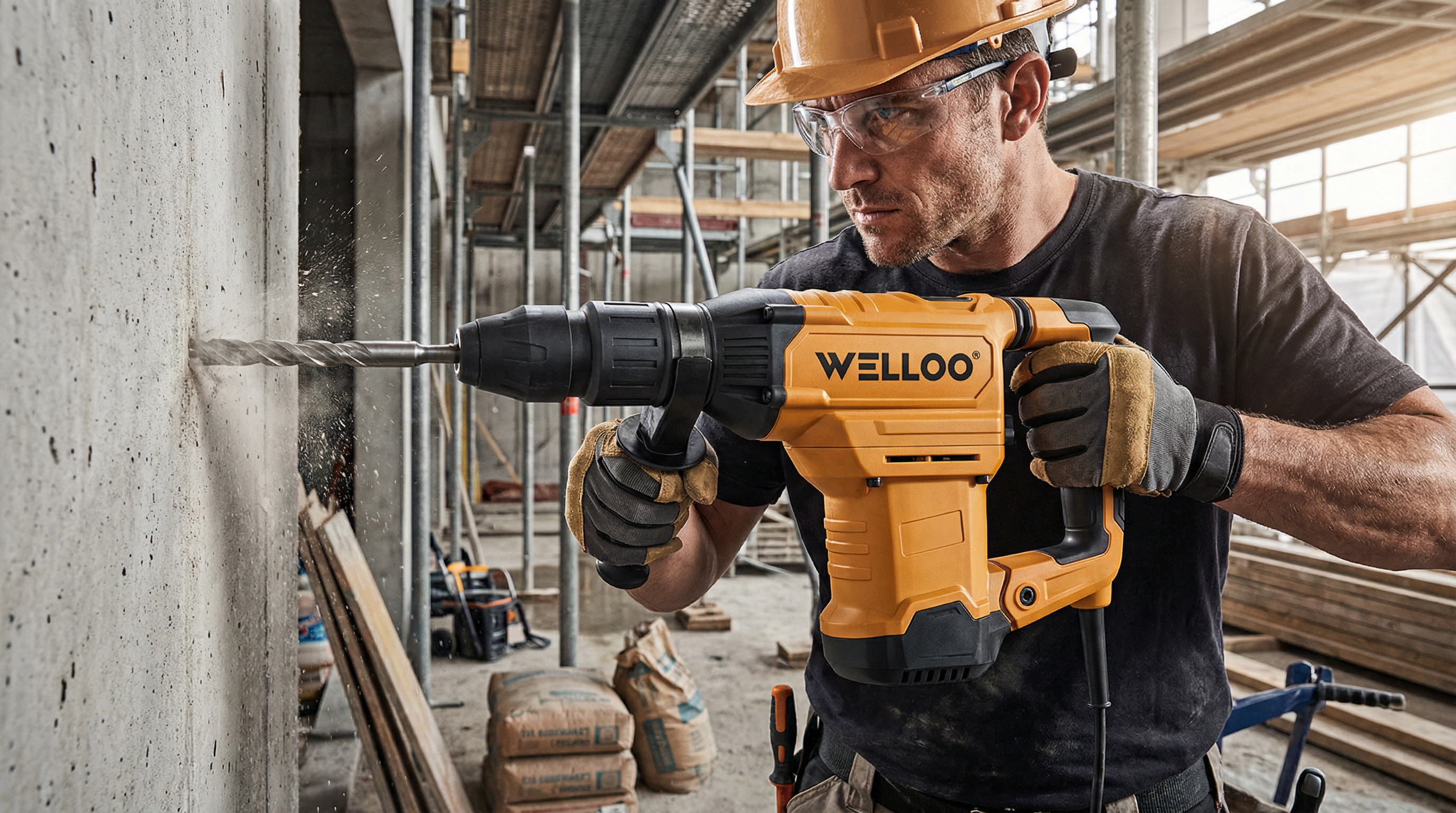
Selecting the right impact drill can mean the difference between completing a project efficiently and struggling through it with inadequate tools. An impact drill is a power tool designed to deliver rotational force combined with rapid pulsing impacts, making it ideal for driving fasteners into tough materials and drilling through resistant surfaces. Whether you're a professional contractor or a homeowner tackling DIY projects, understanding how to choose the right impact drill ensures you invest in equipment that matches your specific requirements, work environment, and budget constraints.
Choosing an impact drill requires evaluating multiple factors beyond just price or brand recognition. The right impact drill delivers adequate power for your intended applications while remaining comfortable to use for extended periods. This guide walks you through the essential criteria for selecting an impact drill that will serve your needs reliably and provide genuine value over years of use.
Understanding Power and Torque Requirements
Assessing Your Project Demands
Before selecting an impact drill, you must first understand what your projects demand in terms of power delivery. An impact drill rated for 1500 RPM and 3000 impact per minute suits light-duty tasks like assembling furniture or driving screws into softwood. However, if you frequently work with hardwoods, metal fasteners, or concrete anchors, you need an impact drill capable of higher torque output, typically 2000 to 3600 inch-pounds or more. Professional contractors often prefer an impact drill delivering at least 2500 inch-pounds of torque for consistent performance across varied materials and demanding job sites.
Matching Torque to Material Types
Different materials require different torque levels from your impact drill. Driving deck screws into pressure-treated lumber demands moderate torque, while fastening through doubled-up framing members or installing lag bolts into hard maple requires maximum torque output. An impact drill with variable torque settings offers flexibility, allowing you to reduce power for delicate work and increase it for heavy-duty applications. When choosing an impact drill, look for models with at least three torque settings or infinitely variable speed control, ensuring your tool performs optimally regardless of material density or fastener size.
Battery Technology and Runtime Considerations
Voltage and Battery Capacity Impact
The battery powering your impact drill fundamentally determines runtime and sustained power delivery. A 12-volt impact drill suits light occasional use, while 18 or 20-volt systems provide the sustained performance necessary for professional applications and extended work sessions. Battery capacity measured in amp-hours directly affects how long your impact drill operates before requiring recharge. A 2.0Ah battery on an impact drill might deliver 30 to 40 minutes of continuous use, while a 5.0Ah or higher capacity extends runtime significantly, crucial for job sites where access to charging stations is limited.
Compatibility and Charging Strategy
When evaluating an impact drill, consider whether its battery platform matches other tools you already own or plan to purchase. Standardized battery platforms mean one impact drill battery interchanges with compatible cordless tools, maximizing your investment efficiency. Rapid-charging technology reduces downtime, while dual-battery systems let you rotate batteries on your impact drill, keeping one charging while the other powers your work. Professional users selecting an impact drill often purchase multiple batteries and a fast charger to eliminate waiting periods and maintain productivity throughout full work days.
Ergonomics, Weight, and Handle Design
Comfort During Extended Use
An impact drill you'll use for hours must prioritize ergonomic design and balanced weight distribution. Excessive weight on an impact drill causes hand and arm fatigue, reducing accuracy and increasing repetitive strain injuries during intensive work sessions. Models weighing three to four pounds represent the sweet spot for most users, balancing power delivery with manageability. When testing an impact drill, hold it in your typical working position and assess whether the grip diameter fits your hand comfortably and whether vibration levels remain acceptable during extended use.
Handle Features and Control
The handle design on your impact drill directly influences control and user confidence during operation. Textured, cushioned grips on an impact drill prevent slipping, especially when working in wet or dusty conditions. Side handles on an impact drill models provide additional control points for overhead or challenging angle work. Speed triggers on an impact drill should offer smooth, progressive control rather than aggressive on-off action. LED work lights integrated into many impact drill designs illuminate fastening points in low-light conditions, improving accuracy and safety during early morning or evening project work.
Additional Features and Practical Considerations
Chuck Type and Bit Compatibility
The chuck mechanism on your impact drill determines which bits it accepts and how securely it holds them during operation. Half-inch chucks on an impact drill accommodate standard bits, while quarter-inch hex quick-change chucks offer faster bit swaps and reduced downtime. Some impact drill models feature both standard and hex-compatible chucks, providing maximum flexibility. Ensure your chosen impact drill works with bit types you already own or plan to purchase, avoiding the need for expensive specialty bit sets or adapters.
Build Quality and Warranty Protection
Selecting an impact drill means evaluating construction quality indicators like sealed ball bearings, reinforced transmission housing, and corrosion-resistant components. Professional-grade impact drill models typically feature stronger internal components and better sealing against dust and moisture ingress. Warranty coverage matters significantly, as extended protection on your impact drill demonstrates manufacturer confidence while protecting your investment against defects. Compare warranty terms across impact drill options, noting whether coverage includes batteries and chargers, as these components often fail before the main tool body.
FAQ
What should I look for in an impact drill for occasional homeowner use?
For occasional homeowner projects, prioritize an affordable impact drill with 18 to 20 volts, torque between 1500 and 2000 inch-pounds, and adequate runtime for typical weekend projects. Look for an impact drill from established manufacturers with solid customer reviews and available replacement parts. Battery compatibility with other tools in the same system maximizes the value of your impact drill investment when you expand your tool collection.
How does an impact drill differ from a standard drill?
An impact drill combines rotation with rapid axial impacts, dramatically increasing fastening power and driving capability compared to standard drills. The pulsing action in an impact drill breaks fastener resistance, reducing hand strain and improving bit control in tough materials. While a standard drill excels at precision drilling in soft materials, an impact drill dominates fastener driving and tough material work, making an impact drill essential for serious DIY and professional applications.
Can I use an impact drill for regular drilling tasks?
Yes, you can use an impact drill for regular drilling in most materials, though many users find an impact drill overkill for simple holes in drywall or wood. Disabling the impact function on adjustable impact drill models allows pure rotational drilling similar to standard drills. However, professional users often appreciate owning both tools, reserving an impact drill for demanding fastening work and using standard drills for precision drilling tasks where impact operation isn't necessary.