 EN
EN

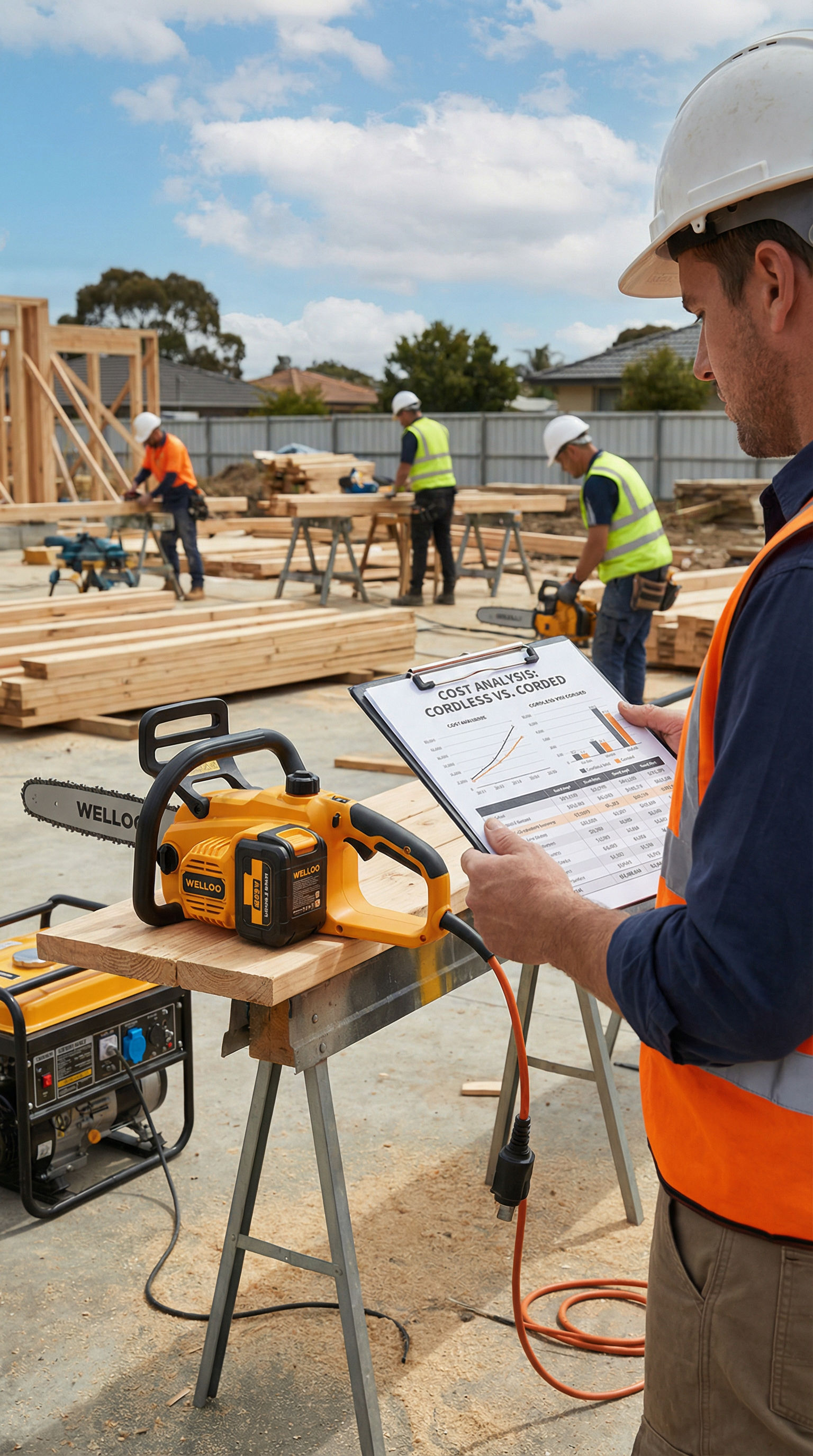
Project managers tasked with equipment procurement for construction, renovation, or industrial maintenance projects face a common yet critical decision: selecting the right power tools for drilling operations. The choice between impact drills and hammer drills often creates confusion, as both tools appear similar and share drilling as their primary function. However, the mechanical principles, application suitability, and performance characteristics of these two power tools differ significantly. Understanding these distinctions is essential for project managers who must balance budget constraints, operational efficiency, and worker safety while ensuring that selected equipment matches the specific material properties and project requirements of their worksites.
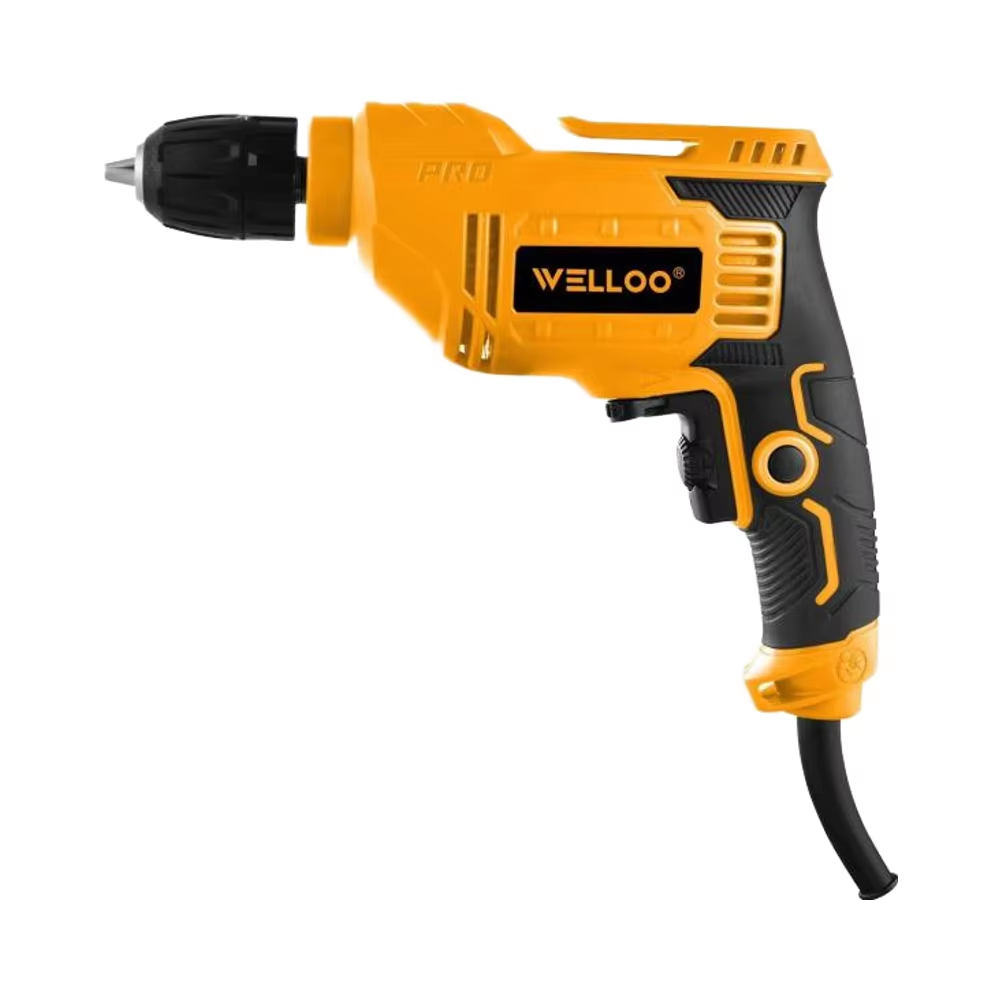
This technical selection guide addresses the core differences between impact drills and hammer drills from a project management perspective, focusing on mechanical operation, material compatibility, cost-benefit analysis, and operational context. Rather than presenting a simple feature comparison, this guide examines how each category of power tools performs under real-world conditions, helping project managers make informed decisions that align with project specifications, team capabilities, and long-term equipment investment strategies. The guidance provided here stems from industrial applications where tool selection directly impacts project timelines, labor productivity, and overall execution quality.
Mechanical Operation Principles: How Each Tool Generates Drilling Force
Impact Drill Rotational Mechanism
Impact drills, also known as impact drivers in some contexts, generate drilling force primarily through rotational motion combined with concussive bursts. The internal mechanism of these power tools utilizes a spring-loaded hammer and anvil system that creates rapid rotational impacts. When the drill bit encounters resistance, the hammer component strikes the anvil in quick succession, producing a hammering effect that translates into increased rotational torque rather than forward percussion. This design makes impact drills particularly effective for driving fasteners and drilling through softer materials where rotational force overcomes material resistance more efficiently than linear hammering.
The rotational impact mechanism operates at frequencies between fifteen hundred and three thousand impacts per minute, depending on the tool model and power rating. This high-frequency rotational hammering allows the drill bit to maintain continuous engagement with the material surface while periodically increasing torque output. For project managers, understanding this mechanism clarifies why impact drills excel in applications involving wood, plastic composites, and soft metals. The rotational emphasis means these power tools maintain better control during fastening operations and reduce the likelihood of bit walking or surface marring when starting holes in smooth materials.
Hammer Drill Percussive Action
Hammer drills operate on a fundamentally different principle, generating forward percussive force in addition to rotational motion. The internal mechanism employs either an electro-pneumatic system or a mechanical cam arrangement that drives the drill bit forward in rapid succession while it rotates. This dual-action approach creates a chiseling effect that fractures hard materials like concrete, brick, and stone. The percussive component typically operates at frequencies between twenty-five thousand and fifty thousand blows per minute, delivering substantially more linear impacts than the rotational bursts of impact drills.
The forward percussion mechanism distinguishes hammer drills as specialized power tools for masonry and concrete applications. When the bit contacts hard aggregate or reinforced concrete, the hammering action breaks apart the material structure while rotation clears debris from the hole. Project managers selecting equipment for construction sites involving structural concrete, foundation work, or masonry installation must recognize that hammer drills address material challenges that purely rotational power tools cannot overcome efficiently. The percussive force effectively pulverizes hard materials, allowing the bit to advance through substrates that would quickly dull or stall standard impact drills.
Energy Transfer Efficiency Comparison
Energy transfer efficiency varies significantly between these two categories of power tools based on their mechanical design. Impact drills convert electrical input primarily into rotational kinetic energy with periodic torque multiplication through the hammer-anvil striking action. This conversion pathway achieves high efficiency when materials yield to rotational force, making these tools energy-effective for wood framing, metal fabrication, and assembly operations. However, when encountering masonry or concrete, the rotational emphasis results in wasted energy as the bit struggles against material that requires percussive fracturing rather than rotational cutting.
Hammer drills distribute energy between rotational and linear percussive motion, creating a more complex energy profile. The dual-action mechanism requires greater electrical input to sustain both motion types simultaneously, which typically results in higher power consumption ratings for hammer drills compared to impact drills of similar physical size. Despite this increased power demand, hammer drills deliver superior energy efficiency when working with masonry materials because the percussive action directly addresses the material's resistance mechanism. Project managers evaluating operational costs should consider that selecting the appropriate power tools for specific materials reduces overall energy consumption, tool wear, and project completion time, offsetting any difference in nominal power ratings.
Material Compatibility and Application Suitability
Optimal Material Types for Impact Drills
Impact drills demonstrate optimal performance when applied to materials that yield to rotational force and controlled torque application. Wood represents the ideal substrate for these power tools, as the fibrous structure separates cleanly under rotational cutting action. Softwoods like pine and fir, hardwoods including oak and maple, and engineered wood products such as plywood and medium-density fiberboard all respond effectively to impact drill operation. The rotational impact mechanism prevents over-torquing that could strip screw heads or split wood fibers, providing project managers with reliable performance across carpentry, cabinetry, and structural framing applications.
Soft metals and composite materials also fall within the optimal application range for impact drills. Aluminum, brass, and thin-gauge steel respond well to the controlled torque delivery that these power tools provide. The absence of aggressive forward percussion reduces the risk of work-hardening metal surfaces or creating excessive burrs at hole entry and exit points. For project managers overseeing metal fabrication, HVAC installation, or electrical conduit work, impact drills offer sufficient drilling capacity while maintaining the precision required for these applications. The rotational emphasis also makes these tools suitable for plastic materials, fiberglass panels, and laminated composites commonly encountered in commercial construction and industrial maintenance projects.
Masonry and Concrete Requirements for Hammer Drills
Hammer drills become essential power tools when project specifications involve masonry materials, concrete substrates, or stone installations. Standard concrete with compressive strengths between three thousand and five thousand pounds per square inch requires the percussive action that hammer drills provide. The hammering mechanism fractures the cement matrix and aggregate particles, allowing the drill bit to advance steadily through the material. Without this percussive component, drilling concrete becomes extremely slow, generates excessive heat that damages bits, and produces inconsistent hole quality that compromises anchor installation and structural connections.
Brick, concrete block, and natural stone materials present similar challenges that necessitate hammer drill selection. These materials combine compressive strength with abrasive properties that rapidly wear conventional drill bits. The percussive action of hammer drills addresses both challenges by breaking material ahead of the bit while maintaining forward progress that prevents excessive dwelling time in any single location. Project managers planning renovation work, seismic retrofitting, or infrastructure projects should recognize that attempting to use impact drills on masonry materials leads to project delays, increased tool replacement costs, and potential safety hazards from overheated or fractured bits.
Material Thickness and Depth Considerations
Material thickness significantly influences tool selection for drilling operations. Impact drills maintain effectiveness through materials up to approximately two inches thick when working with wood and soft metals. Beyond this thickness, heat buildup, torque limitations, and bit deflection reduce drilling efficiency. For project managers, this thickness threshold defines the practical boundary where impact drills transition from efficient power tools to inadequate equipment. Structural timber connections, thick metal plates, and layered composite assemblies exceeding this range require either specialized drilling equipment or the adoption of hammer drills with appropriate bit selections.
Hammer drills handle substantially greater material depths, particularly in masonry applications. These power tools effectively drill through concrete walls twelve to eighteen inches thick, provided appropriate bit size, drilling technique, and cooling intervals are maintained. The percussive mechanism sustains forward progress through thick substrates that would halt rotational-only tools. However, depth capacity depends heavily on tool power rating, bit quality, and material density. Project managers should verify that selected hammer drills carry sufficient power ratings for anticipated drilling depths, as underpowered units struggle with deep penetrations, leading to motor burnout and project delays.
Performance Characteristics and Operational Context
Power Rating and Torque Output
Power ratings for impact drills typically range from four hundred to seven hundred watts for professional-grade models, with these power tools delivering rotational torque between forty and eighty newton-meters. This power envelope suits the majority of wood-working, metal fabrication, and assembly applications encountered in commercial construction and industrial maintenance. The relatively moderate power consumption allows for extended battery operation in cordless models, an important consideration for project managers coordinating work in areas lacking convenient electrical access. The torque characteristics of Power Tools in this category provide sufficient force for standard drilling operations while maintaining controllability that reduces operator fatigue during repetitive tasks.
Hammer drills require higher power ratings to sustain both rotational and percussive motion, with professional models ranging from seven hundred to one thousand two hundred watts. These power tools generate impact energies between one and three joules per blow, creating the fracturing force necessary for masonry drilling. The higher power demand results in heavier tool weights and reduced battery runtime in cordless variants, factors that project managers must balance against the operational necessity for percussive drilling. The combination of rotational torque and percussive energy makes hammer drills substantially more capable in demanding applications but also more physically demanding for operators during extended use periods.
Drilling Speed and Productivity Impact
Drilling speed varies dramatically based on tool-material matching. Impact drills achieve rapid penetration rates in appropriate materials, with typical performance of one to two seconds per inch when drilling wood with standard twist bits. This speed advantage translates directly into labor productivity, allowing work crews to complete repetitive drilling tasks efficiently. For project managers coordinating large-scale framing operations, deck construction, or interior finish work, the speed characteristics of impact drills support aggressive project schedules and maximize crew output during the critical installation phases of construction sequences.
Hammer drills demonstrate their productivity value specifically in masonry applications where alternative power tools would fail entirely. Drilling a half-inch diameter hole through four inches of concrete typically requires fifteen to thirty seconds with an appropriate hammer drill and carbide-tipped masonry bit. While this appears slower than wood drilling, the comparison lacks validity because impact drills cannot complete this operation at any speed. Project managers must evaluate drilling speed within the context of material requirements, recognizing that hammer drills provide the only viable solution for concrete drilling operations. The productivity impact emerges not from speed comparison but from the fundamental capability to complete necessary drilling tasks that enable subsequent installation steps.
Bit Compatibility and Accessory Requirements
Impact drills utilize standard drill bit formats including hex shank, round shank, and quick-change systems compatible with conventional twist bits, brad-point bits, and spade bits. This broad compatibility allows project managers to maintain diverse bit inventories that serve multiple applications without specialized procurement. The rotational mechanism of these power tools does not impose unusual stress patterns that would require proprietary bit designs. However, impact-rated driver bits and screwdriver accessories must be specified for fastening operations to withstand the rotational impact forces without premature failure. Standard driver bits designed for conventional drills may fracture under the hammer-anvil striking action that defines impact drill operation.
Hammer drills require masonry-specific drill bits featuring carbide tips designed to withstand percussive impacts. These specialized bits employ different geometry than conventional twist bits, incorporating wider flutes for debris clearance and reinforced shanks to handle the hammering forces. The bit selection for hammer drills represents a distinct procurement category, with costs per bit typically three to five times higher than equivalent-diameter bits for wood drilling. Project managers must account for this accessory cost differential when budgeting power tools and consumables. Additionally, hammer drill chucks must securely retain bits against the percussive forces, with many professional models employing keyed chuck designs that provide superior holding strength compared to the keyless chucks common on impact drills.
Cost-Benefit Analysis and Investment Considerations
Initial Acquisition Costs
Initial purchase prices for professional-grade impact drills typically range from one hundred to two hundred fifty dollars for corded models and one hundred fifty to three hundred fifty dollars for cordless versions with battery and charger. These price points position impact drills as accessible power tools for general construction applications, allowing project managers to equip multiple crew members with individual units without excessive capital expenditure. The relatively modest investment threshold supports fleet purchasing strategies where contractors maintain sufficient tool quantities to minimize sharing between workers and reduce productivity losses from equipment unavailability.
Hammer drills command higher initial prices reflecting their more complex mechanical systems and specialized application focus. Professional corded hammer drills range from two hundred to five hundred dollars, while cordless models extend from three hundred to seven hundred dollars depending on power rating, battery capacity, and included accessories. For project managers, this price differential represents a significant consideration when tool selection involves discretionary choices between equipment types. However, the cost comparison becomes irrelevant when project specifications mandate masonry drilling, as hammer drills become non-optional power tools regardless of price premiums. The investment decision should focus on selecting hammer drills with appropriate power ratings and durability characteristics that justify the higher acquisition cost through extended service life and reliable performance.
Operating Costs and Consumable Expenses
Operating costs for impact drills remain relatively low due to modest power consumption, standard bit compatibility, and minimal maintenance requirements. Drill bit replacement represents the primary consumable expense, with standard bits costing between five and twenty dollars depending on size and quality level. These power tools typically achieve long service intervals between maintenance events, requiring only periodic brush replacement in corded models and battery management in cordless variants. Project managers can anticipate operating costs of approximately fifty to one hundred dollars annually per impact drill when factoring bit replacement, occasional repair parts, and battery replacement over a typical three-year service life.
Hammer drills incur substantially higher operating costs due to the specialized consumables they require. Carbide-tipped masonry bits range from fifteen to sixty dollars each depending on diameter and quality, with bit life varying significantly based on drilling technique and material conditions. A hammer drill operating in daily concrete drilling applications may consume five to ten masonry bits per year, generating consumable costs of two hundred to four hundred dollars annually. Additionally, the percussive mechanism imposes greater wear on internal components, leading to more frequent maintenance intervals and higher repair costs. Project managers should budget approximately two hundred to five hundred dollars annually per hammer drill for consumables, maintenance, and repair expenses when these power tools see regular masonry drilling service.
Long-Term Value and Equipment Lifecycle
Equipment lifecycle analysis reveals important distinctions between these power tools categories that influence long-term value propositions. Impact drills typically deliver five to seven years of service life under normal commercial construction use patterns, providing excellent return on investment given their modest acquisition costs. The mechanical simplicity of the rotational impact mechanism contributes to this longevity, as fewer moving parts reduce failure modes. Project managers can expect impact drills to maintain consistent performance throughout their service life with minimal degradation in drilling speed or torque output until catastrophic failure occurs.
Hammer drills face more demanding operational conditions that compress service life to approximately three to five years for units seeing regular masonry drilling duty. The percussive mechanism subjects internal components to continuous impact stresses that gradually degrade performance and eventually lead to mechanical failure. However, the specialized capability that hammer drills provide often justifies their higher lifecycle costs, as these power tools enable project execution that would otherwise be impossible. For project managers, the long-term value equation must account for the opportunity cost of lacking appropriate drilling capability when project specifications demand masonry penetration. A hammer drill that serves reliably for four years while enabling profitable concrete drilling projects delivers superior value compared to an impact drill that lasts seven years but cannot address masonry requirements.
Decision Framework for Project Managers
Project Scope Assessment
Project scope represents the primary determinant in power tools selection decisions. Project managers should begin equipment specification by thoroughly reviewing architectural drawings, structural details, and material specifications to identify all drilling operations required throughout the project lifecycle. Wood-frame construction projects, interior finish work, metal building assembly, and similar applications involving minimal masonry contact clearly favor impact drills as the appropriate power tools. These projects benefit from the speed, control, and cost-effectiveness that impact drills provide without requiring the specialized capabilities of hammer drills.
Projects involving concrete foundations, masonry walls, structural retrofitting, or infrastructure work necessitate hammer drill procurement regardless of cost considerations. The percussive capability becomes non-negotiable when project specifications mandate drilling into concrete, brick, or stone materials. Project managers facing mixed-material projects that include both wood framing and concrete foundations should specify both tool types, allocating impact drills for general drilling operations and hammer drills specifically for masonry tasks. This dual-specification approach optimizes equipment investment by matching power tools to their ideal applications rather than forcing compromise tools into inappropriate roles where they perform poorly or fail prematurely.
Crew Capability and Training Requirements
Crew skill levels and training requirements influence tool selection success beyond simple mechanical capabilities. Impact drills present minimal training challenges, as their operation closely resembles standard power tool usage patterns familiar to most construction workers. The primary training emphasis involves explaining the rotational impact mechanism and ensuring operators select appropriate impact-rated accessories for fastening applications. Project managers can confidently deploy impact drills across diverse crew compositions with minimal specialized training investment, relying on standard tool safety protocols and basic operational instruction.
Hammer drills require more extensive operator training to achieve optimal performance and avoid equipment damage. Proper drilling technique involves maintaining appropriate feed pressure, recognizing when bits require cooling or replacement, and understanding how material characteristics influence drilling approach. Excessive feed pressure damages bits and strains the motor, while insufficient pressure wastes time and overheats the bit through friction. Project managers must ensure that workers assigned to hammer drill operation receive adequate training in masonry drilling techniques, including proper bit selection, cooling procedures, and troubleshooting methods. This training investment becomes particularly important when crews have limited previous experience with these specialized power tools.
Fleet Management and Equipment Allocation
Fleet management strategies differ significantly between these power tools categories based on their application versatility and cost characteristics. Impact drills suit broad fleet deployment strategies where multiple crew members receive individual tool assignments for general construction tasks. The modest acquisition cost and wide application range justify maintaining fleet quantities that exceed minimum operational requirements, providing backup units that minimize productivity disruptions when individual tools require service or repair. Project managers should consider impact drill fleet sizing at ratios of one tool per two workers for typical commercial construction operations, adjusting upward for projects involving extensive repetitive drilling or fastening work.
Hammer drills warrant more conservative fleet sizing due to their higher acquisition costs and specialized application focus. Rather than broad distribution, project managers should implement controlled deployment strategies where hammer drills remain under tool crib management and are issued specifically for masonry drilling operations. This approach reduces equipment investment while ensuring that these specialized power tools receive appropriate care and maintenance. Fleet sizing for hammer drills typically ranges from one unit per five workers to one unit per ten workers, depending on the frequency of masonry drilling operations within the project scope. Projects involving continuous concrete work may justify higher ratios, while projects with occasional masonry tasks can operate effectively with minimal hammer drill quantities supplemented by short-term rentals during peak masonry phases.
FAQ
Can impact drills be used for concrete drilling in emergency situations?
Impact drills should not be used for concrete drilling even in emergency situations, as they lack the percussive mechanism necessary to effectively penetrate masonry materials. Attempting concrete drilling with impact drills results in rapid bit dulling, excessive heat generation, potential motor damage, and extremely poor hole quality. These power tools will make minimal progress through concrete, requiring excessive force that can damage the tool and create unsafe operating conditions. Project managers facing unexpected concrete drilling requirements should obtain appropriate hammer drills or arrange for specialized drilling services rather than attempting to force impact drills into applications they cannot safely perform. The time and equipment cost savings from using proper tools far exceed any perceived convenience of attempting concrete drilling with inappropriate power tools.
What factors determine when a project requires both impact drills and hammer drills?
Projects require both power tools types when material specifications include significant quantities of both wood or metal components and masonry or concrete elements. Mixed-use construction involving wood-frame structures on concrete foundations, interior renovations requiring both drywall installation and concrete anchor placement, or industrial maintenance combining structural steel work with masonry repairs all necessitate maintaining both impact drills and hammer drills in the equipment fleet. Project managers should review complete material takeoffs and installation sequences to identify all drilling requirements across different substrates. When the project scope clearly involves substantial drilling operations in both material categories, specifying both tool types ensures that workers have appropriate equipment for each application rather than attempting to use compromise tools that perform poorly in certain contexts.
How do cordless and corded models compare for impact drills versus hammer drills?
Cordless models have become increasingly viable for both power tools categories due to advances in battery technology, but important distinctions remain. Cordless impact drills deliver performance nearly equivalent to corded versions for most applications, with modern lithium-ion batteries providing sufficient runtime for typical workday drilling and fastening operations. The mobility advantage strongly favors cordless impact drills in most commercial construction contexts. Cordless hammer drills face greater challenges due to their higher power demands, with percussive operation consuming battery capacity more rapidly than rotational drilling. Project managers should specify corded hammer drills for continuous concrete drilling applications where consistent power delivery and unlimited runtime outweigh mobility benefits. Cordless hammer drills suit intermittent masonry drilling tasks where portability justifies accepting reduced runtime and the need for battery rotation strategies.
What maintenance differences should project managers consider between these power tools?
Impact drills require relatively minimal maintenance beyond standard power tool care including cleaning, lubrication of moving parts, and periodic carbon brush replacement in corded models. The maintenance schedule typically involves quarterly inspection and cleaning with brush replacement every twelve to eighteen months depending on usage intensity. Hammer drills demand more rigorous maintenance due to the mechanical stresses imposed by percussive operation. These power tools require more frequent lubrication of the hammer mechanism, regular inspection of the percussive components, and closer monitoring for worn parts that affect drilling performance. Project managers should implement maintenance schedules that include monthly inspection of hammer drills during periods of active use, with professional service intervals every six to nine months. This increased maintenance attention prevents catastrophic failures and extends equipment service life, justifying the additional maintenance investment through reduced replacement frequency and sustained drilling performance.
Table of Contents
- Mechanical Operation Principles: How Each Tool Generates Drilling Force
- Material Compatibility and Application Suitability
- Performance Characteristics and Operational Context
- Cost-Benefit Analysis and Investment Considerations
- Decision Framework for Project Managers
-
FAQ
- Can impact drills be used for concrete drilling in emergency situations?
- What factors determine when a project requires both impact drills and hammer drills?
- How do cordless and corded models compare for impact drills versus hammer drills?
- What maintenance differences should project managers consider between these power tools?