 EN

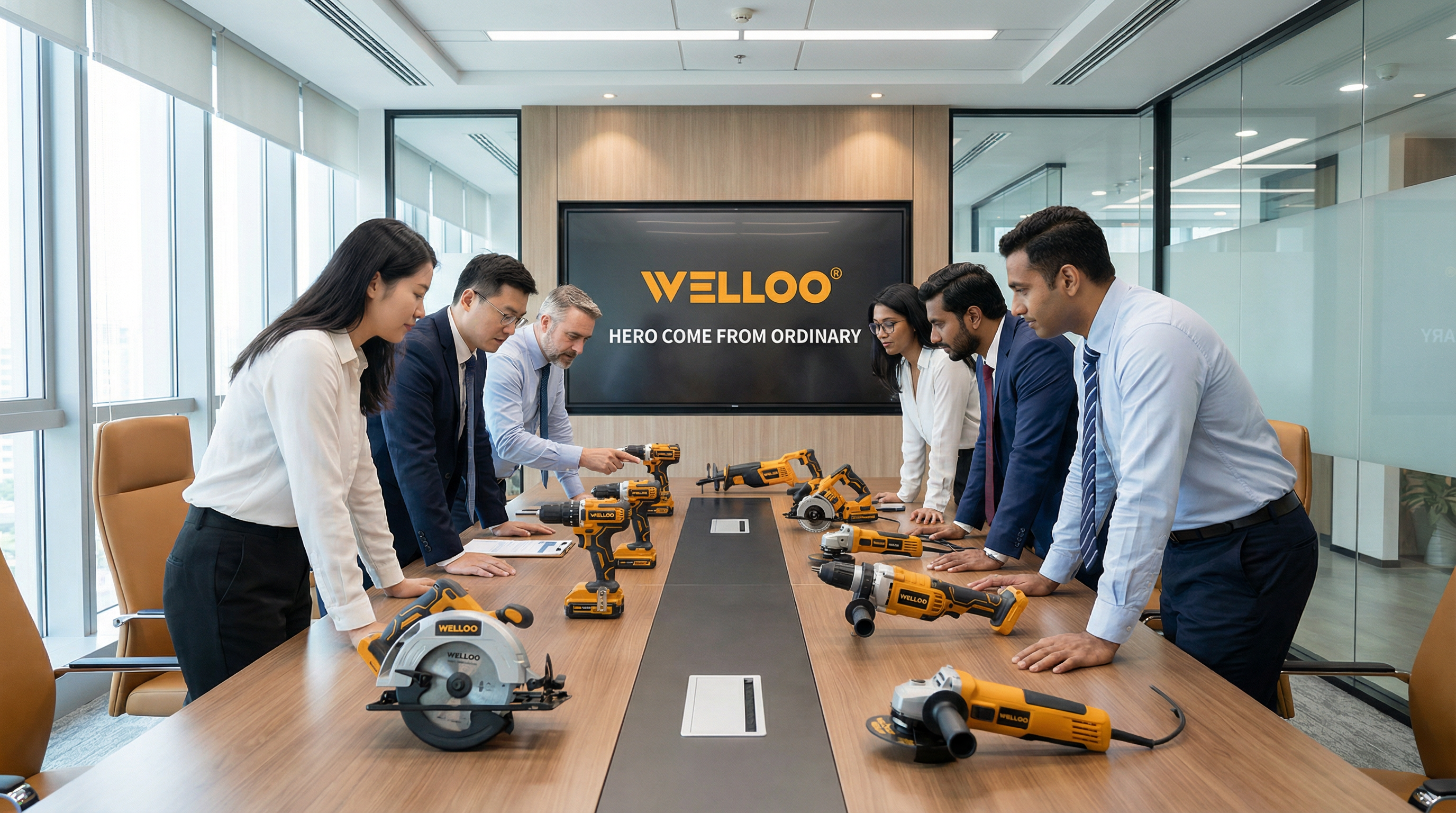
Selecting the right impact drill has become more critical than ever as industrial applications demand higher performance and reliability. The impact drill market in 2026 reflects significant advances in motor technology, ergonomics, and material science, yet many buyers still focus on surface-level specifications without understanding which features truly deliver measurable value. This guide walks through the essential impact drill characteristics that separate capable tools from transformative ones, helping you make an informed decision based on actual operational needs rather than marketing claims.
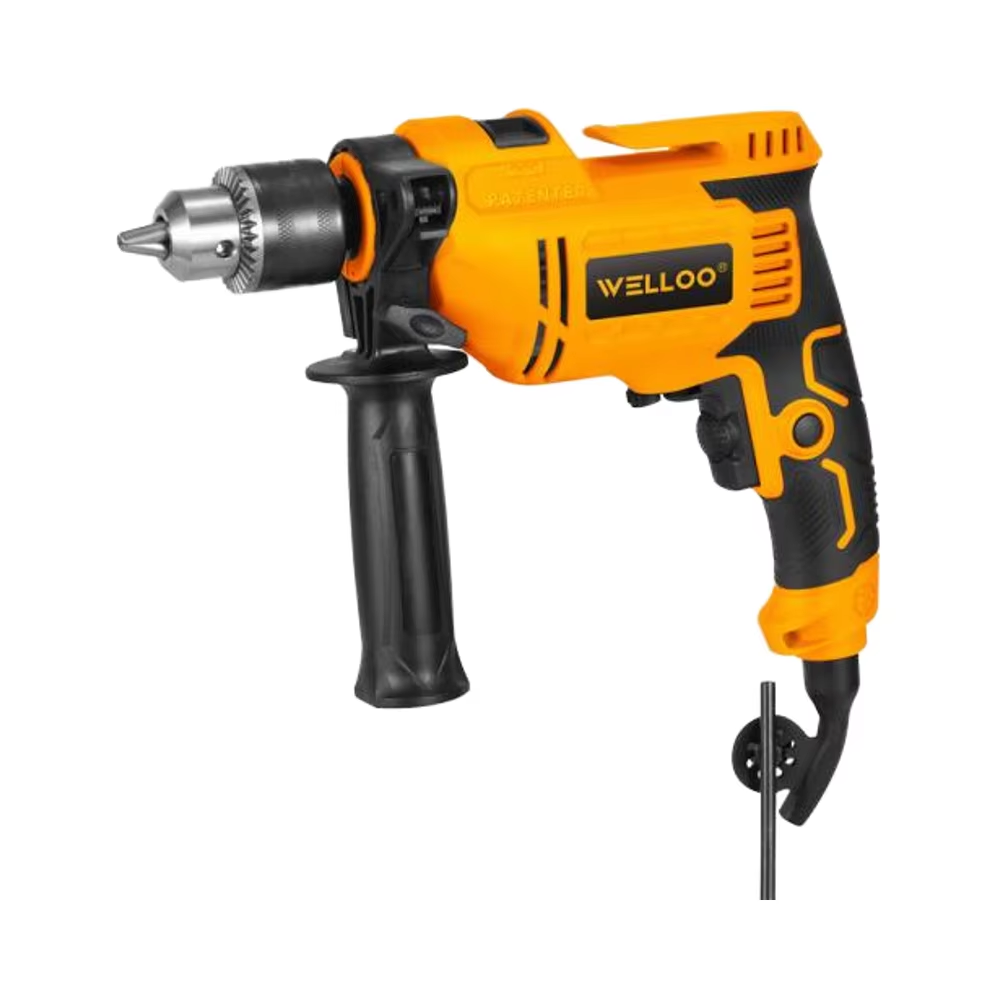
An impact drill combines rotational force with rapid percussion, making it fundamentally different from standard drills. The impact drill mechanism delivers sudden bursts of torque that break through resistance, whether you're working with masonry, hardened steel, or dense composite materials. Understanding which impact drill features align with your specific application ensures you invest in the right tool that maximizes productivity and minimizes downtime.
Motor Power and Torque Delivery
Understanding Rated Power and Real-World Performance
Motor power ratings on an impact drill tell only part of the story. A 600-watt impact drill may deliver superior performance compared to a 800-watt unit if the power transmission efficiency and impact mechanism are optimized. The key metric for an impact drill is not just wattage but rather the maximum torque output measured in Newton-meters (Nm). Industrial-grade impact drill models in 2026 typically range from 60 to 180 Nm, with the actual force delivered depending on motor design, internal gearing, and the percussion chamber efficiency.
When evaluating an impact drill, look for motors that maintain consistent power delivery across variable load conditions. A quality impact drill includes thermal protection that prevents power loss during extended operation, which is critical in industrial repair and fabrication work. The relationship between motor efficiency and impact drill runtime determines your total cost of ownership, as inefficient impact drill motors consume more energy to achieve the same penetration.
Impact Rate and Frequency Control
The impact rate, measured in impacts per minute (IPM), is a defining characteristic of any impact drill. Modern impact drill units deliver between 2000 and 4000 IPM, with variable-speed models allowing you to adjust the impact drill frequency based on material hardness. A programmable impact drill with electronic speed control lets operators match the impact rate to specific tasks, reducing vibration and extending tool life. This feature becomes essential when an impact drill works with delicate or precision-critical applications where uncontrolled force could cause damage.
Durability and Build Quality Standards
Bearing Systems and Longevity
The bearing configuration inside an impact drill directly impacts how long the tool remains reliable under continuous use. Industrial impact drill models employ sealed ball bearings or roller bearings that withstand high radial and axial loads generated during the percussion cycle. A properly engineered impact drill with reinforced bearing housings can operate through millions of impact cycles without degradation. When choosing an impact drill, investigate whether the manufacturer publishes bearing life ratings and maintenance intervals, as these indicate confidence in the design.
Heat dissipation capability separates premium impact drill designs from budget alternatives. An impact drill with inadequate ventilation will experience internal temperature rises that degrade bearing lubricants and shorten motor winding life. The best impact drill models include advanced cooling fins, thermal cutoff switches, and internal airflow optimization to maintain operating temperatures within safe ranges even during intensive drilling sessions.
Chuck and Collet Precision
The chuck on an impact drill must hold bits with absolute consistency while absorbing massive rotational shocks. Premium impact drill units feature hardened steel chucks with precision-ground jaws that maintain concentricity even after thousands of impact cycles. An impact drill chuck typically allows quick-change bit loading, which improves workflow efficiency in industrial environments where multiple materials demand different bit geometries.
Ergonomics and Operator Control Systems
Vibration Damping and Comfort Features
Operator fatigue and repetitive strain injuries become less likely when an impact drill incorporates comprehensive vibration management. Modern impact drill technology includes counterbalance mechanisms and elastomeric dampening materials that reduce hand vibration by 30 to 50 percent compared to older designs. An impact drill with an ergonomic handle shape and cushioned grip reduces fatigue during extended use, which directly correlates with work quality and safety compliance in industrial repair contexts.
Weight distribution in an impact drill affects user control and precision. A well-designed impact drill positions the motor weight toward the rear, allowing the operator to guide the bit with minimal upper body strain. When selecting an impact drill, test models in the 2.5 to 4 kilogram range, as this weight bracket typically provides optimal balance between power output and operator control.
Electronic Speed and Torque Regulation
An advanced impact drill includes electronic governors that maintain consistent torque output regardless of bit resistance or material variation. This feature, called constant torque regulation, prevents the sudden jerks and wrist injuries that occur when a bit suddenly catches. A intelligent impact drill with microprocessor control monitors load conditions in real time and adjusts motor speed automatically, which is essential for precision work where consistent hole diameter and depth are critical specifications.
Power Delivery and Efficiency Metrics
Energy Efficiency and Runtime Optimization
In 2026, energy efficiency ratings on an impact drill have become increasingly important as industrial operations face rising electricity costs. A high-efficiency impact drill converts more input power into mechanical output, meaning fewer wasted joules as heat and vibration. Look for impact drill models certified by recognized efficiency standards that confirm the power-to-performance ratio meets or exceeds industry benchmarks.
Battery capacity for cordless impact drill models should be evaluated alongside the motor efficiency curve. A cordless impact drill with a 4.0 Ah lithium-ion battery and an efficient brushless motor can complete tasks faster than a 5.0 Ah battery paired with an older brush motor design. When comparing impact drill options, calculate the work-hours per charge rather than focusing solely on battery amp-hours.
Precision and Material-Specific Performance
Different materials demand different impact drill characteristics. Masonry applications require an impact drill with maximum impact force and lower RPM settings, while metal fabrication benefits from higher rotational speeds with moderate impact force. A versatile impact drill that allows independent control of speed and impact frequency gives operators the flexibility to optimize performance across concrete, steel, composite, and hardwood applications without sacrificing efficiency in any category.
FAQ
What torque range should I prioritize in an impact drill?
For industrial repair and fabrication work, an impact drill with 100 to 150 Nm provides optimal balance between power and control. An impact drill below 80 Nm may struggle with reinforced concrete or hardened steel, while an impact drill exceeding 200 Nm introduces handling challenges and excessive vibration for precision tasks. The ideal impact drill torque depends on your primary application, but the 100-to-150 Nm range covers most commercial scenarios effectively.
How does variable speed control improve impact drill performance?
Variable speed on an impact drill allows operators to match the tool's performance characteristics to specific materials and bit types. A slow-speed impact drill setting with high impact force works best for concrete and masonry, while high-speed settings with moderated impact are ideal for metals and composites. An impact drill with electronic speed regulation maintains consistent performance across the entire speed range, preventing the power loss that occurs in mechanical transmissions as speed increases.
What bearing and cooling features indicate a high-quality impact drill?
A high-quality impact drill features sealed roller bearings rated for millions of cycles, advanced cooling fins, and internal thermal sensors that protect the motor. The best impact drill models publish bearing life specifications in the technical documentation, which indicates manufacturer confidence in durability. An impact drill with a thermal cutoff system prevents damage from extended operation, making it suitable for continuous industrial environments where downtime is costly.