 EN
EN


The historical origins of power tools often reveal surprising connections to modern safety standards, and understanding why were chainsaws invented provides crucial insights into how early tool development shaped contemporary regulatory frameworks. The evolution from primitive cutting implements to sophisticated safety-regulated equipment demonstrates how historical necessity drives innovation while simultaneously highlighting the importance of protective measures in tool design.
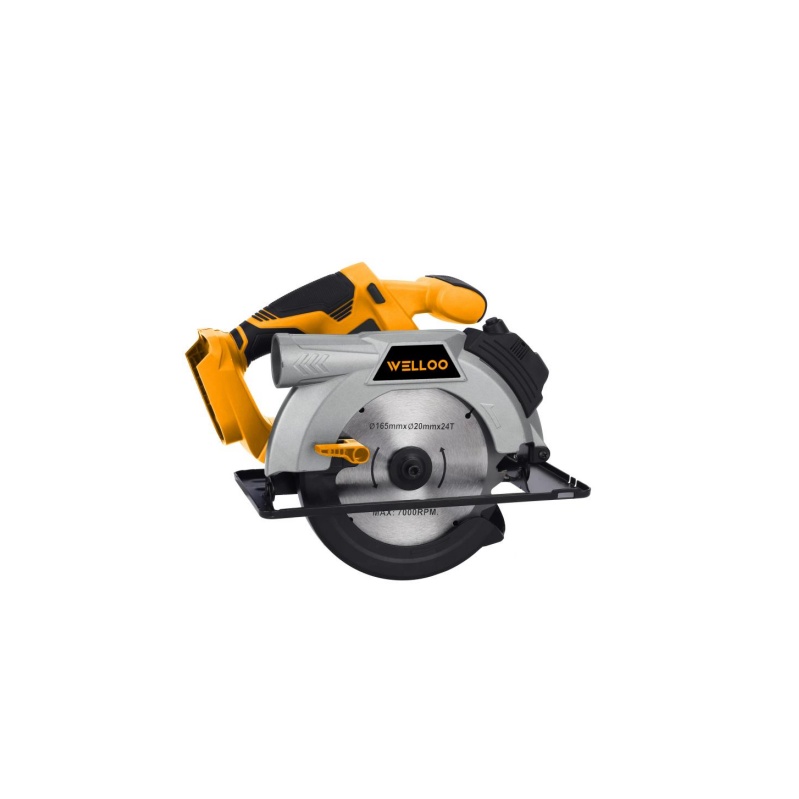
The journey from early chainsaw development to today's comprehensive safety regulations reveals how understanding the original purpose behind tool invention directly influences modern regulatory approaches. When regulatory bodies examine why were chainsaws invented, they consider both the historical context and the inherent risks that prompted safety innovations, creating a framework that extends beyond chainsaws to encompass all power cutting tools in industrial and consumer markets.
Historical Foundation of Chainsaw Development and Safety Implications
Medical Origins and Early Safety Considerations
The question of why were chainsaws invented traces back to medical applications in the late 18th century, when Scottish doctors John Aitken and James Jeffray developed a chain-based cutting tool for surgical procedures. This medical origin established the fundamental principle that precision cutting tools required careful control mechanisms and operator protection, concepts that would later become central to power tool safety regulations.
Understanding why were chainsaws invented for medical purposes reveals how early developers recognized the need for controlled cutting environments and operator safety protocols. These early safety considerations included proper positioning, controlled movement patterns, and protective barriers between the operator and cutting mechanism, principles that modern safety regulations have expanded and codified across all power tool categories.
The transition from medical to forestry applications maintained these safety-focused design principles while introducing new challenges related to outdoor environments and larger-scale operations. Regulatory bodies studying why were chainsaws invented recognize that the medical foundation established safety as an integral design consideration rather than an afterthought, influencing how modern regulations approach power tool development.
Industrial Application Evolution and Risk Assessment
The adaptation of chainsaw technology from medical to industrial forestry applications fundamentally changed how safety regulations approached power tool design. When examining why were chainsaws invented for forestry work, regulatory authorities identified patterns of risk escalation that occur when tools transition from controlled environments to variable working conditions.
Modern safety regulations draw from historical analysis of why were chainsaws invented to establish risk assessment frameworks that consider environmental variables, operator training requirements, and equipment maintenance protocols. This historical perspective helps regulators understand how tool purpose expansion creates new safety challenges that require proactive regulatory responses.
The industrial evolution of chainsaw applications demonstrates why understanding the original invention purpose helps regulatory bodies anticipate safety issues before they become widespread problems. By studying why were chainsaws invented and how their use expanded, modern regulations incorporate predictive safety measures that address both intended and unintended applications.
Regulatory Framework Development Based on Historical Analysis
Risk Identification Through Historical Context
Contemporary safety regulations use historical analysis of why were chainsaws invented to identify fundamental risk categories that apply across all power cutting tools. This approach recognizes that understanding original invention motivations reveals inherent safety challenges that persist regardless of technological advancement, creating a foundation for comprehensive regulatory frameworks.
Regulatory authorities examining why were chainsaws invented discovered that the transition from manual to powered cutting introduced specific risk patterns related to operator control, cutting speed, and material interaction. These historical insights inform modern safety standards that address similar risk patterns in contemporary power tools, including circular saws, reciprocating saws, and specialized cutting equipment.
The historical context of why were chainsaws invented provides regulators with evidence-based approaches to safety standard development, demonstrating how original design limitations and operator challenges translate into modern safety requirements. This historical foundation ensures that regulations address fundamental safety principles rather than merely responding to specific incidents.
Technology Transfer and Safety Standard Evolution
Modern power tool safety regulations incorporate lessons learned from analyzing why were chainsaws invented and how their technology transferred to other cutting applications. This technology transfer analysis helps regulators understand how safety principles developed for one tool type apply to related equipment, creating comprehensive safety frameworks that address entire tool categories.
The regulatory approach to technology transfer considers how understanding why were chainsaws invented reveals common safety challenges across different power cutting tools. This analysis demonstrates how blade guards, anti-kickback mechanisms, and operator protection systems developed for chainsaws influence safety requirements for other powered cutting equipment.
Safety regulations based on historical analysis of why were chainsaws invented establish standardized approaches to risk mitigation that apply across multiple tool types. This standardization ensures that safety innovations developed for one tool category benefit the entire power tool industry while maintaining consistency in regulatory compliance requirements.
Modern Safety Innovation Influenced by Historical Understanding
Protective Equipment Development
Contemporary safety equipment standards draw directly from understanding why were chainsaws invented and the protective measures that evolved alongside their development. Historical analysis reveals how early chainsaw operators developed improvised protection methods that later became standardized requirements, influencing modern approaches to personal protective equipment design and regulation.
Modern regulations requiring specific protective equipment for power tool operation stem from studying why were chainsaws invented and how early safety challenges led to innovative protection solutions. This historical perspective helps regulators understand which protective measures address fundamental risks versus those that respond to specific technological limitations, ensuring that modern standards focus on essential safety principles.
The evolution of protective equipment standards based on analyzing why were chainsaws invented demonstrates how historical safety innovations continue to influence contemporary regulation development. This influence ensures that modern protective equipment addresses both traditional safety concerns and emerging risks associated with technological advancement in power tool design.
Operational Training and Certification Requirements
Training requirements for power tool operation incorporate lessons learned from studying why were chainsaws invented and how early operators developed safe working practices through experience and necessity. Modern training programs use this historical foundation to establish comprehensive education frameworks that address both technical operation and safety awareness.
Certification requirements for professional power tool operation reflect understanding of why were chainsaws invented and the skill development patterns that emerged as these tools became widespread. Regulatory authorities use this historical analysis to establish training standards that ensure operators understand both tool capabilities and inherent limitations, promoting safe operation across various applications.
The integration of historical context into training programs helps operators understand why were chainsaws invented and how this knowledge applies to safe operation of modern power cutting tools. This approach creates more effective training outcomes by connecting historical development with contemporary safety practices, ensuring that operators appreciate both tool evolution and ongoing safety responsibilities.
Industry Impact and Compliance Frameworks
Manufacturing Standards and Design Requirements
Manufacturing standards for modern power tools incorporate safety principles derived from analyzing why were chainsaws invented and how early design decisions affected operator safety. These standards require manufacturers to consider historical safety challenges during product development, ensuring that new tools incorporate proven safety innovations while addressing emerging technological risks.
Design requirements based on understanding why were chainsaws invented establish fundamental safety criteria that manufacturers must meet regardless of technological innovation or market pressures. This approach ensures that safety remains integral to tool design rather than becoming secondary to performance or cost considerations, maintaining consistency with historical safety priorities.
Modern compliance frameworks use insights from studying why were chainsaws invented to establish testing protocols that evaluate both traditional safety concerns and contemporary risk factors. This comprehensive approach ensures that new power tools meet safety standards that address both historical safety challenges and modern application requirements.
Market Regulation and Consumer Protection
Consumer protection regulations for power tools reflect understanding of why were chainsaws invented and how early market development patterns created safety gaps that required regulatory intervention. Modern market regulations use this historical analysis to establish proactive safety measures that prevent safety issues rather than merely responding to problems after they occur.
Market surveillance programs incorporate lessons learned from studying why were chainsaws invented to identify potential safety risks in new power tool technologies before they become widespread problems. This approach demonstrates how historical understanding enhances regulatory effectiveness by providing context for evaluating emerging technologies and market trends.
The regulatory approach to consumer education about power tool safety draws from analysis of why were chainsaws invented to ensure that users understand both tool capabilities and safety requirements. This educational framework helps consumers make informed decisions about why were chainsaws invented and how this knowledge applies to safe operation of contemporary power cutting tools in various applications.
FAQ
How do historical chainsaw origins directly influence current power tool safety standards?
Historical chainsaw origins influence current safety standards by providing regulatory bodies with foundational understanding of inherent risks in powered cutting tools. The medical origins of chainsaws established precision and control as fundamental safety principles, while their evolution to forestry applications revealed how environmental factors affect operator safety, creating comprehensive frameworks that apply to all modern power cutting tools.
What specific safety innovations from early chainsaws appear in modern power tool regulations?
Early chainsaw development produced safety innovations including controlled cutting mechanisms, operator positioning protocols, and protective barriers that directly translate into modern power tool regulations. These innovations established requirements for blade guards, anti-kickback systems, emergency stops, and standardized operator training that appear across contemporary power tool safety standards, demonstrating how historical solutions address persistent safety challenges.
Why do regulators study the original purposes behind tool invention when developing safety standards?
Regulators study original invention purposes because understanding why tools were created reveals fundamental safety challenges that persist regardless of technological advancement. This approach helps identify core risk patterns, predict how tools might be used beyond their intended applications, and develop proactive safety measures that address both traditional and emerging safety concerns in power tool operation.
How does understanding chainsaw history help improve safety for other power cutting tools?
Understanding chainsaw history improves safety for other power cutting tools by revealing common risk patterns, successful safety innovations, and regulatory approaches that apply across tool categories. The historical development of safety measures for chainsaws provides proven frameworks for addressing similar challenges in circular saws, reciprocating saws, and other power cutting equipment, ensuring comprehensive safety coverage across the entire power tool industry.
Table of Contents
- Historical Foundation of Chainsaw Development and Safety Implications
- Regulatory Framework Development Based on Historical Analysis
- Modern Safety Innovation Influenced by Historical Understanding
- Industry Impact and Compliance Frameworks
-
FAQ
- How do historical chainsaw origins directly influence current power tool safety standards?
- What specific safety innovations from early chainsaws appear in modern power tool regulations?
- Why do regulators study the original purposes behind tool invention when developing safety standards?
- How does understanding chainsaw history help improve safety for other power cutting tools?