 EN
EN


Production managers face constant pressure to optimize equipment performance while controlling operational costs, and maximizing blade life in chop saws represents one of the most impactful areas for improvement. An electric saw blade that lasts longer directly translates to reduced downtime, lower replacement costs, and improved production efficiency across manufacturing operations. Understanding the factors that influence blade longevity and implementing strategic maintenance practices can significantly extend cutting tool life while maintaining precision and quality standards.
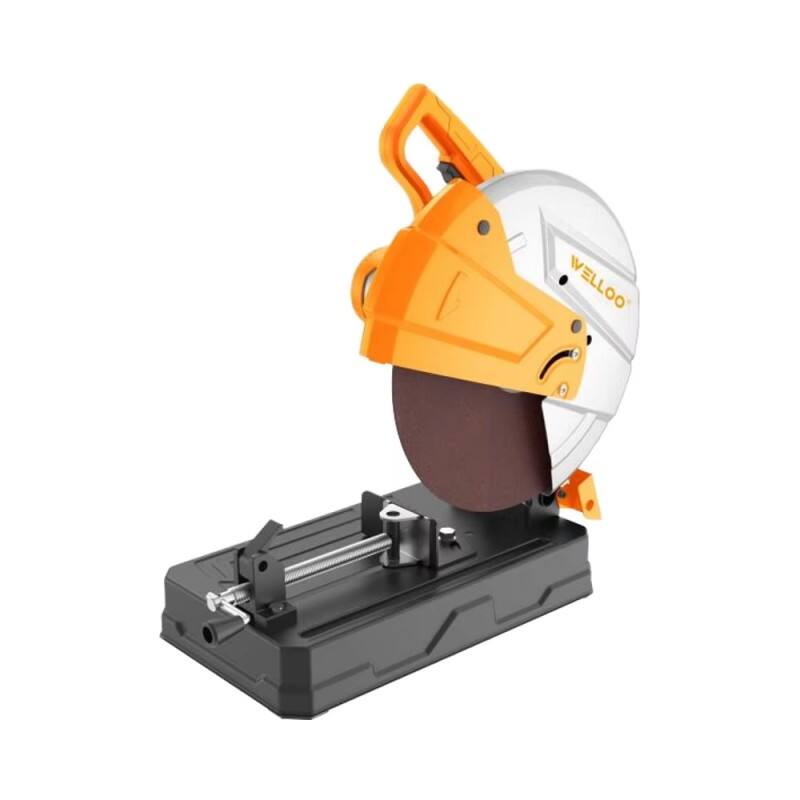
The strategic approach to blade life management extends beyond simple maintenance schedules to encompass material selection, cutting parameters, operator training, and systematic monitoring protocols. Modern electric saw operations require production managers to balance cutting speed demands with blade preservation, creating optimization opportunities that can yield substantial cost savings over time. This comprehensive guide examines proven methods for extending blade life through scientific approaches to cutting parameter management, preventive maintenance strategies, and operational best practices specifically designed for high-volume production environments.
Understanding Blade Wear Mechanisms in Electric Saw Operations
Primary Wear Factors Affecting Blade Longevity
The wear mechanisms in electric saw blades follow predictable patterns that production managers can influence through systematic control of operational variables. Heat generation represents the most significant factor affecting blade life, as excessive temperatures cause carbide tip degradation and steel substrate softening. When an electric saw operates at optimal parameters, heat dissipation occurs naturally through proper chip evacuation and cooling airflow, but deviations from recommended cutting speeds or feed rates create thermal stress that accelerates wear exponentially.
Mechanical stress from improper workpiece clamping or feeding creates another critical wear pathway that production managers must address. An electric saw blade experiences maximum stress when cutting forces are unevenly distributed across the cutting edge, leading to premature tooth failure and reduced cutting accuracy. Material buildup on blade teeth creates a compound wear effect, where accumulated debris increases cutting resistance and generates additional heat while reducing cutting efficiency.
Vibration-induced wear represents a less obvious but equally damaging factor in electric saw operations. When machine components develop play or alignment issues, the resulting vibration transfers through the blade, causing micro-fractures in carbide tips and fatigue failure in the blade substrate. Production managers who monitor vibration levels and address mechanical issues proactively can prevent this hidden cause of premature blade failure.
Material-Specific Wear Characteristics
Different materials create distinct wear patterns on electric saw blades, requiring production managers to adjust cutting strategies based on workpiece composition. Steel cutting operations typically produce abrasive wear as the primary degradation mode, where hard particles in the steel gradually erode carbide cutting edges. This wear pattern develops gradually and predictably, allowing for systematic blade rotation and replacement scheduling.
Aluminum and non-ferrous materials create adhesive wear challenges where material buildup on blade teeth reduces cutting efficiency and generates heat. An electric saw cutting aluminum requires specific blade geometries and cutting fluids to prevent material welding to the cutting edge. Production managers must implement cleaning protocols and select appropriate blade coatings to minimize adhesive wear in these applications.
Composite and engineered materials introduce complex wear scenarios combining abrasive particles with resin systems that create unique cutting challenges. These materials often require specialized electric saw blade designs with modified tooth geometries and coatings specifically engineered for composite cutting applications. Understanding material-specific wear mechanisms allows production managers to select optimal blades and adjust cutting parameters for maximum blade life.
Optimizing Cutting Parameters for Extended Blade Life
Speed and Feed Rate Optimization
The relationship between cutting speed and blade life in electric saw operations follows well-established principles that production managers can leverage for optimal performance. Lower cutting speeds generally extend blade life by reducing heat generation and mechanical stress, but excessively slow speeds can cause work hardening in certain materials and actually increase blade wear. The optimal speed range for an electric saw depends on material type, blade design, and cutting depth requirements.
Feed rate optimization requires balancing productivity demands with blade preservation goals. Aggressive feed rates increase cutting forces and heat generation, leading to accelerated blade wear and potential tooth failure. However, insufficient feed rates can cause rubbing rather than cutting, which generates heat without productive material removal. An electric saw performs optimally when feed rates are matched to blade geometry and material characteristics.
Production managers should establish cutting parameter matrices that specify optimal speed and feed combinations for different materials and blade types. These parameters should be documented, communicated to operators, and monitored through production tracking systems. Regular parameter audits ensure that cutting conditions remain within optimal ranges as production demands change.
Cooling and Lubrication Strategies
Effective cooling strategies significantly extend electric saw blade life by managing heat generation at the cutting zone. Air blast cooling provides the most practical solution for most chop saw applications, using compressed air to remove chips and dissipate heat from the cutting area. The cooling air flow should be directed to clear chips from the cutting zone while providing thermal relief to the blade teeth.
Cutting fluid applications become necessary when processing materials that generate excessive heat or tend to weld to blade surfaces. An electric saw equipped with mist cooling systems can achieve substantial blade life improvements when cutting aluminum, stainless steel, and other challenging materials. The fluid delivery system must provide consistent coverage without creating safety hazards or contaminating the work environment.
Production managers should evaluate cooling system effectiveness through blade life monitoring and thermal measurements. Infrared temperature monitoring can identify hot spots that indicate insufficient cooling or improper cutting parameters. Systematic cooling optimization often yields blade life improvements of twenty to thirty percent while maintaining cutting quality and productivity levels.
Implementing Systematic Blade Maintenance Protocols
Preventive Inspection and Cleaning Procedures
Regular blade inspection protocols form the foundation of effective blade life management in electric saw operations. Daily visual inspections should examine blade teeth for wear patterns, damage, and material buildup that could affect cutting performance. Production managers should establish inspection checklists that operators can complete quickly while identifying potential issues before they cause blade failure or quality problems.
Systematic blade cleaning removes accumulated material and debris that accelerates wear and reduces cutting efficiency. An electric saw blade should be cleaned after each shift or when material buildup becomes visible on the cutting teeth. Cleaning procedures must use appropriate solvents and tools that remove debris without damaging blade coatings or carbide tips. Wire brushes and aggressive cleaning methods can damage blade surfaces and actually reduce blade life.
Documentation of inspection findings and cleaning activities provides valuable data for optimizing blade management strategies. Production managers can identify patterns in blade wear and adjust cutting parameters or maintenance schedules based on actual performance data. This systematic approach transforms blade maintenance from reactive replacement to proactive optimization.
Blade Rotation and Replacement Strategies
Strategic blade rotation extends overall blade life by distributing wear evenly across the cutting surface. An electric saw blade that cuts the same material type repeatedly may develop uneven wear patterns that reduce effective cutting life. Rotation schedules should consider material types, cutting volumes, and blade wear characteristics to maximize utilization of each blade.
Replacement timing decisions require balancing blade life extension with quality maintenance and productivity goals. Production managers should establish replacement criteria based on cutting quality metrics, dimensional accuracy requirements, and surface finish standards. Waiting until blade failure occurs often results in workpiece damage and production delays that exceed the cost savings from extended blade use.
Inventory management for electric saw blades requires coordinating replacement schedules with procurement lead times and storage considerations. Maintaining appropriate blade inventories prevents production delays while avoiding excess inventory costs. Blade tracking systems should monitor usage patterns and predict replacement needs based on historical data and production schedules.
Operator Training and Best Practices
Developing Operator Competency Programs
Operator skill and knowledge directly impact blade life in electric saw operations, making comprehensive training programs essential for blade life optimization. Operators must understand the relationship between cutting parameters, material properties, and blade wear to make informed decisions during production operations. Training programs should cover proper setup procedures, parameter selection guidelines, and troubleshooting techniques that prevent blade damage.
Hands-on training with actual electric saw equipment allows operators to develop practical skills in blade handling, installation, and adjustment procedures. Proper blade installation techniques prevent damage during setup and ensure optimal cutting performance throughout blade life. Operators should understand torque specifications, alignment requirements, and safety procedures that protect both personnel and equipment.
Ongoing competency assessment ensures that operators maintain proper techniques and adapt to new blade technologies or cutting applications. Production managers should implement regular skill evaluations and refresher training that keeps operators current with best practices. Operator feedback often provides valuable insights into blade performance issues and optimization opportunities.
Quality Control and Performance Monitoring
Systematic quality monitoring provides early indicators of blade wear and cutting parameter optimization needs. An electric saw operation should include regular measurement of cut quality, dimensional accuracy, and surface finish characteristics that indicate blade condition. Quality trends often reveal blade wear patterns before visible damage occurs, allowing for proactive blade management.
Performance tracking systems should monitor cutting speeds, cycle times, and productivity metrics that reflect blade condition and cutting efficiency. Declining performance often indicates blade wear or parameter drift that requires corrective action. Production managers can use this data to optimize cutting parameters and predict blade replacement needs based on performance trends.
Feedback systems that connect quality results with blade management decisions enable continuous improvement in blade life optimization. Operators should understand how their actions affect blade performance and quality outcomes. Regular performance reviews and improvement initiatives help maintain focus on blade life optimization as a key production metric.
Measuring and Improving Blade Life Performance
Establishing Key Performance Indicators
Effective blade life management requires systematic measurement of performance indicators that reflect both blade utilization and operational efficiency. Production managers should track blade life in terms of linear feet cut, number of pieces processed, and operating hours to establish baseline performance metrics. An electric saw operation benefits from consistent measurement methods that allow for meaningful comparison across different applications and time periods.
Cost per cut calculations provide valuable insight into the economic impact of blade life optimization efforts. These calculations should include blade cost, labor for blade changes, and production downtime associated with blade replacement activities. Understanding the true cost of cutting operations helps justify investments in blade life improvement initiatives and guides decision-making for parameter optimization.
Quality metrics such as dimensional accuracy, surface finish, and reject rates provide complementary performance indicators that ensure blade life optimization does not compromise product quality. Production managers must balance blade life extension with quality requirements to achieve optimal overall performance. Systematic tracking of these metrics identifies the optimal balance point for each application.
Continuous Improvement Methodologies
Data-driven improvement approaches enable production managers to systematically optimize electric saw blade life through controlled experimentation and analysis. Establishing baseline performance levels provides the foundation for measuring improvement initiatives and identifying the most effective optimization strategies. Controlled testing of different cutting parameters, blade types, and maintenance procedures generates objective data for decision-making.
Root cause analysis of premature blade failures identifies systematic issues that compromise blade life across multiple applications. An electric saw operation may have alignment problems, parameter drift, or maintenance gaps that affect blade performance consistently. Addressing these root causes often yields greater improvements than individual blade optimization efforts.
Benchmarking against industry standards and best practices provides external perspective on blade life performance and improvement opportunities. Production managers should participate in industry forums, technical conferences, and supplier technical support programs that share blade life optimization knowledge. Collaborative improvement efforts often identify innovative solutions and proven practices that can be adapted to specific operations.
FAQ
What is the typical blade life expectancy for an electric saw in production environments?
Blade life for an electric saw varies significantly based on material type, cutting parameters, and maintenance practices, but production environments typically see blade life ranging from 500 to 5000 linear feet of cutting. Steel cutting applications generally achieve 1000-2000 linear feet per blade, while aluminum cutting may extend to 3000-5000 linear feet with proper parameter optimization. The key factors affecting blade life include cutting speed, feed rate, cooling effectiveness, and material hardness, with proper parameter management potentially doubling blade life compared to suboptimal operations.
How often should electric saw blades be inspected during production operations?
Electric saw blades should undergo visual inspection at least once per shift during continuous production operations, with more frequent inspection recommended for critical applications or when processing abrasive materials. Daily inspections should check for tooth damage, material buildup, and unusual wear patterns that could indicate parameter issues or maintenance needs. Production managers should implement inspection checklists that operators can complete in under five minutes, focusing on identifying issues before they cause blade failure or quality problems.
What cutting parameters have the greatest impact on blade life in electric saw operations?
Cutting speed represents the most critical parameter affecting electric saw blade life, as excessive speeds generate heat that rapidly degrades carbide cutting edges and blade substrates. Feed rate optimization provides the second most significant impact, with proper feed rates reducing cutting forces and heat generation while maintaining productivity. Cooling effectiveness through air blast or cutting fluid application can extend blade life by 20-30 percent, while proper workpiece clamping and machine alignment prevent vibration-induced wear that causes premature blade failure.
How can production managers justify investments in blade life optimization programs?
Blade life optimization investments typically generate returns through reduced blade costs, decreased downtime for blade changes, and improved cutting quality that reduces rework and scrap. An electric saw operation that doubles blade life through parameter optimization can reduce blade costs by fifty percent while eliminating half of the blade change downtime. Production managers should calculate total cutting costs including blade expense, labor for blade changes, and lost production time to demonstrate the economic benefits of systematic blade life improvement initiatives. Additional benefits include improved operator efficiency, reduced inventory requirements, and enhanced production scheduling reliability.
Table of Contents
- Understanding Blade Wear Mechanisms in Electric Saw Operations
- Optimizing Cutting Parameters for Extended Blade Life
- Implementing Systematic Blade Maintenance Protocols
- Operator Training and Best Practices
- Measuring and Improving Blade Life Performance
-
FAQ
- What is the typical blade life expectancy for an electric saw in production environments?
- How often should electric saw blades be inspected during production operations?
- What cutting parameters have the greatest impact on blade life in electric saw operations?
- How can production managers justify investments in blade life optimization programs?