 EN
EN

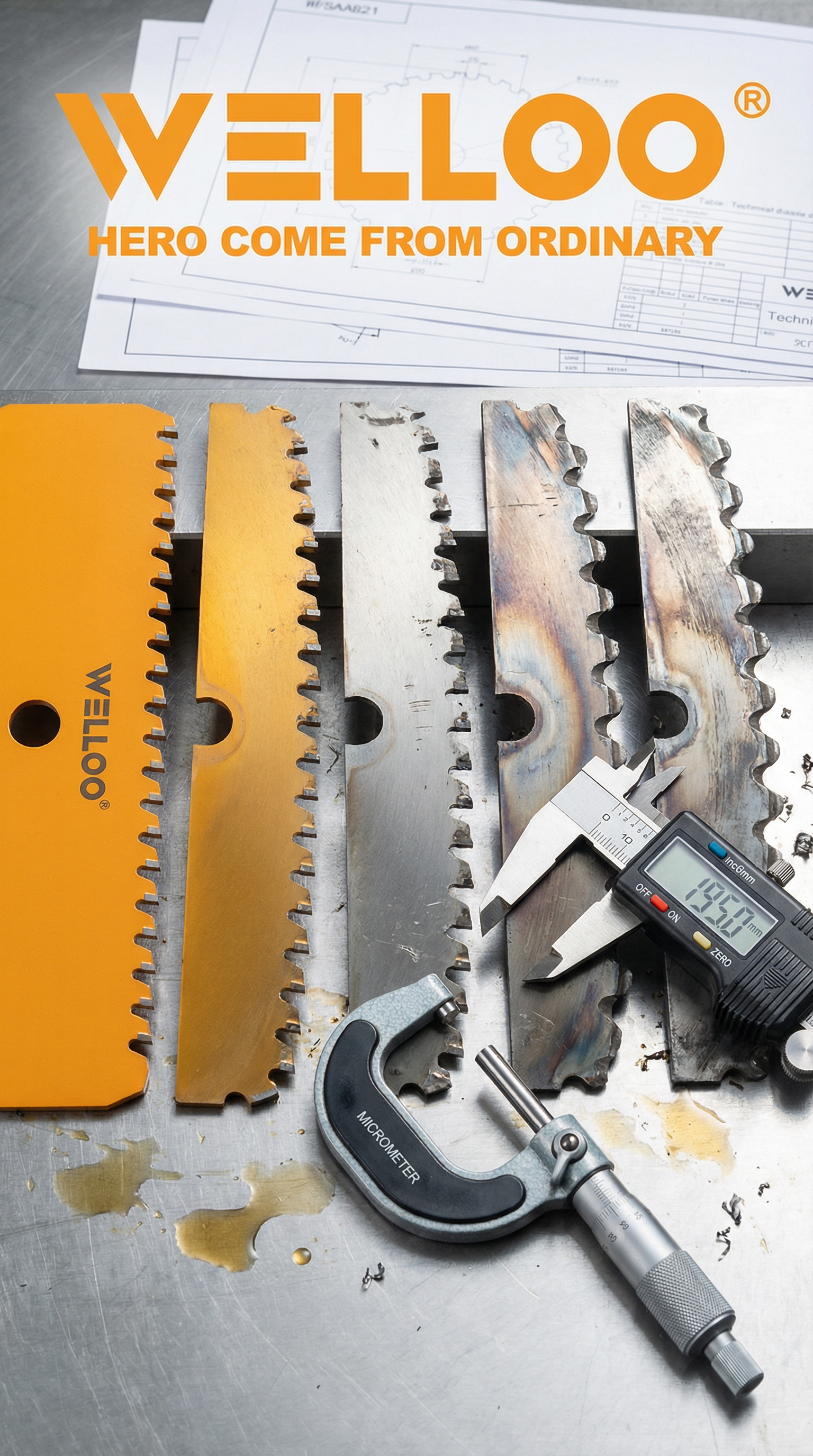
Metal fabrication shops face constant pressure to maximize productivity while maintaining precision in their cutting operations. Industrial chop saw optimization represents a strategic approach to increasing output through systematic improvements in equipment performance, workflow efficiency, and operational protocols. When properly implemented, these optimization strategies can deliver substantial improvements in throughput, reduce material waste, and enhance overall shop profitability. The foundation of effective optimization lies in understanding how your electric saw equipment integrates with broader production workflows and identifying specific bottlenecks that limit current performance levels.
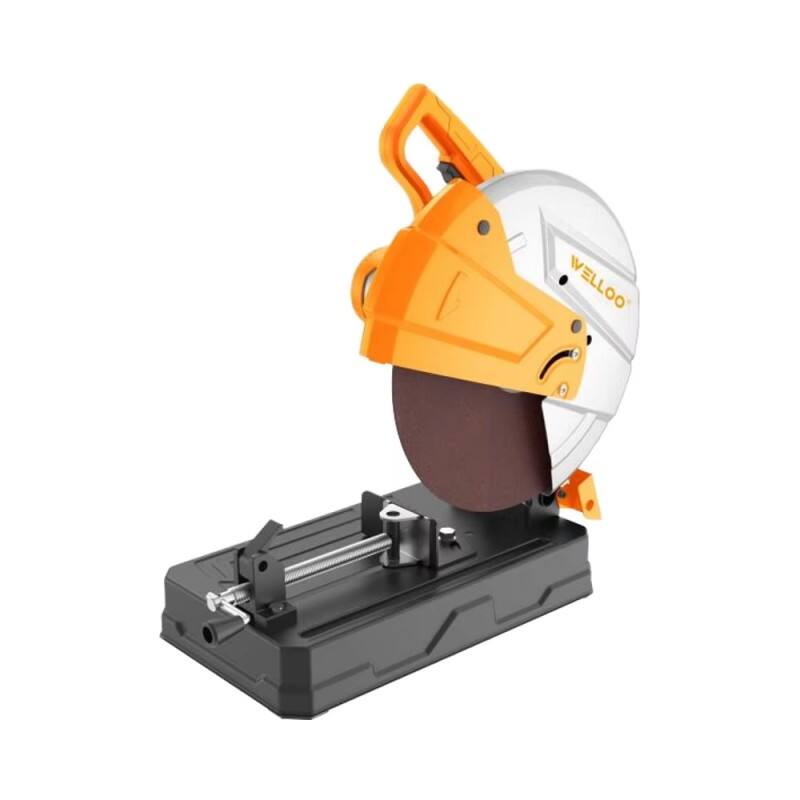
Successful optimization requires a comprehensive evaluation of current cutting processes, equipment capabilities, and production demands. Modern metal fabrication shops must balance speed with accuracy, ensuring that increased output does not compromise quality standards or safety protocols. This systematic approach to chop saw optimization encompasses equipment selection, blade management, cutting parameter adjustment, maintenance scheduling, and operator training. By addressing each of these critical areas, fabrication shops can achieve measurable improvements in production efficiency while extending equipment lifespan and reducing operational costs.
Equipment Performance Assessment and Baseline Establishment
Current Capacity Analysis
Before implementing any optimization strategies, fabrication shops must establish clear performance baselines for their existing electric saw equipment. This assessment involves measuring current cutting speeds, analyzing cycle times, and documenting material handling efficiency. Accurate baseline measurements provide the foundation for measuring improvement after optimization efforts. Key metrics include cuts per hour, material waste percentages, blade life cycles, and overall equipment effectiveness scores.
The assessment process should examine both individual machine performance and how each electric saw integrates within the broader production workflow. Bottlenecks often occur not at the cutting station itself, but in material preparation, positioning, or post-cut handling processes. Understanding these interconnected relationships helps identify where optimization efforts will deliver the greatest impact on overall shop output.
Documentation of current performance should include detailed analysis of different material types, thicknesses, and cutting angles. This comprehensive data collection reveals patterns that may not be immediately obvious, such as specific material combinations that cause excessive blade wear or cutting parameters that consistently produce quality issues requiring rework.
Equipment Capability Evaluation
Modern electric saw technology offers significant advantages over older cutting equipment, particularly in terms of power delivery, precision control, and automated features. Evaluating current equipment capabilities involves assessing motor power, cutting capacity, automation level, and available safety features. This evaluation helps determine whether optimization can be achieved through parameter adjustments or if equipment upgrades are necessary to meet production goals.
Power delivery consistency plays a crucial role in cutting performance, particularly when working with harder metals or thicker materials. Variable speed capabilities allow operators to optimize cutting parameters for different materials, while advanced motor control systems maintain consistent performance under varying load conditions. Understanding these capabilities helps establish realistic optimization targets and identify areas where equipment limitations may constrain improvement efforts.
Safety features and automation capabilities directly impact both productivity and operator efficiency. Modern electric saw systems often include automatic material clamping, programmable cutting sequences, and integrated measurement systems that reduce setup time and improve cutting accuracy. Evaluating these features helps identify opportunities to reduce manual intervention and streamline production workflows.
Cutting Parameter Optimization Strategies
Speed and Feed Rate Calibration
Optimizing cutting speeds and feed rates represents one of the most effective methods for increasing chop saw output without compromising quality. The relationship between cutting speed, material properties, and blade characteristics requires careful calibration to achieve maximum efficiency. Higher cutting speeds reduce cycle time but may increase blade wear or create heat buildup that affects cut quality. Finding the optimal balance requires systematic testing and documentation of results across different material types.
Feed rate optimization involves determining the ideal rate at which material moves through the cutting zone. Too aggressive feed rates can cause blade deflection, poor surface finish, or premature blade failure. Conversely, conservative feed rates unnecessarily extend cutting time and reduce overall throughput. The optimal feed rate depends on material hardness, section thickness, blade condition, and electric saw power characteristics.
Advanced electric saw systems often provide programmable parameter settings that can be stored and recalled for different material combinations. Utilizing these capabilities allows operators to quickly apply optimized settings without manual adjustment, reducing setup time and ensuring consistent results. Regular monitoring and adjustment of these parameters based on actual cutting performance helps maintain optimal efficiency as blade condition changes over time.
Blade Selection and Management
Blade selection significantly impacts both cutting efficiency and output quality in metal fabrication operations. Different blade configurations excel at specific applications, and matching blade characteristics to material requirements and cutting objectives is essential for optimization. Tooth configuration, blade material, and coating options all influence cutting performance and blade longevity.
Implementing systematic blade management protocols helps maximize blade utilization while maintaining consistent cutting quality. This includes establishing blade rotation schedules, monitoring wear patterns, and maintaining optimal blade tension. Proper blade maintenance extends blade life and maintains cutting efficiency throughout the blade's service period.
Modern blade technology offers specialized options for specific applications, including variable tooth patterns for different material thicknesses and advanced coatings that reduce friction and heat buildup. Understanding these options and their appropriate applications helps fabrication shops select blades that optimize both cutting speed and blade longevity for their specific production requirements.
Workflow Integration and Material Handling
Production Line Integration
Effective chop saw optimization extends beyond the cutting operation itself to encompass the entire material flow through the fabrication shop. Integrating electric saw operations with upstream and downstream processes eliminates bottlenecks and reduces material handling time. This integration involves coordinating material preparation, cutting sequences, and post-cut processing to maintain continuous workflow.
Material staging and preparation significantly impact overall cutting efficiency. Organizing materials for optimal cutting sequences reduces setup time and minimizes material handling between cuts. Pre-measuring and marking materials, organizing cutting lists by material type or size, and preparing materials in cutting sequence all contribute to improved workflow efficiency.
Post-cutting operations must also align with optimized cutting speeds to prevent downstream bottlenecks. Increased cutting output requires corresponding capacity in material removal, quality inspection, and secondary processing operations. Balancing these capacities ensures that optimization efforts translate into actual production increases rather than simply moving bottlenecks to different operations.
Automation and Technology Integration
Modern electric saw systems offer various automation capabilities that can significantly improve production efficiency when properly implemented. Automated material feeding, programmable cutting sequences, and integrated measurement systems reduce manual intervention and improve cutting consistency. These technologies also reduce operator fatigue and allow skilled personnel to focus on more complex tasks.
Integration with shop management systems provides real-time visibility into cutting operations and enables data-driven optimization decisions. Tracking cutting performance, blade usage, and material utilization helps identify trends and opportunities for further improvement. This data also supports predictive maintenance scheduling and inventory management for blades and consumables.
Advanced automation features may include automatic tool changing, adaptive cutting parameter adjustment based on material feedback, and quality monitoring systems that detect and correct cutting anomalies in real-time. While these features require initial investment, they can deliver substantial productivity improvements in high-volume production environments.
Maintenance and Performance Monitoring
Preventive Maintenance Protocols
Systematic maintenance programs are essential for maintaining optimized performance levels over time. Electric saw equipment operates under demanding conditions, and regular maintenance prevents performance degradation that can reduce output and compromise quality. Effective maintenance protocols address both routine servicing and condition-based maintenance triggered by performance monitoring.
Key maintenance activities include motor servicing, lubrication system maintenance, alignment verification, and safety system testing. Establishing maintenance schedules based on operating hours, cutting volume, or performance metrics ensures that maintenance activities occur before performance degradation impacts production output. Documenting maintenance activities and their impact on performance helps refine maintenance intervals and identify recurring issues.
Condition monitoring technologies can provide early warning of developing problems before they impact production. Vibration monitoring, thermal imaging, and performance tracking help identify issues such as bearing wear, motor problems, or alignment issues that could lead to equipment failure or reduced cutting efficiency.
Performance Tracking and Continuous Improvement
Ongoing performance monitoring provides the data necessary for continuous improvement efforts and helps maintain optimized performance levels. Key performance indicators should include cutting speed, material utilization, blade life, quality metrics, and overall equipment effectiveness. Regular analysis of these metrics identifies trends and opportunities for further optimization.
Establishing feedback loops between operators, maintenance personnel, and management ensures that performance issues are identified and addressed quickly. Operator feedback often provides valuable insights into equipment behavior and potential improvements that may not be captured by automated monitoring systems.
Benchmarking performance against industry standards and best practices helps identify areas where additional improvement is possible. This external perspective can reveal optimization opportunities that may not be apparent when analyzing internal performance data alone. Regular review and updating of optimization strategies ensures that improvements keep pace with evolving technology and changing production requirements.
Operator Training and Skill Development
Technical Skill Enhancement
Operator skill level directly impacts the effectiveness of optimization efforts and the consistency of improved performance. Comprehensive training programs should address both technical aspects of electric saw operation and optimization principles. Skilled operators can make real-time adjustments that maximize efficiency while maintaining quality standards.
Training content should include understanding of cutting mechanics, material properties, blade characteristics, and safety protocols. Advanced training topics may cover troubleshooting techniques, performance monitoring, and basic maintenance procedures. Regular skills assessment and refresher training help maintain high performance standards and introduce new optimization techniques as they are developed.
Cross-training operators on multiple pieces of equipment increases flexibility and helps maintain production levels during equipment maintenance or operator absence. This redundancy also enables better utilization of optimized equipment by ensuring qualified operators are always available to maintain high performance standards.
Safety and Quality Assurance
Optimization efforts must never compromise safety standards or quality requirements. Training programs should emphasize the relationship between optimization and safety, ensuring that operators understand how to achieve improved performance while maintaining safe working conditions. This includes understanding the limits of optimization and recognizing when pushing performance beyond safe parameters can create hazards.
Quality assurance training helps operators recognize when optimization efforts are negatively impacting cut quality or creating defects that require rework. Understanding quality standards and inspection techniques enables operators to make informed decisions about cutting parameters and identify when adjustments are necessary to maintain acceptable quality levels.
Regular safety audits and quality assessments help ensure that optimization efforts continue to support overall production objectives without creating unacceptable risks or quality issues. These assessments also provide opportunities to identify additional optimization opportunities that may have been overlooked in initial improvement efforts.
FAQ
What are the most effective ways to measure chop saw optimization success in a metal fabrication shop?
Measuring optimization success requires tracking multiple key performance indicators including cuts per hour, material waste percentage, blade life cycles, overall equipment effectiveness, and quality metrics such as cut accuracy and surface finish. Establish baseline measurements before implementing changes, then monitor these metrics regularly to quantify improvement. Additionally, track secondary metrics like setup time reduction, operator efficiency, and maintenance costs to understand the full impact of optimization efforts.
How often should cutting parameters be adjusted on an electric saw for optimal performance?
Cutting parameter adjustment frequency depends on material variety, production volume, and blade condition. For consistent production with similar materials, parameters may remain stable for weeks or months. However, when switching between different materials, thicknesses, or when blade condition changes, parameters should be evaluated and adjusted accordingly. Implement regular performance monitoring to identify when adjustments are needed, typically checking weekly for high-volume operations or after every blade change.
Can chop saw optimization efforts negatively impact cut quality or safety in metal fabrication?
Yes, aggressive optimization that prioritizes speed over proper technique can compromise both quality and safety. Common issues include excessive cutting speeds that cause heat buildup and poor surface finish, improper feed rates that create blade deflection, or inadequate clamping that allows material movement during cutting. Always maintain safety protocols and quality standards as non-negotiable constraints when implementing optimization strategies. Regular monitoring and operator training help prevent these issues while still achieving improved performance.
What role does blade selection play in industrial chop saw optimization?
Blade selection is critical for optimization success as different blade configurations excel at specific applications. Tooth count, blade material, coating options, and tooth geometry all impact cutting speed, blade longevity, and cut quality. Match blade characteristics to your specific materials and cutting requirements rather than using one blade type for all applications. Implement systematic blade management including rotation schedules, wear monitoring, and proper storage to maximize blade utilization and maintain consistent cutting performance throughout the blade's service life.
Table of Contents
- Equipment Performance Assessment and Baseline Establishment
- Cutting Parameter Optimization Strategies
- Workflow Integration and Material Handling
- Maintenance and Performance Monitoring
- Operator Training and Skill Development
-
FAQ
- What are the most effective ways to measure chop saw optimization success in a metal fabrication shop?
- How often should cutting parameters be adjusted on an electric saw for optimal performance?
- Can chop saw optimization efforts negatively impact cut quality or safety in metal fabrication?
- What role does blade selection play in industrial chop saw optimization?