 EN
EN


Professional woodworkers, furniture manufacturers, and construction companies understand the critical importance of securing high-quality chisels at competitive prices. When purchasing chisels in bulk quantities, negotiating directly with global manufacturers can yield significant cost savings and ensure consistent supply chain reliability. The strategic approach to bulk chisel procurement requires careful evaluation of manufacturing capabilities, quality standards, and long-term partnership potential with suppliers across different regions.
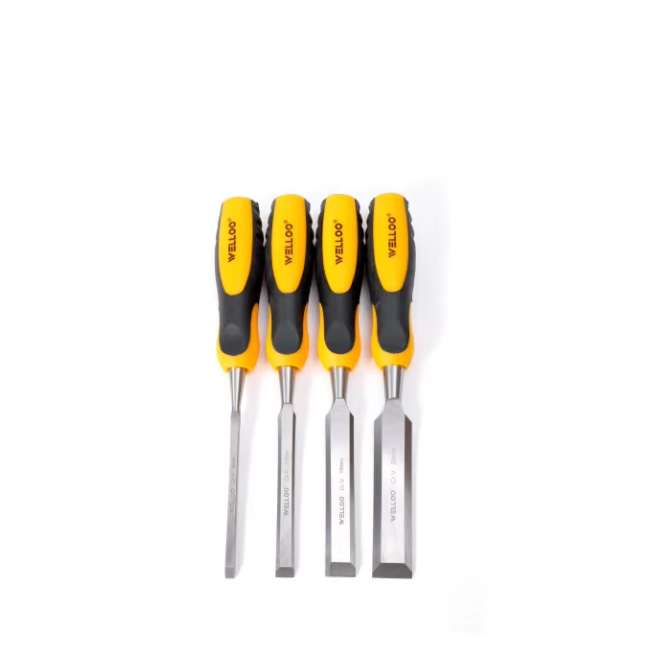
Global manufacturing hubs offer diverse opportunities for chisel procurement, with each region presenting unique advantages in terms of production capacity, material sourcing, and pricing structures. Understanding these regional strengths enables procurement managers to make informed decisions that align with their specific requirements for chisel quality, delivery timelines, and budget constraints. The modern chisel manufacturing landscape has evolved significantly, incorporating advanced metallurgy techniques and precision engineering processes that enhance tool performance and durability.
Understanding Global Chisel Manufacturing Markets
Asian Manufacturing Powerhouses
China dominates the global chisel manufacturing sector, offering extensive production capabilities and competitive pricing structures that make it attractive for bulk purchasing initiatives. Chinese manufacturers have invested heavily in modern production facilities, quality control systems, and advanced heat treatment technologies that ensure consistent chisel performance across large production runs. The country's well-established supply chains for raw materials, including high-carbon steel and specialized alloys, contribute to cost-effective chisel production at scale.
Japanese chisel manufacturers represent the premium segment of the market, focusing on traditional craftsmanship combined with modern precision engineering techniques. These manufacturers often specialize in producing high-end chisels with superior steel quality and meticulous attention to detail, making them ideal partners for bulk orders requiring exceptional quality standards. The Japanese approach to chisel manufacturing emphasizes long-term durability and precise cutting performance, characteristics that justify premium pricing in professional markets.
Taiwan and South Korea have emerged as significant players in the chisel manufacturing industry, offering balanced approaches that combine competitive pricing with reliable quality standards. These manufacturers often serve as preferred partners for medium-volume bulk orders, providing flexibility in customization options while maintaining consistent production schedules and quality control protocols.
European Manufacturing Excellence
German chisel manufacturers maintain their reputation for engineering excellence and precision manufacturing, making them preferred partners for specialized applications requiring superior quality standards. German companies typically focus on high-performance chisels designed for demanding professional applications, incorporating advanced materials and innovative design features that enhance user experience and tool longevity. The emphasis on quality over quantity makes German manufacturers suitable partners for premium bulk purchasing programs.
Italian manufacturers bring centuries of craftsmanship tradition to modern chisel production, offering unique designs and superior finishing techniques that appeal to discerning professionals. These manufacturers often specialize in artisan-quality chisels that combine traditional forging methods with contemporary materials and quality control standards, creating products that serve both functional and aesthetic requirements.
United Kingdom manufacturers focus on specialized chisel applications, particularly those designed for restoration work and traditional woodworking techniques. British manufacturers often maintain smaller production volumes but offer exceptional customization capabilities and personalized service that can be valuable for specific bulk purchasing requirements.
Strategic Negotiation Approaches for Bulk Chisel Orders
Volume-Based Pricing Strategies
Establishing clear volume commitments forms the foundation of successful chisel bulk purchasing negotiations, as manufacturers typically offer significant discounts for guaranteed order quantities. Most chisel manufacturers structure their pricing tiers based on annual volume commitments, with substantial savings available for orders exceeding specific thresholds. The key to effective negotiation lies in accurately forecasting chisel requirements and communicating realistic volume projections that demonstrate genuine commitment to long-term partnerships.
Progressive pricing structures can benefit both buyers and manufacturers by providing flexibility while ensuring competitive rates for chisel procurement. These arrangements typically feature declining per-unit costs as order volumes increase, creating incentives for buyers to consolidate purchases and optimize their procurement strategies. Understanding the manufacturer's production capacity and cost structure enables more effective negotiation of volume-based pricing that reflects true value creation for both parties.
Multi-year contracts often unlock the most favorable chisel pricing, as manufacturers can better plan production schedules and material procurement when working with predictable demand patterns. These longer-term arrangements also provide opportunities for collaborative product development, quality improvements, and supply chain optimization that benefit both procurement organizations and manufacturing partners.
Quality Specification and Testing Protocols
Establishing comprehensive quality standards for bulk chisel orders requires detailed specifications covering material composition, heat treatment processes, dimensional tolerances, and performance characteristics. Professional procurement managers must clearly communicate their quality expectations while understanding the manufacturer's capabilities and limitations in meeting specific requirements. This alignment ensures that bulk orders meet intended applications while maintaining cost-effectiveness throughout the procurement process.
Pre-production sampling protocols provide essential validation of chisel quality before committing to large-volume orders, allowing buyers to evaluate actual products against established specifications. These samples should undergo comprehensive testing including hardness verification, edge retention assessment, and durability evaluation under simulated working conditions. The sampling process also provides opportunities to refine specifications and address any concerns before full-scale production begins.
Ongoing quality monitoring throughout production runs ensures consistent chisel performance and helps identify potential issues before they impact large quantities. Regular quality audits, statistical process control implementation, and collaborative problem-solving approaches contribute to successful bulk purchasing relationships that deliver reliable results over time.
Supply Chain Optimization for Chisel Procurement
Logistics and Delivery Management
Efficient logistics planning plays a crucial role in successful bulk chisel procurement, requiring careful coordination of production schedules, shipping arrangements, and inventory management systems. Professional buyers must consider lead times, seasonal demand patterns, and storage requirements when planning large-volume chisel orders. The geographic distance between manufacturing locations and end-use destinations significantly impacts total procurement costs and delivery timelines.
Container optimization strategies can substantially reduce per-unit shipping costs for bulk chisel orders, particularly when working with overseas manufacturers. Understanding container loading requirements, weight distributions, and packaging specifications enables more efficient transportation arrangements that maximize value for large-volume purchases. Collaborative planning with manufacturers can identify opportunities for improved packaging designs that enhance protection while optimizing shipping efficiency.
Just-in-time delivery arrangements require careful coordination between chisel manufacturers and procurement organizations to minimize inventory carrying costs while ensuring adequate supply availability. These arrangements work best when supported by reliable demand forecasting, flexible production capabilities, and established communication protocols that enable rapid response to changing requirements.
Risk Management and Contingency Planning
Diversifying supplier relationships reduces dependency risks associated with single-source chisel procurement, particularly important for organizations with critical supply requirements. Maintaining relationships with multiple qualified manufacturers provides options for addressing production disruptions, quality issues, or capacity constraints that might impact bulk orders. This diversification strategy requires ongoing relationship management and periodic supplier evaluation to ensure continued capabilities and competitiveness.
Financial risk mitigation through appropriate payment terms and performance guarantees protects bulk purchasers while supporting manufacturer cash flow requirements. Progressive payment schedules tied to production milestones and quality acceptance provide balanced approaches that accommodate both parties' financial needs while maintaining appropriate risk allocation throughout the procurement process.
Currency hedging strategies become important considerations for international chisel procurement, particularly for multi-year contracts or large-volume orders with extended delivery schedules. Understanding exchange rate impacts and implementing appropriate hedging instruments can protect against unfavorable currency movements that might otherwise erode negotiated savings from bulk purchasing arrangements.
Technology Integration and Digital Procurement Platforms
Digital Communication and Collaboration Tools
Modern procurement professionals leverage digital communication platforms to enhance collaboration with global chisel manufacturers, enabling more efficient information exchange and project coordination. Video conferencing capabilities allow face-to-face interactions despite geographic distances, facilitating better understanding of requirements and building stronger business relationships. Digital document sharing platforms ensure that technical specifications, quality standards, and contractual terms are clearly communicated and properly documented throughout the procurement process.
Cloud-based project management systems provide centralized platforms for tracking chisel procurement activities, monitoring production progress, and managing quality control processes. These systems enable real-time visibility into order status, delivery schedules, and potential issues that might impact bulk purchasing timelines. The ability to share access with manufacturing partners creates transparency and accountability that strengthens collaborative relationships.
Electronic data interchange capabilities streamline routine communications and transactions between procurement organizations and chisel manufacturers, reducing administrative overhead while improving accuracy and response times. These automated systems handle routine activities such as order confirmations, shipping notifications, and invoice processing, allowing procurement professionals to focus on strategic relationship management and value creation activities.
Quality Monitoring and Performance Analytics
Advanced quality monitoring systems provide real-time visibility into chisel production processes, enabling proactive identification and resolution of potential quality issues before they impact large-volume orders. Statistical process control implementation combined with digital data collection creates comprehensive quality databases that support continuous improvement initiatives. These systems help identify trends, patterns, and opportunities for optimization that benefit both procurement organizations and manufacturing partners.
Performance analytics platforms aggregate data from multiple sources to provide comprehensive insights into supplier performance, market trends, and procurement effectiveness. These systems track key performance indicators including delivery performance, quality metrics, cost trends, and customer satisfaction measures. The analytical capabilities support data-driven decision making and help identify opportunities for improving bulk chisel procurement strategies.
Predictive analytics applications help forecast chisel demand patterns, optimize inventory levels, and anticipate potential supply chain disruptions before they occur. Machine learning algorithms analyze historical data, market conditions, and external factors to generate insights that support more effective procurement planning and risk management strategies.
Building Long-term Strategic Partnerships
Relationship Development and Trust Building
Successful bulk chisel procurement extends beyond transactional relationships to encompass strategic partnerships that create mutual value for both buyers and manufacturers. Building these relationships requires consistent communication, shared goal alignment, and collaborative problem-solving approaches that demonstrate commitment to long-term success. Trust development occurs through reliable performance, transparent communication, and mutual respect for each party's business requirements and constraints.
Regular business reviews provide opportunities to assess partnership performance, identify improvement opportunities, and align future strategies for chisel procurement and manufacturing. These structured discussions should cover performance metrics, market developments, technology advances, and strategic initiatives that might impact the partnership. The collaborative approach to business planning strengthens relationships while ensuring continued alignment of interests and objectives.
Joint investment in improvement initiatives demonstrates commitment to partnership success while creating shared benefits for both organizations. These investments might include technology upgrades, process improvements, quality enhancements, or capability expansions that support more effective chisel production and procurement. The shared investment approach aligns incentives and creates barriers to competitive displacement that strengthen long-term relationships.
Innovation and Product Development Collaboration
Collaborative product development initiatives enable procurement organizations to influence chisel design and manufacturing processes to better meet specific application requirements. These partnerships leverage the manufacturer's technical expertise and production capabilities while incorporating the buyer's market knowledge and user feedback. The collaborative approach often results in improved products that provide competitive advantages for both parties in their respective markets.
Technology sharing arrangements can accelerate innovation and improve chisel performance while strengthening strategic partnerships between buyers and manufacturers. These arrangements might include sharing market research, application data, user feedback, or technical specifications that inform product development decisions. The mutual exchange of information creates value for both parties while supporting continuous improvement and innovation initiatives.
Joint market development activities help expand opportunities for both chisel manufacturers and procurement organizations by identifying new applications, market segments, or geographic territories. These collaborative efforts leverage complementary capabilities and resources to create market opportunities that might not be accessible to individual organizations. The shared approach to market development strengthens partnerships while creating growth opportunities for all participants.
FAQ
What minimum order quantities do global chisel manufacturers typically require for bulk pricing
Most global chisel manufacturers establish minimum order quantities ranging from 500 to 5,000 units depending on the specific product types and customization requirements. Standard chisel models often have lower minimum quantities, while specialized or custom designs typically require higher volume commitments to justify setup costs and tooling investments. Asian manufacturers generally offer more flexible minimum quantities compared to European manufacturers who may focus on higher-value, lower-volume arrangements.
How can buyers verify the quality standards of international chisel manufacturers
Quality verification requires a multi-step approach including factory audits, material certifications, pre-production samples, and ongoing quality monitoring throughout production runs. Professional buyers should request documentation of quality management systems, material sourcing procedures, and testing protocols used by potential chisel manufacturing partners. Third-party inspection services and quality certification programs provide additional validation of manufacturer capabilities and quality standards.
What payment terms are typically negotiable for large volume chisel orders
Payment terms for bulk chisel orders commonly include progressive payment schedules tied to production milestones, with typical arrangements involving 30% deposit, 60% upon production completion, and 10% upon delivery acceptance. Established relationships and larger order volumes often enable more favorable terms including extended payment periods or reduced deposit requirements. Letters of credit and trade finance instruments provide security for international transactions while supporting cash flow requirements for both parties.
How do seasonal demand patterns affect chisel bulk purchasing strategies
Seasonal demand variations in construction and woodworking industries create opportunities for strategic timing of bulk chisel purchases, with manufacturers often offering better pricing during slower periods. Understanding these cyclical patterns enables procurement professionals to optimize order timing and take advantage of capacity availability when manufacturers seek to maintain production levels. Forward planning and flexible delivery schedules can maximize these seasonal advantages while ensuring adequate inventory during peak demand periods.
Table of Contents
- Understanding Global Chisel Manufacturing Markets
- Strategic Negotiation Approaches for Bulk Chisel Orders
- Supply Chain Optimization for Chisel Procurement
- Technology Integration and Digital Procurement Platforms
- Building Long-term Strategic Partnerships
-
FAQ
- What minimum order quantities do global chisel manufacturers typically require for bulk pricing
- How can buyers verify the quality standards of international chisel manufacturers
- What payment terms are typically negotiable for large volume chisel orders
- How do seasonal demand patterns affect chisel bulk purchasing strategies