 EN
EN


Construction equipment distributors face increasing demand for specialized tools that deliver precision, durability, and efficiency across diverse project requirements. Among the most essential tools in any professional toolkit, the chisel stands as a fundamental instrument that bridges traditional craftsmanship with modern construction needs. Whether serving contractors working on historical restoration projects or contemporary builders requiring precise material removal, understanding the nuances of professional chisels becomes crucial for distributors aiming to meet evolving market demands. The construction industry's shift toward specialized applications has created opportunities for distributors who can provide comprehensive guidance on tool selection, application techniques, and maintenance protocols that maximize tool performance and customer satisfaction.
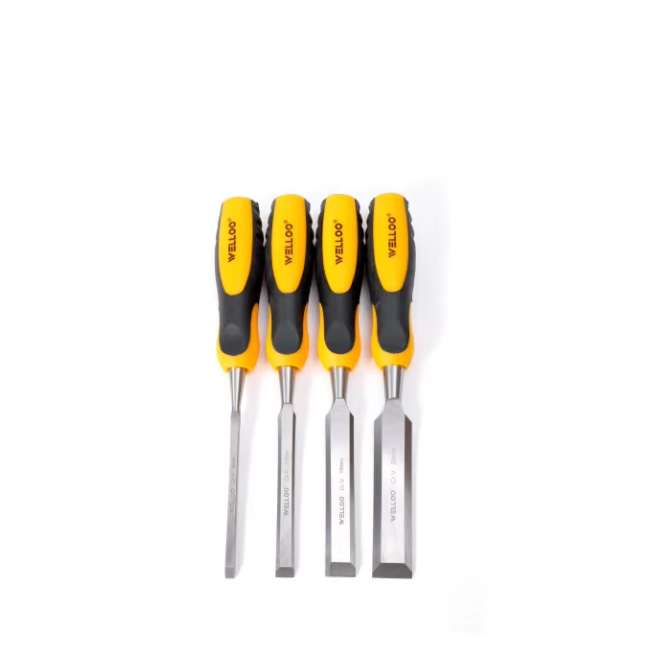
Understanding Professional Chisel Categories and Applications
Masonry Chisel Fundamentals
Professional masonry work demands precision tools designed to handle the unique challenges of stone, brick, and concrete manipulation. The masonry chisel represents the cornerstone of this specialized toolkit, engineered with hardened steel construction that withstands repeated impact while maintaining sharp cutting edges. These tools feature beveled cutting edges specifically angled to facilitate clean material separation without causing unnecessary stress fractures in surrounding areas. Construction professionals rely on masonry chisels for tasks ranging from precise stone shaping to mortar removal during restoration projects.
The geometric design of masonry chisels incorporates specific angles that optimize force distribution during impact operations. Professional-grade models feature tempered steel construction that resists deformation under heavy use while maintaining edge retention properties essential for consistent performance. Distributors should understand that different masonry applications require varying chisel widths, with narrow versions suited for detail work and broader models designed for efficient material removal across larger surface areas.
Wood Working Chisel Specifications
Wood working applications demand chisels engineered with different metallurgical properties compared to masonry tools, emphasizing edge sharpness and precision control over impact resistance. Professional wood chisels feature high-carbon steel construction that achieves superior edge retention while allowing for precise material removal through controlled cutting actions. The chisel handles typically incorporate ergonomic designs that reduce user fatigue during extended operations while providing precise control over cutting depth and direction.
Contemporary wood working chisel sets offer multiple width options within single packages, allowing craftsmen to address various project requirements without maintaining extensive individual tool inventories. These comprehensive sets typically include narrow detail chisels for intricate work alongside broader models suitable for efficient material removal during rough shaping operations. Professional distributors recognize that wood working chisels require different maintenance protocols compared to masonry tools, emphasizing regular sharpening and proper storage to prevent edge degradation.
Material Engineering and Construction Standards
Steel Composition and Heat Treatment
Professional chisel construction begins with carefully selected steel alloys that balance hardness, toughness, and edge retention characteristics essential for sustained performance under demanding conditions. High-carbon steel compositions typically range from 0.8 to 1.2 percent carbon content, providing the foundation for achieving optimal hardness levels through controlled heat treatment processes. The tempering process creates a crystalline structure that maintains cutting edge integrity while preventing brittleness that could lead to tool failure during heavy use.
Modern manufacturing techniques incorporate differential hardening processes that create varying hardness zones within individual chisel construction. The cutting edge receives maximum hardness treatment to ensure long-lasting sharpness, while the tang area maintains greater toughness to withstand impact forces without fracturing. This sophisticated approach to metallurgy ensures that each chisel delivers consistent performance across its intended application range while minimizing the risk of premature failure under normal operating conditions.
Handle Design and Ergonomic Considerations
Professional chisel handles represent critical components that directly influence user comfort, control precision, and overall tool performance during extended operations. Traditional hardwood handles offer natural shock absorption properties that reduce user fatigue while providing secure grip surfaces that remain stable under various environmental conditions. Contemporary designs often incorporate synthetic materials that combine durability with enhanced ergonomic features designed to reduce repetitive stress injuries common in professional applications.
The connection between chisel blade and handle requires precise engineering to ensure reliable force transmission without compromising tool integrity during heavy use. Professional-grade models feature reinforced tang construction that extends deep into handle materials, distributing impact forces across broader areas to prevent separation failures. Distributors should emphasize the importance of proper handle sizing that matches user hand dimensions for optimal comfort and control during precision operations.
Application Techniques and Best Practices
Proper Striking Techniques
Effective chisel operation requires understanding proper striking techniques that maximize cutting efficiency while minimizing tool wear and user fatigue. Professional applications demand controlled hammer strikes that deliver consistent force directly along the chisel axis, avoiding angular impacts that can cause edge chipping or handle damage. The selection of appropriate striking tools becomes crucial, with dead-blow hammers often preferred for their ability to deliver maximum force transfer without excessive rebound.
Experienced craftsmen develop rhythmic striking patterns that maintain consistent cutting depth while allowing for precise directional control throughout material removal operations. This systematic approach reduces the likelihood of overdriving cuts that can damage surrounding materials or create irregular surface finishes. Training programs should emphasize the importance of maintaining proper body positioning that aligns striking force with chisel orientation for optimal results.
Safety Protocols and Protection Equipment
Professional chisel operations require comprehensive safety protocols that protect users from flying debris, repetitive stress injuries, and accidental cuts during material handling. Eye protection represents the most critical safety consideration, as chisel work frequently generates high-velocity particles that can cause serious injury. Professional-grade safety glasses with side shields provide essential protection while maintaining clear visibility necessary for precision work.
Hand and arm protection becomes equally important during extended chisel operations, with cut-resistant gloves offering protection against accidental blade contact while maintaining the tactile sensitivity needed for precise control. Proper clothing selection should emphasize close-fitting garments that prevent entanglement hazards while providing adequate coverage against debris exposure. Work area preparation should include adequate ventilation systems when working with materials that generate potentially harmful dust particles.
Maintenance and Sharpening Protocols
Edge Maintenance Techniques
Maintaining optimal chisel performance requires systematic sharpening protocols that preserve proper edge geometry while removing wear damage accumulated during normal use. Professional sharpening begins with assessment of existing edge condition to determine appropriate restoration techniques, ranging from light honing for minor dulling to complete edge reformation for damaged tools. The sharpening process must maintain original bevel angles that optimize cutting performance for specific application requirements.
Water stone systems provide controlled material removal rates that allow precise edge restoration without excessive heat generation that could compromise steel temper. Progressive grit sequences typically begin with coarser stones for initial edge establishment before moving to finer grits for final polishing operations. Professional sharpening techniques emphasize consistent angle maintenance throughout the process to ensure uniform edge geometry that delivers predictable cutting performance.
Storage and Environmental Protection
Proper chisel storage practices significantly influence tool longevity and performance consistency by protecting cutting edges from damage while preventing corrosion that can compromise steel integrity. Professional storage systems incorporate individual edge guards that prevent contact damage during transport and storage while allowing easy access for routine use. Climate-controlled storage environments help minimize moisture exposure that contributes to corrosion development on exposed steel surfaces.
Periodic maintenance schedules should include thorough cleaning procedures that remove accumulated debris and moisture before applying protective coatings that prevent corrosion formation. Light oil applications provide effective corrosion protection while avoiding heavy residues that can attract dirt and debris during subsequent use. Professional tool rooms often implement inventory rotation systems that ensure regular use patterns prevent extended storage periods that could contribute to deterioration.
Market Trends and Distribution Opportunities
Professional Market Demand Patterns
Current construction industry trends indicate growing demand for specialized chisel applications driven by increased focus on restoration projects and precision craftsmanship requirements. Professional contractors increasingly seek tools that offer superior performance characteristics justified by enhanced productivity and reduced replacement frequencies. This market evolution creates opportunities for distributors who can provide comprehensive technical support alongside high-quality tool offerings.
The emergence of specialized construction techniques has created niche markets for chisels designed for specific applications, including decorative stonework, precision joinery, and restoration projects requiring historically accurate methods. Distributors can capitalize on these trends by developing expertise in application-specific tool selection while building relationships with specialized contractors who value technical knowledge alongside product availability.
Technology Integration and Innovation
Modern chisel development incorporates advanced materials and manufacturing techniques that enhance traditional designs with improved performance characteristics. Composite handle materials offer enhanced durability and ergonomic properties while advanced steel alloys provide superior edge retention and impact resistance. These technological advances create differentiation opportunities for distributors seeking to offer premium tool options that justify higher price points through enhanced performance.
Digital marketing strategies enable distributors to reach specialized contractor markets through targeted content that demonstrates technical expertise and application knowledge. Professional demonstrations and training programs help establish distributor credibility while building long-term customer relationships based on technical support rather than simple product transactions. This approach creates sustainable competitive advantages in markets increasingly dominated by online commodity sales.
FAQ
What factors should distributors consider when selecting chisel inventory for professional markets
Professional chisel selection requires balancing quality specifications with market demand patterns to optimize inventory investment returns. Distributors should prioritize tools that meet professional performance standards while offering sufficient variety to address diverse application requirements. Key considerations include steel quality certifications, manufacturing reputation, warranty coverage, and technical support availability. Market research should identify predominant local applications to ensure inventory alignment with customer needs while maintaining sufficient breadth to capture specialty project opportunities.
How do maintenance requirements differ between various chisel types
Maintenance protocols vary significantly based on chisel application and construction materials, requiring distributors to provide comprehensive guidance for optimal tool performance. Masonry chisels typically require less frequent sharpening but demand careful inspection for stress cracks that could indicate impending failure. Wood working chisels need regular edge maintenance to preserve cutting precision while requiring protection against moisture exposure that can cause handle degradation. Professional users benefit from systematic maintenance schedules tailored to specific tool types and usage patterns.
What safety training should distributors recommend for professional chisel users
Comprehensive safety training encompasses proper striking techniques, personal protective equipment selection, and work area preparation protocols essential for injury prevention during professional operations. Users should understand force application principles that minimize tool wear while maximizing cutting efficiency. Training programs should emphasize debris containment methods, proper ventilation requirements, and emergency response procedures for various accident scenarios. Distributors can enhance customer relationships by facilitating access to professional training resources that improve workplace safety standards.
How can distributors differentiate premium chisel offerings in competitive markets
Market differentiation requires emphasis on technical specifications, performance advantages, and comprehensive support services that justify premium pricing over commodity alternatives. Distributors should develop expertise in application-specific requirements that enable consultative selling approaches focused on total cost of ownership rather than initial purchase price. Value-added services such as custom sharpening, technical training, and application consulting create competitive advantages that resist price-based competition while building long-term customer loyalty through enhanced service relationships.
Table of Contents
- Understanding Professional Chisel Categories and Applications
- Material Engineering and Construction Standards
- Application Techniques and Best Practices
- Maintenance and Sharpening Protocols
- Market Trends and Distribution Opportunities
-
FAQ
- What factors should distributors consider when selecting chisel inventory for professional markets
- How do maintenance requirements differ between various chisel types
- What safety training should distributors recommend for professional chisel users
- How can distributors differentiate premium chisel offerings in competitive markets