 EN
EN


Global sourcing has transformed the way businesses acquire essential tools and equipment, particularly when it comes to specialized instruments like wire cutters. The modern industrial landscape demands precision, reliability, and cost-effectiveness in every procurement decision. For companies seeking to establish reliable supply chains while maintaining quality standards, understanding how to properly vet wholesale wire cutter manufacturers becomes a critical competency. This comprehensive approach ensures that businesses can secure high-quality cutting tools while optimizing their operational costs and maintaining consistent product availability.
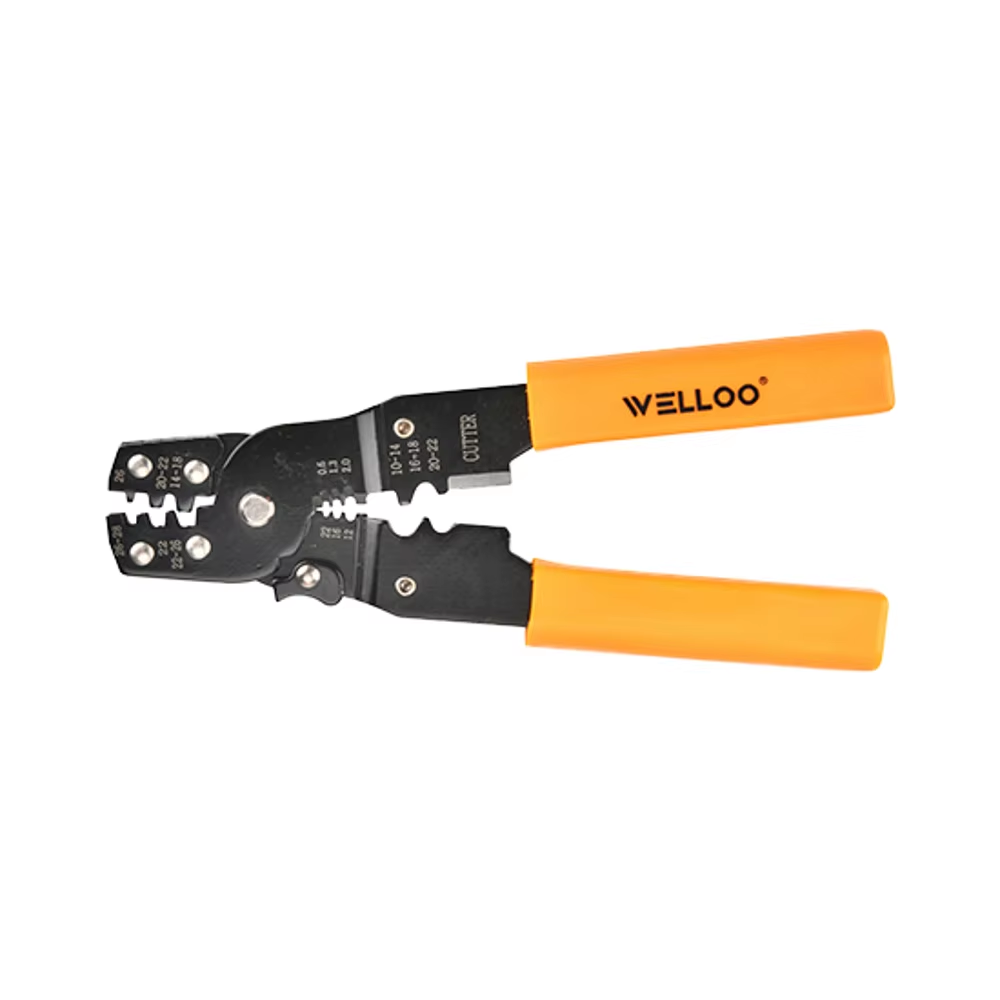
The global wire cutter manufacturing industry spans multiple continents, with distinct advantages and considerations for each region. European manufacturers often excel in precision engineering and advanced materials, while Asian producers typically offer competitive pricing and scalable production capabilities. North American suppliers frequently provide superior customer service and faster delivery times for regional markets. Understanding these regional strengths allows procurement professionals to make informed decisions about which manufacturers align best with their specific requirements and business objectives.
Manufacturing Quality Assessment Framework
Production Facility Evaluation Standards
A thorough manufacturing facility evaluation forms the foundation of successful wire cutter sourcing. Professional assessment begins with examining the physical infrastructure, including production line organization, equipment maintenance standards, and overall facility cleanliness. Modern wire cutter manufacturing requires specialized machinery for forging, heat treatment, and precision grinding operations. Manufacturers should demonstrate proper equipment calibration procedures and regular maintenance schedules to ensure consistent product quality throughout production runs.
Quality control systems within manufacturing facilities require careful scrutiny during the vetting process. Established manufacturers implement multi-stage inspection protocols, including incoming material verification, in-process quality checks, and final product testing. These systems should include both automated testing equipment and skilled human inspectors capable of identifying subtle defects that could compromise wire cutter performance. Documentation of quality control procedures and historical quality metrics provides valuable insights into manufacturer reliability and consistency.
Certification and Compliance Verification
International certifications serve as reliable indicators of manufacturing competency and quality commitment. ISO 9001 certification demonstrates systematic quality management implementation, while industry-specific certifications like ISO 14001 for environmental management reflect broader operational excellence. Wire cutter manufacturers serving professional markets often maintain additional certifications relevant to their target industries, such as automotive or aerospace quality standards. Verification of these certifications should include confirmation of current validity and scope of coverage.
Regulatory compliance extends beyond quality certifications to encompass safety standards, environmental regulations, and export documentation requirements. Manufacturers must demonstrate familiarity with destination country requirements, including product marking standards, safety documentation, and customs procedures. This compliance knowledge directly impacts delivery reliability and helps avoid costly delays or rejections at international borders. Regular audits of compliance documentation ensure ongoing adherence to evolving regulatory landscapes.
Technical Specifications and Performance Standards
Material Quality and Durability Testing
Wire cutter performance depends fundamentally on material selection and heat treatment processes. High-quality manufacturers utilize premium tool steels with appropriate carbon content and alloy compositions to achieve optimal hardness and toughness balance. The heat treatment process, including quenching and tempering parameters, directly influences cutting edge retention and overall tool longevity. Manufacturers should provide detailed material specifications and demonstrate their ability to achieve consistent metallurgical properties across production batches.
Durability testing protocols reveal manufacturer commitment to long-term performance standards. Comprehensive testing includes cutting force measurements, edge retention evaluations, and fatigue testing under simulated operational conditions. Advanced manufacturers employ standardized testing procedures that correlate with real-world usage patterns. These test results should be documented and available for review during the vetting process, providing quantitative evidence of wire cutter performance capabilities.
Precision Manufacturing Capabilities
Modern wire cutter applications demand precise tolerances and consistent manufacturing quality. Evaluation of precision capabilities requires examination of measurement equipment, calibration procedures, and statistical process control implementation. Manufacturers should demonstrate their ability to maintain tight dimensional tolerances while achieving smooth cutting actions and proper jaw alignment. Advanced coordinate measuring machines and automated inspection systems indicate serious commitment to precision manufacturing standards.
Surface finish quality directly impacts both performance and user experience with wire cutters. Professional-grade tools require consistent surface treatments that enhance durability while providing appropriate grip characteristics. Manufacturers should demonstrate mastery of various surface finishing techniques, including proper deburring, polishing, and coating application procedures. The consistency of surface finishes across production runs reflects overall manufacturing control and attention to detail.
Supply Chain Management and Logistics Capabilities
Production Capacity and Scalability Assessment
Understanding manufacturer production capacity ensures alignment between supply capabilities and procurement requirements. Evaluation should encompass current production volumes, available expansion capacity, and seasonal demand management strategies. Manufacturers with diversified production lines may offer better stability and flexibility compared to those dependent on single product categories. Assessment of production planning systems reveals the manufacturer's ability to accommodate varying order volumes and delivery schedules.
Scalability considerations become crucial for growing businesses or those experiencing seasonal demand variations. Manufacturers should demonstrate their ability to increase production capacity through equipment additions, workforce expansion, or extended operating schedules. Historical evidence of successful capacity scaling provides confidence in the manufacturer's ability to support business growth. Additionally, understanding the lead times required for capacity increases helps in long-term planning and relationship management.
Inventory Management and Delivery Reliability
Effective inventory management systems ensure consistent product availability while minimizing carrying costs. Professional wire cutter manufacturers implement sophisticated inventory tracking systems that provide real-time visibility into raw material availability, work-in-process status, and finished goods inventory levels. These systems should integrate with production planning tools to optimize manufacturing schedules and delivery commitments. Transparency in inventory reporting builds trust and enables better collaborative planning between manufacturers and customers.
Delivery reliability encompasses both timing accuracy and product condition upon receipt. Evaluation should include historical on-time delivery performance, packaging quality standards, and damage rates during transportation. Manufacturers with established logistics partnerships often provide superior delivery reliability through optimized shipping routes and professional handling procedures. Documentation of delivery performance metrics over extended periods provides valuable insights into manufacturer reliability and customer service commitment.
Financial Stability and Business Relationship Management
Financial Health Evaluation Methods
Assessing manufacturer financial stability protects against supply disruptions and ensures long-term partnership viability. Financial evaluation should include review of audited financial statements, credit ratings, and payment history with suppliers and customers. Stable manufacturers typically maintain healthy cash flows, reasonable debt levels, and consistent profitability. Third-party credit reports and industry references provide additional perspectives on financial reliability and business practices.
Investment in research and development indicates manufacturer commitment to innovation and market competitiveness. Companies that consistently allocate resources to product development and process improvement demonstrate forward-thinking approaches that benefit long-term partnerships. Evaluation of recent product innovations, patent filings, and technology investments reveals the manufacturer's strategic direction and capability for future collaboration on specialized wire cutter applications.
Communication and Customer Service Standards
Effective communication forms the backbone of successful manufacturer relationships. Assessment should evaluate responsiveness to inquiries, clarity of technical communication, and availability of multilingual support when necessary. Professional manufacturers maintain dedicated customer service teams with technical expertise relevant to wire cutter applications. Regular communication protocols, including progress reports and proactive issue notification, demonstrate commitment to customer satisfaction and relationship management.
Technical support capabilities extend beyond basic customer service to encompass application assistance, troubleshooting guidance, and product customization discussions. Manufacturers with strong technical support teams can provide valuable assistance in optimizing wire cutter selection for specific applications. This support becomes particularly important when dealing with specialized requirements or integrating wire cutters into automated production systems. Documentation of technical support capabilities and customer testimonials provides insights into the manufacturer's commitment to ongoing customer success.
Risk Management and Contingency Planning
Supply Chain Risk Mitigation Strategies
Comprehensive risk assessment identifies potential vulnerabilities in manufacturer supply chains and operational processes. Evaluation should encompass raw material sourcing diversity, geographical risk factors, and dependency on critical suppliers or technologies. Manufacturers with diversified supply bases and multiple production locations offer greater resilience against disruptions. Understanding backup suppliers and alternative sourcing strategies provides confidence in continued wire cutter availability during challenging circumstances.
Business continuity planning demonstrates manufacturer preparedness for various disruption scenarios. Professional manufacturers maintain documented contingency plans covering natural disasters, equipment failures, and supply chain interruptions. These plans should include alternative production arrangements, emergency communication protocols, and customer notification procedures. Regular testing and updating of continuity plans reflects serious commitment to maintaining customer service levels during adverse conditions.
Quality Assurance and Defect Management
Robust quality assurance systems minimize the risk of defective wire cutter shipments while ensuring consistent performance standards. Evaluation should include examination of incoming inspection procedures, statistical process control implementation, and final product testing protocols. Advanced manufacturers employ both automated testing equipment and skilled human inspectors to identify potential quality issues before shipment. Documentation of quality metrics and trend analysis demonstrates commitment to continuous improvement.
Defect management procedures reveal manufacturer responsiveness to quality issues and commitment to customer satisfaction. Professional manufacturers maintain clear protocols for handling customer complaints, conducting root cause analyses, and implementing corrective actions. These procedures should include provisions for product recalls, replacement shipments, and process improvements to prevent recurrence. Transparency in defect reporting and resolution demonstrates manufacturer integrity and commitment to long-term customer relationships.
Technology Integration and Innovation Capabilities
Manufacturing Technology Assessment
Modern wire cutter manufacturing increasingly relies on advanced technologies to achieve superior quality and efficiency. Assessment should evaluate the manufacturer's adoption of computer-controlled machinery, automated quality inspection systems, and integrated production management software. These technologies enable consistent quality while reducing manufacturing costs and lead times. Manufacturers investing in advanced technologies often provide better long-term value through improved products and competitive pricing.
Digital integration capabilities impact both manufacturing efficiency and customer service quality. Manufacturers with integrated enterprise resource planning systems can provide real-time order status updates, accurate delivery commitments, and detailed product traceability. These capabilities become increasingly important as businesses demand greater supply chain visibility and faster response times. Assessment of digital capabilities should include evaluation of customer portal functionality and electronic data interchange capabilities.
Innovation and Product Development
Innovation capabilities determine manufacturer potential for developing specialized wire cutter solutions and adapting to evolving market requirements. Evaluation should encompass research and development investments, engineering staff qualifications, and recent product innovations. Manufacturers with strong innovation capabilities can provide valuable partnership opportunities for developing custom solutions or improving existing products. Patent portfolios and industry recognition provide evidence of innovation leadership and technical expertise.
Collaborative development approaches enable manufacturers to work closely with customers on specialized wire cutter applications. Professional manufacturers maintain dedicated engineering teams capable of understanding customer requirements and translating them into viable product solutions. This collaboration extends beyond initial product development to encompass ongoing optimization and performance enhancement. Assessment of collaborative capabilities should include review of previous custom projects and customer testimonials regarding development partnerships.
FAQ
What are the most important certifications to look for in wire cutter manufacturers
The most critical certifications include ISO 9001 for quality management systems, which demonstrates systematic quality control implementation. Industry-specific certifications such as automotive or aerospace standards indicate specialized expertise. Environmental certifications like ISO 14001 reflect responsible manufacturing practices. Additionally, safety certifications relevant to the target market ensure compliance with local regulations and professional standards.
How can I verify the actual production capacity of a potential wire cutter supplier
Production capacity verification requires on-site facility visits or detailed virtual assessments examining manufacturing equipment, workforce size, and production schedules. Request historical production data and current order backlogs to understand capacity utilization. Evaluate scalability options including overtime capabilities, additional shifts, and equipment expansion possibilities. Third-party audits or customer references can provide independent verification of stated capacity claims.
What financial indicators best predict manufacturer stability for long-term partnerships
Key financial indicators include consistent profitability over multiple years, healthy cash flow generation, and reasonable debt-to-equity ratios. Evaluate working capital management through inventory turnover and accounts receivable collection periods. Investment in research and development indicates commitment to innovation and market competitiveness. Credit ratings from established agencies provide professional assessments of financial stability and risk factors.
How should I evaluate wire cutter quality without extensive testing facilities
Quality evaluation can be accomplished through sample testing programs, third-party inspection services, and detailed manufacturer quality documentation review. Request samples for independent testing or evaluation by qualified personnel. Examine manufacturer quality control procedures, testing equipment, and statistical process control data. Customer references and industry certifications provide additional quality assurance without requiring extensive internal testing capabilities.
Table of Contents
- Manufacturing Quality Assessment Framework
- Technical Specifications and Performance Standards
- Supply Chain Management and Logistics Capabilities
- Financial Stability and Business Relationship Management
- Risk Management and Contingency Planning
- Technology Integration and Innovation Capabilities
-
FAQ
- What are the most important certifications to look for in wire cutter manufacturers
- How can I verify the actual production capacity of a potential wire cutter supplier
- What financial indicators best predict manufacturer stability for long-term partnerships
- How should I evaluate wire cutter quality without extensive testing facilities