 EN
EN

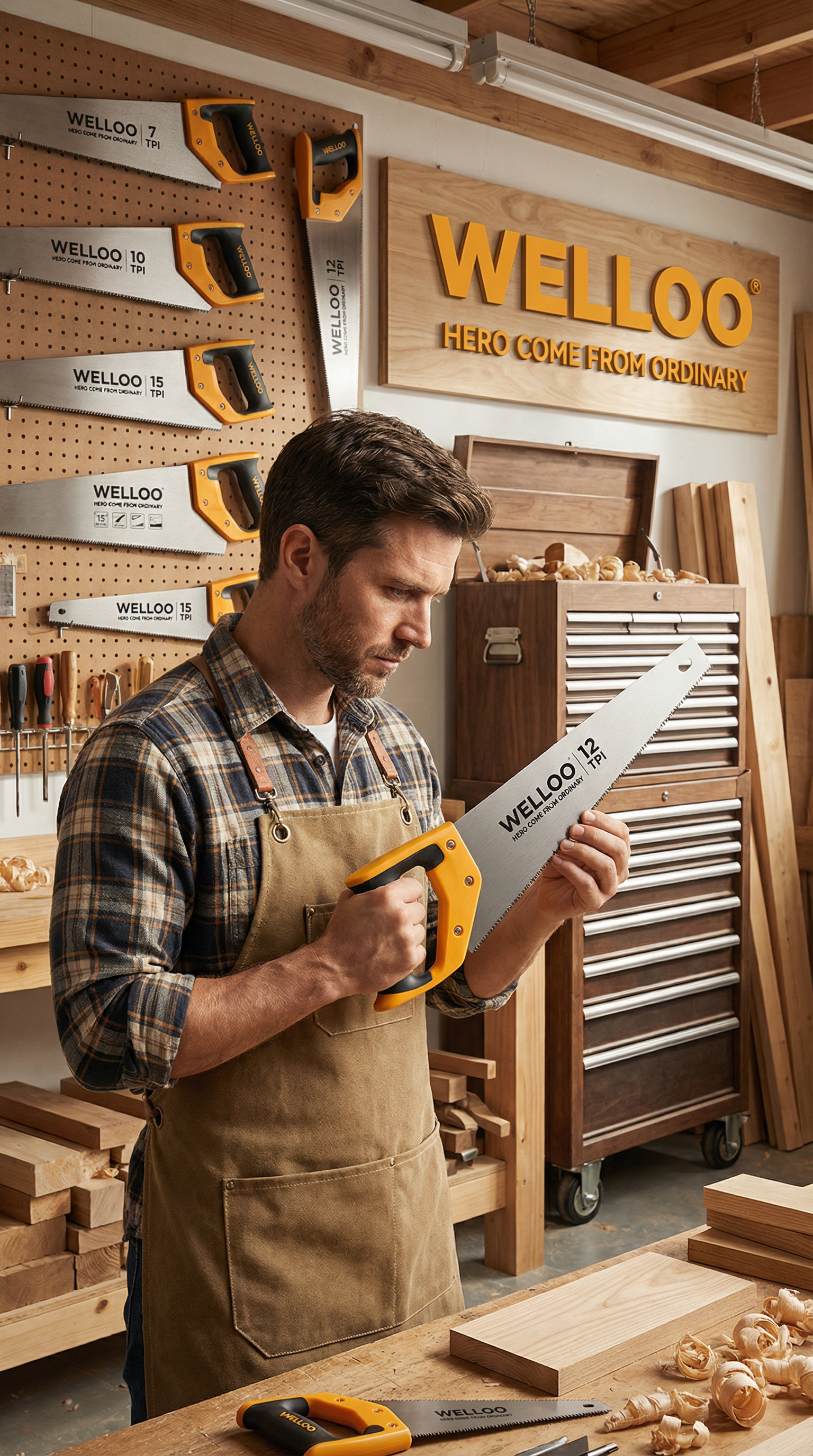
Professional contractors and landscaping businesses understand that the success of any project depends heavily on the quality and precision of their equipment. When sourcing garden tools for commercial operations, the stakes are significantly higher than typical retail purchases. Contractors must evaluate durability, performance consistency, supplier reliability, and cost-effectiveness across large quantities. The process of bulk procurement requires careful consideration of multiple factors that directly impact project timelines, client satisfaction, and overall profitability.
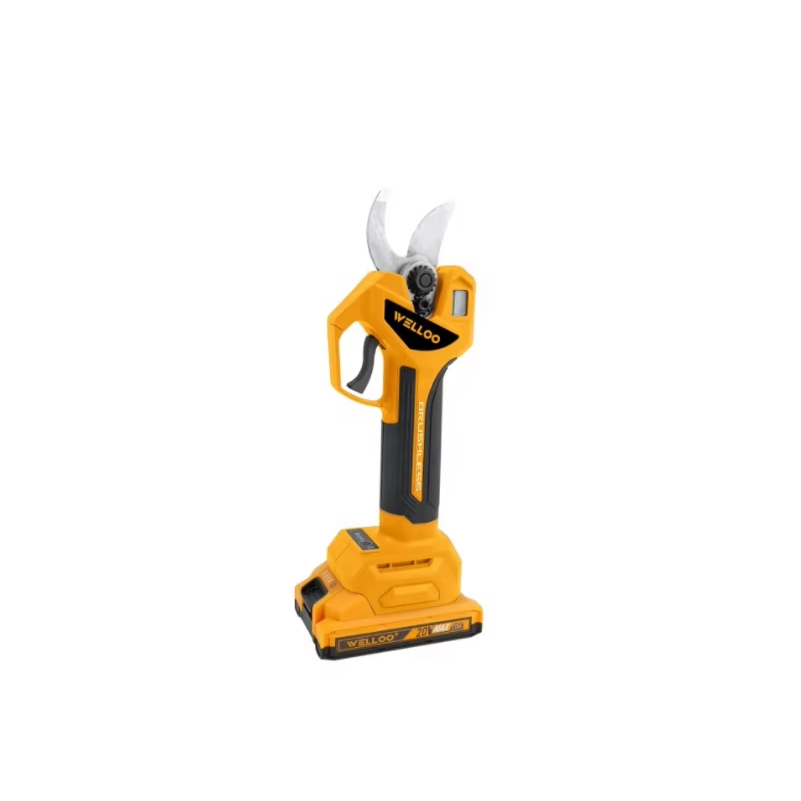
The landscape maintenance industry has evolved dramatically over the past decade, with technological advancements transforming traditional manual processes. Modern garden tools now incorporate sophisticated features such as brushless motors, lithium-ion battery systems, and precision-engineered cutting mechanisms. These innovations have raised the bar for professional-grade equipment, making it essential for contractors to stay current with emerging technologies while maintaining cost control.
Essential Quality Standards for Professional Garden Tools
Material Composition and Manufacturing Standards
The foundation of any reliable garden tool lies in its material composition and manufacturing processes. Professional-grade garden tools must withstand constant use, varying weather conditions, and the demanding nature of commercial landscaping work. High-carbon steel blades, typically incorporating SK5 steel specifications, provide the necessary hardness and edge retention required for precision cutting applications. The manufacturing process should include proper heat treatment, tempering, and quality control measures that ensure consistent performance across production batches.
Contractors should prioritize suppliers who maintain strict quality assurance protocols throughout their manufacturing processes. This includes material traceability, dimensional accuracy testing, and performance validation under real-world conditions. The best garden tools feature components that have been engineered to specific tolerances, ensuring reliable operation and extended service life even under heavy commercial use.
Performance Specifications and Testing Protocols
Performance specifications serve as the benchmark for evaluating garden tools in commercial applications. Key metrics include cutting capacity, battery life for cordless models, motor efficiency ratings, and operational noise levels. Professional contractors require garden tools that can handle continuous operation without significant performance degradation. This means evaluating factors such as thermal management in electric models, gear reduction ratios, and the overall mechanical advantage provided by the tool design.
Comprehensive testing protocols should encompass both laboratory conditions and field testing scenarios. The most reliable garden tools undergo extensive testing cycles that simulate months or years of typical usage patterns. This includes repetitive cutting tests, environmental exposure testing, and durability assessments under various load conditions. Contractors benefit from suppliers who provide detailed performance data and testing results that demonstrate the capabilities and limitations of their garden tools.
Strategic Supplier Evaluation and Selection
Manufacturing Capability Assessment
When evaluating potential suppliers for bulk garden tools procurement, manufacturing capability represents a critical factor that directly impacts order fulfillment reliability. Contractors must assess the production capacity, quality control systems, and technological capabilities of potential suppliers. This evaluation should include facility inspections, production line assessments, and reviews of quality management certifications such as ISO 9001 or equivalent industry standards.
Modern garden tools manufacturing requires sophisticated equipment and skilled personnel to maintain consistent quality across large production volumes. Suppliers should demonstrate their ability to scale production while maintaining quality standards, manage raw material procurement efficiently, and implement robust quality control measures throughout the manufacturing process. The most reliable suppliers maintain redundant production capabilities and have established relationships with multiple component suppliers to ensure consistent availability.
Supply Chain Management and Logistics
Effective supply chain management becomes increasingly important when dealing with bulk orders of garden tools. Contractors need suppliers who can manage complex logistics requirements, including coordinated delivery schedules, proper packaging for protection during transit, and efficient inventory management systems. The ability to track orders throughout the fulfillment process and provide accurate delivery estimates directly impacts project planning and client commitments.
Leading suppliers implement advanced inventory management systems that provide real-time visibility into stock levels, production schedules, and shipping status. This transparency allows contractors to make informed decisions about order timing and helps prevent project delays due to equipment unavailability. Additionally, suppliers should offer flexible delivery options that accommodate varying project timelines and site requirements.
Technology Integration and Innovation Trends
Battery Technology and Power Management
The transition toward battery-powered garden tools has revolutionized the landscaping industry, offering contractors greater mobility and reduced operating costs. Modern lithium-ion battery systems provide extended runtime, faster charging capabilities, and improved power-to-weight ratios compared to traditional alternatives. When sourcing cordless garden tools, contractors should evaluate battery compatibility across different tool platforms, charging infrastructure requirements, and long-term battery replacement costs.
Advanced power management systems in contemporary garden tools incorporate intelligent charging algorithms, thermal protection mechanisms, and energy optimization features. These technologies extend battery life, prevent overheating during intensive use, and provide consistent performance throughout the discharge cycle. Garden tools equipped with brushless motor technology offer superior efficiency and reduced maintenance requirements compared to traditional brushed motor designs.
Smart Features and Connectivity Options
The integration of smart technology into garden tools represents an emerging trend that offers significant benefits for commercial contractors. Features such as usage tracking, maintenance alerts, and performance monitoring help optimize tool utilization and prevent unexpected failures. Some advanced garden tools now include connectivity options that allow integration with fleet management systems and project tracking applications.
Smart garden tools can provide valuable data insights that help contractors optimize their operations, track equipment utilization rates, and schedule preventive maintenance activities. This data-driven approach to equipment management reduces downtime, extends tool life, and improves overall operational efficiency. Contractors should consider the long-term benefits of smart-enabled garden tools when evaluating bulk procurement options.
Cost Analysis and Budget Optimization
Total Cost of Ownership Calculations
Effective procurement of garden tools requires a comprehensive understanding of total cost of ownership rather than focusing solely on initial purchase prices. This analysis should encompass acquisition costs, maintenance expenses, replacement part availability, training requirements, and expected service life. Professional contractors must evaluate these factors across their entire fleet of garden tools to make informed purchasing decisions that optimize long-term value.
The total cost of ownership calculation should include factors such as productivity improvements, reduced labor costs, fuel savings for battery-powered equipment, and warranty coverage. Higher-quality garden tools often justify their premium pricing through extended service life, reduced maintenance requirements, and improved productivity. Contractors should develop standardized evaluation criteria that allow objective comparison between different suppliers and product options.
Volume Pricing and Contract Negotiations
Bulk procurement of garden tools provides opportunities for significant cost savings through volume pricing agreements and long-term contract negotiations. Contractors should leverage their purchasing volume to negotiate favorable terms that include competitive pricing, extended warranty coverage, priority support services, and flexible payment terms. The negotiation process should also address delivery schedules, quality guarantees, and remedies for non-conforming products.
Successful contract negotiations require thorough preparation and clear understanding of market conditions, supplier capabilities, and alternative sourcing options. Contractors benefit from establishing long-term partnerships with reliable suppliers who can provide consistent quality, competitive pricing, and responsive customer support. These relationships often yield additional benefits such as early access to new products, customization options, and preferential treatment during supply shortages.
Quality Assurance and Testing Procedures
Incoming Inspection Protocols
Implementing robust incoming inspection protocols ensures that bulk orders of garden tools meet specified quality standards before deployment to project sites. These inspections should include visual examinations, functional testing, and verification of specifications against purchase orders. Contractors should establish clear acceptance criteria and document inspection results to maintain quality records and support warranty claims when necessary.
Effective inspection protocols typically include sampling plans based on order quantities, standardized test procedures, and clear documentation requirements. The inspection process should verify critical features such as cutting performance, battery functionality, safety features, and overall build quality. Any non-conforming garden tools should be segregated and addressed according to established procedures that protect the contractor from deploying defective equipment.
Field Performance Monitoring
Ongoing field performance monitoring provides valuable feedback about the real-world performance of garden tools and helps identify potential issues before they impact project schedules. This monitoring should include tracking key performance indicators such as reliability rates, maintenance requirements, operator feedback, and productivity metrics. Regular performance reviews help contractors make informed decisions about future procurement and identify opportunities for process improvements.
Systematic performance monitoring also supports warranty claims and supplier performance evaluations. Contractors should maintain detailed records of tool performance, maintenance activities, and any issues encountered during operation. This documentation provides valuable data for negotiating with suppliers, planning replacement schedules, and optimizing garden tools specifications for future procurement cycles.
Safety Standards and Regulatory Compliance
Industry Safety Requirements
Professional contractors must ensure that all garden tools comply with applicable safety standards and regulatory requirements. This includes verification of certifications from recognized testing organizations, compliance with occupational safety regulations, and adherence to manufacturer safety recommendations. The procurement process should include verification of safety documentation and confirmation that operators receive appropriate training on safe operation procedures.
Safety standards for garden tools encompass various aspects including electrical safety, mechanical safety, ergonomic design, and environmental considerations. Contractors should prioritize suppliers who maintain current safety certifications and demonstrate commitment to continuous safety improvements. Regular safety audits and operator training programs help maintain high safety standards and reduce the risk of workplace accidents.
Documentation and Compliance Management
Maintaining comprehensive documentation for garden tools procurement supports regulatory compliance and provides evidence of due diligence in equipment selection. This documentation should include safety certifications, performance specifications, maintenance procedures, and training records. Proper documentation also facilitates insurance claims, regulatory inspections, and liability protection in case of incidents.
Effective compliance management systems track certification expiration dates, schedule required inspections, and maintain current safety documentation for all garden tools in the contractor's fleet. Digital documentation systems provide efficient access to required information and support audit requirements. Contractors should establish clear procedures for maintaining compliance throughout the equipment lifecycle.
FAQ
What factors should contractors prioritize when evaluating garden tools suppliers for bulk orders?
Contractors should prioritize manufacturing capability, quality control systems, supply chain reliability, and customer support services when evaluating garden tools suppliers. The supplier's track record with similar bulk orders, financial stability, and ability to meet delivery schedules are equally important. Additionally, contractors should assess the supplier's commitment to continuous improvement, product innovation, and long-term partnership development.
How can contractors ensure consistent quality across large quantities of garden tools?
Consistent quality requires implementing comprehensive incoming inspection protocols, establishing clear acceptance criteria, and maintaining detailed quality records. Contractors should work with suppliers who have robust quality management systems and provide batch traceability information. Regular communication with suppliers about quality expectations and performance feedback helps maintain consistency across production runs.
What are the key considerations for battery-powered garden tools in commercial applications?
Key considerations include battery runtime, charging time, power output consistency, and battery replacement costs. Contractors should evaluate the availability of spare batteries, charging infrastructure requirements, and compatibility across different tool platforms. The durability of battery systems under commercial use conditions and warranty coverage for battery components are also critical factors in the selection process.
How should contractors approach total cost of ownership analysis for garden tools procurement?
Total cost of ownership analysis should include acquisition costs, maintenance expenses, training requirements, productivity improvements, and expected service life. Contractors need to quantify factors such as fuel savings, reduced labor costs, warranty coverage, and replacement part availability. This comprehensive analysis helps identify the most cost-effective options over the equipment's entire operational life rather than focusing solely on initial purchase prices.
Table of Contents
- Essential Quality Standards for Professional Garden Tools
- Strategic Supplier Evaluation and Selection
- Technology Integration and Innovation Trends
- Cost Analysis and Budget Optimization
- Quality Assurance and Testing Procedures
- Safety Standards and Regulatory Compliance
-
FAQ
- What factors should contractors prioritize when evaluating garden tools suppliers for bulk orders?
- How can contractors ensure consistent quality across large quantities of garden tools?
- What are the key considerations for battery-powered garden tools in commercial applications?
- How should contractors approach total cost of ownership analysis for garden tools procurement?