 EN
EN

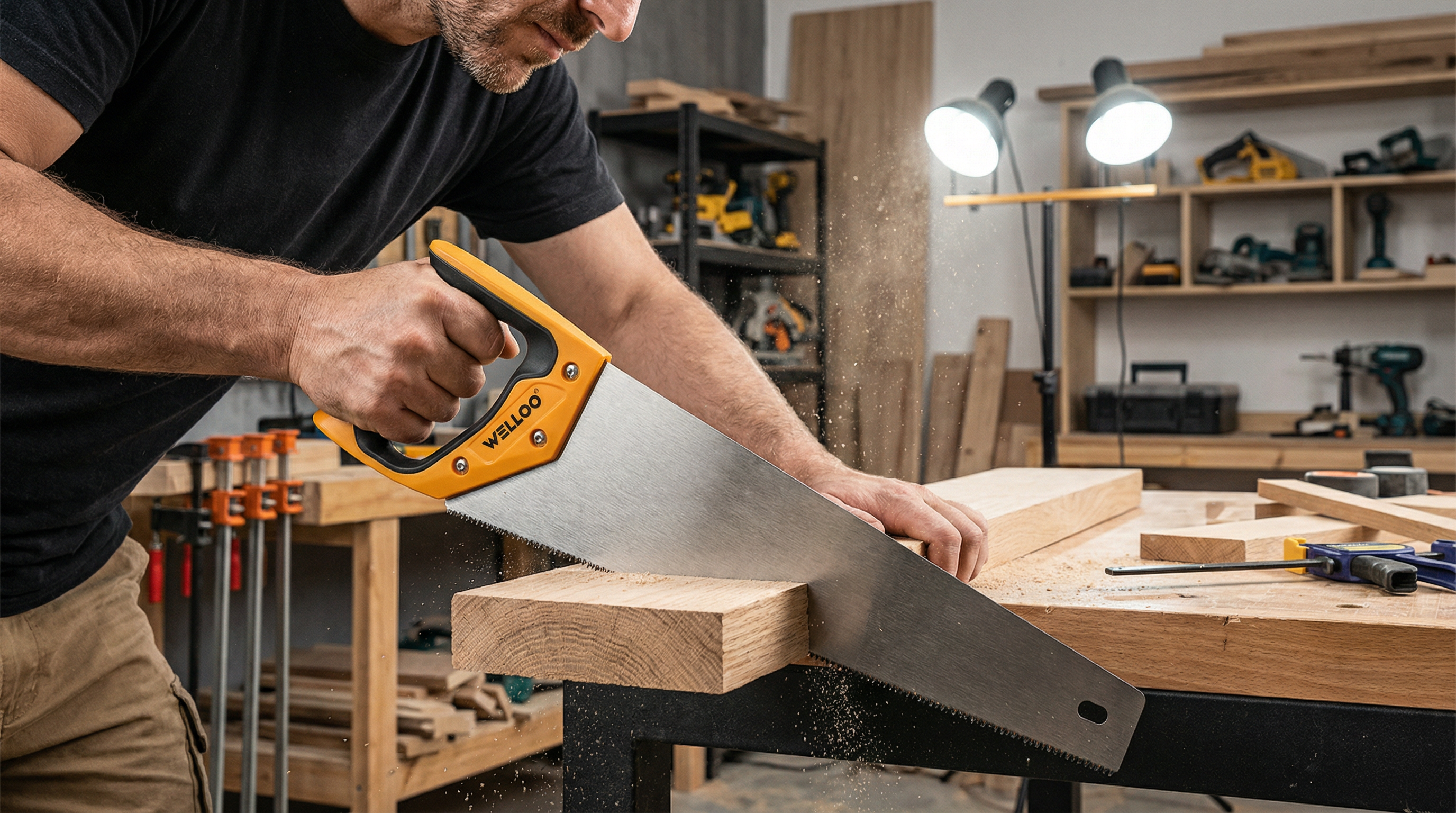
Municipal landscaping and maintenance projects require substantial investment in equipment and resources. When evaluating the return on investment for garden tools in municipal applications, decision-makers must consider both immediate costs and long-term operational benefits. Professional-grade garden tools significantly impact project timelines, labor costs, and maintenance quality across parks, recreational facilities, and public green spaces. Understanding the financial implications of tool selection helps municipalities optimize their budgets while maintaining high standards for public landscaping.
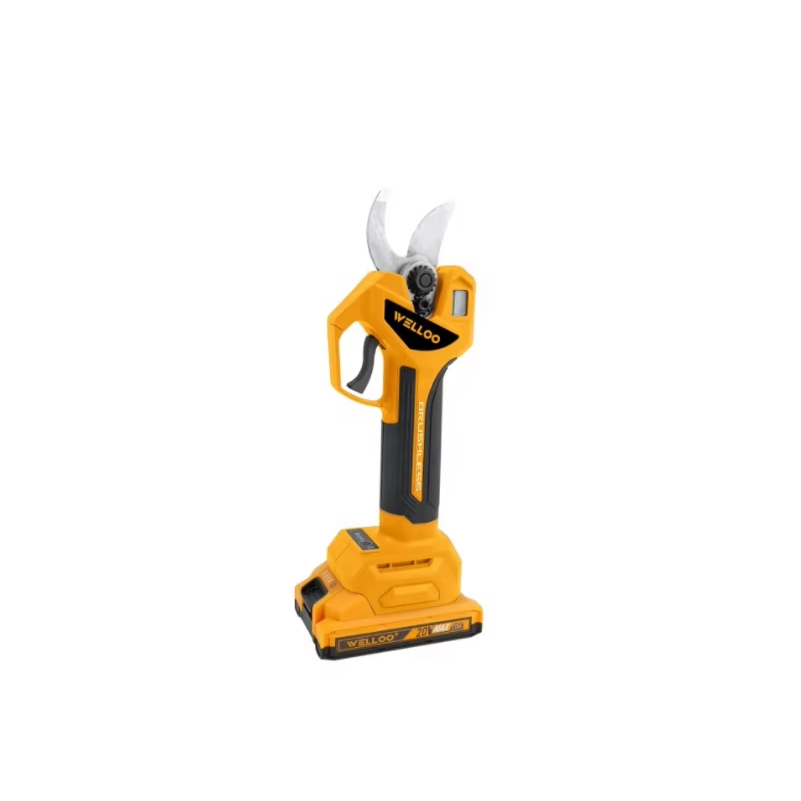
The economic analysis of municipal garden tools extends beyond initial purchase prices to encompass operational efficiency, maintenance costs, and replacement cycles. Heavy-duty garden tools designed for continuous professional use deliver measurable value through enhanced productivity and reduced downtime. Municipal departments managing extensive green infrastructure benefit from tools that withstand rigorous daily operations while maintaining consistent performance standards.
Cost Analysis Framework for Municipal Garden Tools
Initial Investment Assessment
Municipal procurement departments must evaluate garden tools based on total cost of ownership rather than upfront expenses alone. Professional-grade equipment typically carries higher initial costs but provides superior durability and performance compared to consumer-grade alternatives. The initial investment assessment should include tool specifications, warranty coverage, and expected service life to determine true value propositions.
Budget allocation for garden tools requires consideration of seasonal usage patterns and project scale variations. Municipal operations often involve peak activity periods during growing seasons, demanding reliable equipment capable of intensive use. Proper initial investment in quality garden tools prevents costly project delays and reduces the risk of equipment failure during critical maintenance windows.
Operational Cost Calculations
Ongoing operational costs include fuel consumption, maintenance requirements, and replacement part availability for garden tools. Electric and battery-powered options offer advantages in urban environments where noise restrictions and emission controls apply. Operational cost calculations must factor in energy consumption rates, charging infrastructure requirements, and battery replacement cycles for modern garden tools.
Labor efficiency gains represent significant operational savings when municipalities invest in ergonomic and high-performance garden tools. Time savings from improved cutting speed, reduced fatigue, and enhanced precision translate directly to reduced labor costs per project. These operational efficiencies compound over time, creating substantial cost benefits for municipal landscaping programs.
Productivity Benefits of Professional Garden Tools
Time Efficiency Improvements
Professional garden tools enable municipal crews to complete maintenance tasks more efficiently than standard equipment. Advanced cutting mechanisms and ergonomic designs reduce the time required for pruning, trimming, and landscape maintenance activities. Time efficiency improvements directly impact project completion rates and allow municipalities to expand their maintenance coverage within existing budget constraints.
Quantifying time savings requires comparison between current tool performance and upgraded equipment capabilities. Municipal departments can measure productivity gains through work order completion rates, area coverage per day, and crew efficiency metrics. These measurements provide concrete data for ROI calculations and justify investments in superior Garden Tools for municipal applications.
Quality Enhancement Outcomes
Professional-grade garden tools produce superior results in landscaping maintenance, contributing to enhanced public space appearance and community satisfaction. Clean cuts from precision tools promote plant health and reduce disease transmission risks compared to rough cuts from inferior equipment. Quality enhancement outcomes support municipal goals of maintaining attractive public spaces while optimizing maintenance resources.
Improved maintenance quality reduces the frequency of revisits and corrective work, generating additional cost savings for municipal operations. Garden tools that deliver consistent performance enable crews to achieve desired results on the first attempt, minimizing rework and associated labor costs. These quality benefits contribute significantly to overall ROI calculations for municipal tool investments.
Durability and Maintenance Considerations
Equipment Lifespan Analysis
Heavy-duty garden tools designed for professional use typically offer extended service lives compared to consumer-grade alternatives. Durability analysis should consider construction materials, component quality, and manufacturer reputation when evaluating municipal garden tools. Extended equipment lifespans reduce replacement frequency and lower long-term procurement costs for municipal departments.
Service life projections for garden tools depend on usage intensity, maintenance practices, and operating conditions. Municipal applications often involve demanding environments and continuous use patterns that test equipment durability. Proper lifespan analysis helps municipalities plan replacement schedules and budget for future equipment needs while maximizing current tool utilization.
Maintenance Cost Management
Professional garden tools typically require less frequent maintenance and repair compared to lower-quality alternatives. Maintenance cost management involves evaluating service requirements, parts availability, and repair complexity for different tool options. Municipal procurement should prioritize garden tools with accessible service networks and reasonable maintenance costs to optimize total ownership expenses.
Preventive maintenance programs for garden tools help municipalities avoid costly emergency repairs and equipment downtime. Regular maintenance schedules, proper storage practices, and operator training contribute to extended tool life and consistent performance. Effective maintenance cost management enhances ROI by minimizing unexpected expenses and maximizing equipment availability.
Technology Integration and Future-Proofing
Modern Features and Capabilities
Contemporary garden tools incorporate advanced technologies that enhance operational efficiency and user experience. Battery technology improvements have revolutionized cordless tool performance, offering power levels comparable to corded alternatives with enhanced mobility. Modern features such as variable speed controls, safety systems, and ergonomic designs provide operational advantages for municipal applications.
Technology integration in garden tools enables municipalities to adopt sustainable practices and reduce environmental impact. Electric garden tools eliminate emissions during operation and reduce noise pollution in residential areas. These environmental benefits align with municipal sustainability goals while providing operational advantages in noise-sensitive locations.
Scalability and Adaptation
Municipal garden tool investments should consider future expansion needs and changing operational requirements. Scalable tool systems allow departments to add compatible equipment as budgets permit while maintaining operational consistency. Garden tools with modular designs and interchangeable components provide flexibility for diverse municipal applications and changing maintenance needs.
Future-proofing garden tool investments involves selecting equipment with upgrade potential and long-term manufacturer support. Municipal departments benefit from tools that can adapt to evolving maintenance practices and technological advances. Strategic tool selection ensures continued value delivery throughout the equipment lifecycle and supports sustainable municipal operations.
Budget Planning and Financial Justification
ROI Calculation Methodologies
Calculating return on investment for municipal garden tools requires comprehensive analysis of costs, benefits, and operational impacts. ROI methodologies should include initial purchase costs, operational savings, productivity gains, and avoided costs from improved reliability. Financial justification becomes stronger when municipalities quantify all value components rather than focusing solely on purchase price comparisons.
Time-based ROI calculations help municipalities understand payback periods and long-term financial benefits of garden tools investments. Shorter payback periods justify higher initial investments in quality equipment, while extended payback periods may require budget adjustments or phased implementation strategies. Clear ROI calculations support budget approval processes and demonstrate fiscal responsibility in municipal procurement.
Funding Strategy Development
Municipal funding strategies for garden tools may involve capital budgets, operational allocations, or grant opportunities. Developing effective funding strategies requires alignment with municipal financial cycles and budget approval processes. Garden tools investments often qualify for infrastructure or sustainability grants, providing additional funding sources for municipal departments.
Multi-year budget planning enables municipalities to invest in comprehensive garden tools upgrades while managing financial impact. Phased implementation strategies allow departments to upgrade critical equipment first while planning for complete system renewal over time. Strategic funding approaches maximize value delivery while maintaining fiscal responsibility in municipal operations.
Performance Monitoring and Evaluation
Metrics and Measurement Systems
Establishing performance metrics for garden tools helps municipalities track ROI realization and operational improvements. Key performance indicators may include task completion times, maintenance frequency, fuel consumption, and crew productivity measures. Regular performance monitoring enables data-driven decisions about tool effectiveness and future procurement strategies.
Measurement systems for garden tools performance should capture both quantitative and qualitative benefits. While cost savings and time efficiency provide clear metrics, factors such as operator satisfaction, maintenance quality, and public feedback contribute to overall value assessment. Comprehensive measurement approaches provide complete pictures of garden tools ROI in municipal applications.
Continuous Improvement Processes
Municipal departments benefit from continuous improvement processes that optimize garden tools utilization and maximize investment returns. Regular equipment evaluations, operator feedback collection, and performance analysis identify opportunities for enhanced efficiency. Continuous improvement approaches ensure municipalities realize full value potential from their garden tools investments.
Feedback loops between field operations and procurement decisions enable municipalities to refine their garden tools selection criteria over time. Operational experience with different tool types provides valuable insights for future purchasing decisions. These improvement processes contribute to increasingly effective municipal maintenance operations and enhanced ROI from equipment investments.
FAQ
What factors should municipalities consider when calculating ROI for garden tools
Municipal ROI calculations for garden tools should include initial purchase costs, operational savings from improved efficiency, maintenance expenses, replacement cycles, and indirect benefits such as enhanced service quality. Labor cost reductions often represent the largest ROI component, making productivity improvements crucial for financial justification. Environmental benefits and compliance with sustainability goals may also factor into comprehensive ROI assessments for municipal garden tools.
How do professional garden tools impact municipal maintenance quality
Professional garden tools significantly enhance maintenance quality through precision cutting, consistent performance, and reduced equipment downtime. Superior tools produce cleaner cuts that promote plant health and create more attractive landscapes. Quality improvements reduce the need for corrective work and enable municipal crews to maintain higher standards across public spaces while optimizing resource utilization.
What are the key durability differences between consumer and professional garden tools
Professional garden tools feature reinforced construction, higher-grade materials, and components designed for continuous operation under demanding conditions. These tools typically offer 3-5 times longer service life compared to consumer alternatives and maintain performance standards throughout their operational lifecycle. Professional equipment also provides better parts availability and service support, reducing long-term maintenance costs for municipal applications.
How can municipalities maximize the value of their garden tools investments
Municipalities maximize garden tools value through proper operator training, preventive maintenance programs, and strategic procurement planning. Comprehensive tool utilization tracking helps identify optimal deployment strategies and ensures equipment stays productive throughout its service life. Investing in quality tools with proven track records and establishing relationships with reliable service providers contribute to enhanced value realization from municipal garden tools investments.
Table of Contents
- Cost Analysis Framework for Municipal Garden Tools
- Productivity Benefits of Professional Garden Tools
- Durability and Maintenance Considerations
- Technology Integration and Future-Proofing
- Budget Planning and Financial Justification
- Performance Monitoring and Evaluation
-
FAQ
- What factors should municipalities consider when calculating ROI for garden tools
- How do professional garden tools impact municipal maintenance quality
- What are the key durability differences between consumer and professional garden tools
- How can municipalities maximize the value of their garden tools investments