 EN
EN

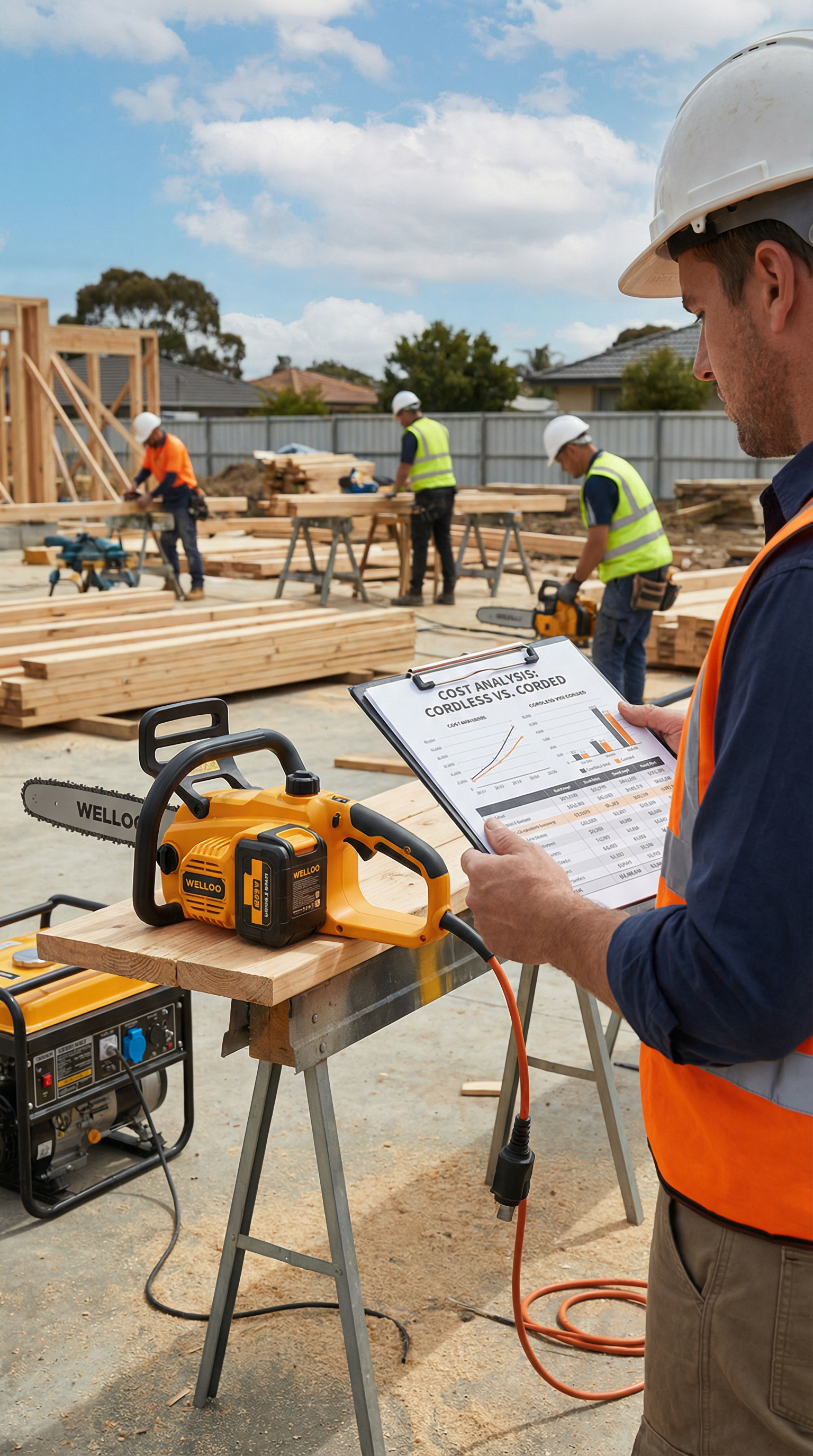
Contractors face a critical decision when selecting cutting tools for their projects: choosing between cordless and corded electric saws. This decision directly impacts productivity, project costs, and operational efficiency on job sites. An electric saw represents a substantial investment for any contractor, making it essential to understand the long-term financial implications of each option. The choice between cordless and corded models involves analyzing upfront costs, ongoing expenses, productivity benefits, and total cost of ownership over the tool's lifespan.
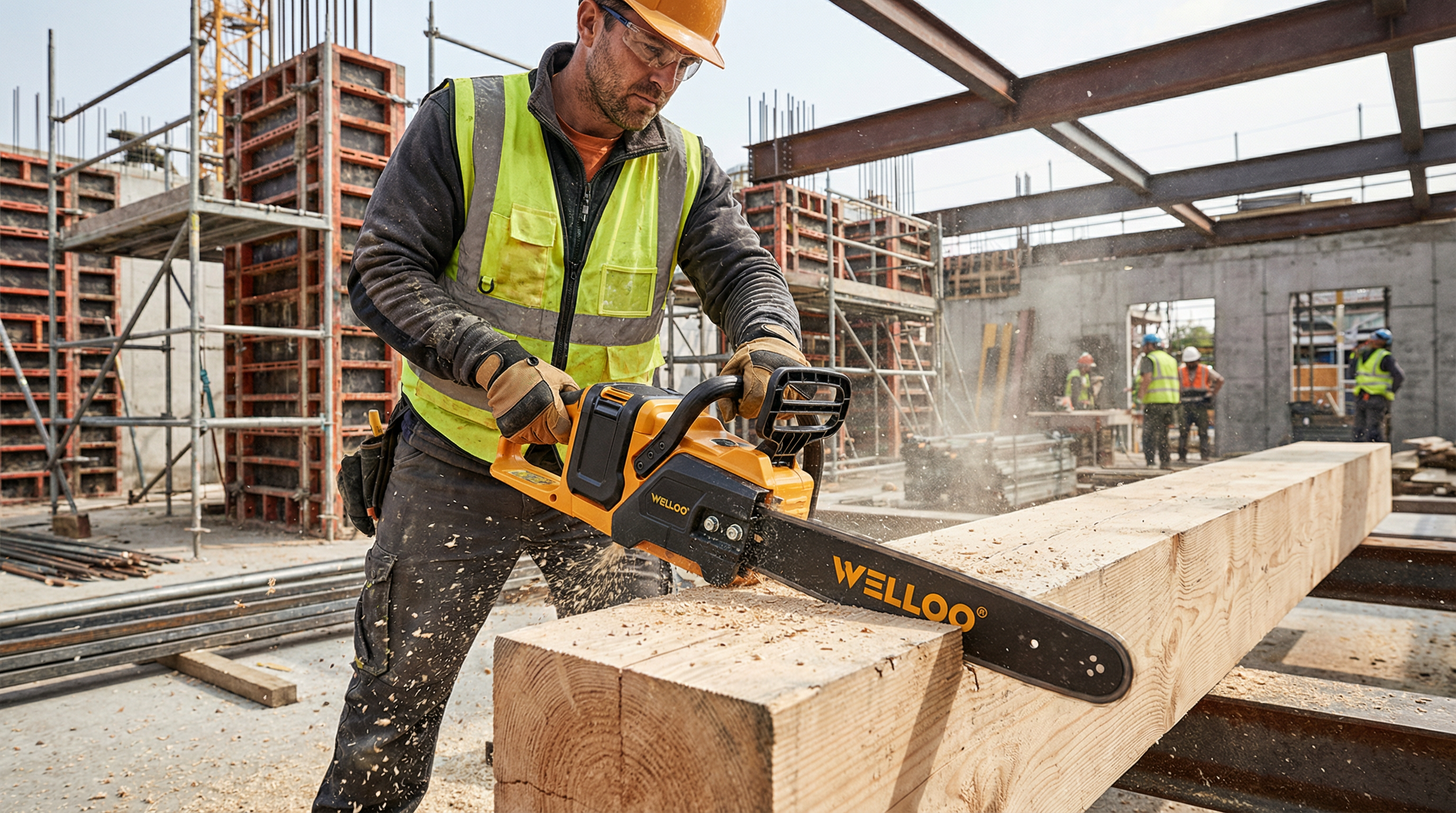
Initial Investment Analysis
Upfront Purchase Costs
The initial purchase price between cordless and corded electric saws varies significantly based on power output, brand reputation, and included accessories. Corded models typically offer lower entry costs, with professional-grade units ranging from $150 to $400 for quality circular saws. These tools provide consistent power delivery without requiring additional battery investments, making them attractive for budget-conscious contractors starting their businesses.
Cordless electric saw systems require higher initial investments due to battery technology and charging infrastructure. Professional cordless circular saws range from $200 to $600, often sold as bare tools requiring separate battery and charger purchases. When factoring in the cost of batteries, chargers, and backup power sources, the complete cordless system can cost 50-80% more than comparable corded alternatives initially.
Essential Accessory Investments
Corded electric saws require minimal additional accessories beyond quality blades and basic maintenance supplies. The primary ongoing accessory cost involves replacing worn cutting blades, which typically range from $15 to $50 depending on material specifications and quality. Extension cords represent another necessary investment, with professional-grade cords costing between $50 to $150 for adequate length and gauge ratings.
Cordless systems demand substantial accessory investments to maintain operational readiness throughout demanding workdays. Battery packs for professional electric saw models cost between $80 to $200 each, with most contractors requiring 2-4 batteries for continuous operation. Fast chargers add another $100 to $300 to the total system cost, while backup batteries and charging stations increase long-term investment requirements significantly.

Operational Cost Considerations
Power Consumption and Energy Expenses
Corded electric saws connect directly to electrical power sources, eliminating battery-related energy costs while providing consistent performance throughout extended work sessions. The electrical consumption varies by motor size and cutting demands, typically ranging from 10 to 15 amps for professional circular saws. Job site electrical usage costs are generally absorbed into overall project overhead, making direct power consumption a minimal operational expense consideration.
Battery charging represents an ongoing operational expense for cordless electric saw systems, though individual charging costs remain relatively low. A typical battery charging cycle costs approximately $0.10 to $0.25 depending on local electricity rates and battery capacity. However, the cumulative charging costs over thousands of cycles, combined with battery replacement expenses, create measurable long-term operational costs that corded models avoid entirely.
Maintenance and Replacement Requirements
Electric saw maintenance costs vary significantly between cordless and corded models, primarily due to battery degradation in cordless systems. Corded tools require standard maintenance including brush replacement, motor servicing, and blade changes, with annual maintenance costs typically ranging from $50 to $150 for professional use. The absence of battery systems eliminates the most expensive maintenance component in power tool ownership.
Cordless electric saws face additional maintenance expenses related to battery health management and replacement cycles. Professional lithium-ion batteries typically maintain optimal performance for 300-500 charging cycles before experiencing significant capacity degradation. Battery replacement costs represent the largest ongoing expense in cordless tool ownership, potentially requiring $160 to $800 annually depending on usage intensity and number of batteries in the system.
Productivity Impact Assessment
Job Site Mobility and Efficiency
Cordless electric saws provide unmatched mobility advantages that directly translate into improved productivity and reduced labor costs on many job sites. Contractors can move freely between cutting locations without managing extension cords, reducing setup time and eliminating trip hazards that slow work progress. This mobility advantage proves particularly valuable in residential construction, renovation projects, and outdoor applications where power access remains limited or inconvenient.
The productivity gains from cordless mobility can offset higher initial costs through reduced project completion times and improved worker efficiency. Studies indicate that contractors using cordless tools complete certain cutting tasks 15-25% faster than those managing corded equipment in complex job site environments. However, these productivity benefits depend heavily on job site characteristics, power availability, and specific project requirements that may favor different tool approaches.
Power Consistency and Performance Reliability
Corded electric saws deliver consistent power output throughout entire work sessions, maintaining cutting speed and torque regardless of duration or material demands. This reliability ensures predictable performance for demanding applications including thick lumber cutting, metal fabrication, and repetitive production work. The consistent power delivery translates into reliable project scheduling and predictable completion times for time-sensitive contracts.
Battery-powered electric saws experience performance degradation as battery charge diminishes, potentially affecting cutting speed and power delivery during extended use periods. While modern lithium-ion batteries maintain relatively consistent power output until depletion, the need for battery swapping interrupts workflow continuity. Contractors must plan battery management strategies and maintain charged backup batteries to avoid productivity interruptions during critical project phases.
Long-Term Financial Analysis
Total Cost of Ownership Calculations
Calculating the true cost of electric saw ownership requires analyzing purchase price, operational expenses, maintenance costs, and productivity impacts over a typical 5-7 year professional use period. Corded models generally demonstrate lower total ownership costs for contractors with consistent power access and stationary work environments. The absence of battery replacement costs and lower maintenance requirements create predictable expense profiles that simplify budget planning.
Cordless Electric Saw systems require more complex financial analysis due to battery replacement cycles, charging infrastructure costs, and varying productivity benefits across different project types. While initial costs are higher, the productivity gains in mobile applications can justify the investment for contractors specializing in residential work, outdoor projects, or multi-location operations where mobility provides competitive advantages.
Return on Investment Considerations
The return on investment for electric saw purchases depends heavily on utilization rates, project types, and contractor specialization areas. High-volume contractors using tools daily may justify premium cordless systems through productivity improvements and reduced setup times. Conversely, occasional users or contractors with consistent power access may achieve better returns through lower-cost corded alternatives that meet performance requirements without premium features.
Contractors should evaluate their specific work patterns, typical job site conditions, and client requirements when calculating expected returns on electric saw investments. Mobile contractors, renovation specialists, and residential builders often realize substantial returns from cordless tool investments, while shop-based contractors or those working in powered environments may achieve better financial outcomes with corded systems complemented by comprehensive cord management solutions.
Decision Framework for Contractors
Work Environment Assessment
Successful electric saw selection requires honest assessment of typical work environments and power availability across contractor project portfolios. Contractors working primarily in established construction sites with reliable electrical access may prioritize the consistent power and lower costs of corded systems. Shop-based contractors, cabinet makers, and those specializing in powered facility work often achieve optimal results with corded electric saws supplemented by quality cord management systems.
Mobile contractors, residential specialists, and renovation professionals benefit significantly from cordless electric saw capabilities, particularly when working in older buildings, outdoor environments, or multi-story applications where cord management becomes challenging. The ability to work efficiently without power constraints often justifies higher system costs through improved project completion rates and enhanced client satisfaction from reduced disruption and setup requirements.
Budget Optimization Strategies
Smart contractors often optimize their electric saw investments through hybrid approaches that combine both cordless and corded tools for different applications. This strategy allows leveraging the mobility benefits of cordless systems while maintaining the power consistency and lower operational costs of corded alternatives. Beginning contractors might start with quality corded systems and gradually add cordless capabilities as business growth supports the additional investment.
Battery platform compatibility represents another critical optimization consideration when investing in cordless electric saws. Contractors should prioritize tool systems that share battery platforms across multiple tools, maximizing battery utilization while reducing overall system costs. Established battery platforms from major manufacturers often provide better long-term value through wider tool selection, competitive pricing, and reliable parts availability throughout the ownership period.
FAQ
What factors most significantly impact the total cost of ownership between cordless and corded electric saws
Battery replacement costs represent the most significant long-term expense difference between cordless and corded electric saws. Professional lithium-ion batteries typically require replacement every 2-3 years under heavy use, costing $80-200 per battery. Additionally, charging infrastructure, backup batteries, and productivity considerations from battery management create ongoing operational differences that compound over the tool's lifespan.
How do productivity gains from cordless electric saws justify higher initial costs
Cordless electric saws eliminate setup time, cord management, and mobility restrictions that can reduce cutting task completion times by 15-25% in complex environments. For contractors charging $50-100 per hour, these time savings can recover higher tool costs within 6-12 months of regular use. The productivity benefits are most pronounced in residential work, renovation projects, and multi-location jobs where power access is limited or inconvenient.
When should contractors choose corded electric saws over cordless alternatives
Corded electric saws are optimal for contractors with consistent power access, stationary work environments, or budget constraints prioritizing lower initial costs. Shop-based work, production cutting, and applications requiring extended continuous operation favor corded systems. Additionally, contractors specializing in heavy-duty cutting applications may prefer the unlimited power delivery and consistent performance that corded electric saws provide throughout demanding work sessions.
What battery management strategies minimize operational costs for cordless electric saws
Effective battery management involves rotating multiple batteries to prevent deep discharge cycles, storing batteries at partial charge levels, and avoiding extreme temperature exposure during charging and storage. Contractors should invest in fast chargers to minimize downtime and maintain 2-3 batteries per tool for continuous operation. Proper maintenance can extend battery life 30-50% beyond typical replacement cycles, significantly reducing long-term operational costs.
Table of Contents
- Initial Investment Analysis
- Operational Cost Considerations
- Productivity Impact Assessment
- Long-Term Financial Analysis
- Decision Framework for Contractors
-
FAQ
- What factors most significantly impact the total cost of ownership between cordless and corded electric saws
- How do productivity gains from cordless electric saws justify higher initial costs
- When should contractors choose corded electric saws over cordless alternatives
- What battery management strategies minimize operational costs for cordless electric saws