 EN
EN

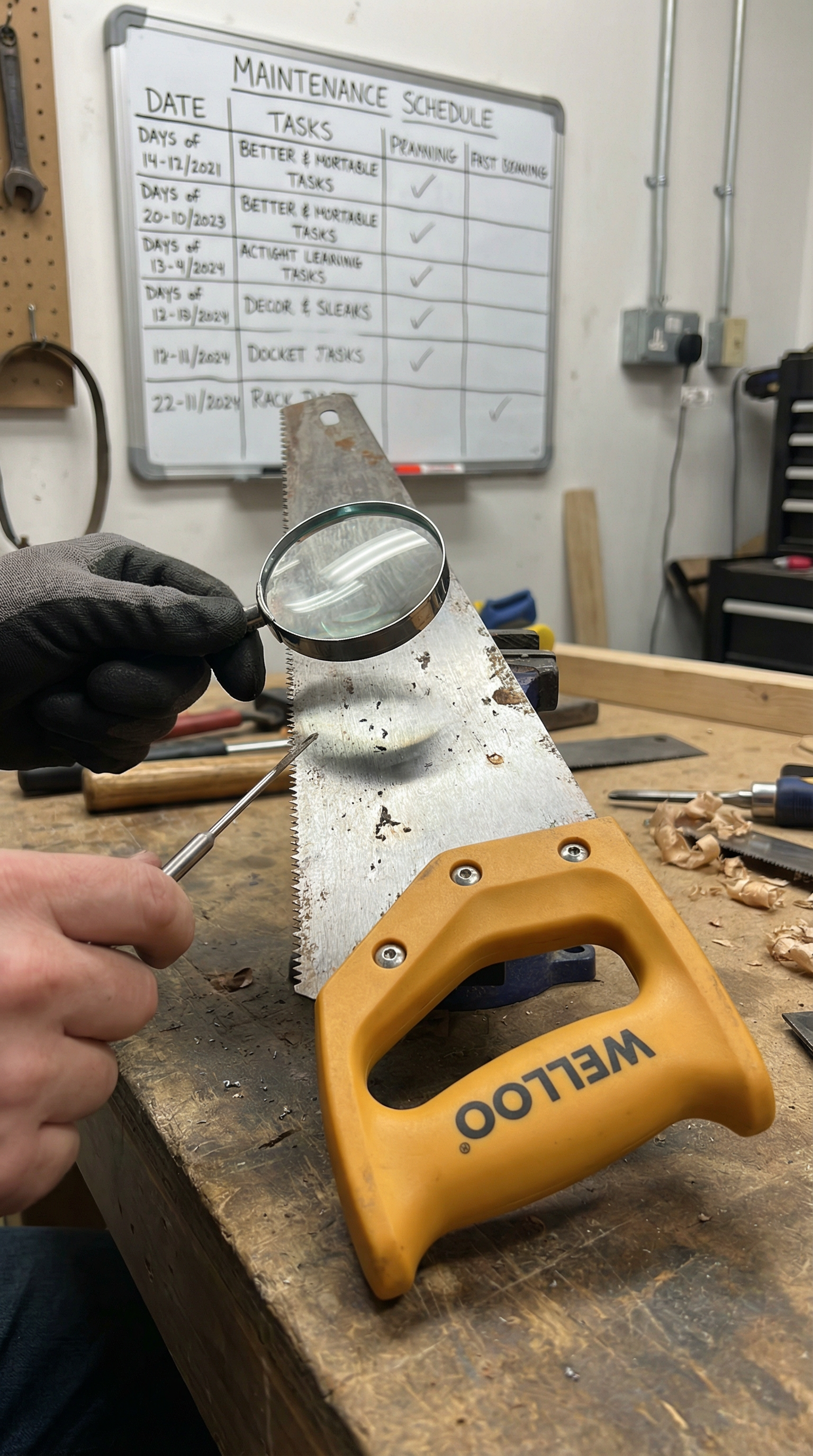
Professional contractors rely heavily on their tool inventory to complete projects efficiently and maintain their reputation for quality work. Among the essential cutting tools in any contractor's arsenal, the hand saw stands as one of the most fundamental and versatile instruments. Whether you're managing a small residential construction crew or overseeing large commercial projects, maintaining your fleet of hand saws properly ensures optimal performance, extends tool lifespan, and maximizes your return on investment. This comprehensive guide provides contractors with practical strategies for keeping their hand saw collection in peak operating condition throughout demanding work cycles.

Understanding Your Hand Saw Fleet Composition
Traditional Manual Cutting Tools
Every contractor's tool collection typically includes various types of manual hand saws designed for specific cutting applications. Traditional crosscut saws excel at cutting across wood grain, while rip saws handle cuts along the grain direction effectively. The hand saw design variations in your fleet serve different purposes, from fine finish work to rough framing tasks. Understanding these distinctions helps contractors assign the right tool for each job, reducing unnecessary wear on premium cutting instruments while maximizing productivity across diverse project requirements.
Panel saws and back saws represent specialized segments within your hand saw inventory that require particular attention during maintenance routines. These precision instruments often feature finer teeth configurations and reinforced spine construction that demands careful handling procedures. Contractors should categorize their hand saw collection based on frequency of use, cutting application, and replacement cost to develop appropriate maintenance schedules that prioritize high-value tools while ensuring all equipment remains job-ready.
Power-Assisted Cutting Solutions
Modern contractors increasingly integrate power-assisted hand saws into their tool fleets to enhance cutting efficiency and reduce physical strain during extended work periods. Reciprocating saws, circular saws, and oscillating multi-tools represent hybrid solutions that combine hand saw portability with mechanical power advantages. These tools require different maintenance approaches compared to traditional manual saws, incorporating electrical component care, battery management protocols, and motor housing protection strategies.
Electric Hand Saw models offer contractors reliable cutting performance with reduced operator fatigue, making them valuable additions to any professional tool collection. Proper maintenance of power-assisted cutting tools involves regular inspection of electrical connections, blade mounting systems, and safety mechanisms. Contractors should establish separate maintenance protocols for powered hand saws that address both mechanical cutting components and electrical system integrity.
Establishing Preventive Maintenance Protocols
Daily Inspection Procedures
Successful hand saw fleet management begins with consistent daily inspection routines that identify potential issues before they impact job performance. Contractors should examine blade condition, handle integrity, and cutting mechanism function at the start of each work shift. This proactive approach prevents tool failures during critical project phases while maintaining safety standards across all cutting operations. Visual inspection protocols should focus on identifying bent teeth, loose handles, cracked blade bodies, and accumulated debris that could affect cutting precision.
Documentation of daily hand saw inspections creates valuable maintenance records that help contractors track tool performance patterns and predict replacement needs. Simple checklist systems enable crew members to quickly assess each hand saw without disrupting workflow while ensuring consistent evaluation standards. These inspection records also support warranty claims and insurance documentation when tool damage occurs during normal construction activities.
Weekly Maintenance Schedules
Comprehensive weekly maintenance routines extend beyond basic inspection to include cleaning, lubrication, and minor adjustment procedures that keep hand saws operating at peak efficiency. Contractors should allocate specific time slots for thorough hand saw maintenance, treating this activity as essential overhead rather than optional equipment care. Weekly maintenance sessions provide opportunities to address issues identified during daily inspections while performing preventive care that reduces long-term repair costs.
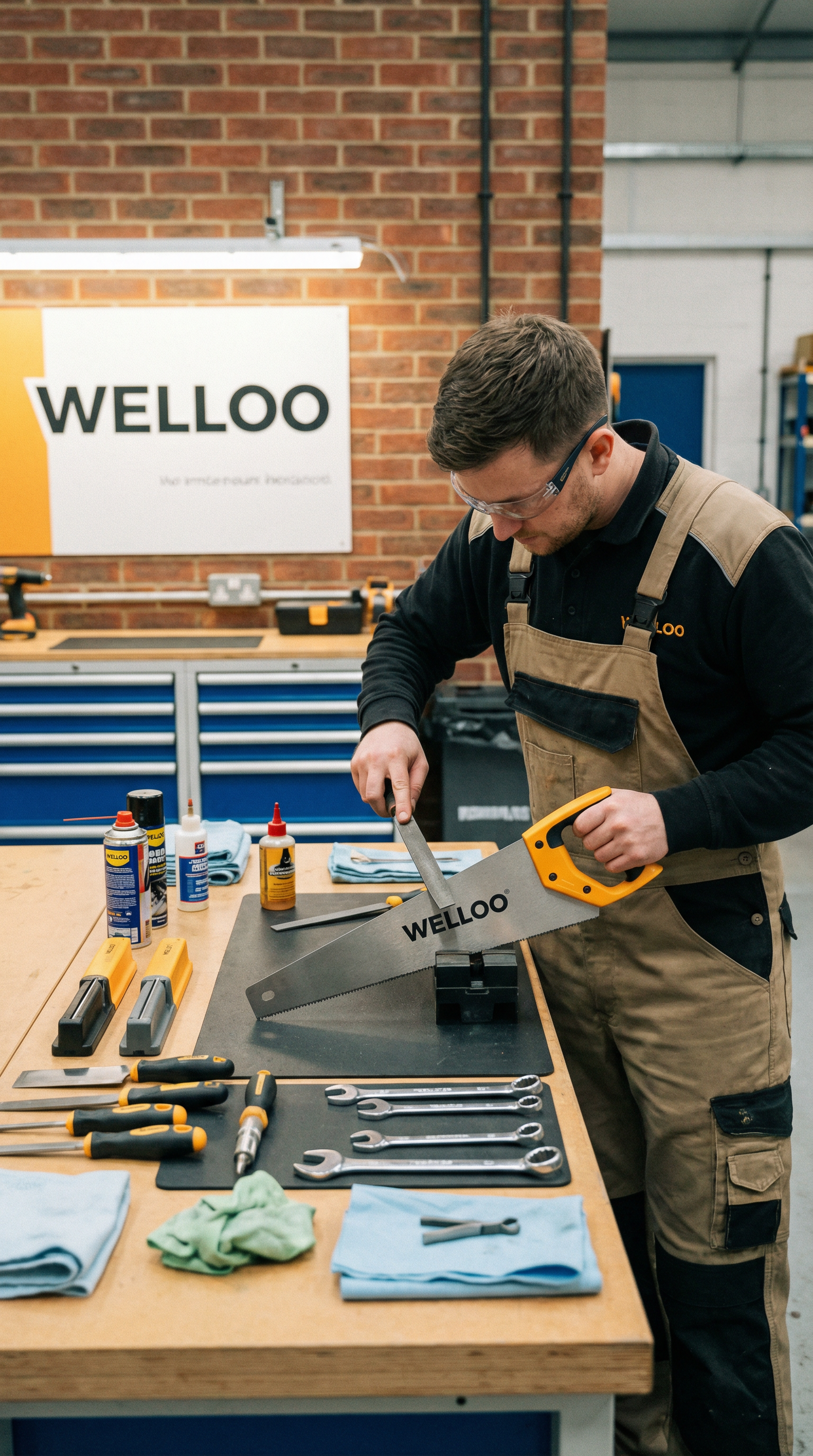
Proper cleaning techniques remove accumulated sawdust, resin buildup, and moisture that can compromise hand saw performance over time. Different blade materials require specific cleaning agents and procedures to avoid damage while achieving optimal cleanliness levels. Contractors should maintain appropriate cleaning supplies and establish designated workspace areas for conducting thorough hand saw maintenance without exposing other tools to contamination or damage.
Blade Care and Sharpening Strategies
Professional Sharpening Services
Professional blade sharpening services offer contractors reliable solutions for maintaining optimal hand saw cutting performance without requiring specialized equipment or technical expertise. Establishing relationships with qualified sharpening professionals ensures consistent results while freeing up valuable time for core construction activities. Many sharpening services provide pickup and delivery options that minimize disruption to project schedules while maintaining tool rotation systems that keep adequate cutting capacity available.
Quality sharpening services extend hand saw blade lifespan significantly compared to replacement strategies, delivering substantial cost savings for contractors managing large tool fleets. Professional sharpening also restores proper tooth geometry and set angles that maximize cutting efficiency and reduce operator fatigue. Contractors should evaluate sharpening service providers based on turnaround time, quality consistency, and pricing structures that align with their operational requirements and budget constraints.
In-House Sharpening Capabilities
Developing in-house hand saw sharpening capabilities provides contractors with greater control over tool maintenance schedules and reduces dependence on external service providers. Basic sharpening equipment investments pay dividends for contractors with substantial hand saw inventories or remote project locations where professional services are not readily available. File sets, sharpening guides, and tooth set tools enable competent maintenance personnel to restore blade cutting performance effectively.
Training programs for in-house sharpening ensure consistent results while preventing damage that can occur from improper techniques or inadequate equipment. Contractors should designate specific personnel for hand saw sharpening responsibilities and provide appropriate workspace areas equipped with proper lighting and ventilation. Regular practice and skill development maintain sharpening quality standards that preserve tool value while maximizing cutting performance across the entire fleet.
Storage and Transportation Best Practices
Secure Storage Solutions
Proper storage systems protect hand saw investments while maintaining tool accessibility for efficient project deployment. Climate-controlled storage environments prevent rust formation and handle deterioration that can compromise tool integrity over extended periods. Contractors should implement storage solutions that separate different hand saw types while providing adequate ventilation and moisture control throughout storage facilities.
Individual tool protection using blade guards, protective cases, or designated storage racks prevents damage from tool-to-tool contact during storage periods. Organized storage systems also facilitate inventory management and tool accountability procedures that reduce loss rates while ensuring appropriate tools are available for specific project requirements. Investment in quality storage infrastructure pays long-term dividends through reduced replacement costs and improved tool condition consistency.
Security measures for hand saw storage protect valuable tool investments from theft while maintaining insurance compliance requirements. Locked storage containers, alarm systems, and inventory tracking procedures create multiple layers of protection that safeguard contractor assets. These security investments become increasingly important as hand saw quality and replacement costs continue rising within the construction industry.
Transportation Considerations
Safe transportation methods prevent hand saw damage during transit between job sites while maintaining crew access to necessary cutting tools. Vehicle-mounted tool storage systems should incorporate shock absorption, secure mounting, and weather protection features that preserve tool condition regardless of road conditions or environmental exposure. Portable tool cases offer flexible transportation solutions for smaller hand saw collections while providing individual tool protection during handling.
Loading and unloading procedures significantly impact hand saw longevity, requiring crew training that emphasizes careful handling techniques and proper lifting methods. Transportation protocols should address tool inventory verification, damage inspection procedures, and accountability measures that prevent loss during transit. These procedures become particularly important when coordinating multiple crews or subcontractor relationships that involve shared tool resources.
Inventory Management and Replacement Planning
Asset Tracking Systems
Effective inventory management systems enable contractors to monitor hand saw performance, track maintenance history, and plan replacement schedules based on actual usage patterns rather than arbitrary timeframes. Digital asset management tools provide real-time visibility into tool locations, condition status, and maintenance requirements across multiple project sites. These systems support data-driven decision making that optimizes tool procurement while minimizing downtime from equipment failures.
Barcode or RFID tagging systems facilitate rapid inventory updates while reducing administrative overhead associated with manual tracking methods. Automated tracking capabilities provide accurate usage data that supports warranty claims, insurance documentation, and tax depreciation calculations. Contractors should evaluate tracking system investments based on fleet size, project complexity, and administrative efficiency requirements that align with their operational structure.
Strategic Replacement Planning
Proactive replacement planning prevents project delays caused by unexpected hand saw failures while optimizing capital equipment budgets through strategic purchasing decisions. Performance data analysis identifies usage patterns and failure modes that inform replacement timing and procurement strategies. This analytical approach enables contractors to negotiate better pricing through volume purchases while maintaining adequate tool availability for peak demand periods.
Budget allocation for hand saw replacement should consider technological improvements, safety enhancements, and productivity gains available through newer tool designs. Regular evaluation of emerging technologies ensures contractors maintain competitive advantages while avoiding premature obsolescence of existing tool investments. Replacement planning also supports crew training requirements and workspace modifications necessary for integrating new hand saw technologies into established workflows.
Safety and Compliance Considerations
Workplace Safety Standards
Hand saw maintenance directly impacts workplace safety through tool condition, cutting performance, and operator protection systems. Contractors must establish maintenance standards that exceed minimum regulatory requirements while protecting workers from injury risks associated with damaged or improperly maintained cutting tools. Regular safety inspections should evaluate blade condition, handle security, and guard mechanism function to ensure all hand saws meet current safety standards.
Training programs should address proper hand saw handling techniques, maintenance procedures, and hazard recognition skills that prevent workplace injuries. Documentation of safety training and tool inspection records supports compliance with occupational safety regulations while demonstrating contractor commitment to worker protection. These records also provide valuable evidence for insurance claims and legal proceedings related to workplace safety incidents.
Regulatory Compliance Requirements
Construction industry regulations impose specific requirements for tool maintenance, inspection, and documentation that contractors must address through systematic compliance programs. Hand saw maintenance protocols should incorporate regulatory requirements while exceeding minimum standards to ensure worker safety and legal protection. Regular review of changing regulations ensures maintenance procedures remain current with evolving safety standards and industry best practices.
Documentation systems must capture maintenance activities, inspection results, and corrective actions in formats that satisfy regulatory requirements while supporting internal quality assurance programs. Compliance records also demonstrate contractor professionalism to clients and regulatory agencies while supporting qualification for specialized projects with enhanced safety requirements. Investment in comprehensive compliance systems protects contractors from liability while demonstrating commitment to industry excellence.
FAQ
How often should contractors sharpen their hand saw blades
Professional contractors should sharpen hand saw blades based on usage intensity rather than fixed time intervals. Heavy-use applications may require sharpening every 2-3 weeks, while moderate use typically extends sharpening intervals to 4-6 weeks. Monitoring cutting performance, blade condition, and operator feedback provides better indicators for sharpening timing than arbitrary schedules. Maintaining sharp blades reduces operator fatigue while improving cut quality and project efficiency.
What storage conditions best preserve hand saw performance
Optimal hand saw storage requires dry, climate-controlled environments with temperatures between 60-75 degrees Fahrenheit and humidity levels below 50 percent. Proper ventilation prevents moisture accumulation while protective coatings on blade surfaces provide additional corrosion resistance. Individual blade guards or cases prevent damage from tool contact while organized storage systems facilitate inventory management and tool accessibility for project deployment.
Which maintenance tasks can crew members perform versus requiring professional services
Crew members can safely perform basic cleaning, inspection, and minor adjustment tasks on hand saws with appropriate training and supervision. Professional services should handle blade sharpening, major repairs, and safety mechanism adjustments that require specialized equipment or technical expertise. Establishing clear guidelines for crew maintenance capabilities prevents damage from improper procedures while ensuring necessary professional services receive appropriate attention and budget allocation.
How should contractors budget for hand saw replacement and maintenance costs
Effective budgeting allocates approximately 15-20 percent of original tool cost annually for maintenance and replacement activities. This percentage should increase for high-use applications or harsh working conditions that accelerate tool wear. Tracking actual maintenance costs provides data for refining budget estimates while identifying opportunities for cost reduction through improved maintenance practices or strategic tool selection decisions that optimize long-term value.