 EN
EN

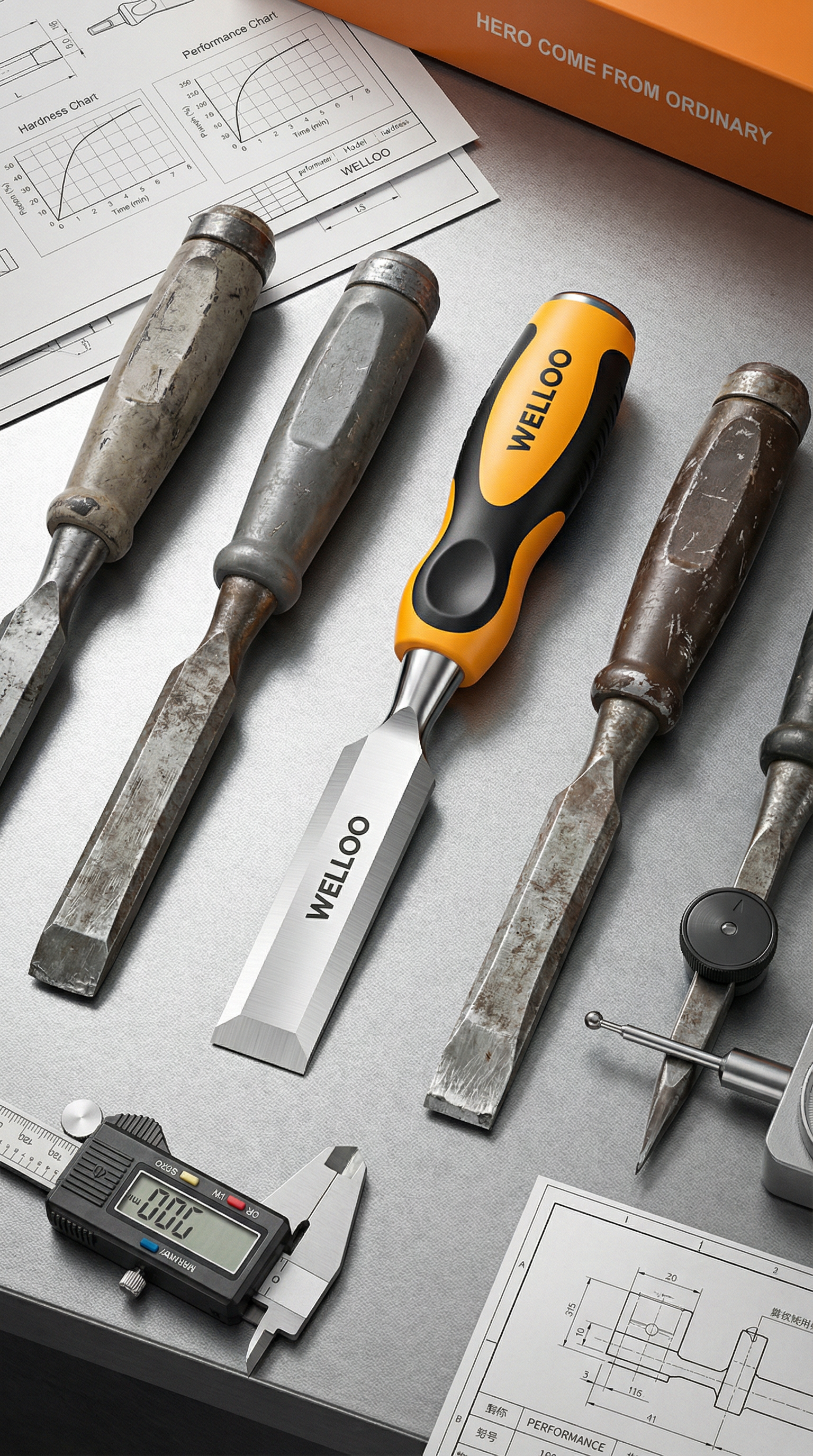
Hardware store inventory managers face constant pressure to balance quality, cost, and customer demand when sourcing cutting tools. Among the most essential woodworking instruments, the chisel represents a cornerstone product that demands careful selection criteria to ensure profitability and customer satisfaction. Understanding the nuanced requirements for chisel procurement enables inventory managers to build robust product lines that serve both professional tradespeople and DIY enthusiasts effectively.

Understanding Chisel Market Dynamics and Customer Requirements
Professional Tradesperson Expectations
Professional carpenters, cabinetmakers, and woodworkers represent the primary customer segment demanding premium chisel quality. These customers prioritize durability, edge retention, and precision manufacturing over price considerations. A quality chisel must maintain its sharpness through extended use while providing consistent performance across various wood types and grain patterns. Professional users typically invest in complete sets rather than individual tools, making set configurations a crucial inventory consideration.
The professional market expects specific size ranges, with common widths including 6mm, 12mm, 19mm, and 25mm options. These standardized dimensions align with traditional woodworking practices and project requirements. Inventory managers should prioritize suppliers offering comprehensive size ranges within cohesive product families, ensuring customers can build complete tool collections from single sources.
DIY Market Considerations
Weekend woodworkers and hobbyists approach chisel selection differently than professionals, often prioritizing value propositions over absolute performance. However, this market segment still demands reliable functionality and reasonable durability expectations. A well-balanced chisel offering moderate pricing with dependable performance characteristics can capture significant market share within this demographic.
DIY customers frequently purchase starter sets or individual replacement tools rather than comprehensive collections. This purchasing pattern requires inventory managers to stock both complete sets and individual units, accommodating varied budget constraints and project scope requirements. Educational materials and clear product descriptions become essential for guiding inexperienced customers toward appropriate chisel selections.

Quality Assessment Criteria for Chisel Selection
Steel Composition and Heat Treatment
The foundation of any quality chisel lies in its steel composition and heat treatment processes. High-carbon steel formulations, typically containing 0.8-1.2% carbon content, provide optimal balance between hardness and toughness. Proper heat treatment creates consistent grain structure throughout the blade, ensuring uniform performance characteristics and extended service life.
Inventory managers should verify supplier specifications regarding steel types and manufacturing processes. Chrome-vanadium alloys offer enhanced durability for heavy-duty applications, while traditional carbon steel provides superior edge-taking capability for precision work. Understanding these material differences enables informed purchasing decisions aligned with target market requirements.
Handle Construction and Ergonomics
Handle quality significantly impacts user comfort and tool control during extended use periods. Traditional wooden handles offer excellent grip characteristics and vibration dampening but require careful moisture management to prevent cracking or warping. Modern composite materials, including TPR (thermoplastic rubber) handles, provide enhanced durability and weather resistance while maintaining comfortable grip surfaces.
The ergonomic design becomes particularly important for professional users who rely on chisels throughout extended work sessions. Properly contoured handles reduce hand fatigue while providing secure grip positions for various cutting techniques. Inventory managers should evaluate handle designs based on customer feedback and industry best practices rather than relying solely on manufacturer claims.
Supplier Evaluation and Vendor Management Strategies
Manufacturing Quality Assurance
Establishing reliable supplier relationships requires comprehensive evaluation of manufacturing capabilities and quality control systems. Reputable chisel manufacturers implement rigorous testing protocols, including hardness verification, edge geometry measurement, and stress testing procedures. These quality assurance measures ensure consistent product performance across production batches.
Request detailed manufacturing specifications and quality certifications from potential suppliers. ISO compliance and other industry standards indicate commitment to consistent production processes. Additionally, sample evaluation programs allow inventory managers to assess actual product quality before committing to large purchase quantities.
Supply Chain Reliability and Lead Times
Consistent product availability directly impacts customer satisfaction and sales performance. Evaluate supplier capacity, production scheduling, and inventory management systems to ensure reliable delivery timeframes. Seasonal demand fluctuations, particularly around holiday periods and spring construction seasons, require careful coordination with chisel suppliers to maintain adequate stock levels.
Backup supplier relationships provide insurance against production disruptions or quality issues. Maintaining relationships with multiple qualified vendors enables rapid source switching when primary suppliers encounter difficulties. This redundancy protects inventory availability while providing negotiation leverage for pricing discussions.
Pricing Strategy and Profit Margin Optimization
Competitive Market Analysis
Understanding local market pricing structures enables strategic positioning within competitive landscapes. Research competitor offerings across various price points, identifying gaps where quality chisel products can capture market share. Premium positioning requires demonstrable quality advantages, while value positioning demands cost optimization without compromising essential performance characteristics.
Market research should encompass both traditional hardware retailers and online platforms, as digital sales channels increasingly influence customer price expectations. Consider shipping costs, return policies, and customer service capabilities when evaluating competitive positions. These factors often justify premium pricing for local retailers providing superior customer support.
Volume Purchasing and Cost Management
Strategic purchasing volumes balance inventory investment with unit cost optimization. Larger order quantities typically yield better wholesale pricing, but excessive inventory ties up capital and increases storage requirements. Analyze historical sales data to identify optimal order frequencies and quantities for various chisel configurations.
Seasonal purchasing patterns affect inventory management decisions significantly. Spring construction seasons and holiday gift periods create predictable demand spikes requiring advance planning. Early season purchases often secure better pricing while ensuring product availability during peak demand periods.
Customer Education and Sales Support
Product Knowledge Training
Staff education directly impacts chisel sales performance and customer satisfaction levels. Comprehensive training programs covering steel types, handle materials, size applications, and maintenance requirements enable informed customer consultations. Knowledgeable staff can guide customers toward appropriate product selections while building confidence in purchase decisions.
Regular supplier training sessions provide opportunities for staff to understand product features and benefits thoroughly. Hands-on demonstrations allow employees to experience quality differences between various chisel options, improving their ability to communicate these advantages to customers effectively.
Display and Merchandising Strategies
Effective product presentation influences customer perception and purchase behavior significantly. Quality chisel displays should emphasize craftsmanship details, steel quality, and ergonomic features through clear visibility and tactile evaluation opportunities. Interactive displays allowing customers to handle different options facilitate informed comparisons.
Educational signage explaining chisel applications, size selections, and maintenance requirements provides valuable customer guidance. Professional photography and detailed product descriptions enhance perceived value while building customer confidence. These presentation elements justify premium pricing while differentiating quality products from basic alternatives.
Inventory Management and Stock Optimization
Demand Forecasting and Seasonal Patterns
Accurate demand forecasting requires analysis of historical sales data, seasonal trends, and local market conditions. Chisel sales typically increase during spring construction seasons and decrease during winter months in most markets. Understanding these patterns enables proactive inventory adjustments and prevents stockouts during peak demand periods.
Local market factors, including construction activity levels, woodworking school schedules, and community demographics, influence demand patterns significantly. Rural markets often show different seasonal patterns than urban locations due to agricultural and recreational woodworking activities. Tailoring inventory levels to local demand characteristics optimizes capital utilization and customer satisfaction.
Storage and Handling Requirements
Proper chisel storage prevents damage while maintaining product quality throughout inventory cycles. Steel tools require protection from moisture to prevent rust formation, while handle materials need temperature and humidity control to prevent cracking or warping. Organized storage systems facilitate efficient inventory management and order fulfillment processes.
First-in-first-out rotation prevents long-term storage issues while ensuring customers receive fresh inventory. Regular inspection schedules identify potential quality issues before they affect sales. Proper handling procedures during receiving and fulfillment operations prevent damage that could compromise product quality or customer satisfaction.
FAQ
What steel type provides the best performance for woodworking chisels
High-carbon steel with 0.8-1.2% carbon content offers optimal balance between edge retention and durability for most woodworking applications. Chrome-vanadium alloys provide enhanced toughness for heavy-duty use, while traditional carbon steel delivers superior sharpening characteristics. The choice depends on intended use patterns and user skill levels.
How should inventory managers evaluate chisel handle quality
Evaluate handle materials based on durability, comfort, and weather resistance characteristics. Traditional wooden handles offer excellent grip but require moisture protection, while modern composite materials provide enhanced durability. Ergonomic design becomes crucial for professional users requiring extended comfort during repetitive tasks.
What size range should hardware stores stock for complete market coverage
Standard chisel sets typically include 6mm, 12mm, 19mm, and 25mm widths, covering most woodworking requirements. Additional sizes like 3mm, 9mm, and 32mm options serve specialized applications. Stock both individual units and complete sets to accommodate varied customer needs and budget constraints.
How can stores differentiate quality chisels from budget alternatives
Focus on steel quality, heat treatment consistency, and manufacturing precision as primary differentiators. Quality chisels maintain sharp edges longer, provide consistent performance across various wood types, and feature superior handle construction. Staff training and customer education programs help communicate these quality advantages effectively to justify premium pricing.