 EN
EN

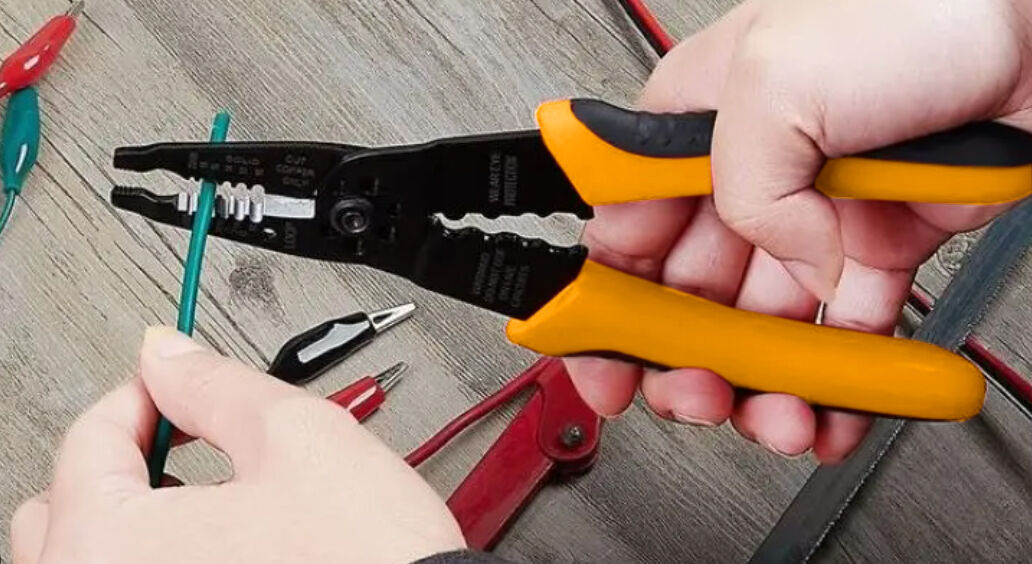
Modern electronics manufacturing demands exceptional precision at every stage of production, particularly when it comes to wire processing and component preparation. Professional wire cutter tools have become indispensable assets for manufacturers, engineers, and technicians who require consistent, clean cuts across various wire gauges and materials. The evolution of cutting technology has transformed simple hand tools into sophisticated instruments that can significantly impact production efficiency and product quality in industrial environments.
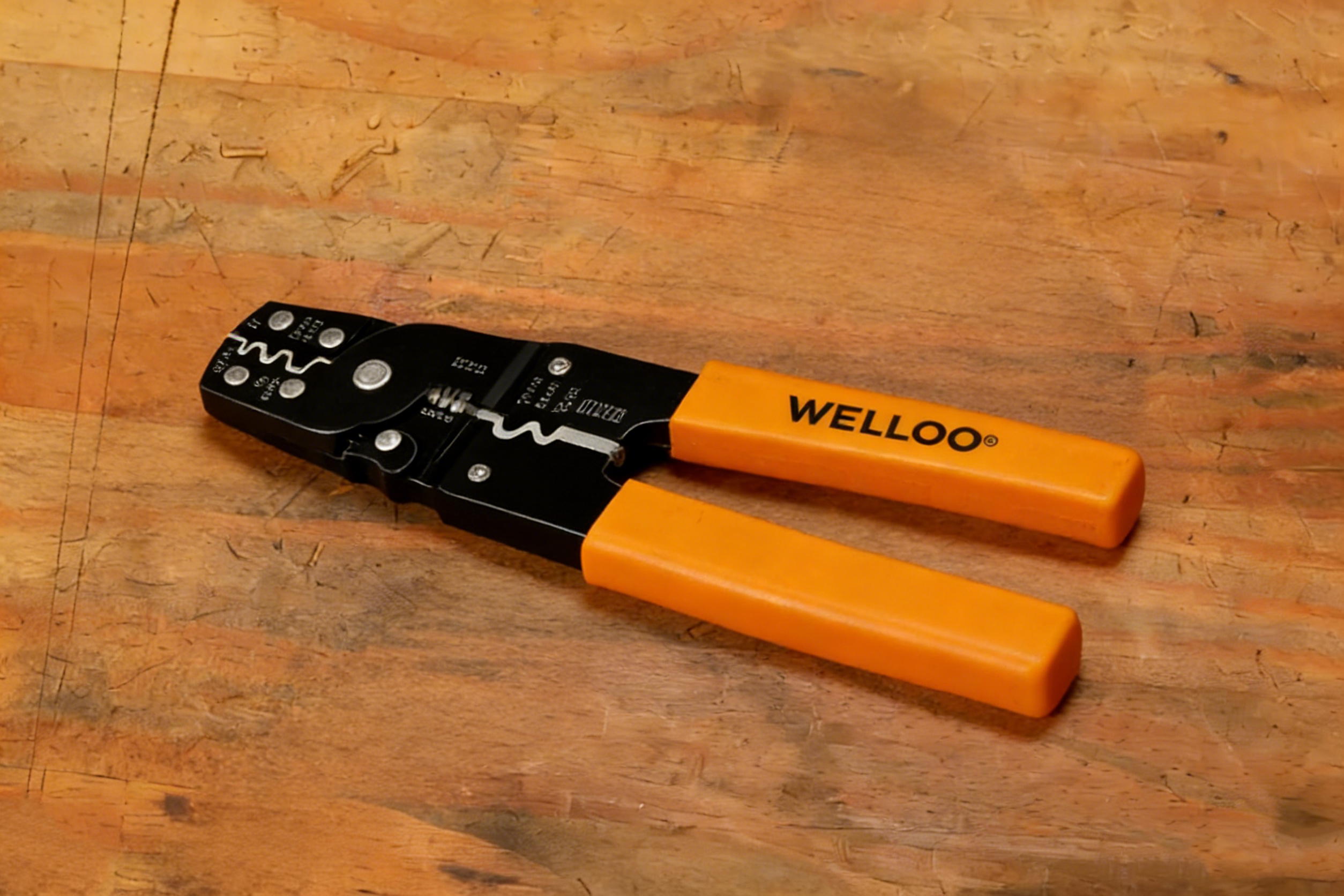
The selection of appropriate cutting tools directly influences manufacturing outcomes, from prototype development to large-scale production runs. Understanding the technical specifications, material compatibility, and ergonomic considerations of professional wire cutter equipment enables procurement teams to make informed decisions that optimize both operational costs and production capabilities. This comprehensive analysis explores the critical factors that distinguish premium cutting tools from standard alternatives in today's competitive manufacturing landscape.
Technical Specifications and Performance Metrics
Cutting Capacity and Wire Gauge Compatibility
Professional wire cutter performance begins with understanding cutting capacity across different wire gauges and materials. Premium tools typically accommodate wire sizes ranging from 30 AWG to 12 AWG, though specialized models can handle larger conductors up to 6 AWG. The precision mechanism ensures consistent cuts without wire deformation or strand separation, critical factors in maintaining electrical conductivity and connection reliability.
Material compatibility extends beyond basic copper wire to include various alloys, coated conductors, and specialty materials commonly found in modern electronics. High-carbon steel cutting edges maintain sharpness longer than standard alternatives, while some advanced models feature replaceable cutting inserts to extend tool life. The cutting force required varies significantly between wire types, making force distribution and leverage optimization essential design considerations.
Precision Engineering and Manufacturing Quality
Manufacturing tolerances in professional wire cutter construction directly impact cutting precision and tool longevity. Quality tools feature precisely aligned cutting edges with minimal blade gap, ensuring clean cuts without wire crushing or incomplete severing. The pivot mechanism utilizes hardened steel components with proper lubrication channels to maintain smooth operation under repeated use cycles.
Surface treatments such as black oxide coating or titanium nitride plating provide corrosion resistance while maintaining cutting edge sharpness. These treatments also reduce friction during cutting operations, decreasing the force required and improving user comfort during extended work sessions. Temperature stability ensures consistent performance across varying environmental conditions common in manufacturing facilities.

Ergonomic Design and User Safety Considerations
Handle Design and Grip Optimization
Ergonomic handle design significantly impacts user productivity and reduces the risk of repetitive strain injuries in professional environments. Modern wire cutter handles incorporate cushioned grips with textured surfaces to prevent slippage during operation. The handle length and angle are optimized to provide adequate leverage while maintaining precise control over cutting force application.
Weight distribution plays a crucial role in reducing user fatigue during extended cutting sessions. Well-balanced tools minimize wrist strain and allow for more precise positioning during delicate operations. Some advanced models feature adjustable spring mechanisms that automatically open the cutting jaws, reducing the repetitive motion required for continuous cutting operations.
Safety Features and Risk Mitigation
Professional wire cutter safety features extend beyond basic cutting blade protection to include comprehensive risk mitigation systems. Locking mechanisms prevent accidental jaw closure during storage or transport, while safety stops limit maximum jaw opening to prevent over-stress of the pivot mechanism. These features are particularly important in industrial environments where multiple technicians may share equipment.
Insulated handles provide electrical safety when working with live circuits, though proper lockout procedures should always be followed. The insulation rating varies by manufacturer and application requirements, with some models certified for voltages up to 1000V AC or 1500V DC. Clear marking of voltage ratings and safety certifications ensures compliance with workplace safety regulations.
Material Selection and Durability Factors
Steel Quality and Heat Treatment Processes
The foundation of any professional Wire Cutter lies in the quality of steel used in its construction and the precision of heat treatment processes. Premium tools utilize high-carbon steel or specialized tool steels that undergo controlled hardening and tempering cycles to achieve optimal hardness-to-toughness ratios. This careful balance ensures cutting edges remain sharp while resisting chipping or cracking under normal use conditions.
Advanced metallurgical processes such as differential hardening create cutting edges with superior hardness while maintaining softer, more resilient backing material. This construction method provides exceptional cutting performance while reducing the likelihood of catastrophic blade failure. Quality control measures during manufacturing include hardness testing and microscopic examination of cutting edge geometry to ensure consistency across production batches.
Coating Technologies and Corrosion Resistance
Modern coating technologies extend wire cutter service life while improving performance characteristics in challenging environments. Physical vapor deposition processes apply ultra-thin layers of titanium compounds or diamond-like carbon to cutting surfaces, significantly increasing hardness and reducing friction. These advanced coatings maintain their properties through thousands of cutting cycles without significant degradation.
Environmental resistance becomes critical in manufacturing facilities where tools may be exposed to humidity, temperature fluctuations, or chemical contaminants. Specialized coatings provide protection against corrosion while maintaining the precise tolerances required for accurate cutting operations. Regular maintenance protocols help preserve coating integrity and extend overall tool life in demanding industrial applications.
Application-Specific Requirements and Selection Criteria
Electronics Manufacturing Applications
Electronics manufacturing environments place unique demands on wire cutter performance, requiring tools that can handle delicate operations without generating electromagnetic interference or static discharge. Anti-static handles and grounding straps prevent damage to sensitive electronic components during wire preparation procedures. The precision required for modern miniaturized circuits demands cutting tolerances measured in fractions of millimeters.
Component density in modern electronic assemblies requires wire cutter designs that can access confined spaces without disturbing adjacent components. Angled cutting heads and extended reach configurations allow technicians to perform precise cuts in areas where standard tools cannot operate effectively. The clean cutting action prevents wire strand fraying that could create short circuits or connection failures in high-density assemblies.
Industrial Maintenance and Repair Operations
Industrial maintenance applications often involve cutting wires in challenging environments where tool reliability becomes paramount. Heavy-duty wire cutter construction must withstand exposure to oils, solvents, and temperature extremes while maintaining cutting precision. Replaceable components allow field maintenance of cutting tools without requiring complete tool replacement.
Portability requirements in maintenance operations favor compact, lightweight designs that can be easily transported between work locations. Tool organization systems and carrying cases protect wire cutter cutting edges while providing organized storage for multiple tool types. Quick-change blade systems allow rapid adaptation to different wire types and cutting requirements without extensive tool changeover procedures.
Quality Assessment and Procurement Strategies
Vendor Evaluation and Certification Requirements
Effective wire cutter procurement requires comprehensive vendor evaluation beyond basic price comparisons. Quality certifications such as ISO 9001 indicate consistent manufacturing processes and quality control procedures. Tool certifications from recognized testing laboratories provide assurance that safety and performance claims meet industry standards.
Vendor technical support capabilities become important considerations for large-scale deployments where training and ongoing support may be required. Documentation quality, including technical specifications and maintenance procedures, reflects the vendor's commitment to professional tool users. Warranty terms and replacement part availability indicate long-term vendor commitment to their products.
Total Cost of Ownership Analysis
Professional wire cutter evaluation must consider total cost of ownership rather than initial purchase price alone. Higher-quality tools with superior durability may provide better value through extended service life and reduced replacement costs. Productivity improvements from better-performing tools can justify premium pricing through increased operational efficiency.
Maintenance requirements vary significantly between tool grades, with professional-quality wire cutters often requiring less frequent sharpening or replacement. User training costs should be factored into procurement decisions, as some advanced tools require specialized techniques to achieve optimal performance. Standardization on fewer tool types can reduce training requirements and simplify inventory management procedures.
Maintenance and Service Life Optimization
Preventive Maintenance Protocols
Systematic maintenance programs significantly extend wire cutter service life while ensuring consistent cutting performance throughout the tool's operational period. Regular cleaning removes accumulated debris and contaminants that can interfere with cutting mechanism operation. Lubrication of pivot points maintains smooth operation and prevents premature wear of moving components.
Cutting edge inspection procedures identify wear patterns and damage before they significantly impact cutting quality. Simple visual inspection can detect nicks, chips, or excessive wear that compromise cutting performance. Measurement techniques using precision gauges can quantify wear progression and predict when cutting edge replacement or reconditioning will be required.
Reconditioning and Blade Replacement Procedures
Professional reconditioning services can restore wire cutter performance to near-original specifications at a fraction of replacement cost. Specialized grinding equipment and fixtures ensure proper cutting edge geometry and surface finish. Quality reconditioning includes hardness testing and dimensional verification to ensure restored tools meet original performance specifications.
User-replaceable components allow field maintenance of modular wire cutter designs without specialized equipment or skills. Clear identification of wear parts and straightforward replacement procedures minimize tool downtime. Availability of replacement components through normal supply chains ensures continued tool operation without extended service interruptions.
FAQ
What wire gauge range should I expect from professional wire cutters
Professional wire cutters typically handle wire gauges from 30 AWG to 12 AWG effectively, with specialized models accommodating larger conductors up to 6 AWG. The specific range depends on the cutting mechanism design and intended application, with precision electronics tools focusing on smaller gauges while electrical maintenance tools emphasize larger conductor capability.
How do I determine the appropriate cutting force for different wire types
Cutting force requirements vary based on wire material, strand count, and conductor construction. Solid copper wire requires different force characteristics than stranded conductors or specialty alloys. Most professional wire cutter specifications include force requirements for common wire types, allowing users to select tools matched to their specific applications and minimize user fatigue.
What safety certifications should I look for in industrial wire cutting tools
Industrial wire cutter safety certifications typically include electrical insulation ratings for live circuit work, with common ratings of 1000V AC or 1500V DC. Additional certifications may include compliance with OSHA safety standards and international quality certifications such as CE marking for European markets. Always verify that safety ratings match your specific application requirements.
How often should professional wire cutters be serviced or replaced
Professional wire cutter service intervals depend on usage intensity and cutting materials, but regular inspection should occur monthly in high-use environments. Cutting edge reconditioning may be required every 6-12 months for intensive use, while complete replacement typically occurs every 2-5 years depending on tool quality and maintenance practices. Establishing consistent inspection procedures helps optimize replacement timing and maintain cutting performance.