 EN
EN

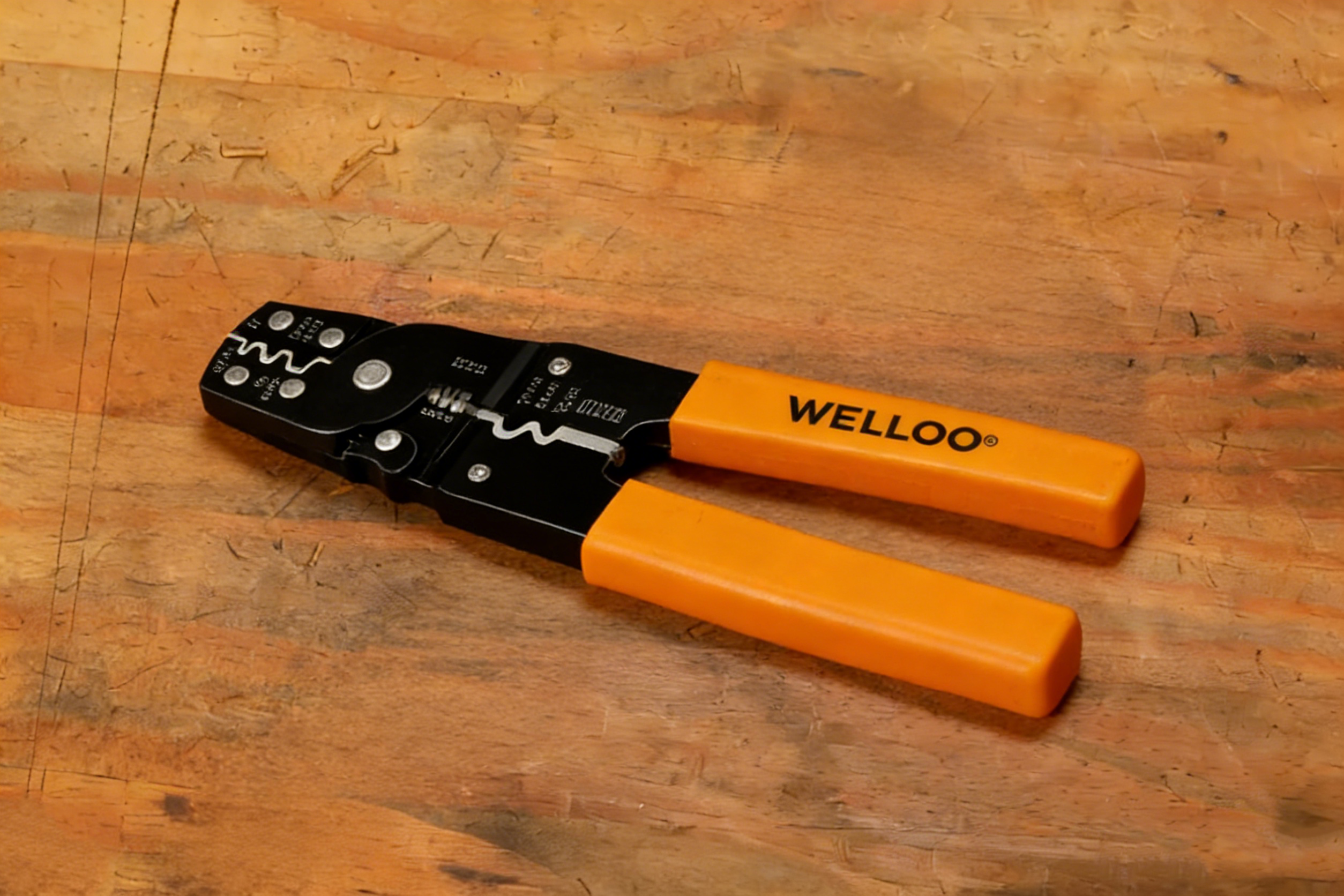
Choosing the right wire cutters is one of the most practical decisions any technician, electrician, or DIY enthusiast will make. Whether you are working with fine electronics or heavy-gauge cables, wire cutters are the foundation of clean, precise, and safe work. The wrong tool not only produces ragged cuts but also increases fatigue and the risk of injury on the job.
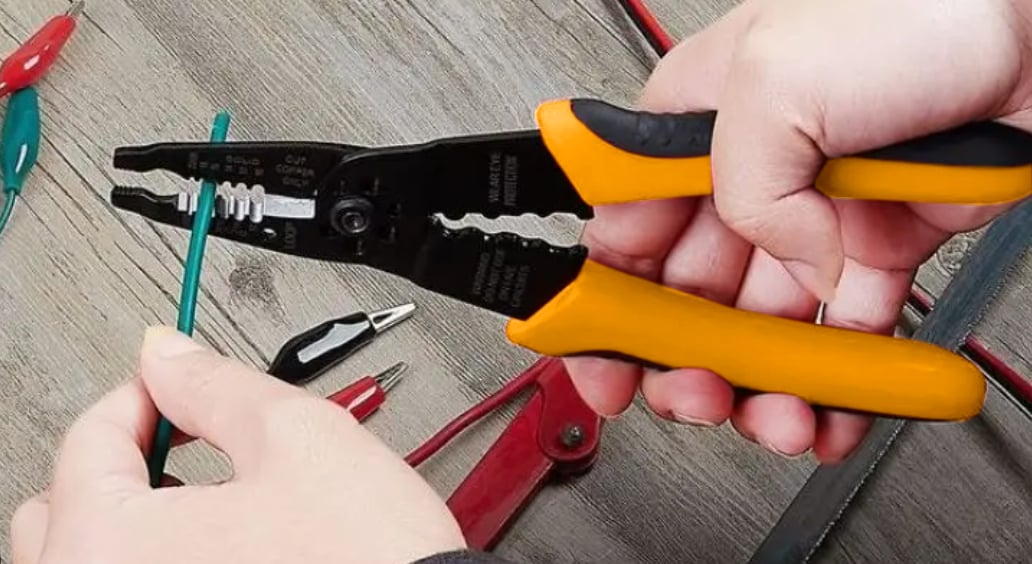
Professional-grade wire cutters deliver consistent, flush cuts that protect both the wire and the surrounding components. Understanding what separates basic wire cutters from high-performance wire cutters helps you invest wisely, reduce rework, and maintain quality across every project. This guide examines the key types, critical features, and selection criteria you need to make a confident, informed choice.
Understanding the Core Types of Wire Cutters
Diagonal Wire Cutters
Diagonal wire cutters, also called side cutters, are among the most widely used wire cutters in electrical and electronics work. The angled jaw of diagonal wire cutters allows the blade to reach into tight spaces where straight-jaw tools simply cannot access. These wire cutters excel at trimming component leads on circuit boards and cutting insulated wires close to a terminal. When you need a flush, precise cut in a confined area, diagonal wire cutters are the professional standard.
High-quality diagonal wire cutters feature hardened steel blades that maintain their edge through thousands of cuts. Look for wire cutters with induction-hardened cutting edges, as this treatment significantly extends blade life compared to standard tempered steel wire cutters. The grip design on diagonal wire cutters also matters greatly, since a comfortable, ergonomic handle reduces hand fatigue during extended sessions.
End-Cut Wire Cutters
End-cut wire cutters place the blade at the very tip of the tool, making them ideal for cutting wires flush against a surface. These wire cutters are particularly popular in assembly work, model making, and precision tasks where the cut must sit level with a mounting point. End-cut wire cutters produce a clean, square cut rather than the angled cut left by diagonal wire cutters. Professionals who work with spring wire, piano wire, or stiff copper conductors often rely on end-cut wire cutters for their controlled cutting geometry.
Key Features That Define High-Performance Wire Cutters
Blade Material and Hardness
The quality of any wire cutters begins with the blade material. Premium wire cutters use high-carbon steel or chrome-vanadium steel, both of which offer superior hardness and edge retention. Wire cutters made from chrome-vanadium steel resist corrosion and maintain sharpness even under demanding conditions. When evaluating wire cutters, check the Rockwell hardness rating if available — quality wire cutters typically achieve HRC 58 to 62, ensuring durability without brittleness. Budget wire cutters often use softer steel that dulls quickly, leading to crushing rather than cutting, which damages wire insulation and conductor strands.
Some wire cutters feature carbide-tipped or induction-hardened edges that significantly outperform conventional wire cutters in longevity. These wire cutters are especially valuable for production environments where wire cutters are used continuously throughout the workday. Investing in blade quality pays back quickly by eliminating frequent replacement cycles for lower-grade wire cutters.
Handle Ergonomics and Leverage Design
The handle design of wire cutters directly determines how much effort each cut demands. Well-designed wire cutters incorporate a compound-action or labor-saving mechanism that multiplies your grip force, enabling wire cutters to slice through thick cable with minimal hand strain. Straight-handled wire cutters rely entirely on raw grip strength, while compound-action wire cutters use mechanical advantage to reduce the force needed by up to 50 percent. For professionals who use wire cutters repeatedly throughout the day, this difference is significant and directly impacts productivity and long-term joint health.
The grip material on wire cutters should be non-slip, heat-resistant, and comfortable for both gloved and bare hands. High-quality wire cutters often feature bi-material grips that combine a rigid inner core with a soft outer layer. This construction gives wire cutters both stability and comfort, ensuring controlled cutting across extended use sessions.
Selecting Wire Cutters for Your Specific Application
Matching Wire Cutters to Wire Gauge
Every pair of wire cutters has a rated cutting capacity that should guide your selection. Using wire cutters beyond their rated capacity damages the blade, misaligns the jaw, and produces poor cuts. For fine gauge wire up to AWG 22, compact precision wire cutters are appropriate. Medium-duty wire cutters handle AWG 10 to 16, covering most residential electrical work. Heavy-duty wire cutters or cable cutters are engineered for AWG 2 and larger, including armored cable and multi-strand copper conductors. Always match wire cutters to the wire gauge range specified by the manufacturer to protect both the tool and the workpiece.
Professional and Industrial Use Cases
In professional settings, wire cutters must meet both performance and safety standards. Electricians rely on insulated wire cutters rated to 1000V for live-circuit work, where a non-insulated pair of wire cutters would create a serious hazard. Electronics technicians choose anti-static wire cutters to protect sensitive components during assembly. HVAC and automotive professionals prefer heavy-duty wire cutters that handle both wire and cable efficiently without tool changes. Selecting the right wire cutters for each environment reduces accidents, increases output quality, and extends the service life of the wire cutters themselves.
Wire cutters that combine cutting with stripping functionality add significant value on complex wiring jobs. Multi-function wire cutters save time by eliminating tool swaps during installation or repair tasks. These wire cutters are widely used in panel wiring, harness assembly, and field service work where speed and precision must coexist. When a single pair of wire cutters can cut, strip, and crimp, the workflow becomes substantially more efficient.
FAQ
What is the difference between wire cutters and wire strippers?
Wire cutters are designed to sever wire cleanly, while wire strippers are designed to remove the insulation jacket without damaging the conductor. Some multi-function wire cutters combine both features into a single tool, making them practical for wiring tasks that require both cutting and preparation of wire ends.
Can wire cutters be used on materials other than wire?
Wire cutters are optimized for wire and light cable, but some heavy-duty wire cutters can also handle zip ties, thin metal rods, and soft bolts within their rated capacity. Using wire cutters on materials beyond their design specification risks blade damage and reduces the lifespan of the wire cutters significantly.
How do I maintain wire cutters for long-term performance?
Keep wire cutters clean and dry after each use to prevent corrosion. Apply a light machine oil to the pivot joint of wire cutters regularly to maintain smooth action. If the blades of your wire cutters become dull or misaligned, professional sharpening or replacement is recommended rather than attempting to force wire cutters through cuts they can no longer cleanly handle.