 EN
EN

Choosing the right garden tools for a small space is not just about finding something compact enough to store in a narrow shed. It is about selecting garden tools that genuinely match the physical demands and unique constraints of tight growing areas, balancing efficiency with ease of use. In 2026, with urban gardening continuing to grow in popularity, knowing which garden tools perform best in restricted environments has become a practical priority for millions of growers worldwide.
Small gardens, balcony plots, raised beds, and container setups each present distinct challenges that standard garden tools were not originally designed to address. The garden tools that work best in these situations share a common set of characteristics: they are lightweight, precise, ergonomically designed, and easy to maneuver in confined zones. This guide examines which categories of garden tools are best suited to small-space gardening in 2026 and explains the selection logic behind each recommendation.
Key Characteristics of Small-Space Garden Tools
Compact Sizing and Weight Considerations
The most important factor when evaluating garden tools for small spaces is physical size. Full-sized garden tools are designed for open ground work, and their longer handles and wider heads become liabilities in narrow beds or container gardens. Short-handled garden tools, or those with telescopic handles that can be adjusted to shorter lengths, give growers far more control in tight conditions. Garden tools that weigh under one kilogram per unit reduce arm fatigue significantly during detail work such as transplanting or edging along walls and fences.
Compact garden tools also allow growers to work with greater accuracy. In small spaces, the margin for error is smaller, meaning a heavy or oversized garden tool can easily disturb neighboring plants or damage root systems. Lightweight hand garden tools with narrow-profile heads are consistently the top performers in balcony gardens, windowsill boxes, and micro-plot raised beds.
Multifunctionality as a Selection Criterion
In a small space, storage is always limited. Garden tools that serve more than one purpose reduce the total number of items a grower needs to keep on hand. Combination garden tools, such as a cultivator that also functions as a weeder, or a trowel with a built-in soil measurer, provide real value in constrained environments. When evaluating garden tools for small spaces in 2026, multifunctionality should rank alongside compactness as a primary selection criterion. A small collection of versatile garden tools will always outperform a large collection of specialized ones when working space is at a premium.
The Garden Tools That Perform Best by Task
Cutting and Pruning in Tight Spaces
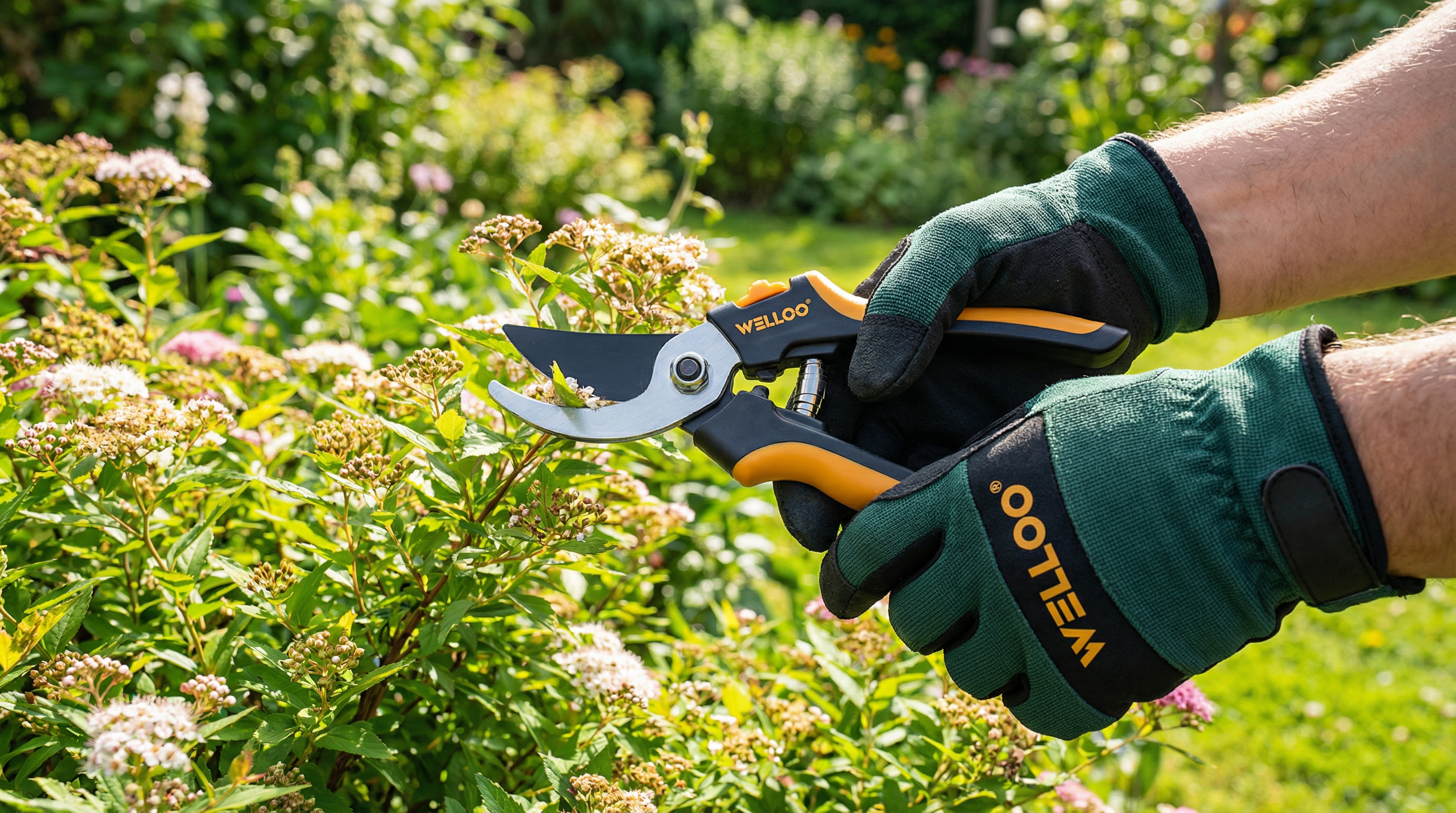
Pruning and cutting are among the most frequent tasks in small gardens, especially in vertical setups where plants grow close together. Cordless electric pruning shears have become one of the most recommended garden tools for this purpose in 2026. Unlike manual bypass pruners, battery-powered garden tools designed for pruning reduce hand fatigue and allow more precise cuts without the physical force required by traditional garden tools. For small spaces with dense plantings, cordless pruning shears deliver clean, controlled results on woody stems and soft growth alike.
The best garden tools for pruning in small spaces are those with a narrow jaw profile that can access stems between closely spaced plants without disturbing surrounding foliage. Garden tools with adjustable cutting force settings are also useful here, since they allow growers to switch between delicate and robust plant material without changing garden tools entirely.
Soil Work and Planting Tools
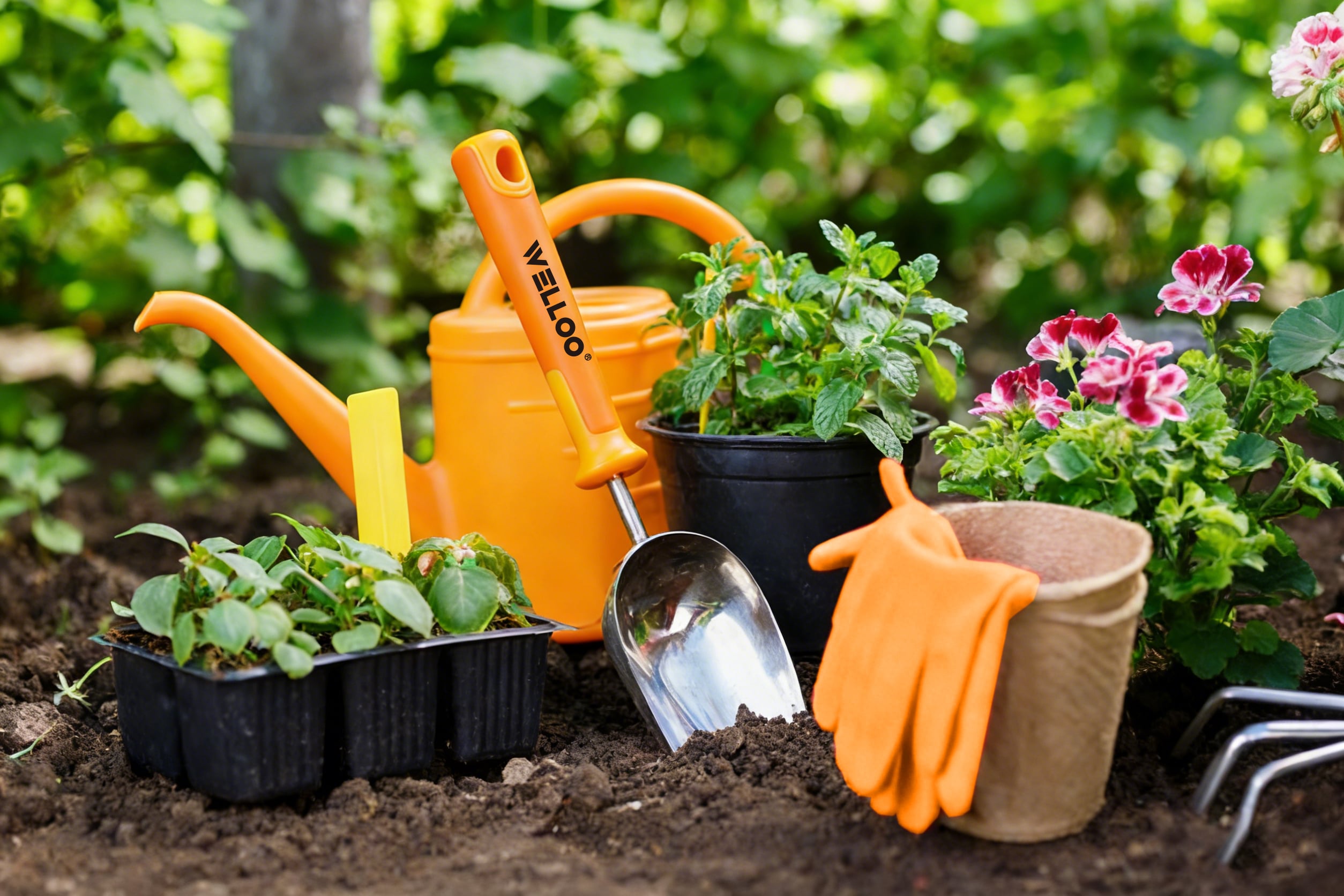
For soil preparation and planting in small-scale setups, the most effective garden tools are hand trowels, narrow-head cultivators, and dibbers. These garden tools allow growers to work in individual containers or tightly spaced raised beds without disturbing the wider planting layout. A quality hand trowel remains one of the most used garden tools among urban growers because of its simplicity and directness. Look for garden tools with stainless steel heads and cushioned grips, since these provide durability without the weight penalty of heavier carbon steel garden tools.
A narrow cultivator is another category of garden tools that earns high marks for small-space use. Its tines break compacted surface soil without cutting deep into root zones, making it ideal for refreshing container soil between plantings. These garden tools work efficiently in a single hand and require no kneeling or wide lateral movement, making them well adapted to confined plots and elevated planters.
Watering and Maintenance Tools
Watering garden tools for small spaces prioritize control over volume. Narrow-spout watering cans allow growers to deliver water directly to root zones without wetting foliage, which is especially important in densely planted areas where moisture on leaves can invite disease. These garden tools should have a balanced pour weight and a capacity between one and two liters to remain manageable across a full watering session. For slightly larger setups, adjustable-spray handheld wands attached to a short hose represent the most practical garden tools for maintaining consistent moisture across multiple containers.
Matching Garden Tools to Specific Small-Space Setups
Balcony and Rooftop Gardens
Balcony gardens demand garden tools that are lightweight, easy to clean, and safe for use on hard surfaces. Compact pruning shears, short trowels, and small-headed weeding garden tools cover the vast majority of maintenance needs in this environment. The key is selecting garden tools with non-scratch head finishes that will not damage tile or decking surfaces during use. Battery-powered garden tools are especially valued on balconies because they eliminate the tripping hazard of extension cords in small, trafficked areas.
Raised Beds and Container Gardens
Raised beds and containers are the most forgiving environments for testing new garden tools because work is done at standing or bench height. The garden tools that perform best here are those with medium-short handles that allow natural wrist angles without requiring stooping. Garden tools designed for raised-bed use often feature depth markings on the blade to assist with planting spacing, which adds a functional advantage beyond what standard garden tools provide.
FAQ
What makes garden tools suitable for small spaces specifically?
Garden tools suited to small spaces are typically compact, lightweight, and precise. These garden tools allow growers to work in tight planting zones without disturbing surrounding plants or damaging root systems. Multifunctional garden tools also score well because they reduce the storage footprint required.
Are battery-powered garden tools worth using in small gardens?
Yes, battery-powered garden tools are well suited to small gardens, particularly for cutting and pruning tasks. These garden tools remove the need for manual force, reduce hand fatigue, and offer greater cutting precision than traditional manual garden tools. Cordless designs eliminate cable hazards, which is a meaningful benefit in confined garden setups.
How many garden tools do you actually need for a small space?
For most small-space setups, a core set of five to seven garden tools is sufficient. These garden tools should cover cutting, soil preparation, planting, and watering needs. Choosing multifunctional garden tools where possible keeps the set lean without sacrificing the coverage needed to maintain a productive small garden year-round.