 EN
EN


In 2026, the market for hand tools is more competitive and more varied than ever before. Buyers face shelves and online listings packed with hundreds of options, ranging from budget-friendly basics to premium professional-grade instruments. With so many choices available, it becomes genuinely important to understand what separates hand tools worth investing in from those that will disappoint within a few months of regular use. The decision is not simply about price. It is about matching hand tools to the real demands of the work they will perform.
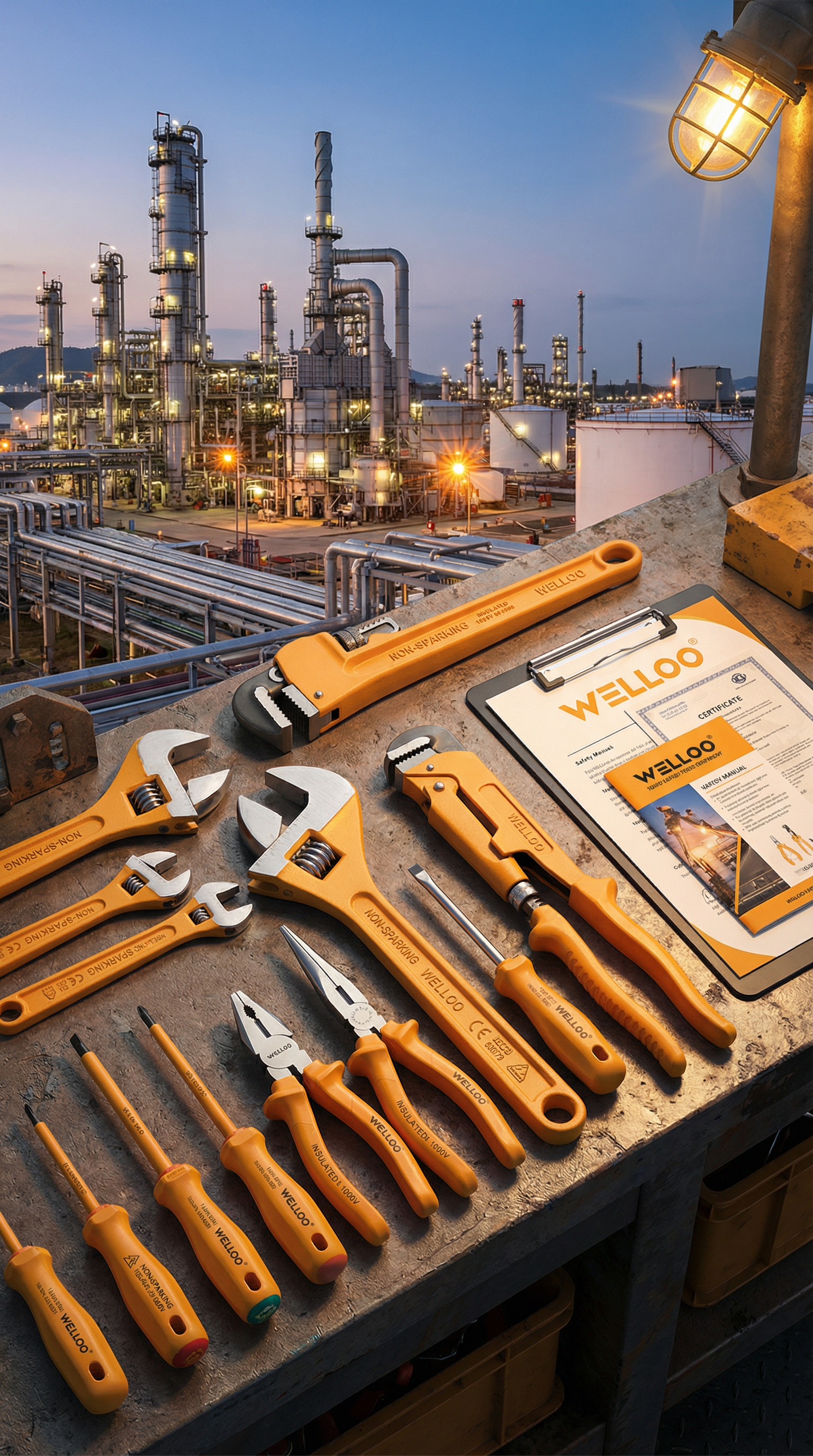
Whether you work in construction, manufacturing, automotive repair, or home maintenance, choosing the right hand tools affects both productivity and safety. Poorly made hand tools slip, fatigue the user, and wear out prematurely, leading to higher replacement costs and increased risk of injury. Understanding the core qualities that make hand tools genuinely valuable in 2026 helps buyers make smarter, more confident purchasing decisions. This article examines the key factors that define high-quality hand tools and explains why those factors matter more than ever this year.
Material Quality and Structural Integrity
Why Material Choice Defines Longevity
The foundation of any reliable set of hand tools is the material used in their construction. Chrome vanadium steel, commonly known as CRV steel, has become the benchmark for professional-grade hand tools because of its exceptional strength, hardness, and resistance to corrosion. Hand tools built from CRV steel maintain their shape and cutting edges far longer than those made from ordinary carbon steel or cheap alloys. When evaluating hand tools, checking the material specification is one of the first and most important steps a buyer can take.
Beyond the steel grade, the manufacturing process matters enormously. Drop-forged hand tools are shaped under extreme pressure, which aligns the grain structure of the metal and results in greater toughness compared to cast alternatives. This forging process makes hand tools capable of withstanding the repeated stress of heavy daily use without cracking or deforming. Buyers who invest in forged CRV hand tools consistently report lower replacement rates and better long-term performance, making the upfront cost well justified.
Surface Finish and Corrosion Resistance
Surface treatment is another dimension that separates quality hand tools from inferior ones. A proper finish, whether polished chrome plating, nickel plating, or black oxide coating, protects hand tools from rust and chemical exposure common in workshops and industrial environments. Hand tools without adequate surface protection degrade quickly when exposed to moisture, oils, and cleaning agents. A well-finished surface also makes hand tools easier to clean and maintain, contributing directly to their useful lifespan.
Ergonomics and User Comfort
The Role of Handle Design in Performance
In 2026, ergonomics has moved from being a 'nice to have' feature to a critical buying criterion for hand tools. Workers who use hand tools for extended periods understand firsthand how a poorly designed handle contributes to fatigue, reduced grip strength, and even repetitive strain injuries. High-quality hand tools now incorporate soft TPR, thermoplastic rubber, handles that cushion vibration, improve grip under wet or oily conditions, and reduce the physical effort required to operate the tool effectively.
The geometry of a handle also influences how efficiently force transfers from the user to the tool. Hand tools with contoured, anatomically shaped handles allow the user to apply maximum torque or cutting force with minimal wrist strain. This is especially relevant for pliers, wrenches, and other hand tools used in tight or awkward positions. Ergonomically optimized hand tools not only protect the user but also help maintain precision and control, which directly impacts work quality.
Sizing and Weight Balance
The best hand tools come in multiple size options so that users can select the right tool for each specific task. Oversized hand tools are unwieldy in confined spaces, while undersized hand tools may lack the mechanical advantage needed for heavier work. Thoughtfully sized hand tools feel balanced in the hand and reduce the micro-adjustments a worker must make during use. Weight distribution across the length of hand tools also affects endurance during prolonged tasks, making balance an engineering detail worth evaluating before purchase.
Precision, Fit, and Consistency
Tolerances and Manufacturing Precision
Precision manufacturing is what distinguishes professional hand tools from consumer-grade alternatives. Hand tools produced to tight tolerances fit fasteners, components, and materials correctly, which prevents slippage, rounding of bolt heads, and damage to workpieces. Loosely manufactured hand tools that do not meet dimensional accuracy standards create frustration on the job and often cause more harm than benefit. In industries where safety and precision are non-negotiable, such as electrical work, plumbing, or mechanical assembly, investing in accurately made hand tools is not optional.
Consistency across a set of hand tools is equally important. When all hand tools within a set are made to the same quality standard, workers can rely on them uniformly without needing to test each piece individually before use. Reputable manufacturers of hand tools subject their products to quality control testing, including hardness testing, torque resistance checks, and dimensional verification, to ensure every tool leaving the production line meets the specified standard. This consistency is a hallmark of hand tools that are genuinely worth buying.
Functional Reliability Over Time
Reliable hand tools perform the same way on the hundredth use as they did on the first. Pivot points on pliers should remain firm but smooth. Jaws on wrenches and grips should not develop slop or wobble with use. Hand tools that degrade rapidly in feel and function are a false economy, regardless of their initial cost. Buyers who prioritize long-term functional reliability in their hand tools will always achieve better total cost of ownership than those who repeatedly replace cheaper alternatives.
FAQ
What is the most important factor when buying hand tools in 2026?
Material quality is the single most critical factor. Hand tools made from CRV steel that are drop-forged and properly finished will outlast and outperform cheaper alternatives in both professional and home-use environments.
Are ergonomic hand tools worth the extra cost?
Yes, ergonomic hand tools are worth the investment, especially for users who work with hand tools regularly. Soft-grip TPR handles reduce fatigue, improve control, and help prevent repetitive strain injuries, which more than justifies the additional expense over time.
How can I verify the quality of hand tools before purchasing?
Check the material specification, such as CRV steel, confirm whether the hand tools are drop-forged, inspect the surface finish for smoothness and coating quality, and look for evidence of quality control testing from the manufacturer. Reading detailed product descriptions and checking for recognized certifications can also help confirm that hand tools meet professional standards.