 EN
EN

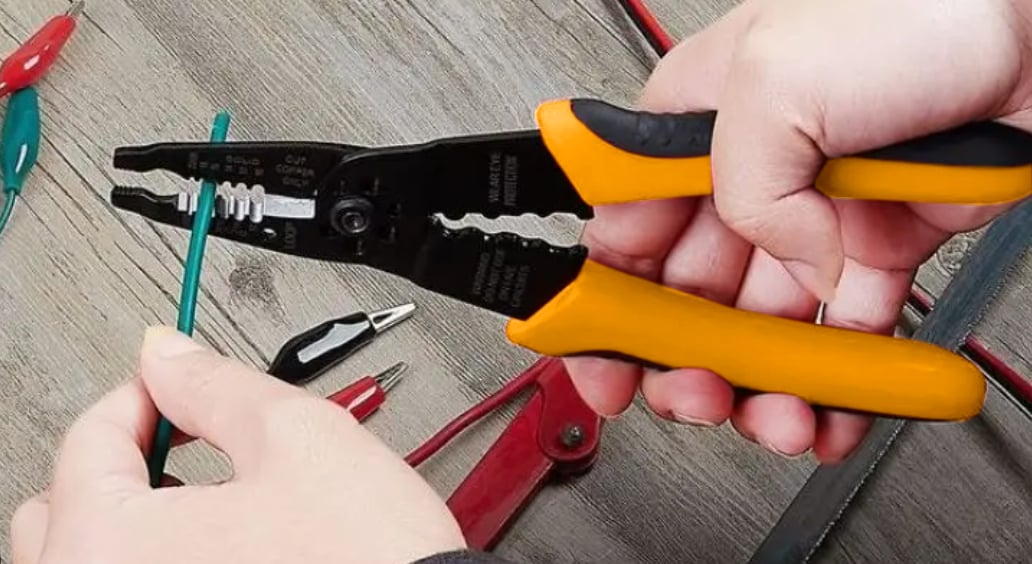
When professionals reach for their equipment on a job site, in a workshop, or on a production floor, they are placing trust not just in a product but in the material science behind it. The performance of hand tools under real working conditions — torque, grip force, repetitive stress — is determined at the metallurgical level long before the tool ever reaches a technician's hand. Tool steel quality is not simply a marketing differentiator; it is the foundational variable that separates professional-grade hand tools from commodity alternatives that fail under pressure.
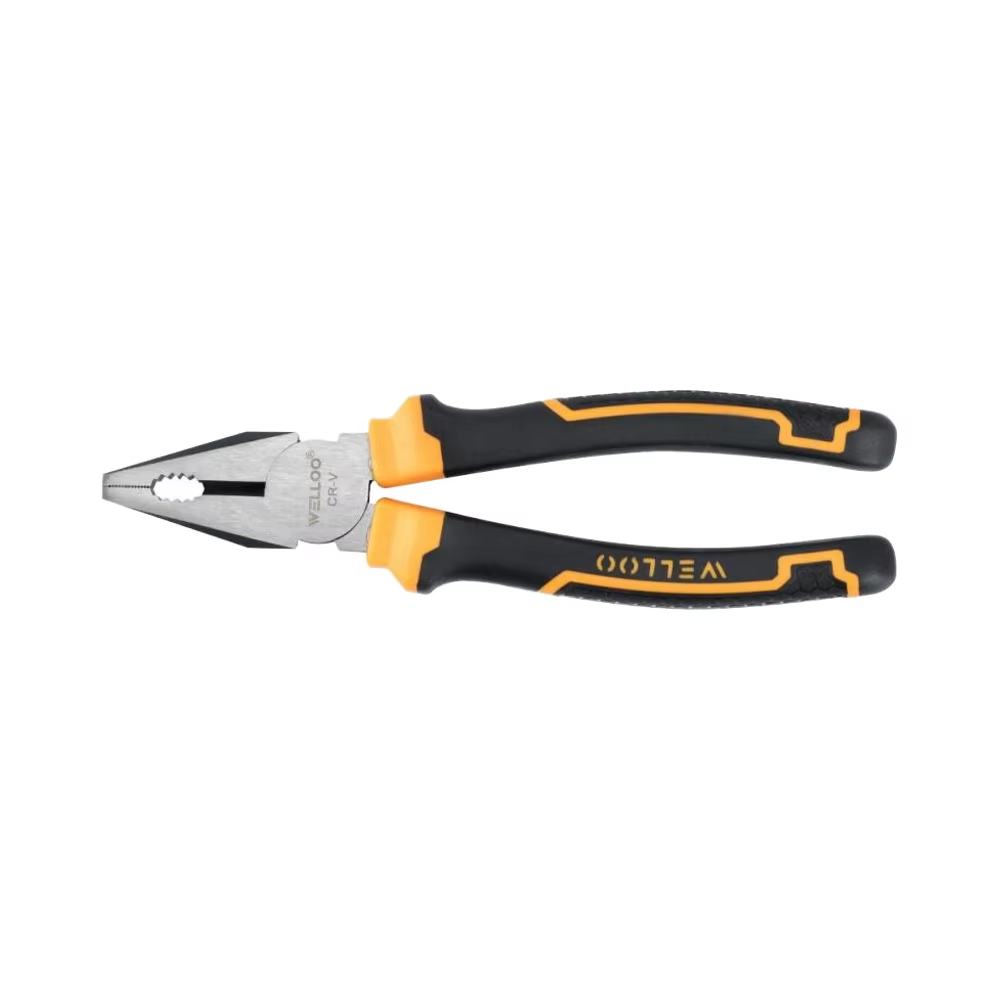
Understanding why tool steel quality functions as the primary metric for evaluating hand tools requires a closer look at what steel grade actually controls: dimensional stability, hardness retention, resistance to deformation, and longevity under cyclic loading. Buyers and procurement specialists in industrial and professional markets who assess hand tools based purely on price or visual appearance frequently discover that the real cost of low-grade steel materializes in premature failure, rework, and safety incidents. This article explains exactly why tool steel quality must be the first and most critical criterion when selecting professional-grade hand tools.
The Material Foundation of Professional-Grade Hand Tools
What Tool Steel Actually Controls in a Hand Tool
Steel is not a single substance — it is a family of alloys with dramatically different performance profiles depending on carbon content, heat treatment, and alloying elements. In the context of hand tools, tool steel determines how much force a tool can withstand before it deforms, cracks, or loses its geometric precision. A pair of pliers, for example, must transmit significant mechanical force through its jaw structure without the jaws springing open, bending out of alignment, or developing stress fractures along the pivot zone.
The hardness of tool steel, typically measured on the Rockwell C scale, directly governs edge retention in cutting tools and dimensional integrity in gripping or fastening tools. Hand tools manufactured from properly heat-treated tool steel maintain their functional geometry across thousands of cycles. Tools made from lower-grade carbon steel or ungraded alloys lose dimensional accuracy quickly, resulting in slipping, rounding of fastener heads, or compromised grip force — all of which increase operational risk on professional job sites.
Beyond hardness, toughness is the equally critical counterpart. A tool steel that is too hard without adequate toughness becomes brittle and prone to catastrophic fracture under impact loads. Professional-grade hand tools are engineered to balance both properties, which is why the specific alloy selection and heat treatment protocol are inseparable from quality judgment. Chrome vanadium steel, commonly abbreviated as CrV, represents one of the most widely adopted tool steel standards in professional hand tools because its alloy chemistry achieves this hardness-toughness balance effectively.
Chrome Vanadium Steel as the Industry Benchmark
Chrome vanadium steel has established itself as the benchmark alloy for professional-grade hand tools across multiple industries including automotive service, construction, manufacturing maintenance, and electrical work. The addition of chromium improves hardenability and corrosion resistance, while vanadium refines the grain structure of the steel, increasing toughness and resistance to impact without sacrificing hardness. This combination makes CrV the preferred material choice for pliers, wrenches, screwdrivers, and other high-stress hand tools.
A Hand Tools product manufactured with verified CrV steel undergoes controlled forging and heat treatment to achieve consistent mechanical properties throughout the entire body of the tool — not just on the surface. This full-body material integrity is what allows professional tools to perform reliably at high force loads without localized failure at stress concentration points such as pivot pins, jaw roots, or handle transition zones.
For procurement decision-makers, the presence of CrV grade designation on a tool specification sheet is one of the most direct indicators of serious engineering intent. However, the designation alone is insufficient without accompanying quality controls such as forging process verification, hardness testing records, and surface treatment standards. Understanding these layers allows buyers to evaluate hand tools with substantially more precision than visual or tactile assessment alone can provide.
How Steel Quality Affects Long-Term Tool Performance
Dimensional Stability Under Repeated Stress
Professional environments subject hand tools to repetitive loading cycles that would expose steel quality deficiencies within weeks of regular use. A wrench applied to a corroded fastener, a pair of pliers used to bend hardened wire, or a screwdriver driving fasteners in tight-access locations — all of these actions generate stress concentrations that low-quality steel cannot absorb consistently. The result is plastic deformation: jaws that no longer close flush, wrench openings that have widened beyond tolerance, or handle-to-head connections that develop micro-fractures.
High-quality tool steel resists plastic deformation because its crystalline structure, refined through proper alloying and heat treatment, distributes applied stress more uniformly across the tool body. This means that professional-grade hand tools retain their original dimensions and functional geometry far longer than lower-grade alternatives. In practical terms, the tool continues to deliver accurate torque transmission, reliable grip, or precise cutting geometry across its entire service life rather than degrading progressively after initial use.
Dimensional stability also has direct implications for fastener and workpiece protection. A wrench that has deformed around its jaw opening will round off fastener heads rather than engaging them cleanly. Pliers with misaligned jaws will mar workpiece surfaces or slip unexpectedly. These outcomes are not just functional failures — they represent downstream rework costs, wasted materials, and elevated injury risk on the job site. Tool steel quality, therefore, is not an abstract metallurgical concern but a concrete determinant of professional productivity and safety.
Corrosion Resistance and Surface Integrity
The working environments where professional hand tools are deployed frequently involve moisture, cutting fluids, chemical exposure, and outdoor conditions. Steel quality governs not only mechanical performance but also the tool's resistance to surface degradation. Higher-grade steel alloys, particularly those with chromium content, develop a more uniform and adherent surface layer after finishing treatments such as chrome plating, nickel plating, phosphate coating, or black oxide treatment.
When surface treatments are applied to properly prepared high-grade steel, the adhesion and coverage quality is significantly superior to the same treatment applied to lower-grade or inconsistently processed steel. This means that professional-grade hand tools retain their surface protection longer, resist rust pitting in humid environments, and maintain their appearance and cleanability throughout their service life. For tools used in food processing, pharmaceutical, or electrical environments where contamination control matters, surface integrity is a functional requirement, not merely an aesthetic one.
Procurement specifications for industrial hand tools should therefore include not only steel grade requirements but also surface treatment standards and adhesion testing protocols. These specifications work together to define a complete quality standard that addresses both the structural and environmental performance demands of professional applications.
The Economics of Tool Steel Quality in Professional Purchasing Decisions
Total Cost of Ownership vs. Unit Price
The purchase price of professional hand tools is a highly visible number that procurement decisions frequently optimize around. However, unit price captures only the initial acquisition cost, not the total cost of ownership over the tool's service life. When tool steel quality is insufficient, failure rates increase, replacement cycles shorten, and secondary costs accumulate in the form of production downtime, warranty claims, replacement labor, and potential liability exposure from tool-related incidents.
A professional workshop that replaces low-quality hand tools every six to twelve months due to jaw deformation, handle fractures, or surface corrosion will spend significantly more over a three-year horizon than a facility that invests in properly specified, professional-grade tools with verified steel quality at the outset. This total cost perspective fundamentally changes the decision calculus for organizations that operate at scale, manage large tool inventories, or depend on tool reliability for production throughput targets.
Beyond direct replacement costs, there is the issue of hidden productivity losses. Technicians working with degraded hand tools experience increased effort per operation, higher rates of fastener and workpiece damage, and reduced confidence in their equipment — all of which reduce efficiency and morale in professional settings. Organizations that treat tool procurement as a quality investment rather than a unit cost exercise consistently report better operational outcomes and lower aggregate tool expenditure over time.
Supplier Qualification and Steel Verification Practices
Given that steel grade designation alone does not guarantee actual quality, professional buyers of hand tools must develop supplier qualification practices that go beyond specification sheets. Credible suppliers of professional-grade tools provide material certifications, heat treatment records, and independent third-party test reports that confirm the mechanical properties of their steel meet the stated grade requirements. These documents form the evidentiary basis for confident procurement decisions.
On-site incoming inspection protocols for hand tools should include hardness spot checks, dimensional verification of critical features, and surface treatment adhesion testing as standard practice for high-volume or high-criticality tool procurement. These procedures do not require extensive laboratory infrastructure — portable hardness testers and dimensional gauges can confirm compliance efficiently at incoming inspection points.
Building supplier relationships based on transparent quality data and traceable process documentation enables organizations to make steel-quality-based procurement decisions for hand tools with confidence and consistency. This approach reduces the risk of inadvertent quality downgrades when supply chain changes occur and ensures that professional performance standards are maintained across tool categories and replenishment cycles.
Ergonomics and Handle Design as Steel Quality Complements
How Handle Material Interacts with Steel Performance
While tool steel quality is the primary determinant of structural performance in professional hand tools, the ergonomic design of the handle is the interface through which the tool's capabilities are actually delivered to the user. A high-quality steel body paired with a poorly designed handle limits the usable force range and increases fatigue during extended use. Conversely, an ergonomically optimized handle on a properly engineered steel body maximizes the proportion of user effort that translates into productive work output.
Modern professional hand tools increasingly use thermoplastic rubber, commonly known as TPR, as the handle covering material. TPR provides a non-slip grip surface that maintains traction in wet or oily conditions, absorbs vibration to reduce fatigue over extended use cycles, and offers a degree of electrical insulation appropriate for general electrical work. The combination of a CrV steel body with a soft TPR handle represents a well-engineered integration of structural performance and user interface quality.
Handle geometry, grip diameter, and surface texture all influence how effectively the user can apply force through the tool to the workpiece. Professional-grade hand tools are designed with these ergonomic parameters optimized for the specific application — whether that involves high pinch force for wire work, sustained grip for fastener tightening, or precision control for fine assembly tasks. This design integration means that steel quality and handle quality are complementary quality dimensions, both of which must meet professional standards for the tool to deliver fully on its performance promise.
Size Selection and Application Matching
Professional-grade hand tools are available in carefully calibrated size ranges to match the force and clearance requirements of specific applications. Pliers, for example, are commonly offered in 160mm, 180mm, and 200mm versions, each optimized for different workpiece sizes and force levels. The steel quality requirements are consistent across these sizes, but the physical proportions determine the mechanical advantage and reach characteristics that align the tool with its intended application context.
Selecting the appropriate size within a professional hand tools range is an application-engineering decision, not just a preference. Using an undersized tool for a high-force application increases stress concentration at the pivot and handle transition zones, accelerating fatigue even in well-made steel. Using an oversized tool in a confined space creates access and control limitations that reduce precision and increase the probability of unintended workpiece contact.
Organizations that invest in properly sized tool sets matched to their specific task profiles maximize the return on their tool steel quality investment. The best material in the world does not deliver optimal results if the tool geometry is mismatched to the application. Professional procurement should therefore treat size selection and steel quality as jointly optimized variables in tool specification decisions involving hand tools.
FAQ
Why is CrV steel specifically preferred for professional hand tools over standard carbon steel?
Chrome vanadium steel offers a superior balance of hardness and toughness compared to standard carbon steel. The chromium content improves hardenability and corrosion resistance, while vanadium refines the grain structure for enhanced impact resistance. This combination allows professional hand tools made from CrV to withstand high cyclic loads without deforming or fracturing, making it the preferred material for demanding professional applications where carbon steel tools would fail prematurely.
How can a buyer verify tool steel quality when purchasing hand tools from a supplier?
Buyers should request material certifications, heat treatment process documentation, and third-party mechanical test reports that confirm hardness values and tensile strength for the specific steel grade claimed. Incoming inspection using portable hardness testers provides a practical field verification method. For large procurement volumes, establishing supplier qualification audits that review raw material sourcing, forging processes, and quality control records provides the most reliable assurance of consistent steel quality in hand tools.
Does tool steel quality affect the safety of hand tools in professional environments?
Yes, tool steel quality has direct safety implications. Tools made from low-quality or improperly heat-treated steel are prone to sudden fracture, jaw deformation, or handle failure under high load — all of which create injury risk for the user. Professional-grade hand tools with verified steel quality maintain their structural integrity under expected service loads, reducing the probability of tool-related incidents. Safety standards for professional tools in many industrial sectors implicitly assume adequate steel quality as a baseline compliance requirement.
Is the handle material on professional hand tools as important as the steel grade?
Handle material is an important complementary quality dimension but is secondary to steel grade as a structural performance determinant. The steel body governs how much force the tool can safely transmit, while the handle governs how effectively the user can apply and control that force. For professional applications, a high-quality TPR handle on a CrV steel body represents the appropriate pairing — the handle enhances grip, reduces fatigue, and provides vibration damping, while the steel ensures the tool's structural reliability throughout its service life. Neither element should be compromised in professional-grade hand tools.
Table of Contents
- The Material Foundation of Professional-Grade Hand Tools
- How Steel Quality Affects Long-Term Tool Performance
- The Economics of Tool Steel Quality in Professional Purchasing Decisions
- Ergonomics and Handle Design as Steel Quality Complements
-
FAQ
- Why is CrV steel specifically preferred for professional hand tools over standard carbon steel?
- How can a buyer verify tool steel quality when purchasing hand tools from a supplier?
- Does tool steel quality affect the safety of hand tools in professional environments?
- Is the handle material on professional hand tools as important as the steel grade?