 EN
EN

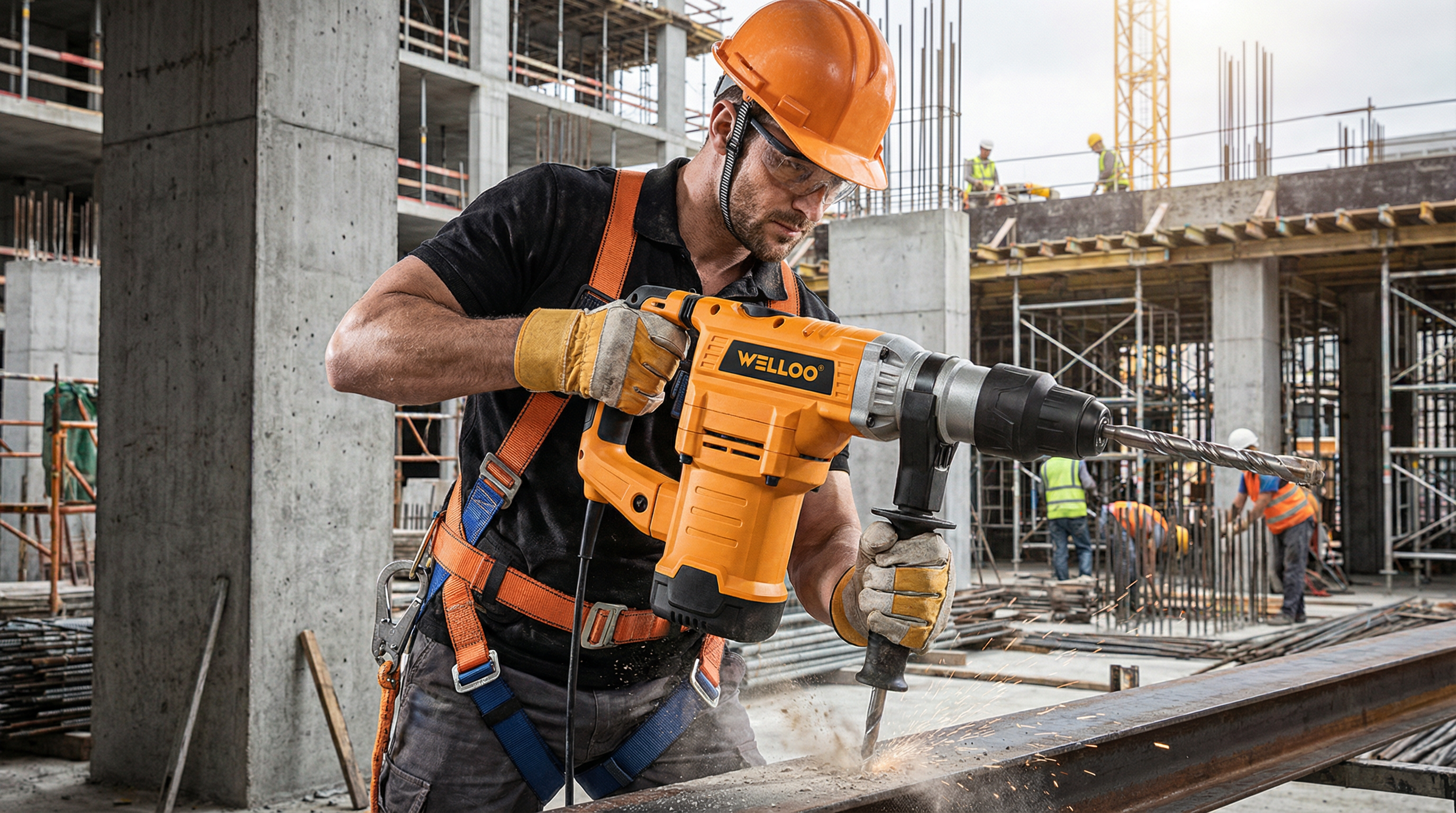
When sourcing Hand Tools at scale for global distribution, the stakes are considerably higher than a simple retail purchase. Procurement managers, logistics coordinators, and B2B buyers must navigate a complex landscape where product quality, regulatory compliance, and international shipping requirements converge. A single shipment of non-compliant Hand Tools can trigger customs delays, failed inspections, returned cargo, or even legal liability depending on the destination market. Understanding how ISO standards apply to bulk purchasing decisions is not just a technical formality — it is a strategic competency that protects your supply chain from preventable disruptions.
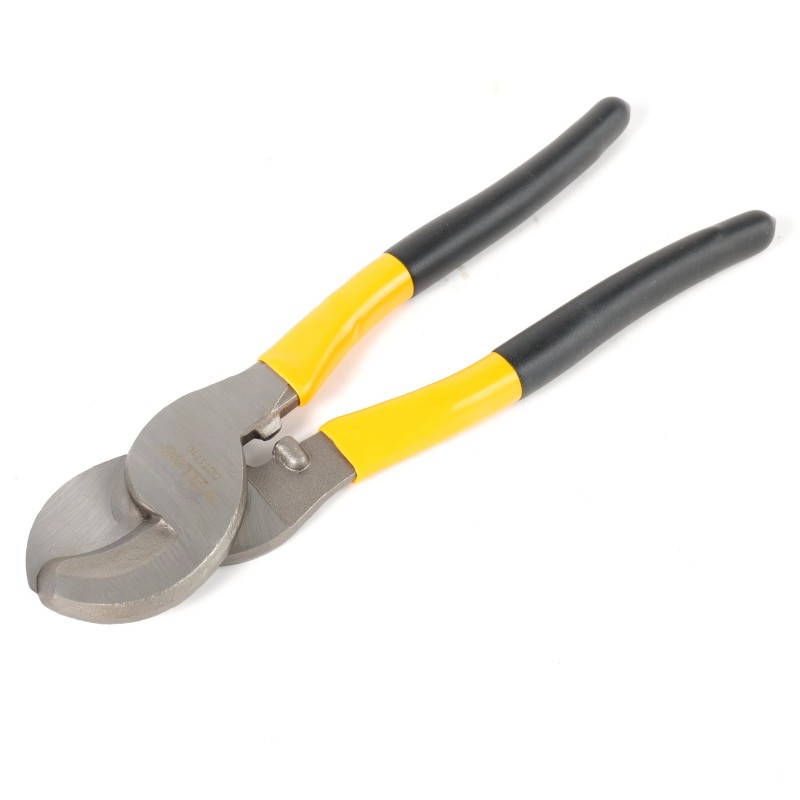
This guide is written specifically for buyers and sourcing professionals who procure Hand Tools in volume and need a practical framework for verifying ISO compliance before committing to large orders. Whether you are importing crimping pliers, wire strippers, cable cutters, or multi-function workshop tools, the verification process follows a consistent logic that can be applied across product categories. The goal here is not to explore ISO theory in abstract terms — it is to give you actionable steps to confirm that the Hand Tools you purchase meet the international standards your markets and logistics partners demand.
Why ISO Standards Matter When Buying Hand Tools in Bulk
The Role of ISO in International Trade Compliance
ISO standards are internationally recognized benchmarks developed by the International Organization for Standardization to ensure that products, services, and processes meet consistent quality, safety, and efficiency requirements. For Hand Tools, ISO standards cover dimensions, material grades, mechanical performance, surface treatment, and testing methodologies. When you are shipping Hand Tools across borders, customs authorities in many markets — especially in the EU, North America, and parts of Asia — require documentation that confirms these tools comply with relevant international or regional standards.
Without this documentation, your shipment may be held at the port of entry pending further inspection or testing. In some cases, non-compliant Hand Tools are flagged for re-export or destruction, resulting in financial losses that far outweigh the cost of proper pre-shipment verification. For bulk orders, the financial exposure is magnified, making ISO compliance verification an essential step in any responsible procurement workflow.
Beyond customs compliance, ISO-certified Hand Tools also signal to your downstream customers — whether they are industrial distributors, construction contractors, or maintenance professionals — that the products they are using have been designed and tested according to internationally accepted safety and performance criteria. This directly supports your brand reputation and reduces liability exposure in professional use environments.
Common ISO Standards Applicable to Hand Tools
Several ISO standards are directly relevant to the procurement of Hand Tools. ISO 5743 covers pliers and related gripping tools, defining dimensional tolerances, jaw hardness, and mechanical strength requirements. ISO 11117 and related standards address wire cutting tools, including the performance expectations for cable cutters and crimping tools under load. Understanding which specific ISO standard governs the type of Hand Tools you are purchasing allows you to ask your supplier the right verification questions from the outset.
For electricians' and cable-related Hand Tools, standards such as IEC 60900 (relating to insulated tools for live working) may also apply alongside ISO frameworks. When purchasing tools intended for electrical applications — like crimping pliers or wire stripping tools — verifying both ISO mechanical compliance and IEC insulation ratings is critical, particularly for markets with strict occupational safety regulations. Knowing the standards landscape in advance allows you to build a compliance checklist before you even request samples.
How to Verify ISO Compliance Before Placing a Bulk Order
Requesting and Validating Supplier Certification Documents
The first step in verifying ISO compliance for Hand Tools is requesting formal certification documentation from your supplier. This includes ISO test reports, factory audit certificates, and — where applicable — third-party inspection reports from accredited testing laboratories. A credible supplier of professional-grade Hand Tools should be able to provide these documents without hesitation. If a supplier is evasive or provides only marketing literature rather than actual test data, treat this as a significant red flag in your procurement evaluation.
When you receive certification documents, verify their authenticity by cross-referencing the certifying body's name with its accreditation status. Testing laboratories should hold accreditation from bodies such as ILAC (International Laboratory Accreditation Cooperation) member organizations. Documents from non-accredited labs carry limited value in cross-border trade and may not satisfy customs or import requirements in regulated markets. Always check the issue date of any ISO test report — standards are periodically revised, and a report based on an outdated standard version may no longer be sufficient.
For Hand Tools destined for the European market, the CE marking framework requires that relevant EU directives (such as the Machinery Directive or PPE Regulation) are satisfied. While CE marking is not the same as ISO certification, the two are often aligned, and suppliers of professional-grade Hand Tools should be able to explain how their ISO compliance connects to CE declaration requirements if Europe is your target market.
Using Third-Party Inspection Services for Pre-Shipment Verification
Relying solely on supplier-provided documentation is not sufficient for high-volume orders. Engaging an independent third-party inspection service to conduct pre-shipment verification of your Hand Tools adds a critical layer of assurance. These services typically include visual inspection, dimensional checks, material hardness testing, and functional performance testing — all compared against the relevant ISO standards for the specific tool category.
For Hand Tools such as crimping pliers or cable cutters, pre-shipment inspection should include tests of jaw alignment, handle grip integrity, cutting force thresholds, and spring mechanism reliability. These functional tests directly reflect the performance criteria defined in relevant ISO standards and give you objective data to evaluate whether the production batch meets the specifications you agreed upon during sourcing.
Pre-shipment inspection reports also serve as documentary evidence in the event of a dispute with your supplier or a customs authority. Having detailed third-party test results that confirm ISO compliance for your Hand Tools can significantly expedite customs clearance in markets where product certification is scrutinized. Reputable inspection companies with global coverage can conduct on-site inspections at your supplier's facility before goods are packed and shipped, reducing the risk of non-compliant products entering your supply chain.
Integrating ISO Verification Into Your Bulk Procurement Workflow
Building a Compliance Checklist for Hand Tool Sourcing
Effective ISO verification for Hand Tools does not happen ad hoc — it requires a structured compliance checklist integrated into your standard sourcing workflow. This checklist should begin at the supplier qualification stage and continue through sample evaluation, production monitoring, and pre-shipment inspection. Each stage of the procurement process should have clearly defined ISO-related checkpoints that must be satisfied before advancing to the next phase.
Your checklist for Hand Tools should include items such as: confirming the specific ISO standard applicable to each tool type, requesting relevant test reports dated within the past 12 to 24 months, verifying the accreditation status of the testing laboratory, reviewing the factory's quality management certification (typically ISO 9001), and scheduling a pre-shipment inspection for orders above a defined volume threshold. This systematic approach eliminates the inconsistency that often leads to compliance failures in bulk procurement.
It is also wise to incorporate contractual language in your purchase agreements that explicitly references the required ISO standards for the Hand Tools being purchased. This creates a legally enforceable quality obligation and gives you clear grounds for rejection or compensation if the delivered goods fail to meet the specified standards. Many experienced procurement teams use standard ISO compliance clauses in their supplier contracts as a routine risk management measure.
Managing ISO Documentation for Customs and Logistics Partners
Once you have verified ISO compliance for your Hand Tools, organizing and presenting that documentation correctly to customs authorities and logistics partners is equally important. Different destination markets may require specific formats, translations, or accompanying declarations. Working with a freight forwarder or customs broker who is familiar with the requirements of your target markets can help you prepare a documentation package that minimizes the risk of clearance delays.
For Hand Tools entering the EU, maintaining a Technical File that includes ISO test reports, declaration of conformity, and manufacturing quality documentation is a standard requirement under several product safety frameworks. For North American imports, OSHA-aligned testing documentation and ANSI/ASME compliance records may be required alongside ISO certifications, depending on the specific tool category and end-use environment. Understanding these market-specific nuances in advance prevents last-minute document scrambles that delay delivery schedules.
Maintaining a centralized digital archive of all compliance documentation for your Hand Tools inventory — organized by product category, supplier, and ISO standard version — dramatically improves your team's responsiveness to audit requests, port authority queries, and distributor compliance checks. This documentation infrastructure is not overhead; it is a competitive asset that enables faster market entry and more reliable supply chain operations.
Key Factors That Affect ISO Compliance Across Different Hand Tool Categories
Material and Manufacturing Process Standards
The material composition of Hand Tools is one of the most fundamental factors governing ISO compliance. Drop-forged chrome-vanadium steel, for example, is a commonly referenced material in ISO standards for pliers and wrenches because of its combination of hardness and toughness. When evaluating supplier compliance for bulk Hand Tools orders, requesting material certificates (mill certificates) that confirm the steel grade used in production is a standard practice in professional procurement.
Beyond raw material, manufacturing processes such as heat treatment, surface hardening, and plating directly affect whether finished Hand Tools meet ISO durability and corrosion resistance requirements. Suppliers should be able to provide process documentation that confirms their heat treatment parameters and finishing methods align with the standards applicable to the tool category. Without this process transparency, even tools made from the correct raw materials may fail ISO performance tests if manufacturing execution is inconsistent.
Ergonomics and Safety Design Requirements
Modern ISO standards for Hand Tools increasingly address ergonomic design and user safety in addition to purely mechanical performance. Standards covering handle dimensions, grip surface materials, insulation requirements for electricians' tools, and force-to-operate specifications are designed to reduce occupational injury risks and ensure usability across diverse user populations. When buying Hand Tools in bulk for professional or industrial markets, verifying ergonomic compliance can be a differentiator that affects your product's acceptance by safety-conscious distributors and end users.
For cable management and electrical installation tools specifically, the insulation quality of Hand Tools is both an ISO and an IEC concern. Suppliers should provide dielectric testing documentation confirming the voltage resistance of insulated handles, along with the specific testing protocols used. This level of documentation is routinely required by industrial distributors serving the electrical trades, and having it ready in advance demonstrates procurement professionalism and reduces friction in your sales channel.
FAQ
What ISO standards should I look for when purchasing crimping pliers or cable cutters in bulk?
For crimping pliers and cable cutters, relevant ISO standards include ISO 5743 (pliers and tongs), ISO 11117 (wire cutters), and potentially IEC 60900 if the tools are intended for use on or near live electrical systems. Always confirm with your supplier which specific standard versions their test reports reference and verify that those reports were issued by an ILAC-accredited laboratory.
How often should ISO compliance documentation for Hand Tools be renewed?
ISO test reports for Hand Tools are generally considered current for 12 to 24 months, depending on the destination market's requirements and whether the applicable standard has been revised. ISO 9001 factory quality management certifications are typically renewed on a three-year cycle with annual surveillance audits. Always check report dates before finalizing a bulk order, especially if you are dealing with a supplier you have not worked with recently.
Can a supplier's ISO 9001 certification substitute for product-specific ISO compliance testing?
No. ISO 9001 certifies that a factory operates a documented quality management system — it does not certify that any specific product meets a particular technical standard. For Hand Tools, product-level ISO compliance must be confirmed through separate test reports that evaluate the actual tool against the relevant product performance standard. ISO 9001 is a positive indicator of manufacturing discipline, but it cannot replace product-specific testing documentation.
What should I do if a supplier cannot provide ISO test reports for their Hand Tools?
If a supplier cannot provide ISO test reports for their Hand Tools, you have two options: require them to commission independent testing at an accredited laboratory before you place your order, or arrange for your own third-party pre-production testing of samples at your cost. If a supplier refuses both options, this is a strong signal that their products may not meet the required standards, and proceeding with a bulk purchase represents a significant compliance and financial risk for your business.
Table of Contents
- Why ISO Standards Matter When Buying Hand Tools in Bulk
- How to Verify ISO Compliance Before Placing a Bulk Order
- Integrating ISO Verification Into Your Bulk Procurement Workflow
- Key Factors That Affect ISO Compliance Across Different Hand Tool Categories
-
FAQ
- What ISO standards should I look for when purchasing crimping pliers or cable cutters in bulk?
- How often should ISO compliance documentation for Hand Tools be renewed?
- Can a supplier's ISO 9001 certification substitute for product-specific ISO compliance testing?
- What should I do if a supplier cannot provide ISO test reports for their Hand Tools?