 EN
EN

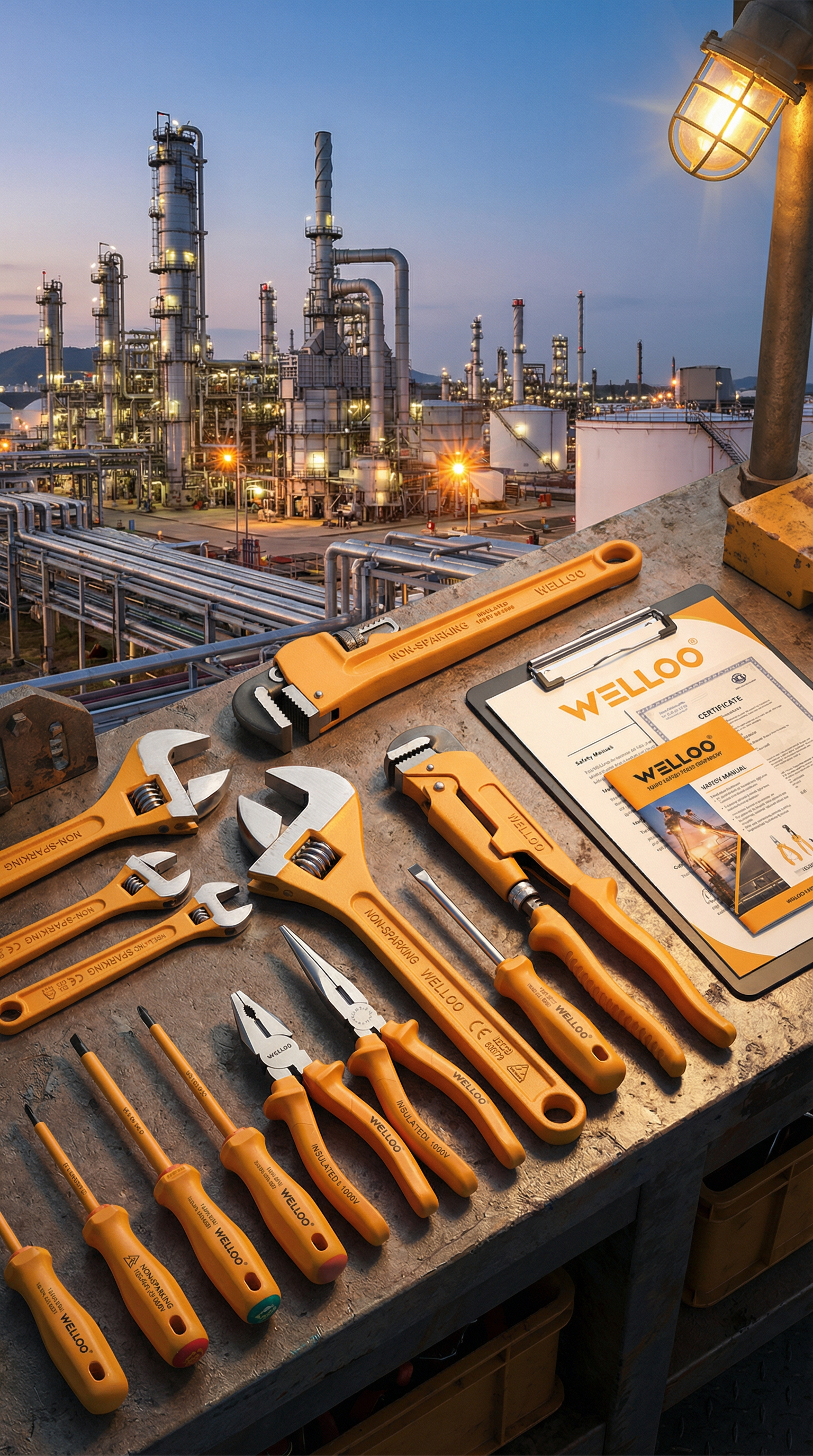
For procurement managers and operations directors sourcing Hand Tools at scale, the tension between upfront cost and long-term durability is one of the most consequential decisions in the supply chain. Purchase the cheapest available option and you risk accelerated replacement cycles, safety incidents, and hidden productivity losses. Invest too heavily without a structured evaluation framework and you may overspend on specifications your workforce never fully utilizes. Neither extreme serves a well-run operation, and the B2B market increasingly demands a more disciplined middle ground.
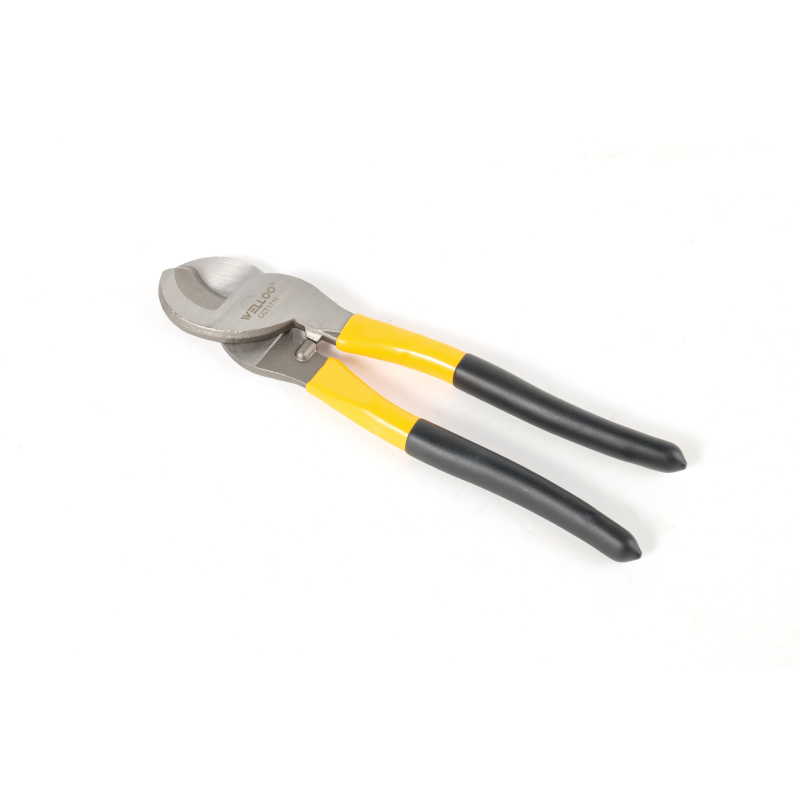
This guide is designed specifically for B2B buyers navigating the procurement of hand tools across industries such as manufacturing, construction, facilities management, and maintenance, repair, and operations (MRO). It unpacks the critical factors that drive durability, explains how total cost of ownership applies to hand tool procurement, and provides practical frameworks for evaluating suppliers, setting category policies, and making defensible purchasing decisions. Whether you manage a modest tool budget or oversee enterprise-level procurement, the principles here will help you align cost discipline with operational reliability.
Understanding the True Cost of Hand Tools in B2B Procurement
Why Unit Price Is a Misleading Benchmark
In B2B procurement, it is tempting to anchor every tool purchase decision on unit price. A lower price-per-piece reduces the line item on the purchase order and satisfies short-term budget targets. However, unit price fails to account for replacement frequency, warranty claim processing costs, downtime caused by tool failure, and the cumulative labor cost associated with managing a high-turnover tool inventory. When these factors are modeled over a 12- or 24-month period, low-cost hand tools often generate higher total expenditure than mid-tier or premium alternatives.
Consider a scenario common in manufacturing environments: a set of hand tools purchased at a 30% discount requires replacement every four months due to handle wear and material fatigue. A comparable set purchased at full market rate lasts 14 months under the same conditions. Once you factor in purchase order processing, receiving, and inventory management labor, the low-cost option may cost 60% more over two years. This is the core argument for total cost of ownership (TCO) as the primary evaluation metric for hand tool procurement.
Procurement teams that have shifted from unit-price to TCO-based evaluation consistently report fewer tool-related production stoppages, lower warranty administration burden, and improved technician satisfaction. Establishing this mindset organization-wide often requires educating internal stakeholders — including plant managers and finance partners — on why a slightly higher initial price for hand tools is frequently the more cost-effective decision.
Mapping the Cost Categories in Hand Tool TCO
A rigorous TCO analysis for hand tools should include several distinct cost categories beyond purchase price. Replacement and disposal costs are often the largest hidden variable — tools that wear out quickly generate recurring purchase cycles and waste management responsibilities. In regulated industries, improper disposal of worn hand tools with chemical coatings or composite materials may also carry compliance costs.
Downtime costs deserve particular attention in production-critical environments. When a hand tool fails mid-task — whether it is a stripped ratchet, a cracked wrench jaw, or a handle that separates under torque — the technician must stop work, locate a replacement, and potentially re-examine work already completed. In high-throughput environments, even a five-minute interruption per technician per day aggregates into measurable productivity loss across a workforce.
Storage, tracking, and loss-prevention overhead are also legitimate TCO components. Cheaper hand tools often lack consistent dimensional tolerancing, making organized tool storage harder to maintain. Premium hand tools with standardized designs and identifiable finishes tend to integrate better with tool control systems such as foam-inlay shadow boards or automated tool dispensing cabinets. The operational efficiency of a well-organized tool room translates directly into labor savings over time.
What Makes Hand Tools Genuinely Durable
Material Selection and Its Performance Implications
Durability in hand tools is not a vague quality attribute — it is a direct function of material selection, manufacturing process, and design engineering. For cutting, gripping, and turning tools, the base material is the most fundamental durability driver. Chrome vanadium steel (CrV) is the industry benchmark for pliers, wrenches, and similar tools because its alloy composition provides an optimal balance of hardness, toughness, and resistance to deformation under stress. Tools manufactured from lower-grade carbon steel may appear identical on the surface but will show measurable degradation in jaw geometry or handle strength after sustained professional use.
For hand tools used in corrosive environments — marine, chemical processing, food production, or outdoor maintenance — the surface treatment is as important as the base material. Chrome plating, nickel plating, and powder coating each offer different levels of corrosion resistance and abrasion durability. Procurement buyers should request material and coating specifications rather than accepting generic claims of rust resistance. Verifiable technical data sheets are the standard in professional B2B sourcing and should be a baseline expectation from any serious hand tool supplier.
Handle materials also play a major role in tool lifespan and usability. Thermoplastic rubber (TPR) over-molds provide cushioning, chemical resistance, and grip retention across a range of temperatures and moisture conditions. Hard plastic handles may be cheaper to produce but tend to crack under impact and degrade with repeated exposure to oils and solvents common in industrial settings. From a procurement standpoint, specifying handle material requirements in your sourcing brief signals professionalism and ensures suppliers compete on relevant product quality rather than superficial appearance.
Manufacturing Process and Quality Consistency
Even the best-specified materials produce unreliable hand tools if manufacturing processes are inconsistent. Drop-forged construction — where the tool blank is shaped under high-pressure impact rather than cast in a mold — produces significantly denser, stronger tool heads compared to cast alternatives. This matters most for tools subjected to high torque or impact loading, such as combination wrenches, pliers with cutting edges, and striking tools.
Quality consistency across a production batch is equally critical for B2B buyers purchasing in volume. A single tool specification that varies in hardness, weight, or dimensional tolerance across a shipment creates downstream problems: some tools perform well while others fail early, making it difficult to establish reliable replacement schedules or train users on consistent performance expectations. Requesting batch testing data or third-party certification from suppliers helps ensure the hand tools you receive match what was specified at the time of order.
Reputable hand tool suppliers in the B2B market will typically offer documentation of their quality control processes, including hardness testing results, dimensional inspection records, and in some cases drop-test or fatigue-test certifications. Buyers who invest time in pre-qualification supplier audits tend to experience significantly fewer quality disputes and return logistics costs over a multi-year supply relationship.
Developing a B2B Procurement Strategy for Hand Tools
Segmenting Your Tool Inventory by Use Case
Not all hand tools in a B2B environment carry the same risk or replacement profile. A practical procurement strategy begins with segmenting your tool inventory by use frequency, task criticality, and environmental exposure. High-use tools in production-critical applications — such as assembly pliers or torque wrenches on a manufacturing line — warrant investment in premium-grade specifications and should be sourced with warranty and replacement programs in mind. Low-use tools in general maintenance roles may be adequately served by mid-tier options without meaningful impact on operations.
Creating a tool classification matrix helps procurement teams apply spending discipline without sacrificing performance where it matters. Category A tools are those whose failure would directly impact production output, quality compliance, or safety. Category B tools support operations but have sufficient redundancy or lower criticality. Category C tools are general-purpose items used sporadically. Applying different budget and specification standards to each category allows organizations to optimize spending across their full hand tool portfolio rather than applying a single blanket policy.
This segmented approach also facilitates more strategic supplier conversations. Rather than pursuing the lowest price across your entire hand tool catalogue, you can engage suppliers about tiered product lines that match your category framework, negotiate volume terms on high-volume Category B and C items, and establish service-level agreements for Category A tools including guaranteed lead times and warranty response.
Supplier Evaluation Criteria Beyond Price
Selecting the right hand tool supplier for a B2B organization requires evaluating dimensions that go well beyond catalog pricing. Technical competency is a primary criterion — does the supplier understand the applications your tools will be used in, and can they provide relevant product specifications, material certificates, and application guidance? A supplier who engages substantively with your technical requirements is far more likely to deliver consistent product quality than one who competes purely on price.
Supply chain reliability is equally important, particularly for organizations with just-in-time maintenance schedules or production environments where tool availability directly affects throughput. Evaluate suppliers on lead time consistency, minimum order quantity flexibility, and responsiveness to urgent requests. Long-term B2B hand tool relationships benefit enormously from suppliers who maintain safety stock on key SKUs and communicate proactively about supply disruptions or specification changes.
After-sales support — including warranty processing efficiency, returns handling, and access to technical support — rounds out the supplier evaluation picture. A hand tool partner who makes warranty claims straightforward and resolves product disputes promptly reduces your administrative burden and demonstrates confidence in their product quality. These operational factors compound significantly over multi-year supply agreements and should be weighted accordingly in your RFQ evaluation scorecards.
Ergonomics as a Hidden Procurement Variable
The Operational Case for Ergonomic Hand Tools
Ergonomics is sometimes treated as a secondary consideration in B2B hand tool procurement, behind durability and price. In reality, the ergonomic design of hand tools has measurable consequences for worker productivity, injury rates, and long-term workforce health costs. Tools that require excessive grip force, create pressure points on the palm, or produce vibration fatigue increase the risk of repetitive strain injuries — a significant liability exposure and HR cost for any organization with a large technical workforce.
Ergonomically designed hand tools with contoured handles, soft TPR grips, and appropriate weight balance reduce fatigue during extended-use tasks. Technicians using well-designed tools work more consistently across a full shift, make fewer errors caused by discomfort or reduced dexterity, and report higher job satisfaction. These outcomes translate into measurable operational benefits including higher task completion rates, lower defect incidence in assembly work, and reduced absenteeism from musculoskeletal complaints.
For procurement, the implication is that ergonomic quality should be evaluated alongside material quality and price when assessing hand tools. Requesting physical samples and conducting structured user trials before committing to large volume orders is a best practice that validates ergonomic fit for your specific workforce and task environment. This investment in pre-procurement evaluation frequently prevents costly post-purchase dissatisfaction or health incident investigations.
Ergonomic Standards and Specification Guidance
Several international standards provide guidance on ergonomic requirements for hand tools, including EN ISO 9355 (ergonomic requirements for the design of displays and control actuators) and guidelines from national occupational health bodies. While compliance with these standards is not always mandatory, referencing them in your supplier specifications signals procurement maturity and filters out suppliers whose products have not been designed with professional ergonomic principles in mind.
Key ergonomic specification parameters for hand tools include handle diameter and grip circumference (typically 30–45mm for optimal grip force), handle surface texture for grip security in wet or oily conditions, tool weight relative to task requirements, and the geometry of jaw or tip designs that minimize awkward wrist positions. Including these parameters in your product brief transforms ergonomics from a vague preference into a measurable procurement requirement.
Organizations that formalize ergonomic specifications in their hand tool category policy also simplify the supplier qualification process. Suppliers who cannot provide relevant design data or whose products clearly fall outside specified parameters are disqualified early, reducing time spent evaluating unsuitable options. This efficiency benefit is particularly valuable for procurement teams managing large catalogues of hand tools across multiple sites.
FAQ
How do I justify higher hand tool spending to finance stakeholders?
The most effective approach is to present a total cost of ownership comparison rather than a unit price comparison. Build a simple model that includes purchase price, estimated replacement frequency, disposal costs, and downtime cost per tool failure. When finance teams see that premium hand tools reduce overall category spend over a 24-month period, the investment case becomes straightforward. Adding data on warranty claim reduction and injury risk mitigation further strengthens the business case.
What certifications should I look for when sourcing hand tools in bulk?
For professional-grade hand tools, relevant certifications include ISO 9001 quality management system certification for the manufacturer, material certificates confirming steel alloy composition (such as CrV steel), and product-specific standards such as DIN or ANSI specifications for tool geometry and performance. In markets with strict safety compliance requirements, CE marking or equivalent national standards may also be applicable. Always request documentation rather than accepting verbal assurances.
How often should hand tools be replaced in an industrial setting?
Replacement frequency depends on tool type, use intensity, and the quality tier of the product. High-quality hand tools used in typical MRO or assembly environments should last between one and five years before requiring replacement, with proper maintenance and storage. Tools in heavy-duty production environments with daily high-torque use may require annual review. Establishing a formal tool inspection protocol — checking for jaw wear, handle integrity, and functional performance — allows you to replace tools based on condition rather than arbitrary schedules, optimizing both safety and cost.
Is it better to standardize on a single hand tool supplier or use multiple vendors?
Single-source or preferred-supplier strategies for hand tools typically deliver better pricing leverage, more consistent product quality, and simpler inventory management. However, maintaining at least one qualified alternative supplier is advisable to protect against supply disruptions. A practical approach is to consolidate 70–80% of your hand tool spend with a primary supplier while qualifying one secondary source for critical categories. This balances the efficiency benefits of concentration with the resilience of supply chain diversification.