 EN
EN

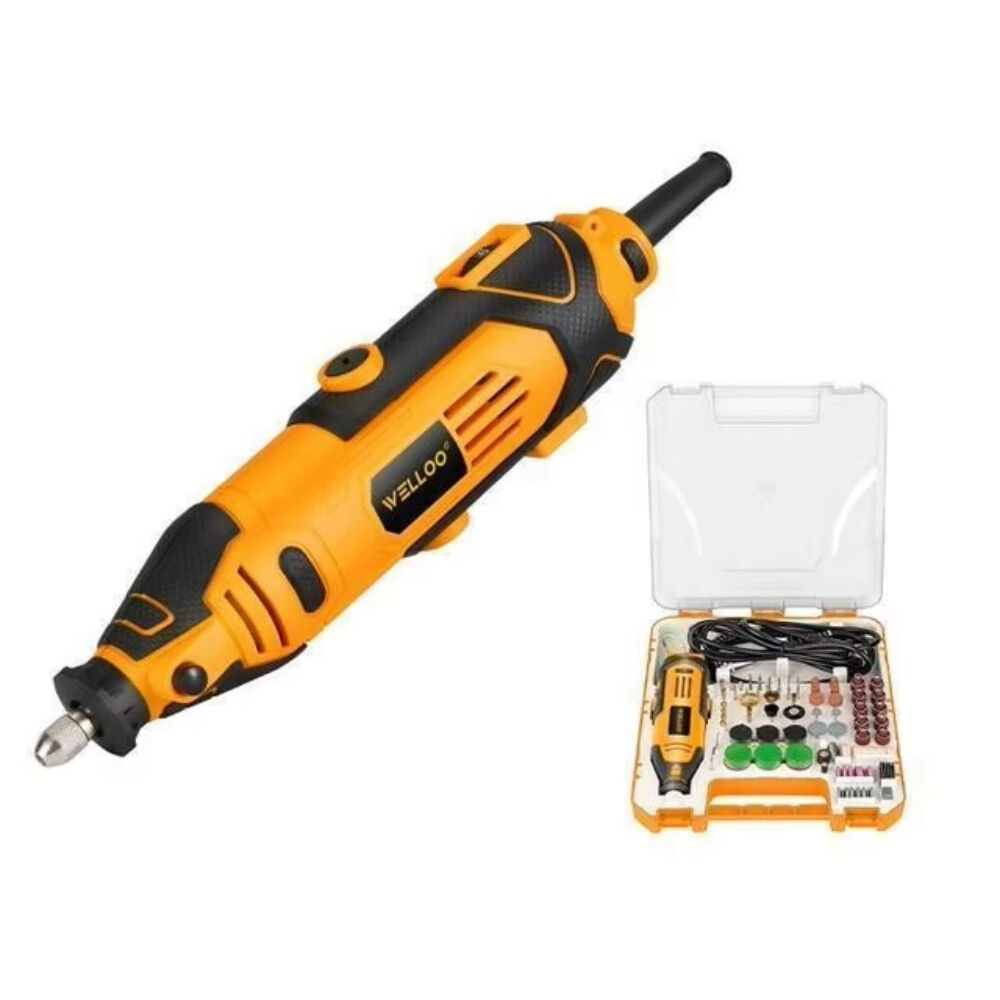
When sourcing Power Tools at scale, the stakes are considerably higher than a single retail purchase. A large procurement order for impact drills can represent a significant capital investment, and any performance shortfall discovered after delivery can cause costly project delays, returns, warranty disputes, and damaged business relationships. The challenge is not simply finding a supplier who claims to meet your specifications — it is systematically verifying that those claims hold up under the rigorous conditions your end users will impose on the equipment.
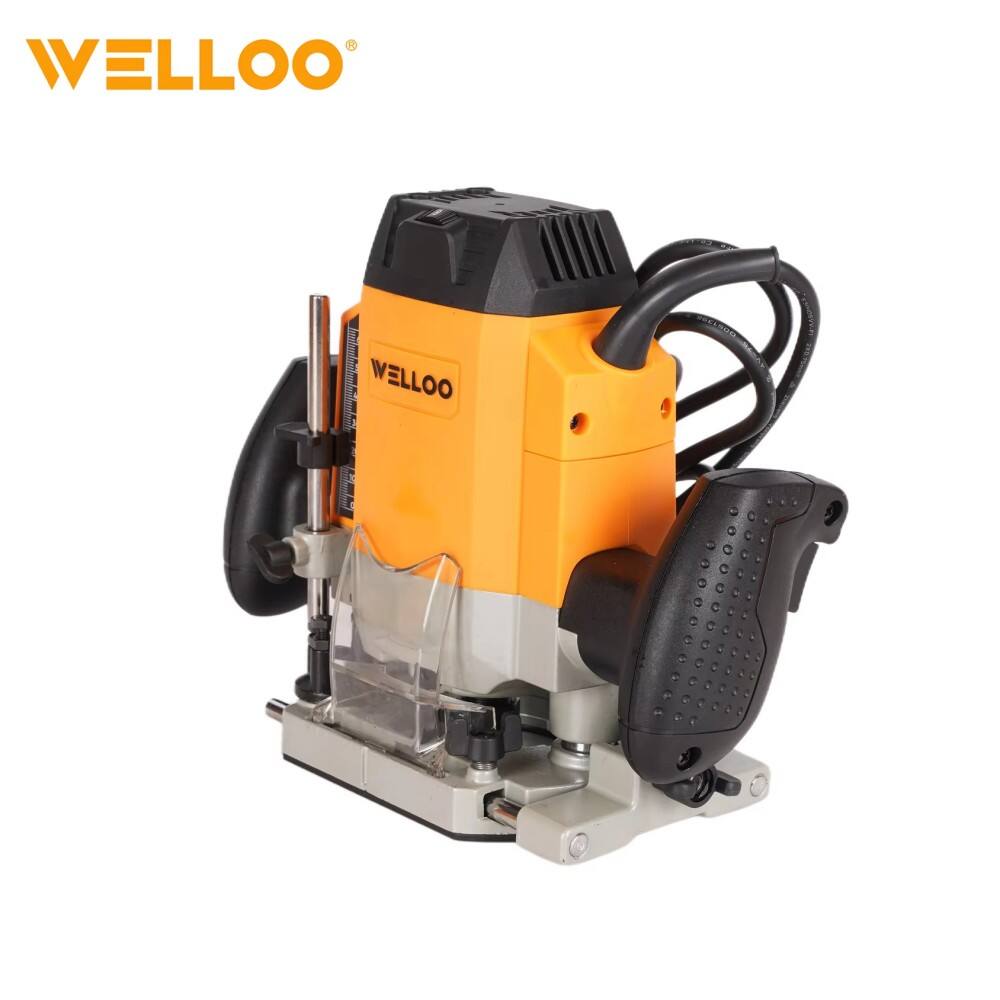
This is precisely why performance testing protocols and structured supplier vetting processes have become essential pillars of responsible industrial procurement. Buyers who deal in Power Tools — particularly heavy-duty impact drills used in construction, automotive repair, and industrial maintenance — need a reliable framework to evaluate supplier capabilities before committing to volume orders. This article walks through the key testing methodologies, supplier audit criteria, and decision checkpoints that procurement professionals should apply when vetting impact drill suppliers for large-scale purchases.
Understanding What Impact Drill Performance Testing Actually Measures
Core Performance Indicators You Cannot Overlook
Impact drill performance testing is not a single test — it is a battery of assessments designed to evaluate multiple mechanical and electrical parameters simultaneously. At the most fundamental level, buyers sourcing Power Tools must verify torque output accuracy, blows-per-minute (BPM) ratings, no-load speed consistency, and power consumption against the specifications the supplier has published. These metrics are not interchangeable, and a supplier who excels in one area can easily fall short in another.
Torque output is especially critical for industrial applications. An impact drill rated at 800W should deliver torque values that are consistent across the entire operating range, not just at a single test point measured under ideal laboratory conditions. When evaluating Power Tools for large orders, you should request detailed torque curves rather than single peak torque figures. This gives you a realistic picture of how the tool will perform across varied material densities and fastener resistance levels.
BPM ratings determine the drilling efficiency in masonry and concrete applications. Inconsistencies here often signal substandard clutch or cam mechanisms inside the drill, which can accelerate wear and lead to premature failures in field use. Power Tools that pass BPM tests at the start of a duty cycle but degrade after sustained use require a different evaluation approach, involving prolonged-load testing rather than simple static measurement.
Electrical Safety and Voltage Compliance Testing
For impact drills operating at 220V, electrical safety testing is non-negotiable. Suppliers of Power Tools for international or industrial markets must demonstrate compliance with insulation resistance standards, earth continuity testing, and dielectric strength assessments. A drill that performs brilliantly on a workbench but fails an insulation breakdown test under high-humidity conditions represents an unacceptable risk for any serious buyer.
Voltage fluctuation tolerance is another area procurement teams often underestimate. Industrial environments rarely deliver perfectly stable power supply. Power Tools that are sensitive to voltage drops or spikes will fail prematurely in real-world deployment, even if they pass every lab test at nominal voltage. When vetting a supplier, ask whether their quality control process includes off-nominal voltage testing and what tolerance bands their products are designed to handle.
Third-party certification documentation — such as CE marking, RoHS compliance, and relevant IEC standards for portable electric tools — should always be cross-verified directly with the certification body rather than accepted at face value. Fraudulent or outdated certificates are unfortunately a known issue in the global Power Tools supply chain, and verification protects buyers from regulatory exposure down the line.
How to Structure a Pre-Order Supplier Audit for Impact Drills
Factory Inspection and Quality Management System Review
A credible supplier of Power Tools at industrial scale will have a structured quality management system in place — typically aligned with ISO 9001 or an equivalent framework. During a pre-order audit, buyers should examine not just the certification paperwork but the actual implementation of quality control processes on the production floor. Are incoming components inspected before assembly? Are finished units sampled from each production batch for performance testing? Is there documented traceability between raw materials and finished products?
Tooling condition and production equipment maintenance schedules are equally telling. A factory manufacturing Power Tools with worn stamping dies, uncontrolled assembly torque settings, or outdated calibration equipment will inevitably produce inconsistent products — even if the nominal design is sound. Your audit checklist should include a review of calibration records for all testing instruments used in final quality control.
Worker training records and assembly procedure documentation matter too. Complex sub-assemblies inside an impact drill — such as the percussion mechanism, gear train, and carbon brush arrangement — require consistent assembly practices to deliver repeatable performance. Suppliers who cannot demonstrate standardized work instructions for their assembly teams introduce a source of variation that is difficult to control and even harder to detect without statistically significant incoming inspection at your end.
Sample Testing Protocols Before Committing to a Large Order
Never rely solely on a supplier's self-reported test data when ordering Power Tools in bulk. Request pre-production samples from actual production runs — not engineering prototypes or specially assembled showpieces — and subject them to independent third-party testing. The test plan should mirror real-world usage scenarios as closely as possible, including extended duty cycle testing, thermal performance under continuous operation, and drop resistance within the specified protection class.
For a 600W or 800W impact drill operating in the 13mm chuck category, performance testing should include sustained drilling in reinforced concrete and structural steel, measuring both the consistency of penetration rate and the thermal behavior of the motor and housing. Power Tools that heat excessively within the first thirty minutes of continuous operation are flagging a thermal management deficiency that will translate into motor failures in the field.
Blind sampling is a particularly effective approach for large orders. Rather than testing only the samples the supplier selects and presents, buyers should request the right to draw random units from a production batch for independent testing. Suppliers who resist blind sampling arrangements are, in most cases, suppliers who lack confidence in the consistency of their own production output — a significant red flag for any procurement decision involving Power Tools at scale.
Evaluating Supplier Reliability Beyond the Product Itself
Supply Chain Stability and Component Sourcing Transparency
The performance of Power Tools in service is not solely determined by the final assembly quality. It is fundamentally shaped by the quality of incoming components — motors, switches, gearboxes, chucks, and power cables. A supplier who manufactures an excellent impact drill design but sources critical components from the lowest-cost available vendor at any given moment introduces risk that no amount of finished-goods testing can fully mitigate.
Ask suppliers to document their tier-one component sourcing strategy and to specify which components are subject to approved vendor lists versus open market procurement. For Power Tools used in safety-sensitive applications, this level of supply chain transparency is not just best practice — it is increasingly a compliance requirement for end-user industries such as oil and gas, construction, and heavy manufacturing.
Lead time reliability and capacity commitment are equally important factors when evaluating a supplier for large-volume Power Tools procurement. A supplier who can deliver a first order on time but lacks the production capacity or raw material contracts to sustain delivery across a multi-shipment program will create operational disruptions that negate the commercial advantages of the original sourcing decision.
After-Sales Support Capability and Warranty Fulfillment
For any buyer placing large orders of Power Tools, the post-sale support structure of the supplier is a critical evaluation criterion that often receives insufficient attention during the selection process. Warranty claims on industrial impact drills can be significant if a production batch has a latent defect. Understanding how a supplier handles warranty resolution — replacement units, spare parts provision, or credit notes — before you commit to the order is essential.
Suppliers of serious industrial Power Tools should be able to provide spare parts availability commitments, minimum service life guarantees for wear parts such as carbon brushes and chuck mechanisms, and clear escalation paths for technical disputes. These commitments should be documented in the commercial agreement, not simply verbally assured during negotiations.
Customer reference verification is one of the most underutilized tools in supplier vetting. Requesting direct contact with two or three existing customers who have placed comparable Power Tools orders with the supplier and asking them specific questions about delivery reliability, product quality consistency, and complaint resolution effectiveness will yield more actionable intelligence than any factory tour or specification sheet can provide.
Building a Scoring Framework for Impact Drill Supplier Selection
Defining Weighted Evaluation Criteria
Experienced procurement professionals who source Power Tools regularly understand that supplier selection should not be a purely subjective judgment call. Building a structured scoring matrix with weighted criteria allows teams to evaluate multiple suppliers consistently and to document the basis for the final selection decision — which is increasingly important for audit trails and compliance purposes.
Typical weighting categories for impact drill supplier evaluation include technical product performance, quality management system maturity, certification compliance, production capacity, pricing competitiveness, delivery reliability history, and after-sales support capability. Within each category, specific evidence-based scoring criteria should be defined before evaluations begin, so that assessors are scoring against consistent benchmarks rather than general impressions.
Power Tools procurement at scale benefits enormously from this kind of structured approach because it forces buyers to be explicit about what they value and to gather the specific evidence needed to score each criterion objectively. Suppliers who score well across all weighted categories — rather than just on price alone — consistently deliver better commercial outcomes over the life of the supply relationship.
Red Flags That Should Disqualify a Supplier Immediately
Not every risk factor is subtle. There are clear disqualifying conditions that procurement teams should identify early and act on decisively when evaluating suppliers of Power Tools for large orders. Inability to provide original certification documents traceable to the issuing body is one. Refusal to allow blind sample testing or unannounced factory inspections is another. Inconsistency between declared production capacity and actual facility size — discoverable during an in-person audit — should also trigger immediate disqualification.
Suppliers who are evasive about component sourcing, who cannot provide calibration records for test equipment, or who offer unusually low pricing without a credible cost justification are signaling either a quality management gap or an intentional misrepresentation. In the Power Tools sector, where product safety directly affects end-user safety, these signals must be treated as disqualifying rather than negotiable.
Documentation inconsistency — where specification sheets, certification records, and test reports contain contradictory data about the same product — is a particularly common red flag. It indicates either poor internal document control or deliberate misrepresentation. Either way, a supplier who cannot maintain consistent documentation for their Power Tools is unlikely to maintain consistent product quality at the production volumes required for a large commercial order.
FAQ
What specific tests should I require before placing a large order for impact drills?
At minimum, you should require torque output testing across the full operating range, BPM consistency testing under load, sustained duty cycle thermal testing, electrical safety tests including insulation resistance and dielectric strength, and voltage tolerance testing. For Power Tools intended for industrial environments, third-party independent verification of these tests is strongly recommended rather than relying solely on supplier-provided data.
How many sample units should I test before committing to a large order of Power Tools?
The appropriate sample size depends on the total order volume and the acceptable quality level defined in your procurement policy. As a general guideline, buyers sourcing Power Tools in volumes exceeding 500 units should test no fewer than 30 randomly selected units under a statistically valid sampling plan. For orders above 5,000 units, engaging a professional third-party inspection service to conduct acceptance sampling at the production facility is advisable.
Is factory certification alone sufficient proof that an impact drill supplier meets quality standards?
No. Factory certification documents such as ISO 9001 confirm that a quality management system framework exists, but they do not guarantee that the specific products you are ordering meet your performance requirements. Certifications should be treated as a baseline qualification criterion, not as a substitute for product-specific performance testing and incoming inspection when sourcing Power Tools at scale.
How should I handle warranty disputes with overseas suppliers of Power Tools?
Warranty dispute handling should be addressed explicitly in the supply agreement before any order is placed. Define acceptable resolution timelines, whether resolution will take the form of replacement units, spare parts, or financial credit, and establish a clear evidence standard for warranty claims. Retaining independent test reports documenting defects significantly strengthens your position in any dispute. For large Power Tools orders, consider requiring the supplier to maintain a safety stock of replacement units in your region to enable faster resolution without international shipping delays.
Table of Contents
- Understanding What Impact Drill Performance Testing Actually Measures
- How to Structure a Pre-Order Supplier Audit for Impact Drills
- Evaluating Supplier Reliability Beyond the Product Itself
- Building a Scoring Framework for Impact Drill Supplier Selection
-
FAQ
- What specific tests should I require before placing a large order for impact drills?
- How many sample units should I test before committing to a large order of Power Tools?
- Is factory certification alone sufficient proof that an impact drill supplier meets quality standards?
- How should I handle warranty disputes with overseas suppliers of Power Tools?