 EN

The construction industry continues to evolve rapidly, and the types of construction equipment available today reflect significant technological advances and changing project demands. Understanding the various categories of construction equipment is essential for project managers, contractors, and equipment operators who need to select the right tools for their specific applications. In 2026, the landscape of construction equipment includes traditional machinery alongside innovative solutions designed to improve efficiency, safety, and productivity on job sites worldwide. Whether you're managing a small residential project or overseeing a large commercial development, knowing which construction equipment categories exist and how they function can directly impact your project timeline and budget.
The selection of construction equipment has expanded significantly over the past decade, with manufacturers introducing specialized machinery that addresses emerging industry needs. Modern construction equipment now encompasses digital integration, improved fuel efficiency, and enhanced operator safety features that were not common in previous years. By understanding the main categories and their applications, construction professionals can make informed decisions about equipment rentals, purchases, and deployment strategies that align with project requirements and regulatory standards.
Primary Categories of Construction Equipment
Heavy Earthmoving and Excavation Machinery
Heavy construction equipment used for earthmoving forms the backbone of most infrastructure projects. Excavators represent one of the most versatile pieces of construction equipment, capable of digging, lifting, and moving materials across diverse terrain and applications. Bulldozers, another essential category of construction equipment, excel at pushing and leveling soil while preparing sites for development. Graders, specifically designed for precision work, smooth surfaces and create proper drainage patterns, making them indispensable construction equipment for road projects. Wheel loaders combine mobility with loading capacity, allowing operators to move materials efficiently, and they rank among the most flexible construction equipment options available on modern job sites.
Compaction and Soil Preparation Equipment
Proper soil preparation requires specialized construction equipment designed to compress and stabilize ground conditions. Vibratory rollers represent the dominant construction equipment category for compacting asphalt and soil layers across large areas. Plate compactors, smaller and more maneuverable construction equipment, handle confined spaces and targeted compaction tasks. Pneumatic rollers and rammers provide additional options within the construction equipment spectrum, each serving specific compaction requirements. These machines ensure that foundations and base layers meet engineering specifications, making appropriate construction equipment selection critical for long-term project success.
Specialized Lifting and Material Handling Equipment
Crane Systems and Hoisting Machinery
Cranes represent perhaps the most visible category of construction equipment at modern job sites, enabling the placement of heavy materials and structural components. Tower cranes dominate urban construction environments where vertical space drives the choice of construction equipment. Mobile cranes offer flexibility, serving as adaptable construction equipment that can relocate between projects without extensive setup time. Telehandlers function as hybrid construction equipment, combining telescoping boom capabilities with material handlers for versatile operations. The selection of appropriate crane-type construction equipment depends on project height, weight capacity, and duration requirements.
Scaffolding and Access Equipment
Worker safety depends heavily on reliable access construction equipment that meets regulatory standards and site conditions. Scaffolding systems represent the most common construction equipment for providing safe working platforms at elevation. Aerial work platforms, including boom lifts and scissor lifts, function as specialized construction equipment enabling workers to reach heights safely and efficiently. Stair towers and man lifts round out the construction equipment categories designed specifically for personnel access. These machines have evolved significantly, with modern construction equipment featuring enhanced stability, fall protection integration, and improved operator visibility.
Finishing and Demolition Equipment Categories
Concrete and Finishing Machinery
Concrete work requires dedicated construction equipment designed to handle the unique demands of mixing, placing, and finishing this critical material. Concrete mixers serve as fundamental construction equipment for on-site material preparation. Concrete pumps and boom pumps function as specialized construction equipment that moves concrete efficiently to placement locations, especially for elevated or distant areas. Screeds, finishing equipment, and vibrators complete the concrete-focused construction equipment arsenal. The quality of finished concrete surfaces often depends directly on having appropriate construction equipment and skilled operators working in coordination.
Demolition and Recycling Equipment
Demolition projects require robust construction equipment capable of safely dismantling structures while managing material streams. Hydraulic hammers attach to excavators, transforming general-purpose equipment into specialized demolition construction equipment. Crushers and screeners represent processing construction equipment that manages demolished materials for recycling and disposal. Shears and pulverizers function as attachment-based construction equipment that fragments materials efficiently. Modern construction equipment in this category increasingly emphasizes material recovery and environmental responsibility.
Portable Power Tools and Auxiliary Equipment
Hand Tools and Power Tool Innovations
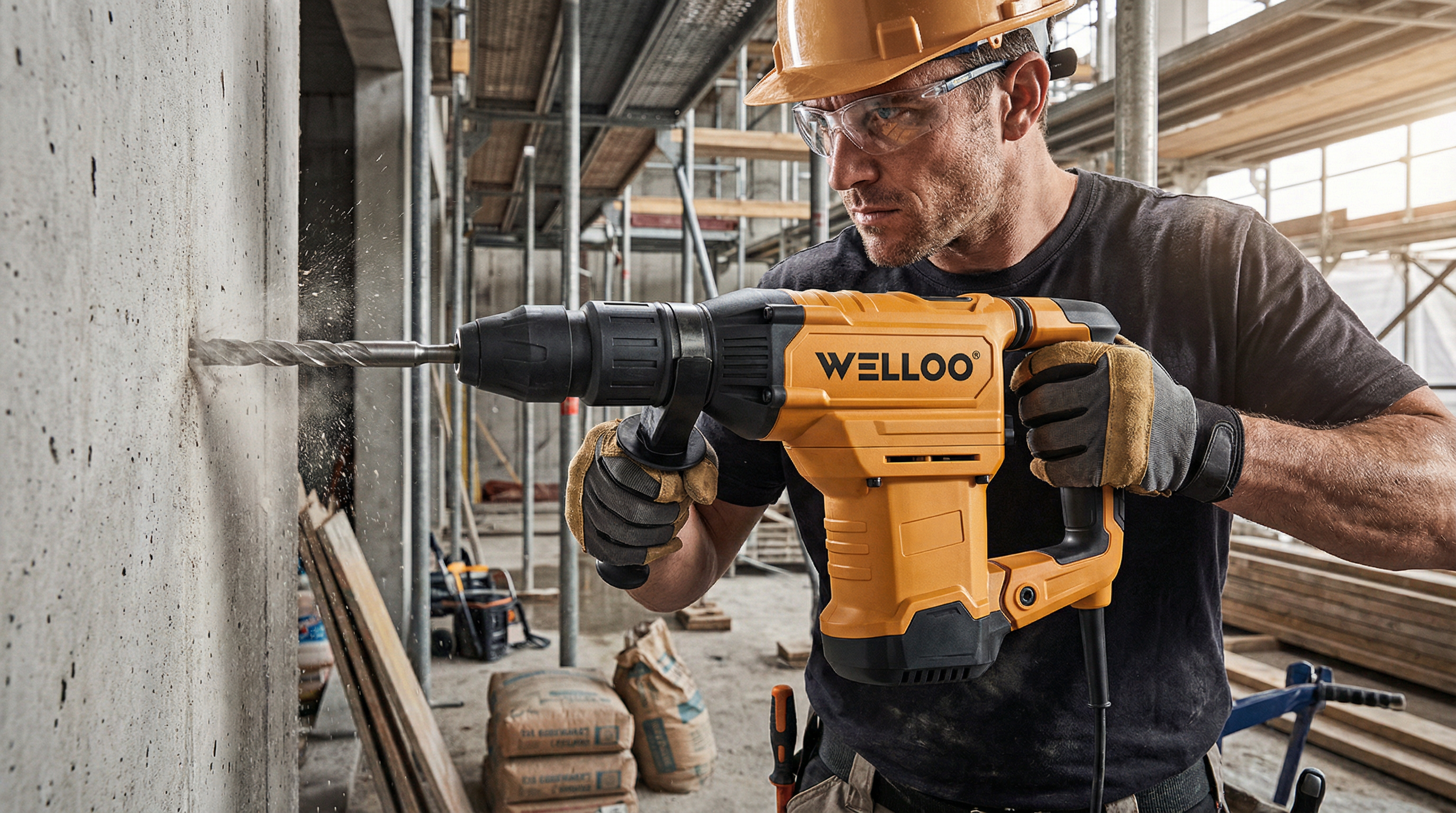
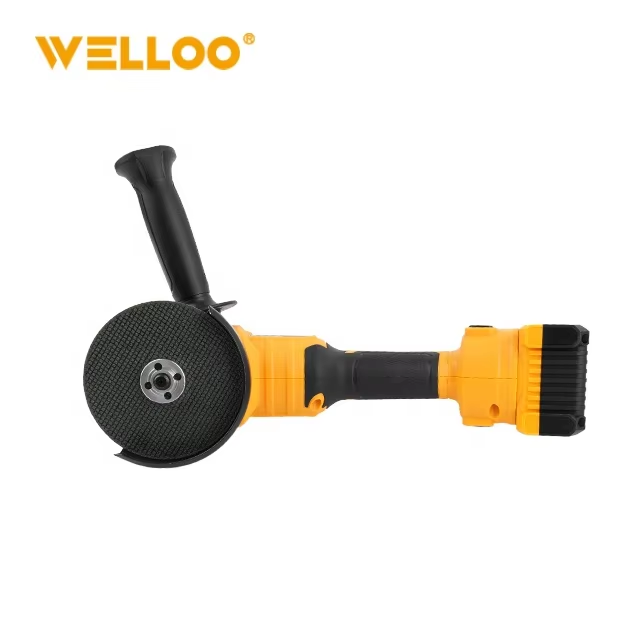
Beyond heavy machinery, portable construction equipment and power tools remain essential for detailed work and precision tasks. Rotary hammers, impact drills, and angle grinders represent common construction equipment that workers use daily for drilling, cutting, and fastening operations. The construction equipment category has expanded to include cordless and brushless-motor options that improve mobility and reduce maintenance requirements. Reciprocating saws and circular saws provide versatile construction equipment for cutting applications across wood, metal, and composite materials. Modern portable construction equipment emphasizes battery technology that extends runtime while maintaining power output.
Support and Auxiliary Equipment Systems
Efficient job sites depend on multiple categories of supporting construction equipment that facilitate operations without being highly visible. Power generators represent essential construction equipment that provides electricity for tools, lighting, and temporary facilities. Compressors serve as foundational construction equipment enabling pneumatic tool operation across numerous applications. Water pumps, welding equipment, and lighting systems round out the auxiliary construction equipment that enables smooth site operations. This category of construction equipment often determines job site efficiency and worker safety during extended operations.
FAQ
What factors should determine construction equipment selection for a specific project?
Project-specific factors including site conditions, material quantities, timeline requirements, budget constraints, and regulatory standards all influence construction equipment choices. Site access, terrain characteristics, and proximity to structures affect which construction equipment can operate effectively. Rental versus purchase decisions depend on project duration and frequency of equipment use across future projects. Operator skill availability and equipment manufacturer support in your region should factor into construction equipment procurement decisions.
How has construction equipment technology changed recently?
Construction equipment has embraced digital telematics, GPS tracking, and remote monitoring capabilities that improve fleet management and operator safety. Electric and hybrid construction equipment options have expanded, addressing environmental concerns and reducing fuel consumption on job sites. Autonomous construction equipment features are emerging in specific applications, promising increased efficiency and reduced operator fatigue. Battery technology improvements have made cordless construction equipment increasingly viable for diverse applications that previously required pneumatic or electric-corded solutions.
Is renting construction equipment more economical than purchasing?
Construction equipment rental economics depend on project duration, equipment utilization rates, and your company's future equipment needs. Short-term projects typically favor rental arrangements, while long-term or recurring construction equipment needs may justify purchase decisions. Rental options provide flexibility to access specialized construction equipment for specific tasks without maintenance responsibility. Purchase decisions make sense when construction equipment utilization rates exceed sixty to seventy percent annually across multiple projects.