 EN

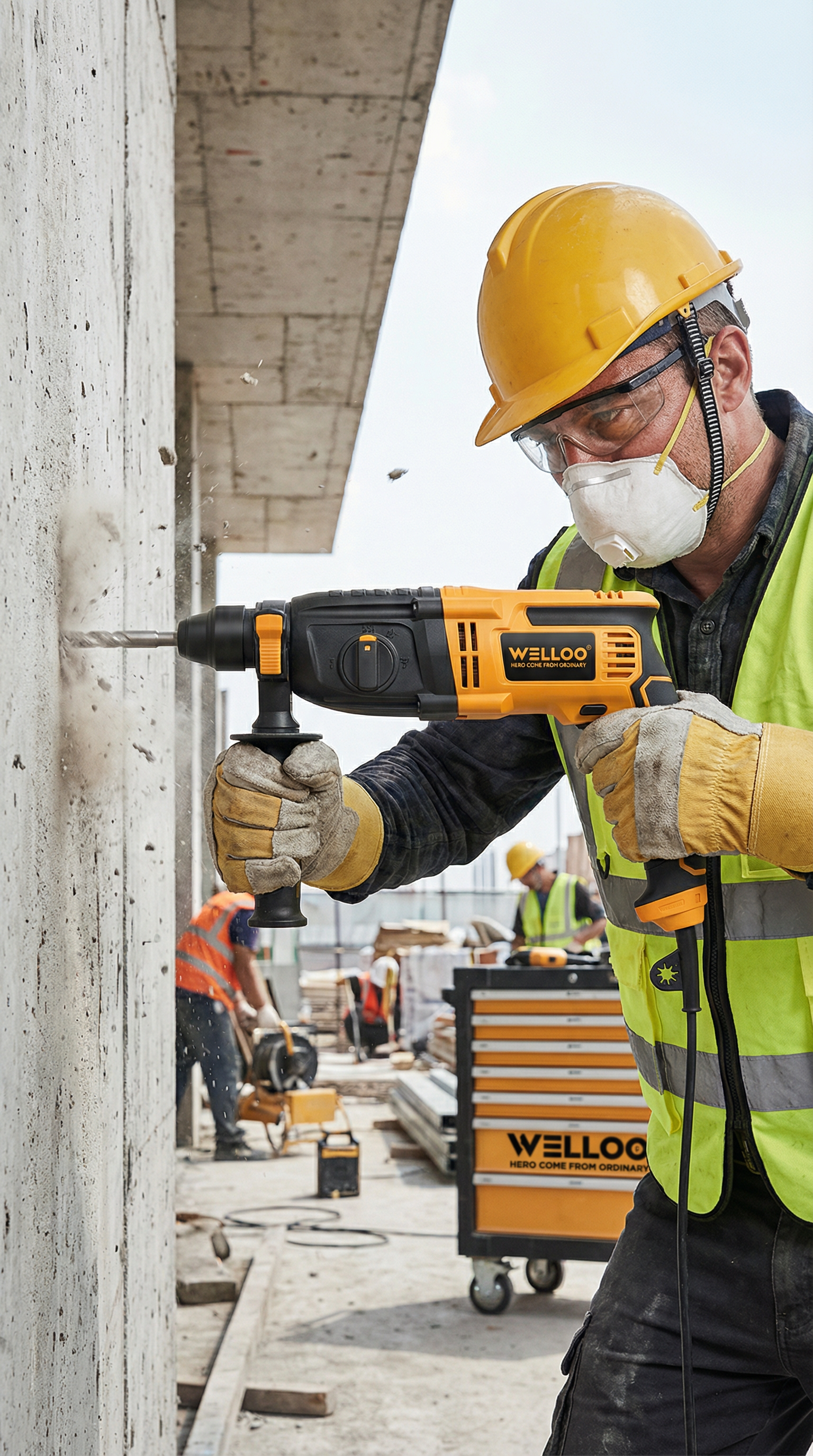
Professional joinery demands more than basic equipment—it requires woodworking tools engineered for precision, durability, and consistent performance under demanding conditions. Whether you're crafting intricate joints, working with exotic hardwoods, or managing high-volume production schedules, the quality of your woodworking tools directly impacts both the final product and your operational efficiency. Investing in superior woodworking tools reduces material waste, minimizes downtime, and ensures that every joinery project meets exacting standards.
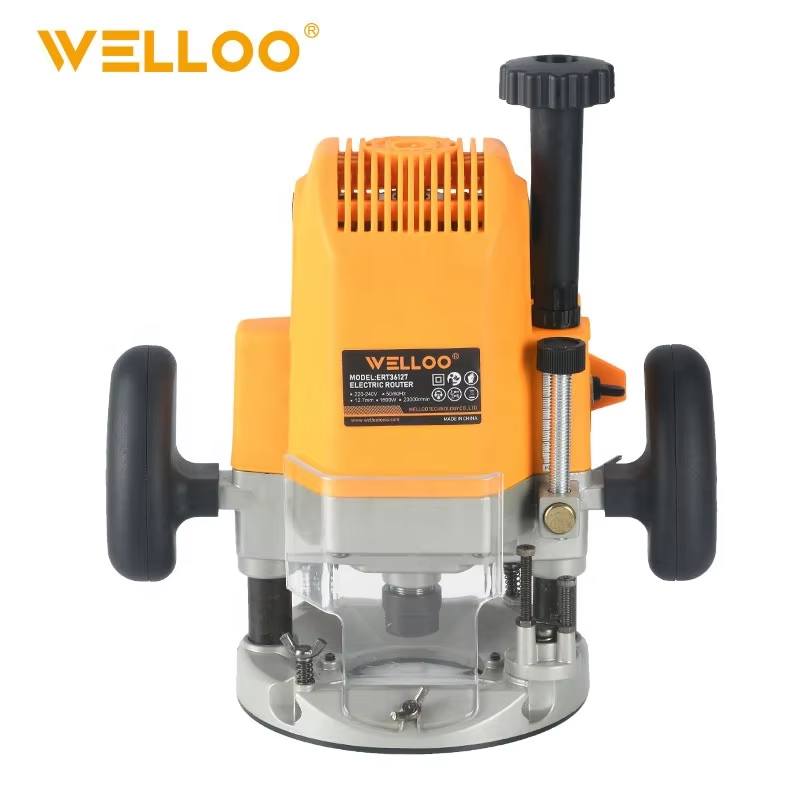
The distinction between casual woodworking tools and professional-grade equipment lies in material composition, engineering precision, and long-term reliability. Professional woodworking tools are manufactured to withstand repetitive stress, maintain tolerances across thousands of operations, and deliver consistent results year after year. This article explores why quality matters in joinery, what characteristics define superior woodworking tools, and how to evaluate durability across your entire toolkit.
Why Quality Woodworking Tools Matter in Professional Joinery
Precision and Consistency in Joint Fit
Joinery depends on exact dimensions and tight tolerances that cannot be achieved with inferior equipment. Premium woodworking tools maintain calibration through hundreds of hours of use, ensuring that mortise widths, tenon shoulders, and dovetail angles remain accurate. When woodworking tools drift out of specification, even slightly, joint gaps widen, glue lines become visible, and structural integrity suffers. Professional craftspeople rely on woodworking tools that hold precision because their reputation depends on flawless joinery.
Operational Efficiency and Cost Recovery
Superior woodworking tools operate faster and with fewer interruptions than budget alternatives. High-quality motors, sharp cutting edges, and smooth mechanical action reduce fatigue and increase throughput. When woodworking tools require constant recalibration, blade replacement, or repair, project timelines slip and labor costs climb. The initial investment in durable woodworking tools pays dividends through reduced downtime, faster production cycles, and fewer material rejects that must be discarded or reworked.
Key Durability Characteristics of Professional Woodworking Tools
Material Grade and Construction Standards
Durable woodworking tools begin with premium materials selected for strength and longevity. Cast iron bases resist warping and vibration; hardened steel components withstand repeated impact and stress; precision bearings maintain smooth operation without play or wobble. Professional woodworking tools undergo rigorous testing to verify that they can handle sustained use in commercial environments. The construction methodology—welding quality, assembly tolerances, and component integration—separates tools that perform consistently from those that fail prematurely.
Motor and Drive System Robustness
Electric motors in professional woodworking tools are engineered for continuous duty cycles rather than intermittent use. Heavy-duty motors with oversized windings generate consistent torque even under load, and thermal protection prevents damage from extended high-demand periods. Woodworking tools with quality drive systems transmit power efficiently to the cutting mechanism, minimizing energy loss and maintaining speed regardless of wood density or grain direction. Professional-grade bearings and transmission components resist wear and maintain accurate alignment over thousands of operating hours.
Edge Retention and Blade Performance
Cutting performance defines the success of joinery work, and woodworking tools with superior blades maintain sharpness significantly longer than conventional alternatives. Premium blade materials—carbide tipping, hardened steel alloys—resist dulling even when cutting dense species like maple, walnut, or teak. When woodworking tools are equipped with quality blades, surface finishes improve, tear-out decreases, and the time spent on sanding and cleanup diminishes. Blade replacement intervals stretch from weeks to months, directly reducing operational costs.
Evaluating Durability Across Your Toolkit
Testing Accuracy and Stability
Before committing to woodworking tools for professional use, verify that they maintain calibration when subjected to realistic work conditions. Test a mortise chisel's edge for flatness after fifty cuts; measure router base drift after an hour of continuous routing; check jointer sole flatness after several weeks of production work. Professional woodworking tools should demonstrate minimal deviation from specification, and any changes should stabilize rather than continue degrading. This real-world testing reveals which woodworking tools can truly handle professional demands.
Warranty, Repair Support, and Parts Availability
Manufacturers who stand behind durable woodworking tools typically offer extended warranties, responsive customer support, and genuine replacement parts readily available. When woodworking tools fail, you need quick access to repairs or components to minimize downtime. Reputable suppliers of professional woodworking tools maintain inventory of common wear items like brushes, seals, and bearings, ensuring that your equipment returns to service without extended delays. Long-term partnerships with reliable woodworking tools suppliers protect your business continuity.
User Feedback and Industry Reputation
Professional woodworkers and cabinet shops provide the most honest assessment of which woodworking tools deliver durability over time. Look for patterns in reviews that mention consistent performance after years of use, minimal repair history, and resale value retention. Woodworking tools that maintain their reputation across multiple user communities and job sites are typically engineered with longevity in mind. Industry certifications, awards, and long-standing track records indicate woodworking tools designed for professional environments.
FAQ
What makes woodworking tools last longer than budget alternatives?
Superior woodworking tools use premium materials, precision engineering, and quality control processes that budget alternatives skip. Professional woodworking tools feature heavy-duty motors, hardened steel components, and precision bearings that resist wear. Better materials, tighter tolerances, and rigorous testing mean woodworking tools maintain performance through thousands of hours of demanding use, while cheaper tools degrade quickly or fail unexpectedly.
How often should professional woodworking tools be maintained?
Durable woodworking tools require routine maintenance—cleaning debris, checking blade sharpness, lubricating moving parts, and verifying calibration—to sustain performance. Professional woodworking tools typically need these tasks weekly or monthly depending on usage intensity. Preventive maintenance extends the life of woodworking tools significantly and catches small problems before they become costly repairs, making regular upkeep a sound investment.
Are expensive woodworking tools always more durable than mid-range options?
Price alone doesn't guarantee durability in woodworking tools, but genuine professional-grade woodworking tools typically cost more because they use better materials and engineering. Some mid-range woodworking tools offer excellent durability for their price point, while some expensive options reflect brand prestige rather than performance. Evaluate woodworking tools based on specific durability indicators—motor power, material composition, warranty length, and user feedback—rather than price alone.