 EN


Choosing the right wire cutter wire size for home use is essential for successful DIY projects, electrical repairs, and household maintenance. Homeowners often overlook how critical wire cutter wire selection is to achieving clean cuts and preventing tool damage. The wire cutter wire you select directly impacts both the quality of your work and the longevity of your tools. Understanding wire cutter wire specifications helps you make informed decisions about which tool to buy and which tasks it can handle effectively.
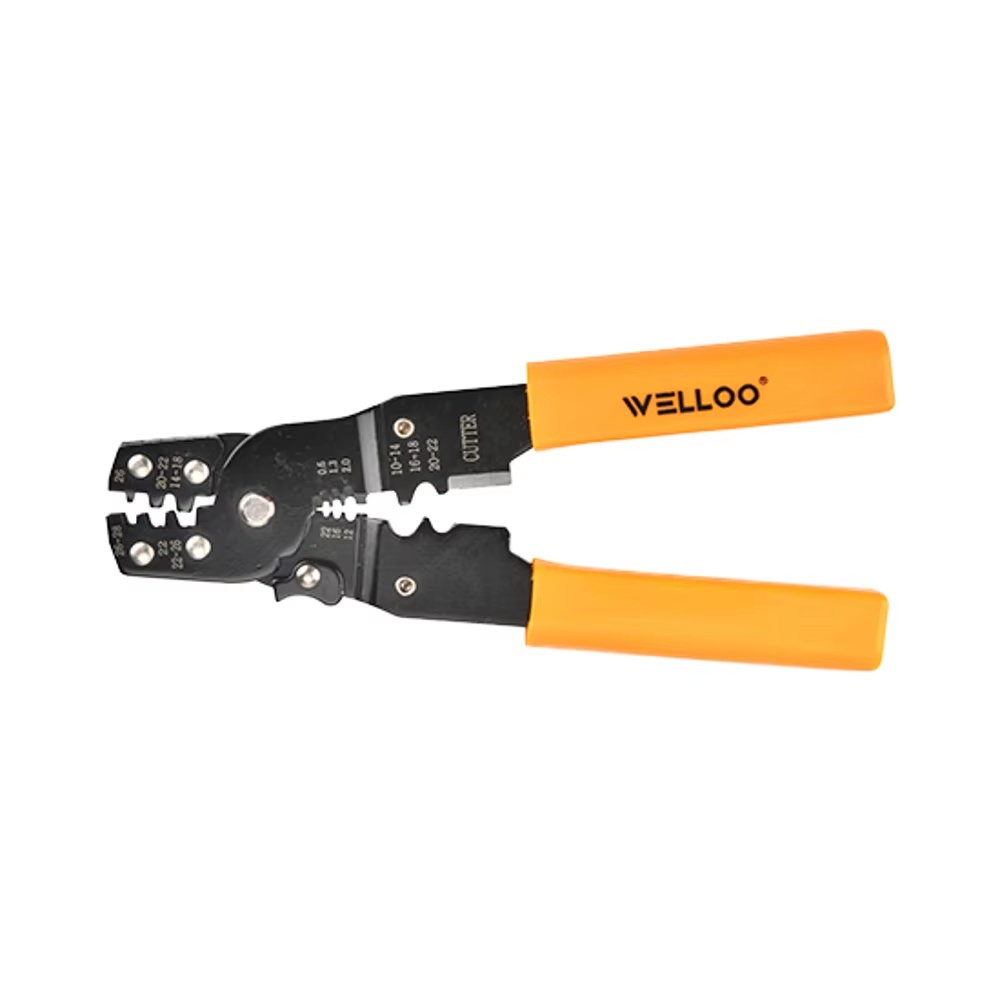
Most residential projects require a wire cutter wire that balances cutting capacity with ease of use. The wire cutter wire size you need depends on the gauge, material, and insulation thickness of the conductors you plan to cut. Home users typically work with wire cutter wire ranging from 22 AWG to 10 AWG, though knowing which wire cutter wire size suits your specific needs prevents frustration and tool failure. This guide walks you through selecting the ideal wire cutter wire for your household toolkit.
Understanding Wire Cutter Wire Gauge and Capacity
What Wire Cutter Wire Gauge Means for Home Projects
Wire gauge determines the thickness and current-carrying capacity of electrical conductors. A wire cutter wire must accommodate the gauges you regularly encounter in home use. Smaller gauge numbers represent thicker wires that require greater cutting force. Your wire cutter wire should match the typical wire sizes in your home's electrical system, lighting installations, and electronics.
Most home electrical work uses wire cutter wire designed for 14 AWG to 12 AWG copper conductors. These gauges appear frequently in household circuits, extension cords, and appliance connections. A quality wire cutter wire sized for these common gauges ensures you can tackle standard residential tasks without straining the tool. Understanding your home's typical wire cutter wire requirements prevents purchasing a tool that either lacks capacity or offers unnecessary overkill.
Recognizing Wire Cutter Wire Material Composition
The material of both the wire and the wire cutter wire blades affects cutting performance. Copper, aluminum, and insulated conductors each demand different wire cutter wire specifications. Insulated copper wire is most common in homes and requires a wire cutter wire with adequate blade sharpness and leverage. The wire cutter wire you choose should explicitly state compatibility with the specific wire materials you work with regularly.
Solid versus stranded conductors also influence which wire cutter wire works best. Stranded wire requires a wire cutter wire with precise blade alignment to sever all strands cleanly without crushing or fraying. Many homeowners benefit from a wire cutter wire that handles both solid and stranded conductors effectively. Knowing the wire materials in your typical projects guides your wire cutter wire selection.
Selecting Wire Cutter Wire Size by Project Type
Light-Duty Wire Cutter Wire for Household Electronics
Light-duty wire cutter wire serves homeowners working primarily with small electronics, hobby projects, and delicate components. This wire cutter wire category typically handles conductors from 24 AWG to 18 AWG, accommodating headphone cables, USB connections, and small appliance repairs. A compact wire cutter wire in this range provides precision without unnecessary bulk, making it ideal for detailed work in confined spaces. Households with primarily electronic and low-voltage projects benefit from dedicating a light-duty wire cutter wire to their toolkit.
Light-duty wire cutter wire excels at clean, precise cuts without damaging insulation. The reduced cutting force required means less hand fatigue during extended work sessions. For homeowners who occasionally work with small wires and electronics, investing in a specialized light-duty wire cutter wire saves time and produces professional results. This wire cutter wire type should be stored separately from heavier-duty tools to preserve blade sharpness.
Medium-Duty Wire Cutter Wire for General Household Tasks
Medium-duty wire cutter wire represents the sweet spot for most homeowners tackling general electrical projects and home maintenance. This wire cutter wire category effectively handles 10 AWG to 14 AWG conductors, covering typical household electrical installations, fixture installation, and outlet work. The wire cutter wire design in this class balances cutting capacity with comfortable handling for extended use. Most residential tool kits should include a medium-duty wire cutter wire as the primary workhorse.
A medium-duty wire cutter wire provides reliable performance across diverse household applications without requiring excessive physical effort. The blade geometry and lever mechanics of this wire cutter wire class minimize hand strain while delivering consistent, clean cuts. Homeowners maintaining basements, garages, or outdoor projects particularly benefit from a dependable medium-duty wire cutter wire. Choosing a reputable medium-duty wire cutter wire eliminates the need for purchasing multiple specialized tools for typical home use.
Heavy-Duty Wire Cutter Wire for Advanced Projects
Heavy-duty wire cutter wire suits homeowners undertaking ambitious electrical projects or maintaining older electrical systems. This wire cutter wire type handles thicker conductors from 6 AWG to 10 AWG and often includes cutting capacity for harder materials. Heavy-duty wire cutter wire requires greater physical force and typically features reinforced handles and stronger blade mechanisms. Homeowners planning panel upgrades, whole-home rewiring projects, or extensive outdoor electrical work benefit from investment in heavy-duty wire cutter wire.
The durability of heavy-duty wire cutter wire justifies the higher cost when projects demand it. This wire cutter wire category often features ergonomic designs to manage the increased cutting force required. However, reserve heavy-duty wire cutter wire for tasks that genuinely require its capacity, as the tool feels clumsy for fine, detailed work. Most home toolkit needs are satisfied by a single medium-duty wire cutter wire rather than duplicating with heavy-duty variants.
Practical Considerations for Optimal Wire Cutter Wire Performance
Ergonomic and Safety Aspects of Wire Cutter Wire Selection
Ergonomic design directly affects how effectively you use your wire cutter wire and how long you can work comfortably. A wire cutter wire with oversized or undersized handles increases fatigue and reduces precision. Look for a wire cutter wire with rubberized grips that absorb shock and reduce hand strain during repetitive cutting. The weight distribution of your wire cutter wire influences control and accuracy, especially during detail work on fiddly household repairs.
Safety features in wire cutter wire design protect both your hands and the components you're working on. A wire cutter wire with spring-loaded handles reduces fatigue and returns the tool to open position automatically. Blade guards on quality wire cutter wire designs prevent accidental cuts when the tool is stored or being carried. Selecting a wire cutter wire that feels secure and comfortable in your hand encourages safe, confident operation throughout your projects.
Maintenance and Longevity of Your Wire Cutter Wire
Proper maintenance extends the cutting life of your wire cutter wire significantly. Regularly cleaning your wire cutter wire removes copper residue and insulation fragments that accumulate during use. A wire cutter wire kept clean performs better and lasts longer than one subject to continuous buildup. Store your wire cutter wire in a dry location to prevent corrosion of metal components and deterioration of handle materials.
Periodic sharpening maintains the cutting performance of your wire cutter wire over months and years of use. A dull wire cutter wire requires excessive force, leading to hand fatigue and poor cut quality. Some wire cutter wire models feature replaceable blades, allowing you to extend tool life affordably. Investing time in wire cutter wire maintenance transforms your tool from a consumable item into a reliable long-term asset in your household toolkit.
FAQ
What wire cutter wire size handles most home electrical tasks?
A medium-duty wire cutter wire rated for 10 AWG to 14 AWG conductors handles the vast majority of home electrical work. This wire cutter wire size matches standard household circuit wire and common fixture installations. Most homeowners find that a single medium-duty wire cutter wire satisfies their typical cutting needs without maintaining multiple specialized tools.
Can a single wire cutter wire serve both light electronics and household electrical work?
Purchasing two separate wire cutter wire tools often produces better results than expecting one tool to excel at both tasks. A dedicated light-duty wire cutter wire preserves precision for delicate electronics, while a medium-duty wire cutter wire handles household electrical projects. Attempting to perform both functions with compromise-designed wire cutter wire leads to frustration and suboptimal results on each project type.
How do I know if my current wire cutter wire is too dull for use?
A dull wire cutter wire produces crushed or frayed wire ends instead of clean cuts and requires excessive force to operate. If your wire cutter wire makes you work harder than usual or produces ragged cuts, sharpening or blade replacement is due. Replacing a dull wire cutter wire or sharpening its blades restores performance and makes the tool enjoyable to use again.