 EN

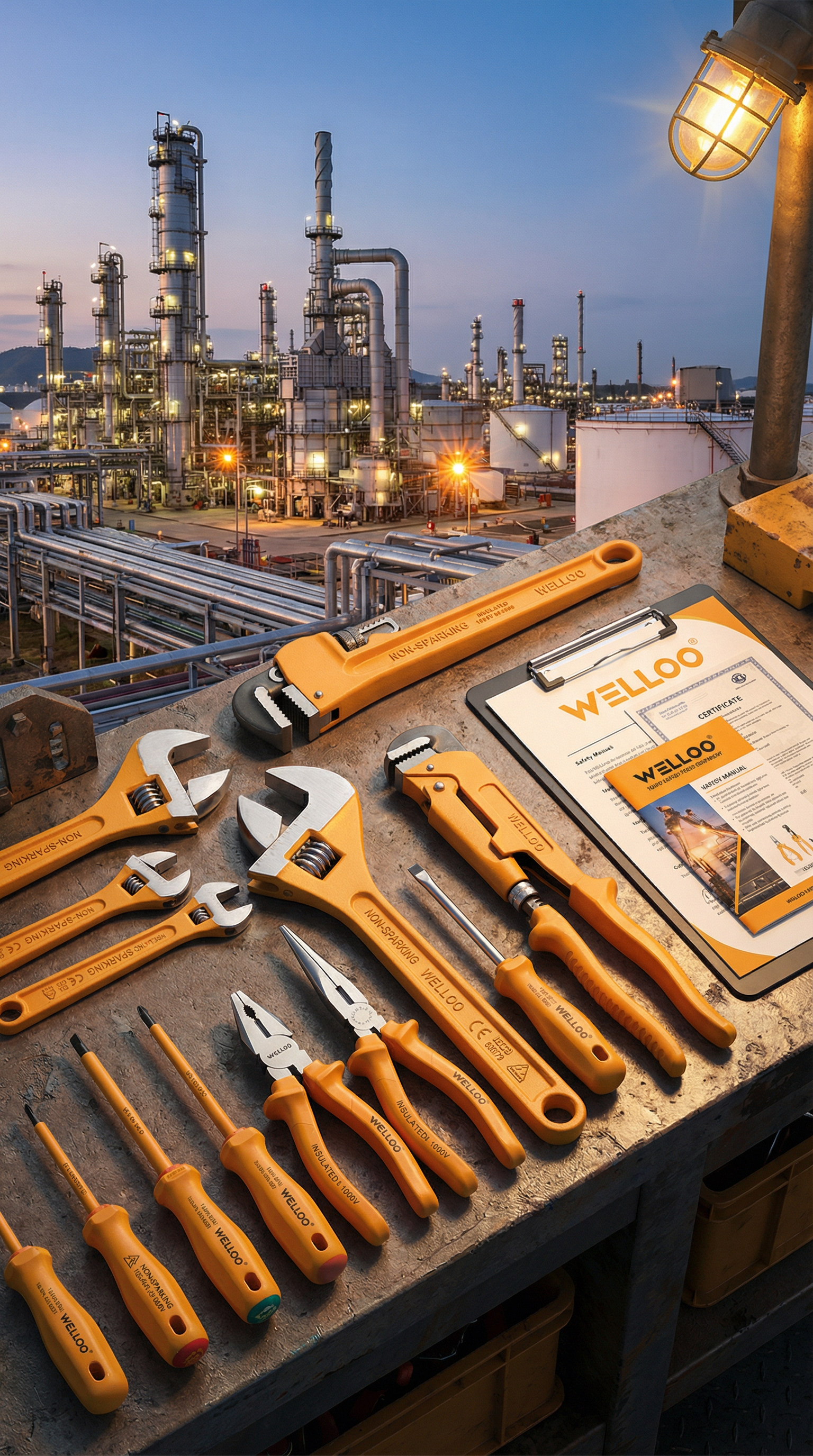
In modern workshops and job sites, the choice between hand tools and power tools remains a fundamental decision that shapes productivity, precision, and project outcomes. As we move into 2026, the distinctions between these two categories have evolved, yet understanding their core differences remains essential for professionals, contractors, and DIY enthusiasts alike. Hand tools, which rely on manual force and operator skill, continue to offer unique advantages in specific situations, while power tools provide speed and reduced physical demand. This comprehensive guide explores how hand tools differ from power tools, examining their practical applications, performance characteristics, and the scenarios where each excels in today's industrial landscape.
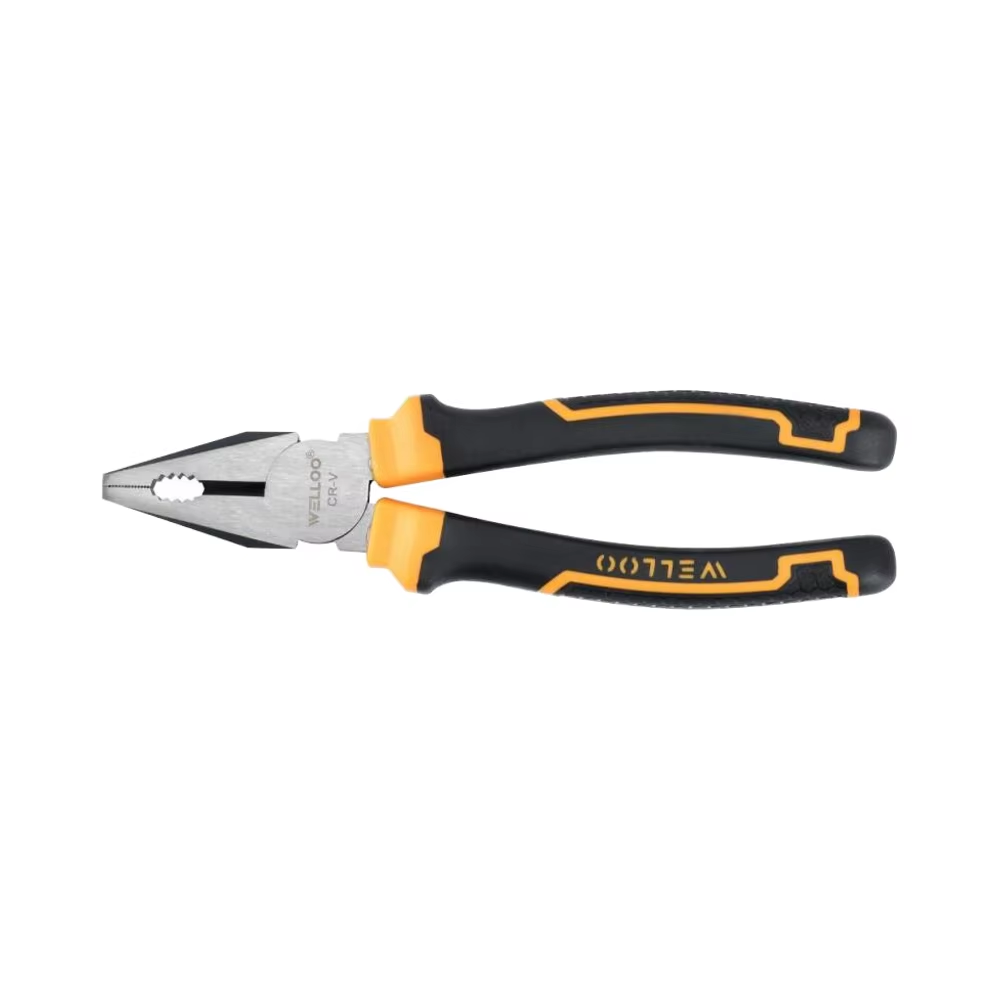
The relationship between hand tools and power tools has shifted significantly over the past decade, driven by technological advancement, ergonomic innovation, and changing workplace expectations. Today's professionals must understand not only the mechanical differences but also the economic, safety, and quality implications of selecting hand tools over their powered counterparts. Both categories serve distinct purposes, and the most effective approach involves knowing when hand tools provide superior value and when power tools deliver necessary efficiency. This understanding ensures optimal resource allocation, worker safety, and project success.
Operational Mechanics and Power Source Differences
Energy Delivery Methods
Hand tools operate entirely through human physical effort, converting muscular force directly into work. When you use hand tools for fastening, cutting, or shaping, every action depends on your strength, endurance, and technique. Power tools, by contrast, use external energy sources—typically electricity, compressed air, or combustion engines—to generate the force required for work. This fundamental difference in how energy reaches the tool determines everything from speed to consistency. Hand tools require no external power source, making them portable and usable anywhere without charging infrastructure or fuel concerns.
The efficiency profiles of hand tools versus power tools reflect this distinction clearly. Hand tools deliver power proportional to operator capability, meaning fatigue directly impacts output quality and speed. Power tools maintain consistent force regardless of operator fatigue, enabling uniform results across extended work sessions. In 2026, ergonomic hand tools continue to reduce strain through improved grip design and balanced weight distribution, yet they still cannot match the tireless consistency that power tools provide. For repetitive tasks involving hundreds of identical operations, power tools save both time and physical toll, whereas hand tools excel in situations requiring judgment, precision adjustment, and control that human sensation provides.
Speed and Throughput Characteristics
Power tools dominate in speed metrics across virtually all applications. A power drill completes fastening tasks in seconds compared to hand tools' minutes of manual effort. When production volume matters, power tools accumulate significant advantages—drilling twenty holes with a power tool versus hand tools represents hours of saved labor. Hand tools, however, excel in situations where speed matters less than precision, control, and adaptability. A jeweler crafting delicate work, an archaeologist excavating artifacts, or a surgeon performing repair operations all rely on hand tools because their superior tactile feedback and fine control surpass what power tools offer.
The speed differential between hand tools and power tools has narrowed slightly for certain applications through ergonomic improvements and optimized designs, yet power tools maintain commanding leads in bulk material removal and high-volume fastening scenarios. Hand tools' strength lies in their ability to apply force gradually, make mid-motion adjustments, and respond to material feedback in real time. This responsiveness makes hand tools invaluable for tasks where sudden tool binding, material breakage, or precision loss carries high consequences. Understanding this speed-control trade-off helps professionals select appropriate tools for specific project phases rather than assuming faster always means better.
Precision, Control, and Application Suitability
Tactile Feedback and Precision Advantages
Hand tools provide unparalleled tactile feedback because the operator directly feels every resistance, vibration, and material response through the tool handle. This sensory connection enables real-time adjustments impossible with power tools, particularly in fine woodworking, delicate assembly, and troubleshooting applications. When using hand tools for tasks like adjusting mechanical components, a technician feels minute changes in tension and immediately recognizes when proper adjustment has been achieved. Power tools, while precise, filter this sensory information through motors and mechanical systems, delaying feedback and sometimes preventing the operator from detecting critical changes until damage occurs.
The precision advantage of hand tools extends beyond feel to encompassing control over force application. Hand tools allow operators to modulate pressure continuously, applying maximum force at specific moments and lighter touch at others. This graduated control proves essential in tasks like setting screws into soft materials, installing components without damaging surrounding surfaces, or performing repairs where part replacement would exceed project budget or timeline. Professionals choosing hand tools for precision-critical work recognize that consistency comes from operator skill development rather than tool automation, yet this investment in skill often delivers superior long-term results.
Versatility and Adaptive Capability
Hand tools offer remarkable versatility because their fundamental simplicity means minimal specialization. A single hammer head serves multiple purposes—driving fasteners, removing nails, and striking chisels—through operator judgment about application and force. Power tools, by contrast, represent specialized solutions designed for specific tasks. This specificity means power tools excel at their intended application but require multiple tools to cover various job requirements. For maintenance technicians, field service professionals, or emergency responders who must address unpredictable situations, hand tools provide adaptable resources that solve problems using whatever resources remain available.
The adaptation capability of hand tools becomes particularly valuable when working in confined spaces, variable conditions, or situations where tool damage carries severe consequences. Hand tools can operate in environments where power tools' electrical requirements, battery needs, or fuel systems create safety or logistical obstacles. When equipment failure occurs unexpectedly, hand tools may provide emergency solutions when powered alternatives are unavailable. This inherent flexibility makes hand tools essential backup resources and primary equipment for situations where power-tool-dependent workflows would create vulnerability to equipment failure or environmental limitations.
Safety, Maintenance, and Operational Considerations
Safety Profiles and Risk Management
Hand tools present lower catastrophic injury risk compared to power tools in most scenarios, yet they carry distinct safety concerns requiring equal respect and preparation. Hand tools demand careful attention to proper technique and positioning, as cumulative strain injuries develop gradually through repetitive use with poor ergonomics. Power tools present more acute injury risks—rotating blades, sudden binding, or unexpected tool behavior can cause immediate, severe trauma. However, modern power tools incorporate engineered safeguards, automatic shut-off systems, and failsafe mechanisms designed to prevent many high-severity incidents that hand tools cannot prevent through mechanical design alone.
When selecting between hand tools and power tools for workplace safety strategies, organizations must evaluate both acute injury potential and repetitive strain considerations. Hand tools require continuous operator attentiveness and proper technique to avoid gradual muscle fatigue and tendon damage that accumulates over years. Power tools benefit from less sustained physical stress but demand vigilant focus on active dangers. In 2026, workplace safety protocols increasingly recognize that hand tools and power tools require complementary training rather than sequential replacement. The most effective safety strategies combine proper hand tools selection with power tools' speed benefits, reducing overall exposure to either category's specific risks while maintaining productivity.
Maintenance Requirements and Long-Term Ownership Cost
Hand tools demand minimal maintenance beyond periodic sharpening for cutting implements and occasional cleaning. Their mechanical simplicity means fewer components to fail, less routine servicing, and straightforward storage requirements. This minimal maintenance burden translates to lower ownership cost and greater availability—hand tools stay functional across decades with appropriate care. Power tools, conversely, require regular motor maintenance, battery management, cord inspection, and occasional mechanical repairs. These maintenance demands increase total cost of ownership and create unavailability periods when tools enter maintenance cycles.
The long-term economics of hand tools versus power tools depend heavily on usage frequency and application specificity. Organizations with consistent high-volume operations find power tools' efficiency returns justify maintenance costs and battery replacement expenses. Smaller operations, emergency services, and field technicians often find hand tools' durability and zero-maintenance profile superior economically. Understanding your organization's usage patterns allows matching tool investment to actual operational needs rather than assuming premium power tools always deliver better value than carefully selected hand tools engineered for your specific applications.
FAQ
Are hand tools becoming obsolete as power tools improve?
No, hand tools remain essential in 2026 and beyond because they fulfill roles power tools cannot replicate effectively. Hand tools provide tactile feedback, fine control, and adaptability that precision tasks demand. Additionally, hand tools serve as critical backup resources for equipment failures, emergency situations, and environments where powered equipment proves unsuitable. The evolution toward more ergonomic hand tools actually demonstrates their continued significance—manufacturers invest in improvements because professional demand persists. Rather than becoming obsolete, hand tools increasingly coexist with power tools in optimized tool ecosystems where each type serves its specific purpose.
When should I choose hand tools over power tools for efficiency?
Choose hand tools over power tools when precision, control, and adaptability outweigh speed benefits, or when working in confined spaces where power tools prove impractical. For one-off adjustments, delicate assembly, field maintenance, or emergency repairs, hand tools often deliver faster results than locating, charging, or fueling power tools. Hand tools work efficiently for light-duty tasks where high volumes do not justify power tool setup and maintenance overhead. Additionally, hand tools provide superior efficiency in environments where electrical safety concerns, dust sensitivity, or noise restrictions make powered equipment problematic. Evaluating your specific task complexity, volume, and environmental constraints reveals when hand tools represent the most efficient choice.
What maintenance do hand tools require compared to power tools?
Hand tools require minimal maintenance beyond periodic sharpening for cutting implements and occasional rust prevention on metal surfaces. Most hand tools need only cleaning and dry storage to remain functional indefinitely. Power tools require significantly more maintenance, including motor inspection, electrical cord integrity checks, battery conditioning or replacement, and periodic mechanical adjustments. Hand tools' minimal maintenance extends tool life dramatically and reduces total ownership cost, while power tools' higher maintenance burden reflects their mechanical complexity and powered systems. For budget-conscious organizations and professional users, hand tools' low maintenance profile provides substantial economic and logistical advantages that extend well beyond initial purchase price.