 EN

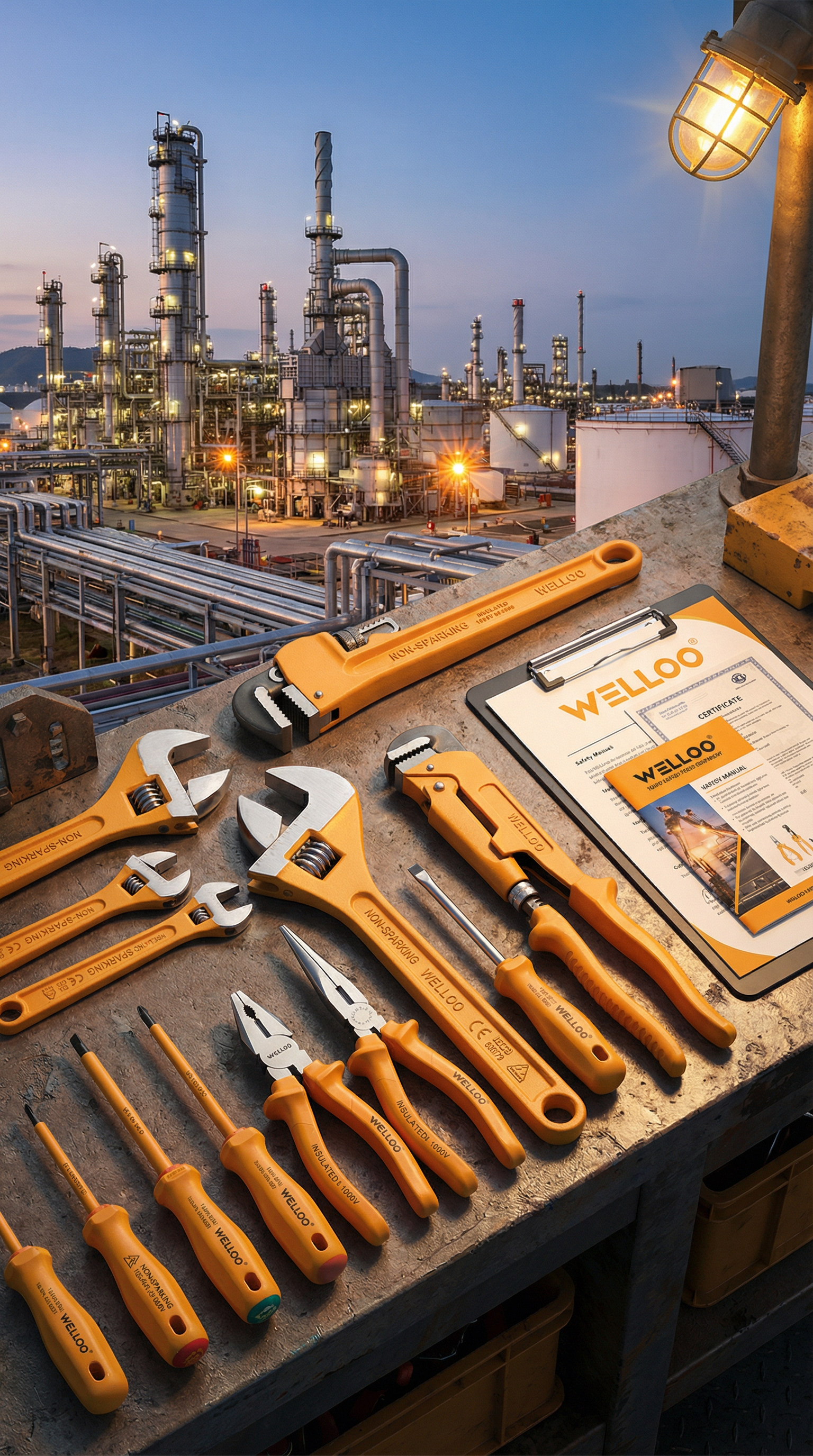
Hand tools are fundamental instruments used across virtually every profession that involves manual work, from construction and plumbing to manufacturing and automotive repair. These essential hand tools form the backbone of daily operations for skilled trades, providing workers with direct control, precision, and reliability that power tools alone cannot match. Understanding what hand tools are and recognizing their critical importance helps professionals make informed decisions about equipment investment and workplace safety.
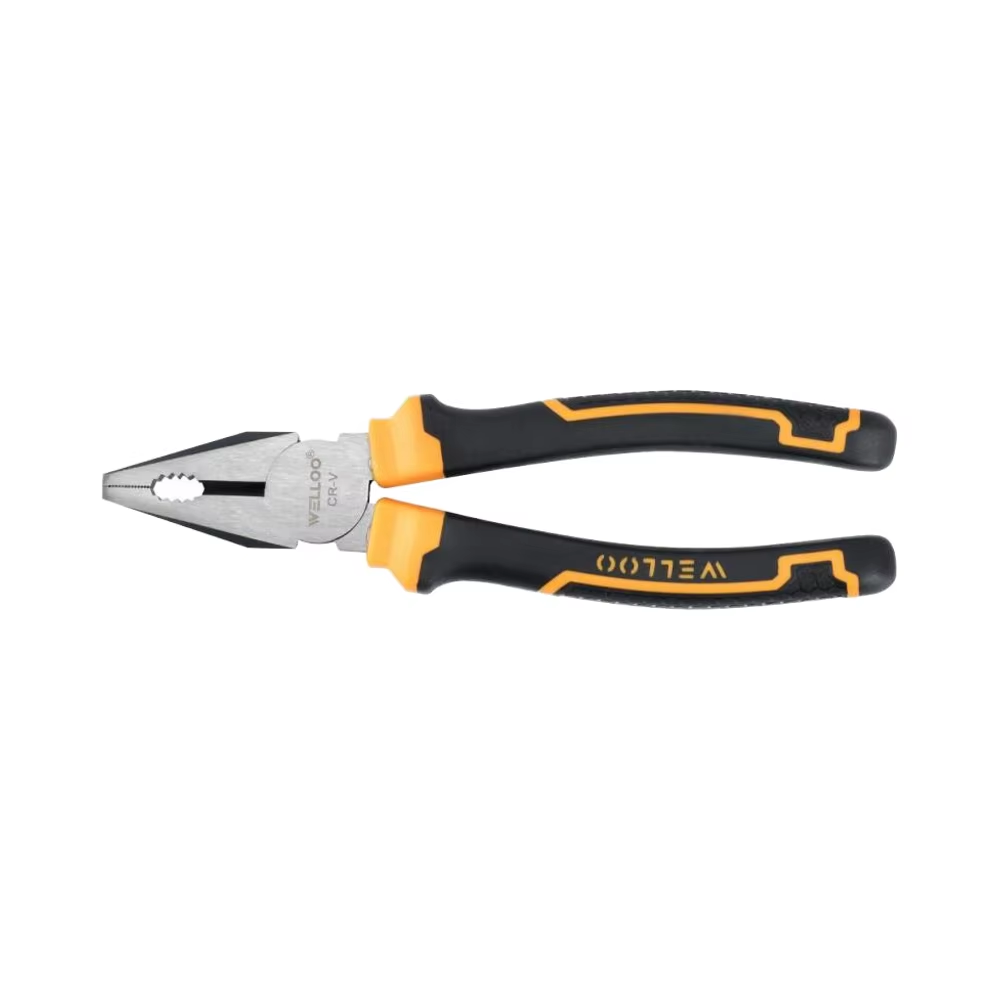
Professionals depend on hand tools because they offer unparalleled versatility, immediate availability, and cost-effectiveness compared to motorized alternatives. Unlike power tools that require charging, maintenance, or specific power sources, hand tools deliver instant functionality and portability. Quality hand tools also provide superior tactile feedback, allowing workers to feel resistance, tension, and pressure during precise operations that demand accuracy and control.
Defining Hand Tools and Their Core Purpose
What Constitute Hand Tools
Hand tools are non-powered implements designed for manual operation to complete tasks requiring force, leverage, cutting, fastening, or measurement. Common categories of hand tools include wrenches, hammers, screwdrivers, pliers, saws, chisels, files, and measuring instruments. Each type of hand tools serves a specific function, from tightening fasteners to reshaping materials or establishing precise dimensions. The defining characteristic of hand tools is their reliance on human muscle power rather than electrical or pneumatic energy, making them universally applicable across industries and work environments.
Historical Relevance and Modern Application
Hand tools have remained virtually unchanged in fundamental design for decades because their basic principles are inherently sound. Modern hand tools now incorporate ergonomic improvements, superior materials like chrome vanadium steel, and refined handle designs that reduce fatigue during extended use. Professional-grade hand tools meet industry standards that ensure reliability and longevity, making them indispensable regardless of technological advancement in other tool categories.
Why Professionals Depend on Hand Tools Daily
Precision and Control in Critical Operations
Professionals choose hand tools when precision matters most because these instruments provide direct tactile feedback that power tools cannot replicate. When assembling intricate mechanical components, adjusting delicate fasteners, or performing work in confined spaces, hand tools deliver the control necessary to prevent over-tightening, slippage, or damage. The immediate feedback from hand tools allows workers to sense resistance and adapt pressure instantly, crucial for tasks where mistakes carry significant consequences or costs.
Accessibility and Universal Readiness
Hand tools require no setup, charging time, or calibration—they remain ready for immediate use in any environment. This accessibility advantage proves invaluable in emergency repairs, field work, or situations where power availability is limited or problematic. Professionals who work in remote locations, on client sites, or in environments where noise and dust restrictions exist recognize that hand tools offer unmatched convenience and regulatory compliance that powered alternatives may not provide.
Cost-Effectiveness and Investment Value
Quality hand tools represent a one-time investment that delivers decades of reliable service without recurring expenses for batteries, replacement parts, or maintenance contracts. Unlike power tools that depreciate rapidly and require ongoing investment, well-maintained hand tools appreciate in reputation and reliability. Professional-grade hand tools can be passed between workers, stored indefinitely without degradation, and perform identically whether purchased today or a decade ago, making them economically superior for budget-conscious operations.
Essential Hand Tools Every Professional Should Maintain
Core Tool Categories for General Work
Every professional workspace requires a foundational set of hand tools including adjustable wrenches, multiple screwdriver types, quality pliers for gripping and cutting, hammers for fastening, and levels for alignment verification. These fundamental hand tools address the majority of routine tasks and emergency situations that arise during daily operations. Investing in ergonomic versions of these essential hand tools reduces worker fatigue and injury risk while improving overall productivity and job satisfaction.
Specialized Hand Tools for Industry-Specific Tasks
Different professions require specialized hand tools tailored to their specific operational requirements; electricians need testing equipment and wire strippers, plumbers require pipe wrenches and basin tools, while automotive technicians depend on specialized socket sets and pullers. Professionals who regularly perform industry-specific tasks should invest in quality hand tools designed explicitly for those applications rather than attempting to adapt general-purpose instruments. Specialized hand tools incorporate features, dimensions, and materials optimized for their particular use cases, delivering superior performance and safety compared to generic alternatives.
Ergonomic Design and Worker Safety
Modern hand tools incorporate ergonomic handle designs, cushioned grips, and balanced weight distribution that minimize repetitive strain injuries and fatigue-related mistakes. Professional-grade hand tools with soft grip handles and contoured designs reduce pressure points and distribute force more efficiently across the hand and arm. Investing in ergonomically superior hand tools demonstrates commitment to worker health and demonstrates that organizations understand the connection between proper equipment and sustained productivity, safety, and employee retention.
FAQ
Why do professionals prefer hand tools over power tools for certain tasks?
Professionals choose hand tools for specific applications because they offer superior tactile control, immediate functionality without setup, cost-effectiveness, and suitability for precision work in confined spaces. Power tools excel for repetitive high-volume tasks, but hand tools provide the finesse and feedback necessary when accuracy, silence, or environmental constraints matter most. Hand tools also eliminate concerns about battery depletion, cord management, or noise restrictions that can limit power tool usage in certain settings.
How should professionals maintain and store hand tools properly?
Professionals should store hand tools in organized systems that prevent corrosion, damage, and loss while ensuring quick access when needed. Regular inspection of hand tools for wear, rust, or damage allows early intervention before tools fail during critical operations. Proper storage in dry environments, application of protective coatings when necessary, and routine cleaning maintain hand tool performance and extend their serviceable life far beyond typical expectations, protecting the investment and ensuring reliability.
What distinguishes professional-grade hand tools from consumer-grade alternatives?
Professional-grade hand tools feature superior materials like chrome vanadium steel, tighter manufacturing tolerances, ergonomic design enhancements, and durability standards that withstand intensive daily use. These hand tools carry manufacturer warranties reflecting confidence in their reliability and include design features that reduce operator fatigue during extended use. Consumer-grade hand tools sacrifice material quality and manufacturing precision to achieve lower prices, making them suitable for occasional use but unreliable for professional environments where tool failure creates safety risks or operational delays.