Industrial Air Tools - Pneumatic Power Solutions

Welloo Electronic Technology Co., Ltd.

Get a Free Quote

Our representative will contact you soon.
Email
Name
Company Name
WhatsApp
Your want
Message
0/1000

industrial air tools

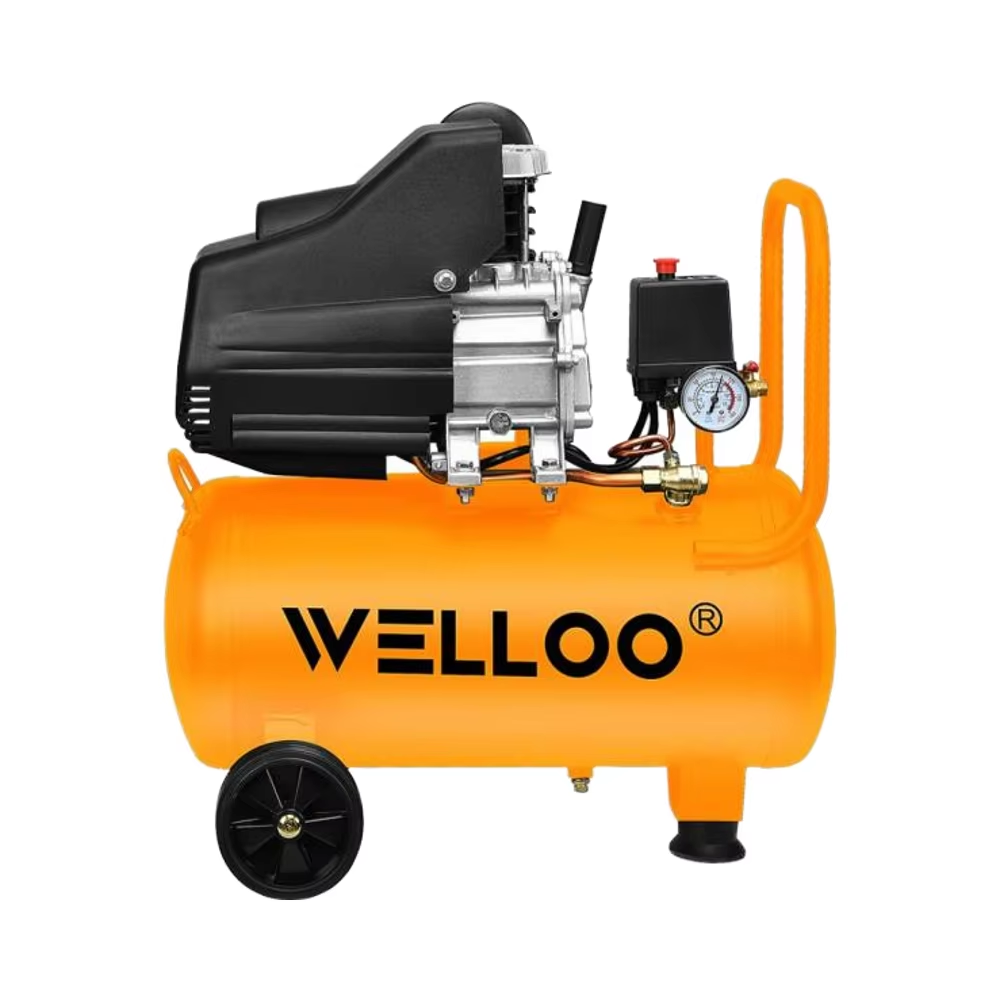
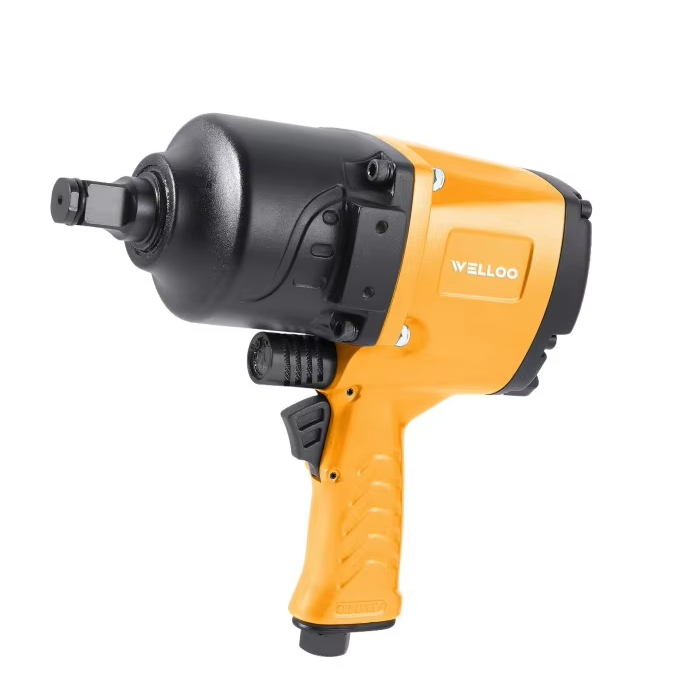
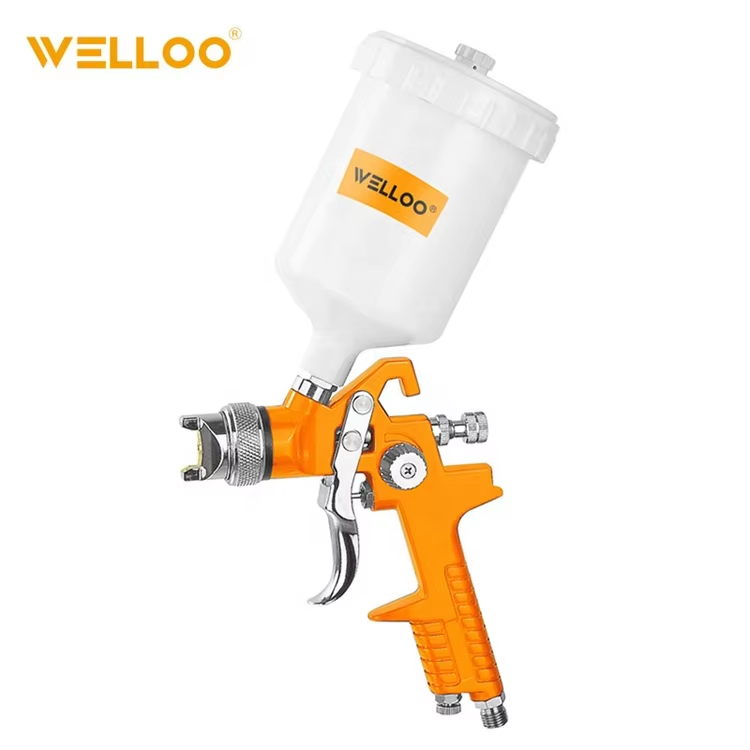
Industrial air tools represent a comprehensive category of pneumatic equipment designed to perform a wide range of manufacturing, construction, and maintenance tasks with exceptional power and reliability. These tools harness compressed air as their primary energy source, converting pneumatic pressure into mechanical force to execute operations such as drilling, grinding, cutting, fastening, painting, and material handling. The fundamental technology behind industrial air tools involves precision-engineered internal components including rotary vanes, pistons, or turbines that transform compressed air flow into rotational or percussive motion. Modern industrial air tools feature advanced valve systems, ergonomic designs, and integrated safety mechanisms that ensure optimal performance in demanding work environments. These tools are extensively utilized across automotive manufacturing plants, aerospace assembly facilities, metalworking workshops, construction sites, shipbuilding yards, and heavy equipment maintenance centers. The versatility of industrial air tools extends from compact impact wrenches delivering precise torque control to powerful pneumatic grinders capable of material removal at high speeds. Their modular design allows for quick attachment changes and simplified maintenance procedures, making them indispensable in production lines where efficiency and uptime are critical. Industrial air tools operate effectively in extreme temperature conditions and hazardous environments where electric tools pose safety risks, offering spark-free operation in flammable atmospheres. The compressed air delivery system enables consistent power output regardless of tool orientation, ensuring reliable performance in overhead, vertical, and confined space applications throughout various industrial sectors.

New Product Recommendations

Choosing industrial air tools for your operations delivers substantial cost savings through lower initial investment compared to equivalent electric or hydraulic alternatives, while their simplified mechanical design reduces maintenance expenses and extends operational lifespan. The power-to-weight ratio of industrial air tools surpasses electric counterparts significantly, enabling operators to work longer periods with reduced fatigue and improved productivity across multiple shifts. These pneumatic systems eliminate electrical hazards entirely, providing safe operation in wet conditions, explosive atmospheres, and environments where electrical sparks could trigger catastrophic incidents. The inherent design of industrial air tools generates minimal heat during extended use, preventing thermal damage to components and eliminating mandatory cooling periods that interrupt workflow in high-volume production settings. Their robust construction withstands harsh treatment, accidental drops, and exposure to dust, chemicals, and moisture that would permanently damage electronic equipment, ensuring reliable performance in demanding industrial environments. Industrial air tools offer instantaneous variable speed control through simple air pressure adjustments, allowing operators to fine-tune performance parameters without complex electronic controllers or programming requirements. The centralized compressed air system supporting industrial air tools enables simultaneous operation of multiple units from a single compressor installation, optimizing facility layout and reducing individual tool costs substantially. Replacement parts for industrial air tools remain widely available and affordably priced, while repairs typically require basic mechanical skills rather than specialized electronic diagnostics, minimizing downtime and repair expenses. The consistent torque delivery and smooth operation of industrial air tools produce superior finish quality in assembly applications, reducing rework rates and enhancing final product standards. Environmental benefits include quieter operation than many electric alternatives, zero emissions at the point of use, and complete recyclability of metal components at end-of-life, supporting corporate sustainability initiatives effectively.

Tips And Tricks

Maximizing Blade Life in Chop Saws: A Guide for Production Managers

30

Mar

Maximizing Blade Life in Chop Saws: A Guide for Production Managers

Production managers face constant pressure to optimize equipment performance while controlling operational costs, and maximizing blade life in chop saws represents one of the most impactful areas for improvement. An electric saw blade that lasts long...
View More
How the Origin of Chainsaws Influences Modern Power Tool Safety Regulations

30

Mar

How the Origin of Chainsaws Influences Modern Power Tool Safety Regulations

The historical origins of power tools often reveal surprising connections to modern safety standards, and understanding why were chainsaws invented provides crucial insights into how early tool development shaped contemporary regulatory frameworks. T...
View More
Bulk Purchasing Hand Tools: How to Verify ISO Standards for Global Logistics

22

Jun

Bulk Purchasing Hand Tools: How to Verify ISO Standards for Global Logistics

When sourcing Hand Tools at scale for global distribution, the stakes are considerably higher than a simple retail purchase. Procurement managers, logistics coordinators, and B2B buyers must navigate a complex landscape where product quality, regulat...
View More
What makes hand tools worth buying in 2026?

01

Jul

What makes hand tools worth buying in 2026?

In 2026, the market for hand tools is more competitive and more varied than ever before. Buyers face shelves and online listings packed with hundreds of options, ranging from budget-friendly basics to premium professional-grade instruments. With so m...
View More

Get a Free Quote

Our representative will contact you soon.
Email
Name
Company Name
WhatsApp
Your want
Message
0/1000

industrial air tools

Superior Power Density and Operator Comfort

Superior Power Density and Operator Comfort

Industrial air tools deliver exceptional power output relative to their compact size and lightweight construction, fundamentally transforming operator experience and work quality across extended production cycles. A typical pneumatic impact wrench weighing merely three pounds generates torque levels requiring a six-pound electric equivalent, directly reducing arm strain and shoulder fatigue during repetitive fastening operations. This remarkable power density stems from the efficient conversion of compressed air energy through precision-machined rotating components that achieve higher RPM ranges than electric motors of comparable dimensions. Operators working with industrial air tools maintain better control and positioning accuracy throughout their shifts because reduced tool weight minimizes physical stress and allows for single-handed operation in confined assembly spaces. The balanced weight distribution inherent in pneumatic tool design places the center of gravity closer to the operator's hand position, enhancing maneuverability around complex workpieces and reducing the likelihood of repetitive strain injuries. Manufacturing facilities implementing industrial air tools consistently report decreased worker fatigue complaints and improved production consistency as operators maintain optimal performance levels throughout entire work periods without the physical degradation associated with heavier equipment alternatives.
Unmatched Durability in Harsh Operating Conditions

Unmatched Durability in Harsh Operating Conditions

Industrial air tools withstand punishing work environments that rapidly destroy electronic equipment, providing reliable performance in conditions ranging from freezing outdoor construction sites to high-temperature foundry operations. The absence of electrical components eliminates vulnerabilities to moisture intrusion, dust accumulation, and chemical exposure that cause premature failure in electric tools, ensuring consistent operation despite environmental challenges. Pneumatic mechanisms within industrial air tools feature fewer moving parts than electric motors, reducing mechanical complexity and potential failure points while simplifying troubleshooting procedures when maintenance becomes necessary. The all-metal housing construction typical of industrial air tools resists impact damage from drops and collisions that crack plastic casings on consumer-grade equipment, protecting internal components and extending service life in busy workshop environments. Industrial air tools maintain full operational capability after exposure to water, oils, solvents, and cleaning agents used in manufacturing processes, requiring only basic external cleaning rather than costly sealed electronic enclosures. Facilities operating industrial air tools in corrosive atmospheres benefit from available stainless steel and specialty coating options that prevent rust formation and material degradation over years of continuous service. The proven longevity of properly maintained industrial air tools often exceeds fifteen years of daily professional use, delivering superior return on investment compared to electric alternatives requiring replacement every few years.
Enhanced Safety for Critical Applications

Enhanced Safety for Critical Applications

Industrial air tools provide intrinsically safe operation in explosive atmospheres and hazardous locations where spark generation from electric equipment could trigger fires or explosions with catastrophic consequences. Chemical processing plants, petroleum refineries, grain handling facilities, and paint booths rely exclusively on industrial air tools because compressed air power eliminates all electrical ignition sources during normal operation and potential failure modes. The pneumatic operating principle of industrial air tools prevents dangerous electrical shock hazards entirely, protecting operators working in wet conditions, standing on conductive surfaces, or maintaining equipment during production activities. Thermal safety advantages distinguish industrial air tools from electric alternatives as pneumatic mechanisms dissipate heat through exhausted compressed air rather than accumulating dangerous temperatures in motor housings that cause burn injuries upon contact. Industrial air tools incorporate fail-safe pressure relief mechanisms and dead-man triggers that immediately halt operation when released, preventing runaway tool activation and reducing accident severity in emergency situations. The controlled startup characteristics of industrial air tools eliminate sudden torque reactions that twist wrists or cause operators to lose grip control during activation, particularly important when working on ladders or elevated platforms. Facilities utilizing industrial air tools benefit from simplified lockout-tagout procedures as pneumatic systems require only air supply disconnection rather than complex electrical isolation protocols involving multiple circuit breakers and verification steps.

Get a Free Quote

Our representative will contact you soon.
Email
Name
Company Name
WhatsApp
Your want
Message
0/1000