 EN

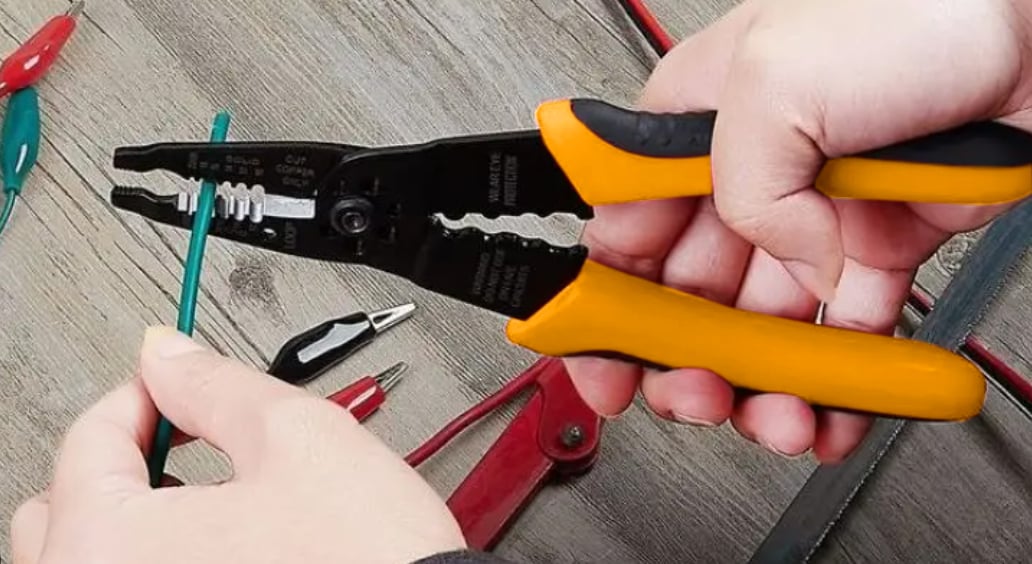
Wire cutter wire represents a specialized cutting element designed to sever electrical conductors, cables, and metal strands with precision and control. Understanding what wire cutter wire is and how it operates has become essential for electricians, maintenance technicians, and industrial professionals working in 2026. Wire cutter wire functions through a mechanical leverage system that concentrates force at the blade edges, enabling clean cuts through various conductor materials and gauges. The effectiveness of wire cutter wire depends on proper blade alignment, material composition, and the specific conductor properties being cut.
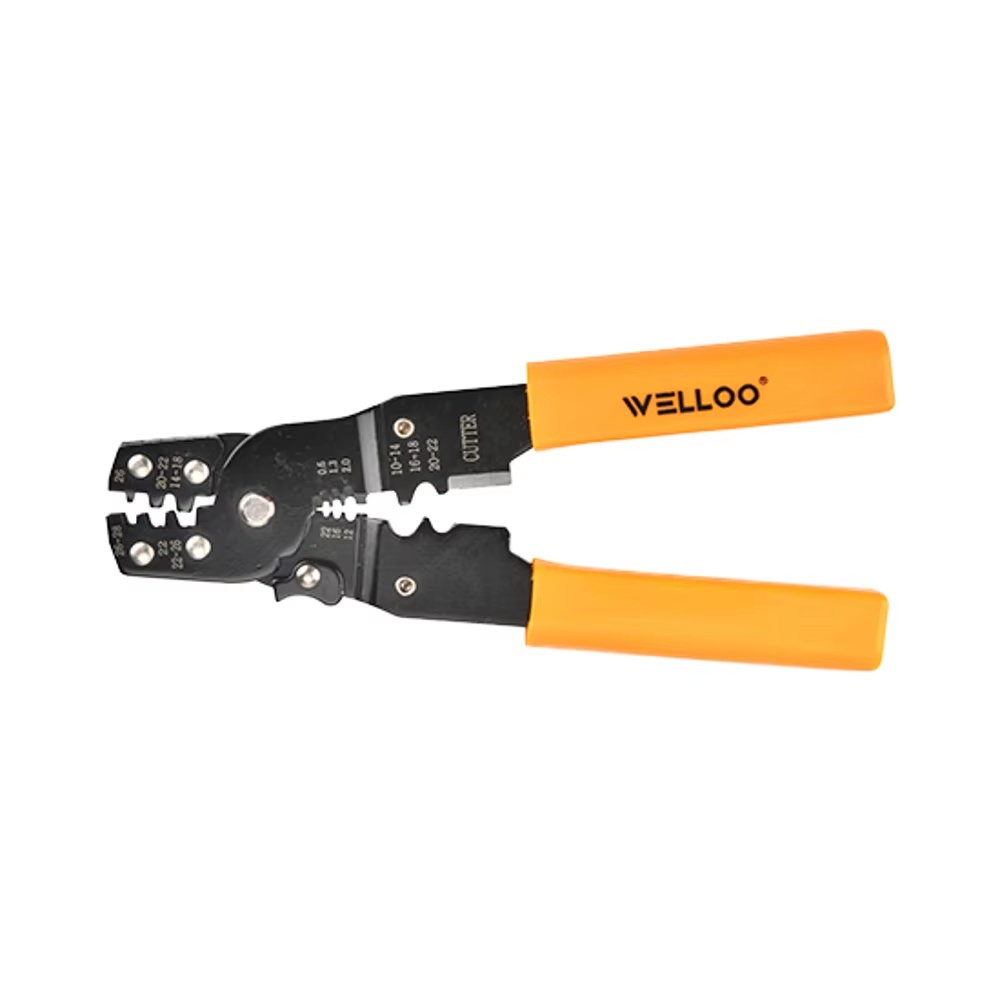
Wire cutter wire operates through a combination of mechanical advantage and blade sharpness that transforms hand pressure into concentrated cutting force. When you squeeze the handles of a wire cutter tool, the mechanical linkage transfers your force to the cutting blades, which meet at a precise angle to slice through the conductor material. The wire cutter wire technology remains fundamentally important across electrical installation, maintenance, repair, and industrial manufacturing environments. Modern wire cutter wire designs incorporate advanced metallurgy, ergonomic handles, and safety features that improve both cutting performance and user protection.
Understanding Wire Cutter Wire Composition and Structure
Blade Material and Metallurgical Properties
Wire cutter wire cutting elements are typically manufactured from hardened steel alloys that resist dulling and maintain sharpness through extended use. The wire cutter wire blades undergo heat treatment processes that create a hard outer surface while maintaining enough flexibility to prevent brittleness and blade breakage. High-carbon steel and chrome-vanadium alloys represent the most common wire cutter wire materials used in professional-grade tools. The wire cutter wire composition directly influences cutting capacity, durability, and the range of conductor materials that can be safely processed. Superior wire cutter wire metallurgy allows technicians to cut through stranded copper, solid aluminum, insulated conductors, and specialty alloys without excessive force or blade damage.
Blade Edge Geometry and Cutting Angle
The geometry of wire cutter wire blades determines how effectively they penetrate and sever conductor materials. Wire cutter wire edges are typically ground to create a precise cutting angle, usually between 40 and 60 degrees, that optimizes slicing efficiency while maintaining structural integrity. The wire cutter wire blade profile includes a concave curve that concentrates cutting force at the contact point where the two blade edges meet. This geometric precision in wire cutter wire design enables clean cuts without crushing, deforming, or partially severing the conductor. Professional-grade wire cutter wire maintains edge consistency across thousands of cutting cycles through advanced manufacturing and quality control processes.
How Wire Cutter Wire Cutting Mechanism Functions
Mechanical Leverage and Force Multiplication
Wire cutter wire tools operate on the principle of mechanical advantage, where the distance from the pivot point to the handle is significantly greater than the distance from the pivot to the cutting blades. This leverage geometry means that modest hand pressure applied to the handles translates into substantially greater force at the wire cutter wire blade edges. The wire cutter wire cutting mechanism typically achieves force multiplication ratios between 4:1 and 10:1, depending on handle length and design. Understanding wire cutter wire leverage principles helps technicians recognize why cutting close to the pivot point requires less effort than cutting near the blade tips. This mechanical efficiency distinguishes wire cutter wire tools from simpler cutting implements and enables professionals to cut through heavy-gauge conductors without hand fatigue.
Wire Cutter Wire Cutting Process and Conductor Separation
When wire cutter wire blades engage a conductor, the cutting process involves both shearing and compression forces that work together to sever the material. The wire cutter wire blades approach each other in a smooth, controlled motion that guides the conductor into the cutting zone. As the blades close, the wire cutter wire cutting surfaces apply pressure that gradually increases until the conductor yields and separates. The wire cutter wire design prevents binding and jamming by maintaining precise blade alignment and including small relief areas that allow material to escape without resistance. Clean wire cutter wire cuts produce smooth conductor edges with minimal deformation, which is essential for safe electrical connections and equipment functionality.
Wire Cutter Wire Applications and Material Compatibility
Electrical Installation and Maintenance Use Cases
Wire cutter wire tools serve as essential instruments in electrical installation work, where technicians must frequently cut individual conductors to precise lengths. The wire cutter wire capability to sever both insulated and bare copper wire makes these tools indispensable on construction sites, renovation projects, and maintenance operations. Electricians depend on wire cutter wire performance to prepare conductors for crimping, termination, and connection to terminals and components. The wire cutter wire precision enables technicians to cut multiple conductors from cable bundles without damaging adjacent wires or creating sharp edges that pose safety hazards. Professional-grade wire cutter wire tools often feature additional functionality like wire stripping, terminal crimping, and bolt cutting, expanding their utility beyond simple cutting operations.
Industrial and Specialty Applications
Beyond standard electrical work, wire cutter wire technology extends into telecommunications, automotive manufacturing, industrial machinery assembly, and electronics production. Wire cutter wire tools designed for specific industries address unique requirements such as cutting fine-gauge control wiring, shielded cables, and specialty conductor materials. The wire cutter wire performance characteristics necessary for cutting aluminum-based conductors differ from requirements for copper or steel, driving development of specialized tool variants. High-volume manufacturing environments rely on wire cutter wire tools that maintain consistent performance while minimizing downtime for blade maintenance or replacement. Understanding wire cutter wire material compatibility and cutting capacity enables professionals to select appropriate tools for their specific applications and conductor types.
Maximizing Wire Cutter Wire Performance and Longevity
Proper Technique and Safe Operating Practices
Effective wire cutter wire use requires understanding the relationship between conductor diameter, material hardness, and cutting pressure to maintain blade integrity and personal safety. Operators should position wire cutter wire blades perpendicular to the conductor surface and apply smooth, controlled force rather than sudden jerking motions that can damage blades or cause slipping. The wire cutter wire design includes insulated handles that protect users from accidental electrical hazards and provide comfortable grip surfaces for extended use. Proper wire cutter wire technique prevents eye injuries from conductor fragments and reduces the risk of hand trauma from sudden tool failures. Understanding the manufacturer's recommended cutting capacity ensures that wire cutter wire tools are used within their design limits, preventing premature wear and maintaining consistent cutting performance.
Maintenance and Blade Care Protocols
Wire cutter wire tools require periodic inspection and maintenance to ensure continued safe operation and consistent cutting quality throughout their service life. Regular cleaning removes insulation fragments, copper dust, and other debris that can accumulate on the blades and interfere with smooth operation of the wire cutter wire mechanism. Lubrication of the pivot joint and blade surfaces maintains smooth operation and reduces friction that can accelerate wear patterns. Wire cutter wire blade sharpening extends tool life significantly compared to replacement, though professional resharpening requires specialized equipment and expertise. Storage in dry environments protects wire cutter wire tools from corrosion and rust that compromise blade performance and tool reliability over time.
FAQ
What materials can wire cutter wire tools safely cut?
Wire cutter wire tools are designed to cut copper, aluminum, and other soft metals, as well as insulated electrical conductors and specialty cable materials. Most professional-grade wire cutter wire tools accommodate conductor sizes from very fine gauge to approximately 10 gauge, though specifications vary by manufacturer. Wire cutter wire tools should not be used on hardened steel bolts, hardened nails, or specialty alloys unless specifically designed for those applications. Using wire cutter wire tools outside their rated capacity can damage blades and create safety hazards for operators. Always consult the manufacturer's specifications to confirm wire cutter wire tool compatibility with the materials you intend to cut.
How does wire cutter wire compare to alternative cutting methods?
Wire cutter wire hand tools offer portability, precision, and ease of use that make them superior to many alternative cutting approaches for most electrical and maintenance applications. Unlike rotary tools, grinders, or abrasive cutting methods, wire cutter wire tools produce clean cuts without generating excessive heat, sparks, or fine particles that require personal protective equipment. Wire cutter wire tools work reliably in confined spaces where power tools cannot access, and they require no electricity or compressed air to operate. The immediate feedback and precise control offered by wire cutter wire tools enable technicians to cut to exact specifications without risk of overshooting or creating uneven cuts. For high-volume industrial applications, specialized wire cutter wire automation equipment provides faster throughput, but manual wire cutter wire tools remain essential for variable, on-site electrical work.
What distinguishes premium wire cutter wire tools from basic models?
Premium wire cutter wire tools feature superior blade metallurgy, precision manufacturing, ergonomic handle designs, and additional functionality that justify their higher cost for professional users. High-quality wire cutter wire products maintain sharpness significantly longer than budget models and cut more smoothly with less hand pressure required. Premium wire cutter wire tools often incorporate safety features like locking mechanisms, insulated handles rated for specific voltage levels, and blade guards that reduce injury risk. Professional-grade wire cutter wire tools undergo rigorous quality testing and carry warranties that reflect manufacturer confidence in their durability and performance. Investing in premium wire cutter wire equipment typically reduces long-term costs through improved durability, reduced downtime, and enhanced safety benefits for professional technicians.