 EN


Selecting the right power drill in today's industrial and professional landscape requires understanding which specifications truly impact performance, durability, and return on investment. A power drill is far more than a generic rotating tool; it is a precision instrument where voltage, torque, chuck design, battery chemistry, and ergonomic engineering directly determine whether the power drill completes tasks safely, efficiently, and reliably across seasons and demand cycles. In 2026, the power drill market has evolved significantly, with manufacturers refining what matters most based on real-world field data and user feedback from construction, manufacturing, maintenance, and maintenance sectors.
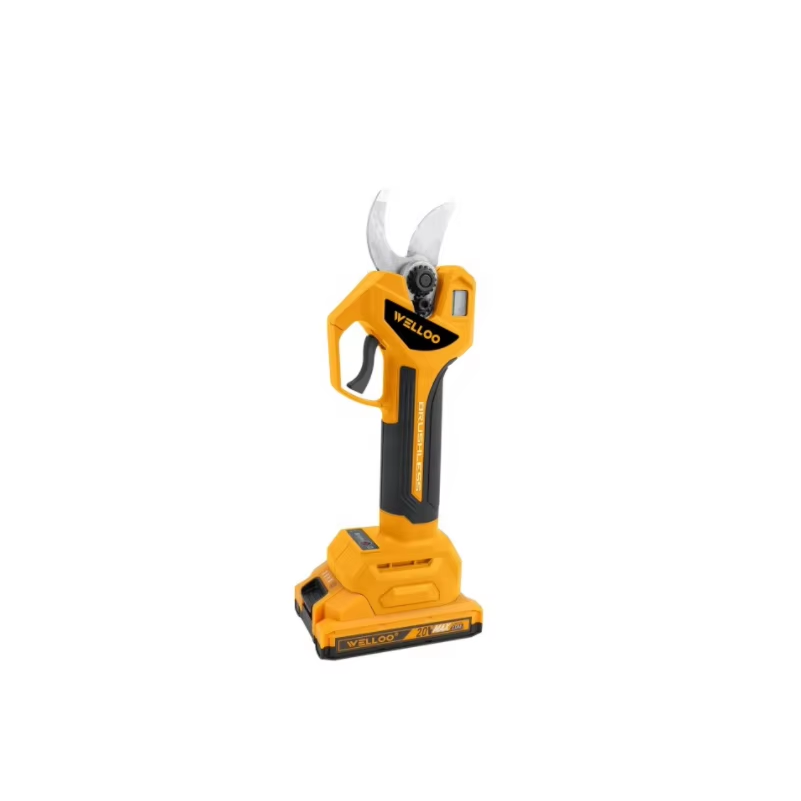
The specifications that matter most in a power drill are no longer defined by marketing claims alone. Instead, they are validated through measurable performance indicators: sustained torque output under load, battery runtime under realistic conditions, temperature stability during extended use, and structural integrity after repeated stress cycles. Understanding these core power drill specifications allows professionals and serious DIY users to forecast tool lifespan, predict task suitability, and align purchasing decisions with the actual demands of their workflows.
Voltage and Battery Technology Define Power Drill Core Performance
Voltage Rating and Its Real-World Impact on Power Drill Capability
The voltage specification of a power drill directly governs the electrical energy available to the motor, which in turn influences maximum speed, peak torque, and sustained force delivery. A power drill operating at 18V or 20V delivers substantially more power than a 12V power drill, but voltage alone does not tell the full story. A power drill rated at 20V with modern brushless motor design delivers significantly more useful work than a 20V power drill from five years ago, because efficiency improvements mean less wasted energy as heat and more converted to rotational force. In 2026, the 20V power drill has become the professional baseline, while 12V power drill models remain valuable for light-duty, portable tasks where weight and compact design trump raw power demands.
Battery Chemistry and Lithium-Ion Advances in Modern Power Drill Systems
The battery chemistry specification embedded in a power drill system determines runtime, charge cycles, temperature resilience, and total cost of ownership. Lithium-ion batteries in a power drill have become the industry standard because they offer consistent voltage delivery, minimal self-discharge, and the ability to support fast charging without catastrophic degradation. A premium power drill now ships with batteries engineered for 3000 to 5000 full charge cycles, compared to 1000 cycles in older nickel-cadmium systems. Advanced power drill battery packs also incorporate temperature sensors and cell balancing circuits that prevent thermal runaway and extend working life in hot or cold job sites. When evaluating a power drill, the battery chemistry specification is as critical as the motor voltage, because a weaker battery pack forces more frequent recharging and reduces productivity.
Torque Ratings and Chuck Quality Shape Power Drill Precision and Durability
Understanding Peak Torque Versus Sustained Torque in Power Drill Specifications
The torque specification listed on a power drill box often reflects peak torque—the maximum rotational force the power drill can generate in a single moment—but professional users must also consider sustained torque, which is the force a power drill can maintain over minutes without thermal throttling or motor stall. A power drill rated at 500 inch-pounds peak torque might deliver only 350 inch-pounds sustained, meaning extended drilling or fastening tasks will slow the power drill or cause the operator to wait for thermal recovery. In 2026, transparent manufacturers publish both figures, allowing buyers to predict whether a power drill will maintain speed through dense materials or heavy fastening sequences. A power drill designed for production environments requires high sustained torque and intelligent current limiting to prevent premature wear and overheating.
Chuck Type and Bit Retention as Critical Power Drill Design Specifications
The chuck specification on a power drill determines how securely bits stay seated and how precisely they stay aligned during use. A 3-jaw keyed chuck on a budget power drill requires a separate chuck key and is vulnerable to bit slippage under high torque. A keyless, all-metal chuck on a professional power drill allows one-handed bit changes and superior runout concentricity, reducing vibration and bit breakage. In 2026, the chuck specification often distinguishes a power drill designed for occasional use from one built for daily production. A power drill with a ball-bearing chuck has lower vibration and longer life than a power drill with a simpler needle-bearing design, making chuck engineering a hidden but crucial power drill specification that impacts both safety and output quality.
Weight, Ergonomics, and Accessory Compatibility in Modern Power Drill Design
Physical Specifications Affecting Power Drill Operator Fatigue and Control
A power drill used eight hours per day must balance power delivery with handling comfort; a 5-pound power drill causes significantly more fatigue than a 3.5-pound power drill when held overhead or at awkward angles. The weight specification of a power drill reflects not just motor size but engineering choices about material density and structural optimization. A lightweight power drill achieves low mass without sacrificing rigidity by using aluminum bodies and optimized bearing support, which increases cost but improves user experience and reduces injury risk on jobsites. Handle diameter, grip texture, and weight distribution also influence whether a power drill feels stable and controllable; a power drill with a side handle for two-handed operation during high-torque tasks represents a design specification that directly affects safety and accuracy.
Compatibility Specifications and Ecosystem Lock-In in Power Drill Selection
Modern power drill systems operate within branded ecosystems where battery packs, chargers, and accessories are often proprietary. A power drill using a platform battery allows users to share batteries across multiple tools, reducing cost per tool and improving capital efficiency. A power drill with an open-standard chuck accepts bits from any manufacturer, while a power drill with a specialized quick-change coupling locks users to premium-priced proprietary bits. In 2026, the ecosystem specification of a power drill is increasingly important for fleet operators and multi-tool users, because tool compatibility determines total ownership cost and operational flexibility. A power drill purchased as part of a larger system requires specification review not just of the power drill itself but of the entire battery and charger ecosystem it joins.
Environmental Durability and Smart Features Define 2026 Power Drill Value
IP Rating and Temperature Tolerance Specifications in Professional Power Drill Models
The IP (Ingress Protection) rating specification on a power drill indicates resistance to dust and moisture intrusion. A power drill with IP54 rating withstands job-site dust and light spray, while an IP65 power drill handles sustained wet conditions and pressure washing on tool carts. Temperature tolerance specifications define whether a power drill functions reliably in freezing winters or hot outdoor summer work. A premium power drill maintains rated torque from 14°F to 122°F, while a budget power drill may throttle performance outside 50°F to 100°F ranges. For seasonal industries or outdoor contractors, these environmental power drill specifications determine whether equipment operates consistently year-round or requires winterization and storage protocols.
Smart Features and Monitoring Capabilities in Connected Power Drill Technology
Emerging power drill specifications now include smart connectivity: Bluetooth-enabled power drill models transmit battery health, usage logs, and maintenance alerts to mobile apps, allowing fleet managers to track tool location, predict battery failure, and schedule maintenance proactively. A power drill with adjustable power modes lets operators reduce speed and torque for delicate fastening or increase both for heavy-duty drilling, extending battery runtime and reducing material damage. Electronic braking in a power drill stops the chuck milliseconds after trigger release, improving safety and precision. These modern power drill specifications represent the convergence of mechanical performance and digital integration, making the specification sheet far more complex but more predictive of real-world suitability than legacy power drill generations.
FAQ
What voltage power drill should I choose for professional daily use?
For professional daily use, a 20V power drill is the standard choice because it balances raw power, battery availability, and tool weight effectively. A 20V power drill delivers sufficient torque for most fastening and drilling tasks without the excessive weight of 24V or higher systems, and 20V battery platforms are broadly compatible across tool ecosystems in 2026. If your tasks involve dense hardwoods or structural steel, confirm that your chosen 20V power drill delivers at least 300 inch-pounds of sustained torque.
How does peak torque differ from sustained torque in a power drill specification?
Peak torque is the maximum rotational force a power drill can generate instantaneously, often occurring during initial engagement or brief high-load moments. Sustained torque is the force a power drill maintains consistently during extended drilling or fastening without thermal throttling or performance loss. A power drill with 500 inch-pounds peak but only 280 inch-pounds sustained will slow considerably during dense material drilling; the sustained figure is more predictive of real-world production output.
Does battery chemistry matter when selecting a modern power drill?
Yes, battery chemistry is critical because it determines runtime, lifespan, and temperature resilience in a power drill system. Lithium-ion batteries in a power drill are standard in 2026 and offer 3000–5000 full charge cycles, consistent voltage, and temperature stability. Older nickel-cadmium or nickel-metal hydride batteries deliver fewer cycles and suffer memory effect, so any power drill with obsolete battery chemistry will become expensive to maintain and unreliable long-term.