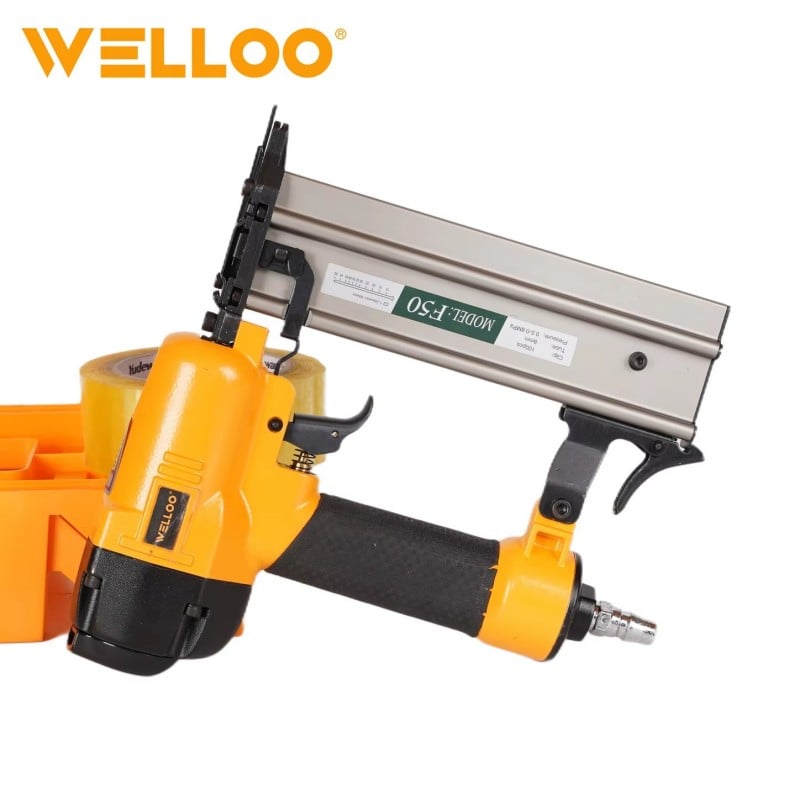
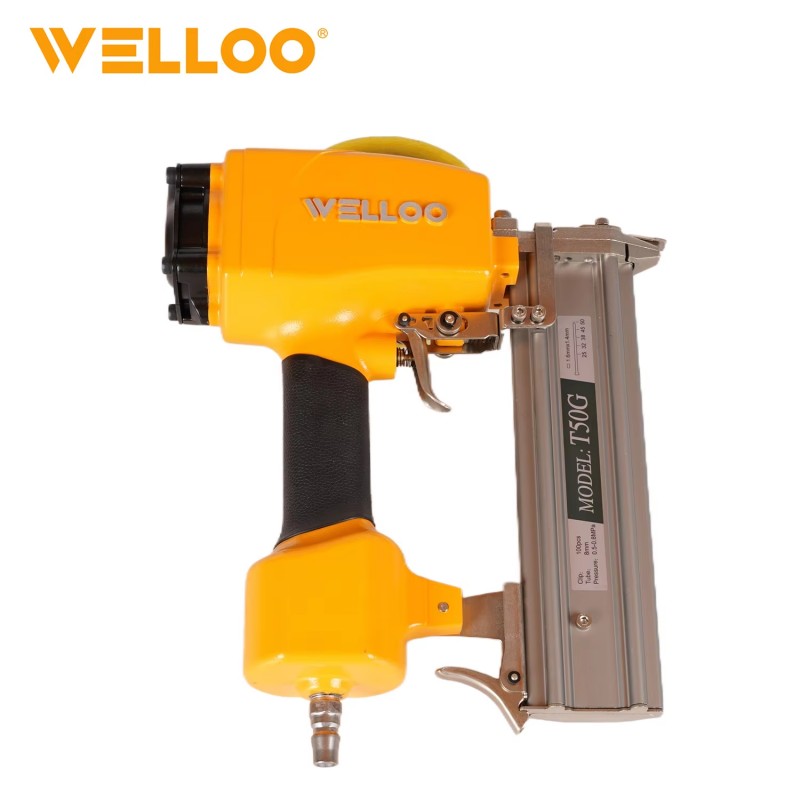
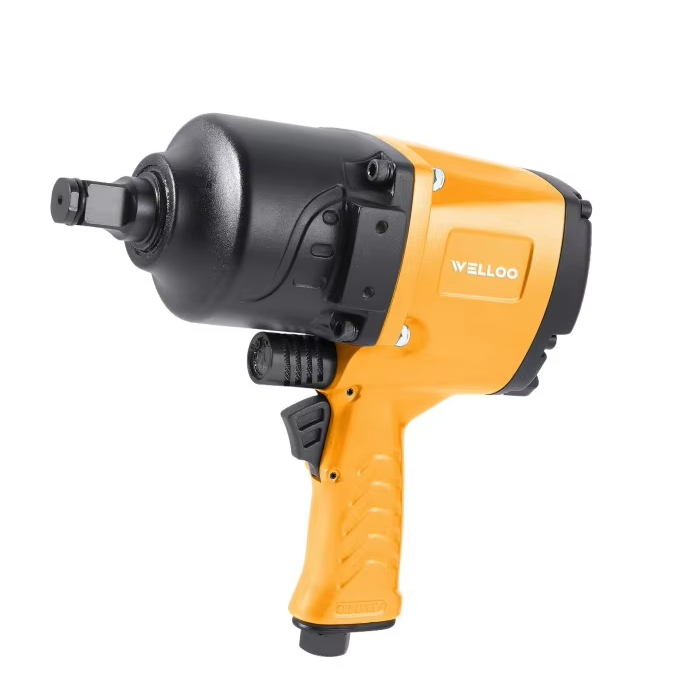
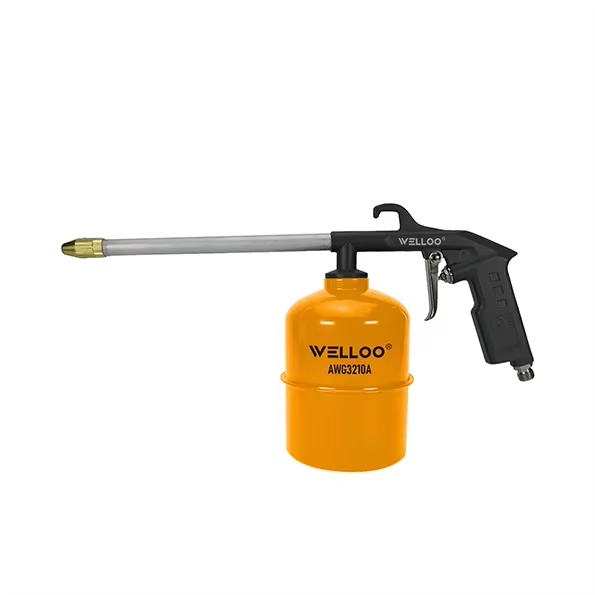
Heavy Duty Hand Tools: Professional Grade Durability and Performance for Industrial Applications

Welloo Electronic Technology Co., Ltd.

Get a Free Quote

Our representative will contact you soon.
Email
Name
Company Name
Your want
Message
0/1000

heavy duty hand tools

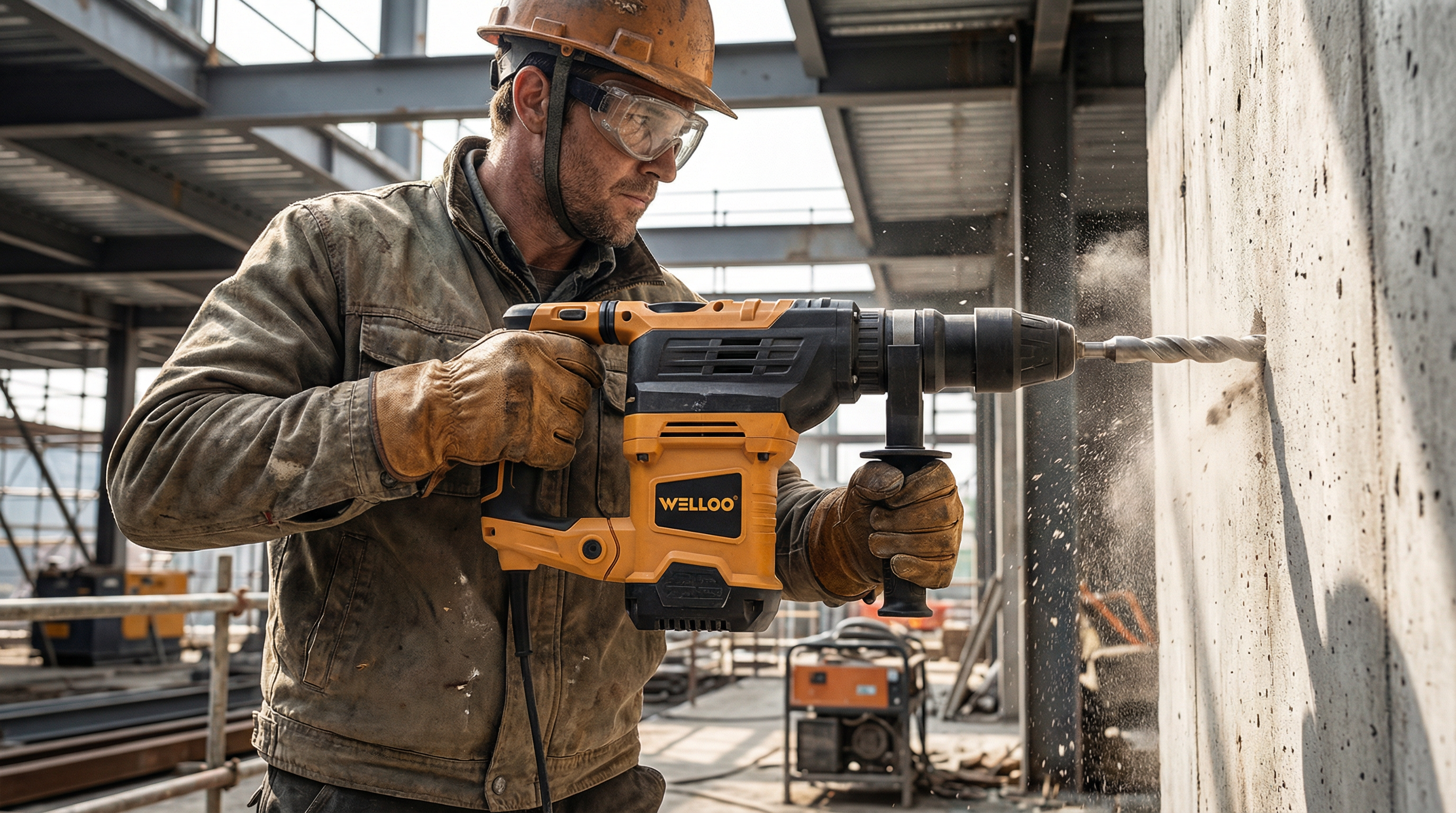
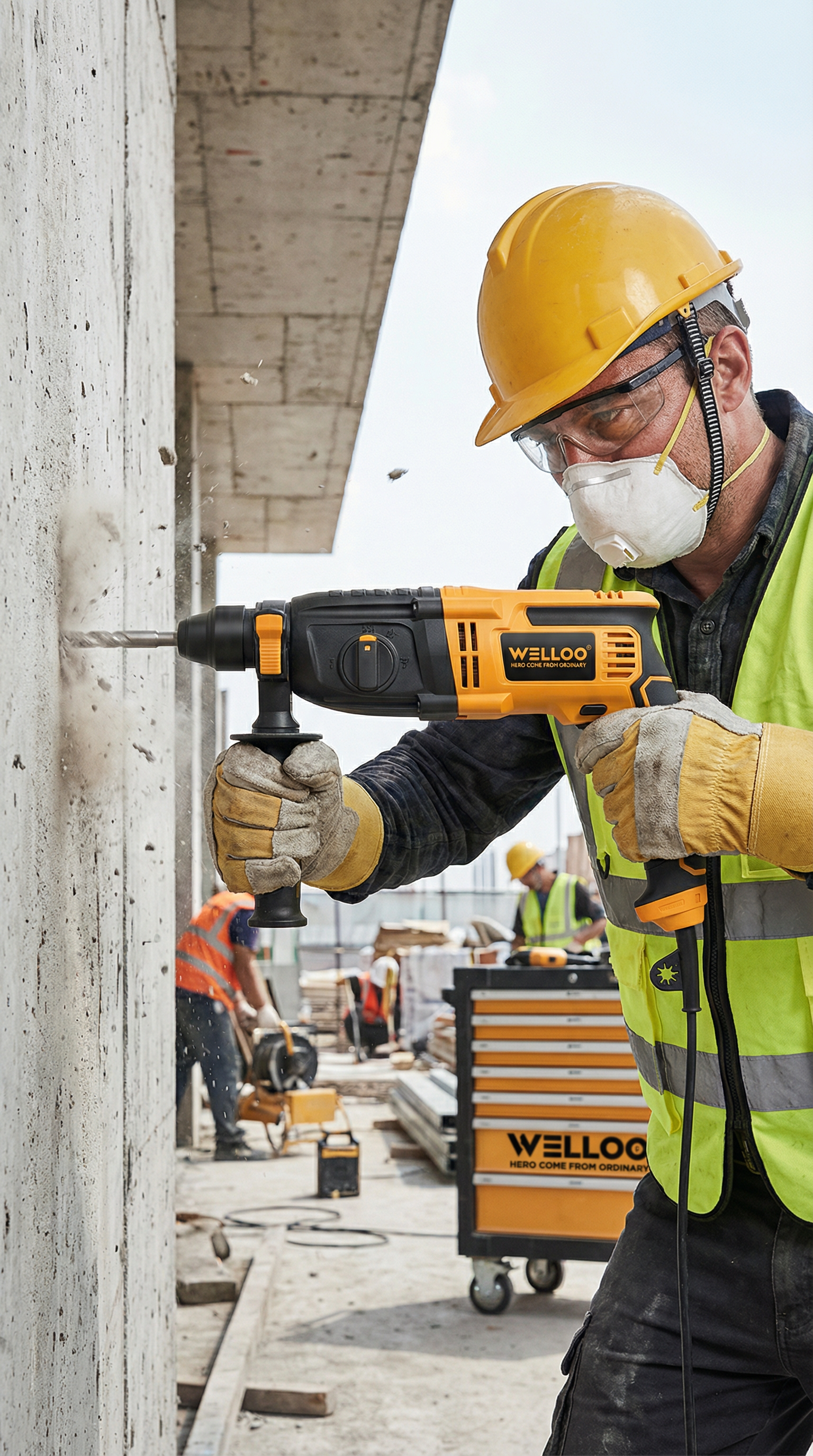
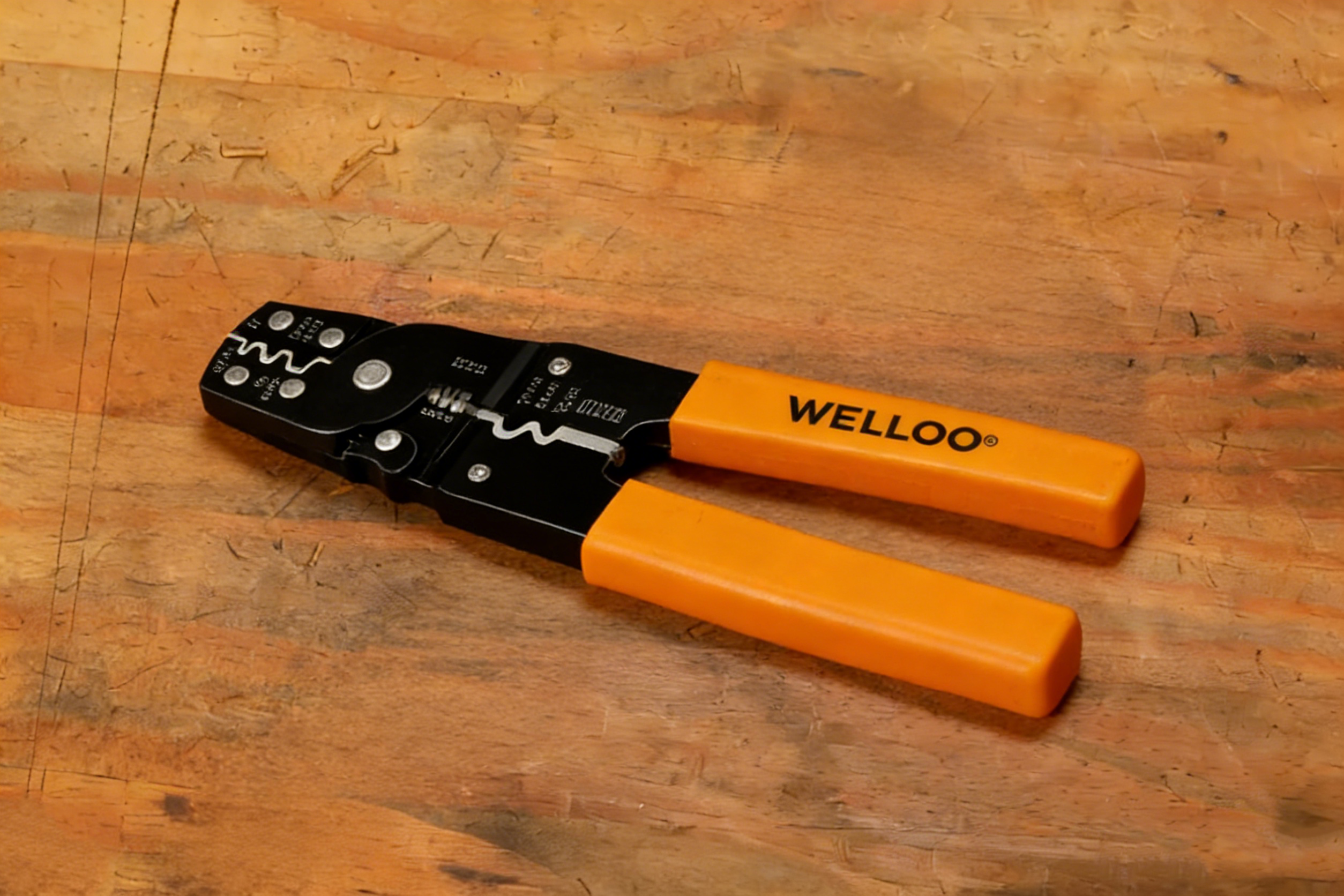
Heavy duty hand tools represent the pinnacle of manual craftsmanship engineering, designed specifically for demanding industrial applications and professional use. These robust instruments combine superior materials, advanced manufacturing techniques, and ergonomic design principles to deliver exceptional performance under extreme conditions. Unlike standard consumer-grade tools, heavy duty hand tools undergo rigorous testing protocols to ensure they withstand continuous use, high-stress applications, and challenging environmental conditions. The construction typically features high-carbon steel alloys, chrome-vanadium compositions, or specialized tool steel that provides enhanced strength, durability, and resistance to wear and corrosion. Manufacturing processes include precision forging, heat treatment, and surface hardening techniques that optimize tool performance and longevity. These tools encompass various categories including wrenches, pliers, hammers, screwdrivers, cutters, and specialty instruments designed for specific trades and industries. Professional mechanics, construction workers, electricians, plumbers, and industrial technicians rely on heavy duty hand tools for critical operations where tool failure could result in project delays, safety hazards, or costly equipment damage. The ergonomic design considerations include grip optimization, weight distribution, and handle materials that reduce user fatigue during extended use periods. Quality control measures ensure consistent performance standards across production batches, with many manufacturers providing lifetime warranties or extended guarantee periods. Advanced coating technologies protect against rust, chemicals, and environmental exposure while maintaining optimal grip characteristics. Heavy duty hand tools often feature specialized design elements such as reinforced stress points, precision-machined surfaces, and proprietary alloy compositions that distinguish them from conventional alternatives. These tools serve as essential components in automotive repair, aerospace maintenance, heavy machinery servicing, construction projects, and manufacturing operations where reliability and precision are paramount requirements for successful task completion and workplace safety.

New Product Releases

Heavy duty hand tools provide numerous compelling advantages that make them indispensable for professionals and serious enthusiasts who demand reliable performance from their equipment. The primary benefit lies in their exceptional durability and longevity, which translates directly into cost savings over time. While the initial investment may be higher than standard tools, heavy duty hand tools typically last decades with proper maintenance, eliminating frequent replacement costs and reducing downtime caused by tool failures. The superior construction materials and manufacturing processes ensure these tools maintain their precision and functionality even after thousands of use cycles, making them economically advantageous for businesses and individuals who use tools regularly. Enhanced safety represents another significant advantage of heavy duty hand tools. The robust construction reduces the risk of tool breakage during use, which can cause serious injuries from flying debris or sudden slippage. The improved grip designs and ergonomic features minimize hand fatigue and provide better control, reducing accidents caused by tool slippage or loss of grip strength during extended work sessions. Many heavy duty hand tools incorporate safety features such as insulated handles for electrical work, non-slip surfaces, and design elements that prevent accidental engagement or release. Performance efficiency increases dramatically when using heavy duty hand tools compared to standard alternatives. The precision manufacturing ensures tighter tolerances, better fits, and more accurate results, which reduces the time required to complete tasks and improves work quality. The enhanced torque capabilities and leverage optimization allow users to tackle more challenging applications with less physical effort, increasing productivity and reducing operator fatigue. Professional tradespeople consistently report faster job completion times and fewer callbacks when using high-quality heavy duty hand tools. Versatility represents another key advantage, as many heavy duty hand tools are designed to handle multiple applications and work with various materials and fastener types. This multi-functionality reduces the number of tools required for specific jobs, simplifying tool inventory management and reducing carrying weight for mobile professionals. The consistent performance across different applications means users can rely on the same tool for various tasks without compromising results or risking tool damage.

Latest News

Wholesale Garden Tools: A Strategic Sourcing Guide for Global Retailers

11

Feb

Wholesale Garden Tools: A Strategic Sourcing Guide for Global Retailers

The global garden tools market continues to expand as homeowners increasingly prioritize outdoor living and sustainable gardening practices. For retailers seeking profitable wholesale opportunities, understanding the intricacies of garden tools sourc...
View More
Precision Wire Cutters for Electronics Manufacturing: A B2B Buying Guide

04

Feb

Precision Wire Cutters for Electronics Manufacturing: A B2B Buying Guide

Modern electronics manufacturing demands exceptional precision at every stage of production, particularly when it comes to wire processing and component preparation. Professional wire cutter tools have become indispensable assets for manufacturers, e...
View More
Sourcing High-Quality Chisels: Key Metrics for Hardware Store Inventory Managers

19

Feb

Sourcing High-Quality Chisels: Key Metrics for Hardware Store Inventory Managers

Hardware store inventory managers face constant pressure to balance quality, cost, and customer demand when sourcing cutting tools. Among the most essential woodworking instruments, the chisel represents a cornerstone product that demands careful sel...
View More
The Cost-Benefit Analysis of Cordless vs. Corded Electric Saws for Contractors

27

Feb

The Cost-Benefit Analysis of Cordless vs. Corded Electric Saws for Contractors

Contractors face a critical decision when selecting cutting tools for their projects: choosing between cordless and corded electric saws. This decision directly impacts productivity, project costs, and operational efficiency on job sites. An electric...
View More

Get a Free Quote

Our representative will contact you soon.
Email
Name
Company Name
Your want
Message
0/1000

heavy duty hand tools

Unmatched Durability Through Advanced Metallurgy and Engineering

Unmatched Durability Through Advanced Metallurgy and Engineering

The foundation of superior heavy duty hand tools lies in their revolutionary metallurgical composition and precision engineering processes that set them apart from conventional alternatives. These tools utilize premium-grade materials such as chrome-vanadium steel alloys, high-carbon tool steels, and specialized composite materials that undergo extensive heat treatment and tempering processes. The molecular structure of these materials is optimized through controlled heating and cooling cycles that enhance grain structure, eliminate internal stress points, and maximize material strength while maintaining necessary flexibility to prevent brittle fractures under load. Manufacturing processes include drop forging techniques that compress and align metal grain structures for optimal strength distribution throughout the tool body. Surface treatments such as phosphate coating, chrome plating, or advanced polymer applications provide additional protection against corrosion, chemical exposure, and environmental degradation. The precision machining processes ensure consistent dimensions, smooth operation, and optimal fit characteristics that remain stable throughout the tool's operational lifetime. Quality control protocols include non-destructive testing methods such as magnetic particle inspection, ultrasonic testing, and stress analysis to identify potential weaknesses before products reach end users. This comprehensive approach to material science and manufacturing excellence results in heavy duty hand tools that consistently outperform standard alternatives by factors of three to five times in longevity testing. Professional users report tools remaining fully functional after decades of intensive use, with many vintage heavy duty hand tools still performing optimally after 30-40 years of service. The investment in superior materials and manufacturing processes translates directly into reduced replacement costs, minimized downtime, and enhanced reliability for critical applications where tool failure could result in safety hazards, project delays, or significant financial losses. This durability advantage becomes particularly apparent in demanding industrial environments, automotive repair facilities, and construction sites where tools face continuous stress, temperature variations, and exposure to harsh chemicals or abrasive materials.
Precision Engineering for Enhanced Performance and Safety

Precision Engineering for Enhanced Performance and Safety

Heavy duty hand tools incorporate sophisticated engineering principles and design innovations that dramatically improve user safety, operational efficiency, and task precision compared to conventional alternatives. The ergonomic design development involves extensive research into human biomechanics, grip strength analysis, and fatigue reduction methodologies to create tools that optimize user comfort and control during extended use periods. Handle designs feature carefully calculated diameter ratios, surface texturing patterns, and material compositions that provide secure grip characteristics while minimizing pressure points that cause hand fatigue or discomfort. Weight distribution optimization ensures proper balance points that reduce wrist strain and improve control accuracy, particularly important for precision work or overhead applications. Safety features include carefully engineered stress distribution systems that prevent sudden tool failure, controlled flex zones that absorb impact forces, and design elements that prevent slippage or accidental disengagement during use. Many heavy duty hand tools incorporate visual wear indicators that alert users when tools approach replacement intervals, preventing unexpected failures that could cause injuries or work quality issues. The precision manufacturing tolerances ensure consistent performance characteristics across production runs, with dimensional accuracy typically maintained within thousandths of an inch specifications. This precision translates into improved fit characteristics with fasteners, reduced wear on both tools and work materials, and enhanced torque transfer efficiency that allows users to achieve better results with less physical effort. Advanced surface treatments provide optimal friction characteristics that enhance grip security while resisting contamination from oils, chemicals, or debris commonly encountered in industrial environments. The engineering excellence extends to specialized features such as ratcheting mechanisms with fine tooth counts for precise positioning in confined spaces, articulating joints that maintain strength while providing access flexibility, and innovative leverage systems that multiply applied force without increasing tool size or weight. Professional users consistently report improved work quality, reduced physical fatigue, and enhanced productivity when utilizing properly engineered heavy duty hand tools compared to standard alternatives.
Comprehensive Versatility for Multi-Application Professional Use

Comprehensive Versatility for Multi-Application Professional Use

Heavy duty hand tools excel in their remarkable versatility and adaptability across diverse professional applications, making them invaluable investments for tradespeople, technicians, and serious enthusiasts who encounter varied challenges in their work environments. This versatility stems from thoughtful design approaches that prioritize multi-functionality without compromising specialized performance in specific applications. Advanced heavy duty hand tools often feature modular design elements, interchangeable components, and adaptive mechanisms that allow single tools to perform multiple functions effectively. For example, combination wrenches with reversible ratcheting mechanisms, multi-bit screwdriver systems with magnetic bit retention, and adjustable pliers with specialized jaw configurations that accommodate various material types and sizes. The material compatibility extends across metals, plastics, composites, and specialized materials commonly encountered in modern manufacturing and repair environments. Heavy duty hand tools are engineered to handle both delicate precision work and high-torque applications within the same tool family, providing professionals with comprehensive solutions that reduce inventory requirements and simplify tool management. The standardized interface designs ensure compatibility with existing tool systems and accessories, allowing users to expand capabilities without replacing entire tool collections. Professional mechanics appreciate heavy duty hand tools that work equally well on automotive applications, heavy equipment maintenance, and precision electronic components without requiring specialized variants for each application. Construction professionals benefit from tools that perform effectively on steel framing, concrete applications, electrical installations, and finishing work using the same core tool set. The enhanced durability characteristics mean these versatile tools maintain their precision and functionality across all applications throughout their service life, unlike specialized tools that may excel in single applications but fail when used outside their intended scope. Manufacturing quality control ensures consistent performance across the entire operational range, with tools delivering reliable results whether used for high-volume production work or occasional specialized applications. This comprehensive versatility translates into significant economic advantages for professional users who can maintain smaller, more efficient tool inventories while ensuring they have appropriate equipment for unexpected challenges or diverse project requirements that arise in dynamic work environments.

Get a Free Quote

Our representative will contact you soon.
Email
Name
Company Name
Your want
Message
0/1000