Professional Pneumatic Sanding Tools - Superior Performance, Safety & Durability for Industrial Applications

Welloo Electronic Technology Co., Ltd.

Get a Free Quote

Our representative will contact you soon.
Email
Name
Company Name
Your want
Message
0/1000

pneumatic sanding tools

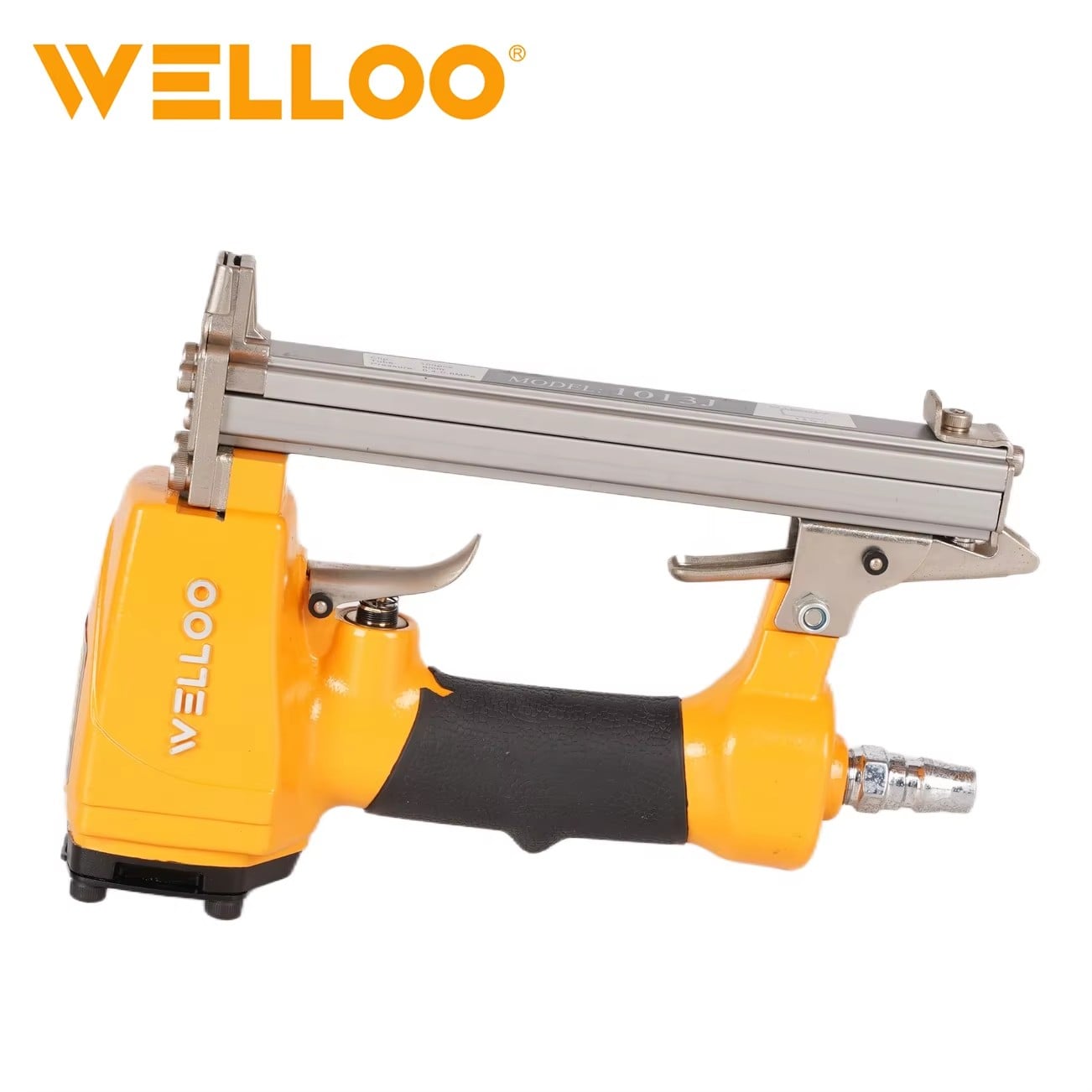
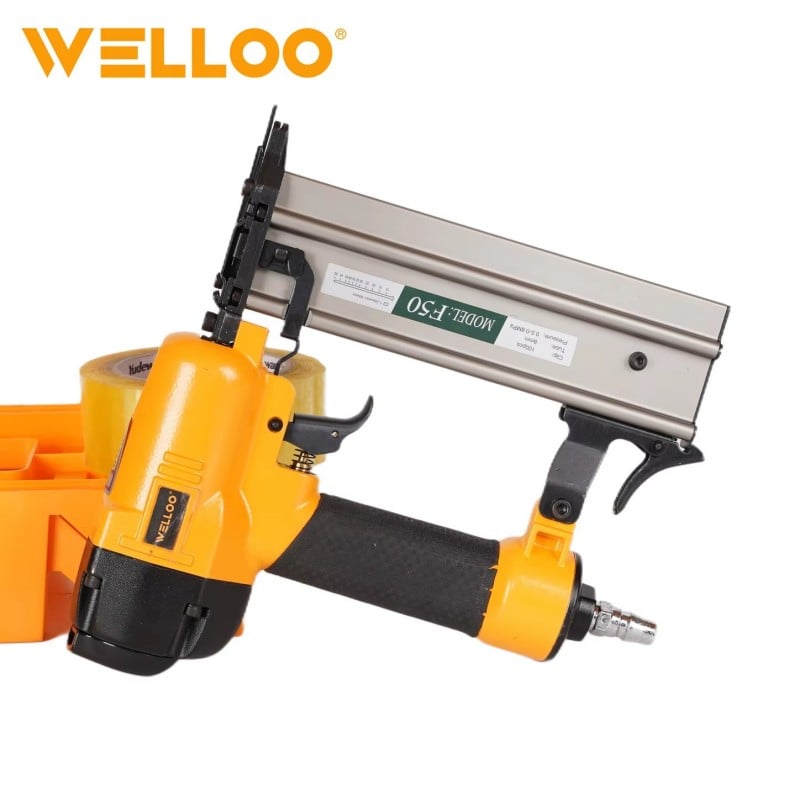
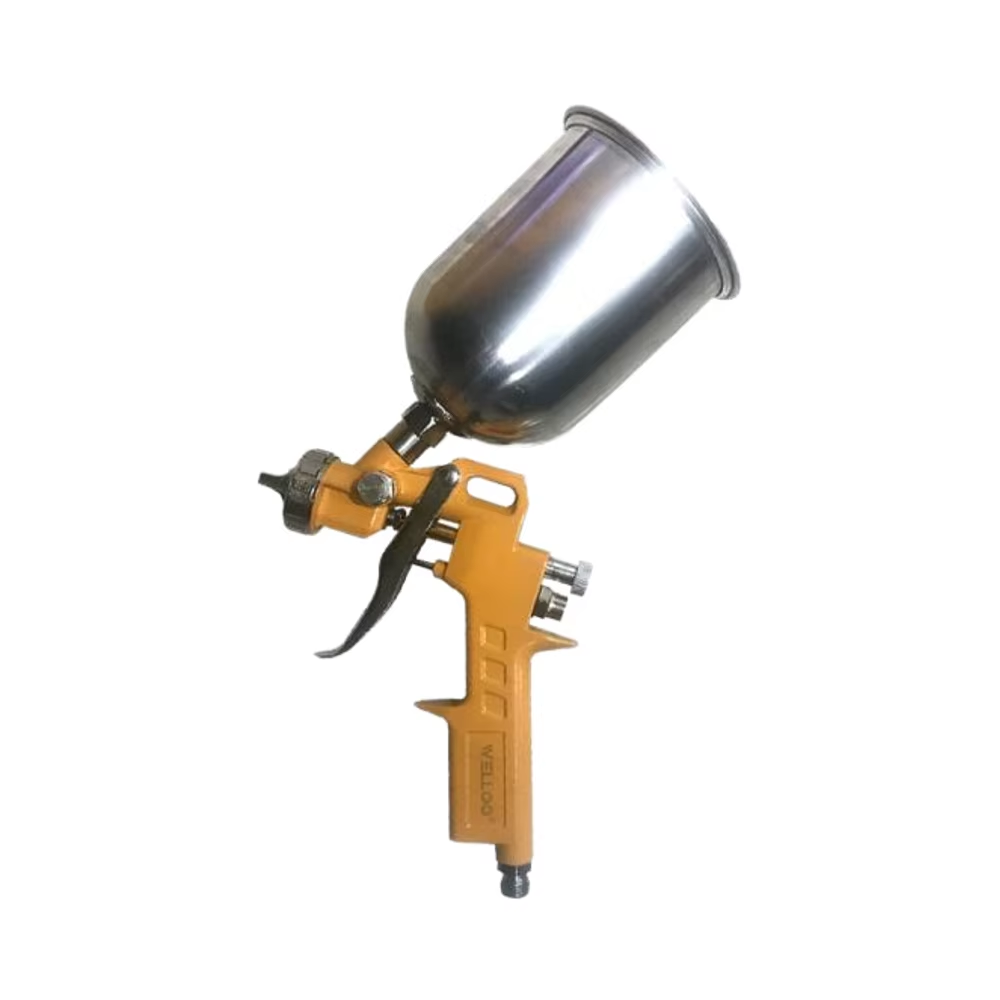
Pneumatic sanding tools represent a revolutionary advancement in surface preparation and finishing technology, offering professionals and DIY enthusiasts unprecedented precision and efficiency in their woodworking, metalworking, and automotive projects. These compressed air-powered devices harness the consistent energy delivery of pneumatic systems to drive various sanding attachments with remarkable reliability and control. The core functionality of pneumatic sanding tools centers around their ability to convert compressed air pressure into rotational or orbital motion, enabling smooth and uniform material removal across diverse surface types. Unlike their electric counterparts, these tools maintain consistent performance throughout extended use periods without experiencing power fluctuations or overheating issues. The technological architecture incorporates sophisticated air distribution chambers that ensure optimal pressure regulation while minimizing vibration transfer to the operator's hands. Modern pneumatic sanding tools feature adjustable speed controls, allowing users to customize the operational intensity based on material requirements and project specifications. The ergonomic design philosophy emphasizes user comfort through balanced weight distribution and reduced fatigue during prolonged operations. These tools excel in applications ranging from cabinet refinishing and furniture restoration to automotive bodywork and metal fabrication. Professional contractors particularly value pneumatic sanding tools for their durability in harsh workshop environments where dust, moisture, and temperature variations could compromise electronic equipment. The absence of electrical components eliminates spark risks, making them ideal for environments with flammable materials or vapors. Additionally, the modular nature of pneumatic systems allows seamless integration with existing compressed air infrastructure, reducing overall equipment investment costs. The precision control offered by pneumatic sanding tools enables intricate detail work while maintaining the power necessary for aggressive material removal when required. This versatility makes them indispensable across industries including aerospace, marine, construction, and specialty manufacturing where surface quality directly impacts product performance and longevity.

New Product Recommendations

Pneumatic sanding tools deliver exceptional performance benefits that significantly outweigh traditional electric alternatives in numerous operational scenarios. The primary advantage stems from their ability to maintain consistent power output regardless of workload intensity or duration, eliminating the performance degradation commonly experienced with electric motors under stress. This reliability translates directly into superior finish quality and reduced project completion times. The lightweight construction of pneumatic sanding tools reduces operator fatigue substantially during extended use periods, as the absence of heavy electric motors and associated components creates a more balanced and maneuverable tool. Users report improved precision control and reduced hand strain when working on detailed projects requiring extended concentration. The instant start capability of pneumatic systems provides immediate full power availability without warm-up periods, enhancing productivity in fast-paced work environments. Safety considerations favor pneumatic sanding tools significantly, particularly in environments where dust accumulation or moisture presence could create electrical hazards. The elimination of electrical components removes shock risks and allows safe operation in damp conditions common in restoration projects or outdoor applications. Temperature management represents another crucial advantage, as pneumatic tools remain cool during operation while electric alternatives often overheat during intensive use. This thermal stability prevents damage to sensitive materials and reduces the risk of accidental burns. The durability factor cannot be overstated, as pneumatic sanding tools withstand harsh workshop conditions including dust infiltration, chemical exposure, and physical impacts that would compromise electronic systems. Maintenance requirements remain minimal due to fewer moving parts and the absence of complex electrical circuitry. Cost efficiency emerges through reduced energy consumption compared to high-wattage electric sanders, particularly beneficial for commercial operations running multiple tools simultaneously. The modular design allows easy component replacement and upgrading without replacing entire units. Environmental benefits include reduced electromagnetic interference and lower carbon footprint when powered by efficient compressed air systems. The quiet operation of pneumatic sanding tools creates more comfortable work environments and complies with noise regulations in residential or restricted areas. Speed variability through air pressure adjustment provides precise control over material removal rates without sacrificing power, enabling optimal results across different materials and applications.

Latest News

Wholesale Garden Tools: A Strategic Sourcing Guide for Global Retailers

11

Feb

Wholesale Garden Tools: A Strategic Sourcing Guide for Global Retailers

The global garden tools market continues to expand as homeowners increasingly prioritize outdoor living and sustainable gardening practices. For retailers seeking profitable wholesale opportunities, understanding the intricacies of garden tools sourc...
View More
Precision Wire Cutters for Electronics Manufacturing: A B2B Buying Guide

04

Feb

Precision Wire Cutters for Electronics Manufacturing: A B2B Buying Guide

Modern electronics manufacturing demands exceptional precision at every stage of production, particularly when it comes to wire processing and component preparation. Professional wire cutter tools have become indispensable assets for manufacturers, e...
View More
Sourcing High-Quality Chisels: Key Metrics for Hardware Store Inventory Managers

19

Feb

Sourcing High-Quality Chisels: Key Metrics for Hardware Store Inventory Managers

Hardware store inventory managers face constant pressure to balance quality, cost, and customer demand when sourcing cutting tools. Among the most essential woodworking instruments, the chisel represents a cornerstone product that demands careful sel...
View More
The Contractor's Guide to Maintaining a Fleet of Professional Hand Saws

24

Feb

The Contractor's Guide to Maintaining a Fleet of Professional Hand Saws

Professional contractors rely heavily on their tool inventory to complete projects efficiently and maintain their reputation for quality work. Among the essential cutting tools in any contractor's arsenal, the hand saw stands as one of the most funda...
View More

Get a Free Quote

Our representative will contact you soon.
Email
Name
Company Name
Your want
Message
0/1000

pneumatic sanding tools

Superior Power Consistency and Performance Reliability

Superior Power Consistency and Performance Reliability

The power consistency delivered by pneumatic sanding tools represents their most significant competitive advantage over electric alternatives. Unlike electric motors that experience voltage fluctuations and power drops under load, pneumatic systems maintain steady performance throughout the entire operational cycle. This consistency stems from the compressed air delivery system's ability to provide uniform pressure regardless of tool demand or environmental conditions. The technology eliminates the common frustrations associated with electric sanders that slow down when encountering harder materials or dense grain patterns. Professional woodworkers and automotive technicians particularly appreciate this reliability when working on critical projects where finish quality cannot be compromised. The pneumatic system's instant response capability ensures that power delivery matches operational demands immediately, without the lag time associated with electric motor acceleration. This responsiveness proves invaluable when transitioning between different sanding grits or moving from aggressive material removal to fine finishing work. The absence of electrical components susceptible to power surges or brownouts means consistent performance regardless of facility electrical conditions. Workshop environments with multiple high-draw equipment often experience voltage drops that affect electric tool performance, but pneumatic sanding tools remain unaffected by these electrical variations. Temperature stability further enhances performance reliability, as pneumatic tools maintain consistent operation regardless of ambient temperatures or extended use periods. The cooling effect of expanding compressed air actually helps maintain optimal operating temperatures, preventing the performance degradation common in overheated electric motors. Additionally, the mechanical simplicity of pneumatic drive systems reduces the likelihood of performance-affecting component failures. The compressed air system's ability to deliver precise torque control enables optimal material removal rates while preventing gouging or surface damage. This control precision allows operators to achieve professional-quality results with minimal experience, as the tool's consistent behavior becomes predictable and manageable. The reliability factor extends to challenging environments where dust, moisture, or chemical exposure would compromise electronic components, ensuring consistent performance across diverse applications and conditions.
Enhanced Safety and Environmental Adaptability

Enhanced Safety and Environmental Adaptability

Safety considerations make pneumatic sanding tools the preferred choice for numerous industrial and professional applications where electrical hazards pose significant risks. The elimination of electrical components removes the possibility of electrical shock, making these tools ideal for use in damp environments, outdoor conditions, or areas where water exposure is likely. This safety advantage proves particularly valuable in marine restoration projects, basement workshops, or construction sites where moisture control is challenging. The absence of electrical spark generation makes pneumatic sanding tools essential for environments containing flammable materials, vapors, or dust particles that could ignite with electrical discharge. Auto body shops, furniture refinishing facilities, and chemical processing plants rely on pneumatic tools to maintain safe working conditions while achieving superior results. The intrinsically safe design prevents electrical fire risks, providing peace of mind in environments where safety regulations mandate non-sparking equipment. Temperature safety represents another crucial benefit, as pneumatic sanding tools remain cool during operation, eliminating burn risks associated with overheated electric motors. The cooling effect of expanding compressed air actually helps dissipate heat from the work surface, preventing material damage and improving operator comfort. This thermal management proves essential when working with heat-sensitive materials or in confined spaces where ventilation is limited. Environmental adaptability extends to extreme temperature conditions where electric tools might fail or perform poorly. Pneumatic sanding tools function effectively in cold environments where battery-powered alternatives lose capacity and electric motors struggle to start. The mechanical simplicity allows operation in dusty conditions that would clog electric motor ventilation systems or damage electronic components. Chemical resistance of pneumatic components enables use in environments where solvents or cleaning agents would degrade electrical insulation. The reduced electromagnetic interference generated by pneumatic tools makes them suitable for sensitive electronic environments or precision manufacturing facilities. Additionally, the ability to operate pneumatic sanding tools in explosive atmospheres with proper air quality control provides safety options unavailable with electric alternatives. The environmental benefits include reduced electrical consumption and compatibility with renewable compressed air generation systems, supporting sustainable manufacturing practices while maintaining superior performance standards.
Exceptional Durability and Cost-Effective Operation

Exceptional Durability and Cost-Effective Operation

The durability characteristics of pneumatic sanding tools significantly exceed electric alternatives due to their simplified mechanical design and absence of vulnerable electronic components. The robust construction withstands harsh workshop environments including dust infiltration, chemical exposure, vibration, and physical impacts that would quickly compromise electric motor housings or control circuits. This resilience translates into lower replacement costs and reduced downtime for maintenance or repairs. The mechanical simplicity means fewer failure points, with most wear occurring in easily replaceable components like seals and bearings rather than expensive motors or electronic assemblies. Professional contractors report operational lifespans exceeding ten years with proper maintenance, compared to typical electric sander lifespans of two to three years under similar conditions. The cost-effectiveness extends beyond initial durability to operational efficiency, as pneumatic sanding tools consume less energy than equivalent electric models when powered by efficient compressed air systems. Large commercial operations benefit from centralized compressed air generation that can power multiple tools simultaneously at lower per-unit costs than individual electric motors. The maintenance requirements remain minimal, involving simple lubrication and occasional seal replacement rather than complex electrical repairs or motor rebuilding. Component availability and affordability make long-term ownership economical, with replacement parts costing significantly less than electric motor components. The modular design allows selective upgrading of specific components rather than complete tool replacement, extending useful life and maintaining current performance standards. Operational flexibility contributes to cost-effectiveness through the ability to adjust power output via air pressure regulation without purchasing multiple tools for different applications. This adaptability reduces inventory requirements and simplifies tool management for businesses operating diverse projects. The reduced electrical infrastructure requirements lower installation and operational costs, particularly valuable for mobile operations or temporary work sites where electrical capacity is limited. Insurance benefits often apply due to reduced fire and electrical hazard risks, potentially lowering coverage costs for businesses utilizing pneumatic sanding tools exclusively. Environmental cost savings emerge through reduced electrical consumption and longer tool lifespans that minimize disposal and replacement cycles. The ability to operate pneumatic sanding tools with renewable compressed air generation systems supports sustainable practices while maintaining economic advantages over electric alternatives in both initial investment and long-term operational costs.

Get a Free Quote

Our representative will contact you soon.
Email
Name
Company Name
Your want
Message
0/1000