 EN
EN


Luxury interior fitting represents the pinnacle of craftsmanship where precision, durability, and aesthetic excellence converge to create environments that reflect sophistication and timeless elegance. In this demanding domain, the quality of woodworking tools directly determines the outcome of every project, from bespoke millwork installations to intricate paneling systems that define high-end residential and commercial spaces. Heavy-duty woodworking tools are not merely equipment—they are essential enablers of the meticulous standards required in luxury interior environments, where even microscopic imperfections can compromise the overall visual and structural integrity of a finished space.
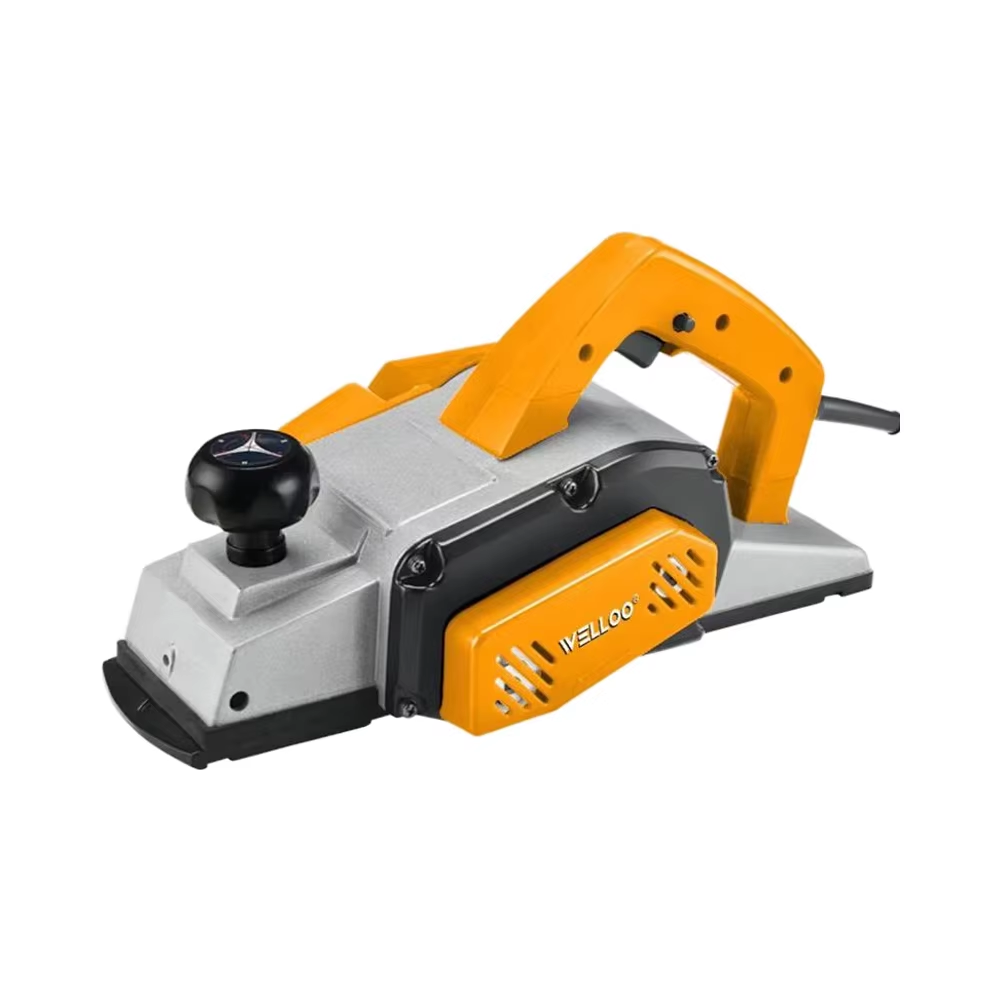
The critical role of professional-grade woodworking tools in luxury interior fitting extends beyond basic functionality to encompass reliability under continuous operation, dimensional accuracy that meets architectural specifications, and the ability to work with premium hardwoods and exotic materials that characterize upscale projects. Understanding why heavy-duty woodworking tools are indispensable in this specialized field requires examining the unique technical demands, material challenges, client expectations, and competitive differentiation that define the luxury interior fitting industry.
The Technical Demands of Luxury Interior Woodworking
Precision Requirements in High-End Millwork
Luxury interior projects demand tolerances that typically range from 0.5 to 1 millimeter across extensive runs of custom cabinetry, wall paneling, and architectural elements. Heavy-duty woodworking tools provide the mechanical stability and cutting accuracy necessary to maintain these tight tolerances consistently throughout production cycles. Standard consumer-grade equipment lacks the rigidity and precision components required to deliver repeatable accuracy when working with hardwoods such as walnut, mahogany, and exotic species that resist cutting forces and demand superior tool performance.
The structural integrity of heavy-duty woodworking tools ensures minimal deflection during operation, which directly translates to straighter cuts, more uniform surface finishes, and better dimensional consistency across multiple workpieces. In luxury applications where visual continuity across large installations is paramount, the ability to produce identical components with minimal variation separates professional results from amateur attempts. Industrial-grade planers, for instance, feature precision-ground bedways and reinforced castings that maintain alignment under the stress of material removal from dense hardwoods.
Material Versatility and Hardwood Processing
Luxury interior fitting frequently involves working with premium hardwoods and exotic species that present significant challenges to cutting tools and machinery. Materials such as Brazilian cherry, teak, ebony, and figured maple possess density characteristics and grain structures that quickly overwhelm lightweight woodworking tools designed for softwoods and engineered materials. Heavy-duty woodworking tools incorporate powerful motors, reinforced drive systems, and superior bearing assemblies that sustain performance when processing materials with Janka hardness ratings exceeding 1500, which is common in high-end applications.
The capacity to maintain cutting speed and feed rate consistency when working with challenging materials directly affects surface quality and production efficiency. Professional woodworking tools equipped with adequate power reserves prevent the motor bogging and blade slowing that create burn marks, tear-out, and inconsistent surface texture on finished pieces. This capability becomes essential when luxury projects specify rare wood species selected specifically for their visual characteristics, where any surface defect represents both material waste and project delay in environments with unforgiving timelines.
Continuous Operation and Production Reliability
Commercial interior fitting projects operate under compressed schedules where equipment downtime directly impacts project completion dates and contractor profitability. Heavy-duty woodworking tools are engineered with thermal management systems, reinforced components, and duty-cycle ratings that support extended operation without performance degradation or premature failure. The difference between consumer-grade equipment rated for intermittent use and industrial machinery designed for continuous production becomes immediately apparent in professional environments where a single tool might operate for six to eight hours daily throughout a project's duration.
The reliability factor extends beyond mere durability to encompass consistent performance characteristics throughout the equipment's operational life. Professional Woodworking Tools maintain calibration stability and cutting accuracy over thousands of operational hours, whereas lighter-duty alternatives experience progressive degradation in precision as bearings wear and structural components flex under repeated stress. For contractors serving the luxury market, the predictable performance of heavy-duty equipment translates directly to quality assurance and reduced rework costs.
Business Impact and Client Expectations
Quality Standards in Luxury Market Segments
Clients commissioning luxury interior fitting projects possess heightened expectations regarding finish quality, detail execution, and overall craftsmanship that reflect their investment in premium design and materials. Heavy-duty woodworking tools enable craftsmen to meet these elevated standards by providing the control, precision, and surface finish capabilities that distinguish luxury work from standard residential or commercial installations. The visual inspection standards applied to high-end millwork detect imperfections invisible in typical applications, requiring tool performance that eliminates chatter marks, maintains consistent material removal rates, and produces surfaces requiring minimal secondary finishing.
The reputation and referral business that sustain luxury interior fitting contractors depend fundamentally on delivering flawless results that justify premium pricing. Professional woodworking tools contribute directly to this quality outcome by eliminating tool-related defects that compromise appearance or require costly remediation. When clients invest significantly in designer specifications and premium materials, the execution quality must align with these elevated standards, making the performance capabilities of heavy-duty equipment a business necessity rather than a luxury preference.
Project Efficiency and Timeline Management
Time represents a critical constraint in luxury interior projects where coordination with other trades, client occupancy schedules, and seasonal deadlines create inflexible completion requirements. Heavy-duty woodworking tools enhance productivity through higher material removal rates, reduced setup and adjustment time, and minimized rework requirements that collectively accelerate project completion. The power capacity and cutting efficiency of professional equipment enables craftsmen to machine components in fewer passes, while superior accuracy reduces fitting adjustments during installation phases.
The operational efficiency gained from reliable woodworking tools compounds throughout complex projects involving extensive custom millwork, built-in furniture systems, and architectural woodwork installations. Equipment that maintains consistent performance eliminates the production disruptions associated with tool adjustments, blade changes, and quality corrections that fragment workflow and extend project duration. For contractors managing multiple concurrent projects or facing penalty clauses for delayed completion, the productivity advantages of heavy-duty equipment directly influence profitability and competitive positioning within the luxury market segment.
Risk Mitigation and Material Investment Protection
Luxury interior projects typically involve substantial material investments in premium hardwoods, veneers, and specialty products where individual boards may cost hundreds or thousands of dollars. Heavy-duty woodworking tools reduce the risk of material waste through predictable cutting behavior, minimal vibration, and precise control that prevents the errors which destroy valuable stock. The cost of replacing ruined exotic wood components extends beyond material expense to include project delays and potential client relationship damage that cannot be easily quantified.
Professional-grade equipment incorporates safety features, material holding systems, and operational controls that protect both the craftsman and the workpiece during machining operations. The stability and control characteristics of heavy-duty woodworking tools minimize kickback risks, reduce operator fatigue, and enable safer handling of large or awkward workpieces common in architectural millwork applications. This risk reduction becomes particularly valuable when working with irreplaceable figured woods or book-matched veneer sets where a single processing error can compromise an entire installation sequence.
Technical Features That Define Professional-Grade Equipment
Motor Power and Torque Characteristics
The motor specifications of heavy-duty woodworking tools reflect their design purpose for demanding professional applications rather than occasional hobbyist use. Professional planers, routers, and saws typically feature motors ranging from 1000 to 3000 watts with torque curves optimized for sustained cutting force rather than peak horsepower ratings. This power capacity enables consistent material removal rates when processing dense hardwoods and maintains rotational speed under load conditions that would stall lighter equipment, ensuring clean cuts without the burning or surface damage associated with insufficient power.
The electrical design of professional woodworking tools accommodates the thermal loads generated during extended operation, incorporating cooling systems and insulation ratings that prevent overheating during continuous duty cycles. Industrial motors also provide better starting torque and acceleration characteristics that reduce startup strain on electrical systems and enable quicker return to operating speed after momentary load spikes. These performance attributes directly influence productivity in commercial environments where equipment must perform reliably throughout extended work sessions without performance degradation or thermal shutdowns.
Structural Rigidity and Vibration Control
The frame construction and component mounting systems of heavy-duty woodworking tools utilize cast iron, reinforced steel, and precision-machined components that provide the mass and rigidity necessary for vibration damping and dimensional stability. This structural integrity prevents the flexing and resonance that causes surface chatter, dimensional variation, and premature bearing wear in lighter equipment designs. The weight and material composition of professional machinery contribute directly to cutting accuracy by absorbing the cyclical forces generated during material removal operations.
Precision-ground reference surfaces, adjustable bearing preload, and reinforced mounting systems ensure that cutting tools maintain alignment throughout operational loads that would deflect consumer-grade equipment. The mechanical stability provided by robust construction enables craftsmen to achieve consistent results across production runs without constant recalibration or adjustment. In luxury applications where components must fit precisely during assembly, the dimensional consistency enabled by rigid tool construction eliminates the fitting problems and installation delays associated with variable machining accuracy.
Cutting System Design and Material Compatibility
Professional woodworking tools feature cutting systems engineered specifically for the material characteristics and surface quality requirements of commercial applications. Industrial planers, for example, incorporate multiple-blade cutterheads rotating at optimized speeds that balance cutting efficiency with surface finish quality, producing the smooth surfaces required for staining and finishing operations on luxury millwork. The blade mounting systems, adjustment mechanisms, and cutterhead balance on heavy-duty equipment surpass consumer alternatives in precision and durability, maintaining performance through extended service intervals.
The compatibility of professional woodworking tools with specialized cutting implements, including carbide-tipped blades, spiral cutterheads, and application-specific tooling, expands their capability to handle diverse materials and machining requirements encountered in luxury interior work. The ability to optimize cutting geometry for specific woods, grain orientations, and surface quality objectives enables craftsmen to extract maximum performance from premium materials while minimizing waste and secondary processing requirements. This adaptability becomes essential when projects specify multiple wood species or require varied surface treatments across different architectural elements.
Long-Term Value and Investment Justification
Total Cost of Ownership Considerations
The initial purchase price of heavy-duty woodworking tools represents only one component of their economic value proposition for professional contractors. The total cost analysis must include operational longevity, maintenance requirements, consumable costs, and productivity impact throughout the equipment's service life. Professional-grade machinery typically delivers five to ten years of reliable service under commercial use conditions, whereas consumer equipment often requires replacement within two to three years when subjected to professional workloads, making the annualized cost of industrial equipment frequently lower despite higher upfront investment.
The reduced maintenance frequency and simpler serviceability of quality woodworking tools further enhance their economic value through minimized downtime and lower repair costs. Heavy-duty equipment designs incorporate replaceable wear components, accessible adjustment points, and standardized parts that facilitate maintenance without specialized service requirements. The availability of replacement parts and manufacturer support for professional equipment lines ensures continued operation throughout their extended service lives, protecting the contractor's capital investment and maintaining production capability.
Performance Consistency and Quality Assurance
The value of heavy-duty woodworking tools extends beyond their mechanical capabilities to encompass their role in quality management and reputation protection for contractors serving luxury market segments. The consistent performance characteristics of professional equipment reduce process variability and enable predictable outcomes that support quality assurance systems and client satisfaction. When craftsmen can rely on their tools to perform identically across projects and throughout production runs, they eliminate a significant source of defects and rework that compromise profitability and client relationships.
The confidence that professional woodworking tools inspire enables craftsmen to accept challenging projects and demanding specifications that might represent unacceptable risks with lesser equipment. This expanded capability translates to competitive advantages in bidding processes and the ability to command premium pricing for superior execution quality. The reputation built on consistent delivery of flawless results creates referral opportunities and repeat business relationships that represent the most valuable marketing asset for luxury interior contractors.
Safety Performance and Regulatory Compliance
Professional woodworking tools incorporate safety features, guarding systems, and operational controls that meet or exceed regulatory requirements for commercial equipment while protecting operators from injury risks associated with powerful machinery. The stability, control characteristics, and emergency stop systems of heavy-duty equipment reduce accident likelihood and severity compared to consumer-grade alternatives lacking comprehensive safety engineering. For contractors, the safety performance of their equipment inventory directly influences insurance costs, regulatory compliance, and liability exposure in commercial operating environments.
The ergonomic design considerations incorporated into professional woodworking tools reduce operator fatigue and musculoskeletal stress during extended work sessions, supporting productivity while minimizing injury risks associated with repetitive operations. Features such as adjustable working heights, anti-vibration handles, and balanced weight distribution contribute to safer, more comfortable operation that enables craftsmen to maintain focus and precision throughout demanding project schedules. The long-term health of skilled craftsmen represents an often-overlooked asset that quality equipment helps protect through superior ergonomic engineering.
FAQ
What distinguishes heavy-duty woodworking tools from consumer-grade equipment for luxury interior projects?
Heavy-duty woodworking tools feature industrial-grade motors with higher power output and continuous duty ratings, reinforced structural components that maintain precision under load, and superior bearing systems that ensure long-term accuracy. These professional tools are engineered specifically for extended operation with dense hardwoods and exotic materials common in luxury applications, whereas consumer equipment is designed for intermittent use with softer materials. The precision tolerances, vibration control, and reliability of heavy-duty machinery enable the consistent quality standards required in high-end interior fitting where even minor imperfections are unacceptable.
How do professional woodworking tools impact project timelines in luxury interior installations?
Professional woodworking tools accelerate project completion through higher material removal rates, reduced setup time, and minimized rework requirements resulting from superior accuracy. The reliability of heavy-duty equipment eliminates production disruptions from tool failures, performance degradation, and constant adjustments that fragment workflow. Additionally, the capacity to machine components correctly in fewer passes and produce surfaces requiring minimal secondary finishing directly reduces labor hours while maintaining the quality standards demanded by luxury clients. This efficiency becomes critical when managing compressed timelines with multiple trade coordination requirements.
Why is motor power critical when selecting woodworking tools for luxury millwork applications?
Adequate motor power ensures consistent cutting performance when processing dense hardwoods and exotic species that characterize luxury interior projects. Insufficient power causes blade slowing under load, resulting in burn marks, rough surfaces, and tear-out that compromise finish quality and waste expensive materials. Professional-grade motors maintain rotational speed during cutting operations, producing clean surfaces that require minimal sanding and enabling efficient material removal rates that support project schedules. The thermal capacity of industrial motors also supports continuous operation without overheating, which is essential for commercial production environments.
Can lighter woodworking tools produce acceptable results for occasional luxury projects?
While skilled craftsmen can achieve satisfactory results with lighter equipment on occasional projects, the consistency, reliability, and efficiency required for sustainable luxury interior business operations necessitate heavy-duty woodworking tools. Consumer-grade equipment lacks the precision stability, material capacity, and durability needed for repeated professional use with premium hardwoods and demanding specifications. The risk of material waste, project delays, and quality inconsistency when using inadequate equipment outweighs any initial cost savings, particularly when serving clients with elevated expectations and zero tolerance for visible defects in finished installations.
Table of Contents
- The Technical Demands of Luxury Interior Woodworking
- Business Impact and Client Expectations
- Technical Features That Define Professional-Grade Equipment
- Long-Term Value and Investment Justification
-
FAQ
- What distinguishes heavy-duty woodworking tools from consumer-grade equipment for luxury interior projects?
- How do professional woodworking tools impact project timelines in luxury interior installations?
- Why is motor power critical when selecting woodworking tools for luxury millwork applications?
- Can lighter woodworking tools produce acceptable results for occasional luxury projects?