Best Hand Saw for Plywood - Expert Guide

Welloo Electronic Technology Co., Ltd.

Get a Free Quote

Our representative will contact you soon.
Email
Name
Company Name
WhatsApp
Your want
Message
0/1000

best hand saw for plywood

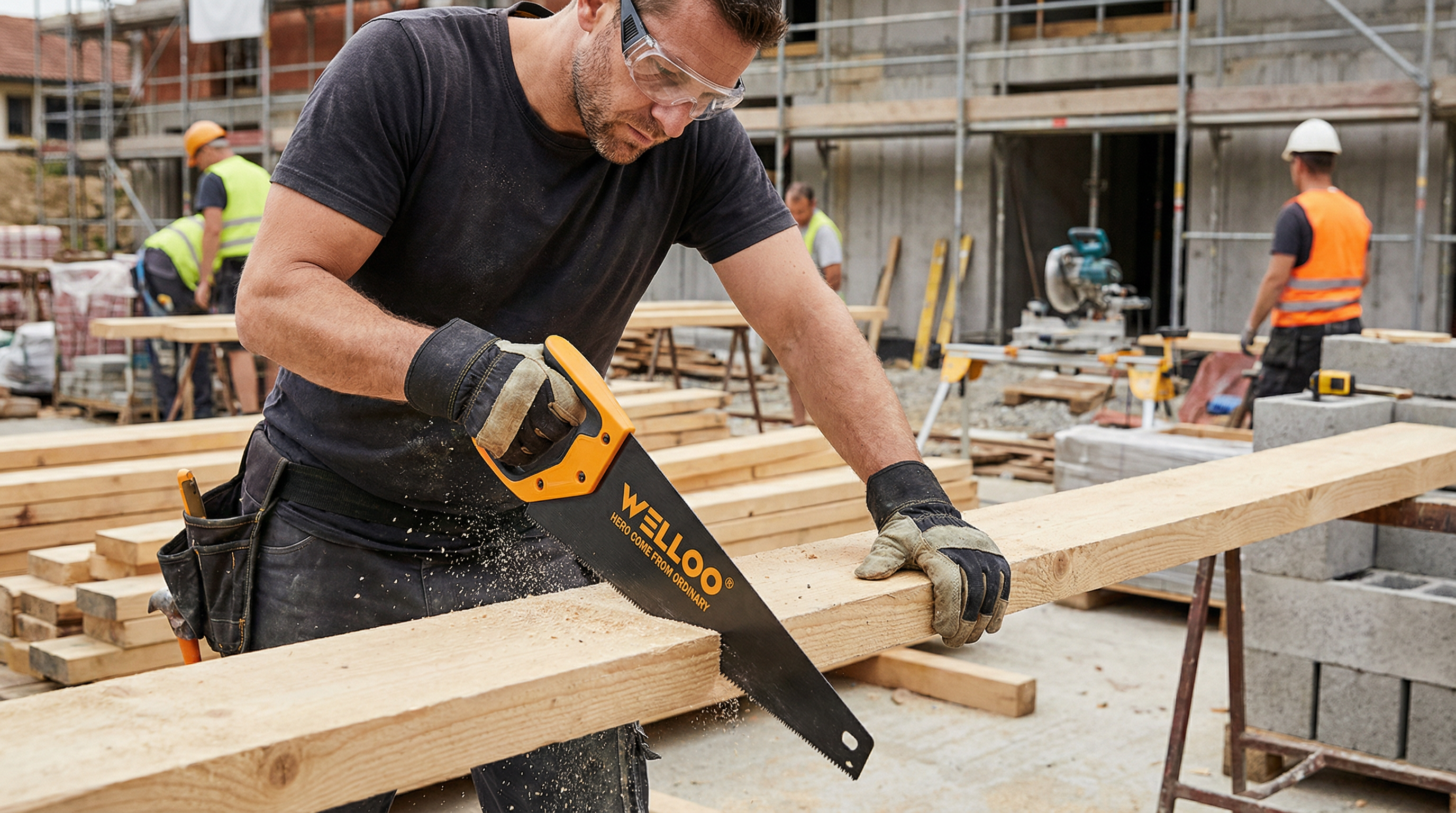
The best hand saw for plywood is specifically designed to deliver clean, precise cuts through layered wood materials without causing splintering or tear-out. This essential woodworking tool features a thin, flexible blade with fine teeth that slice through plywood's multiple veneer layers smoothly and efficiently. The best hand saw for plywood typically incorporates a tooth count ranging from 10 to 15 teeth per inch, which provides the optimal balance between cutting speed and finish quality. The blade design usually includes crosscut or combination tooth geometry that handles both along-grain and cross-grain cutting with equal effectiveness. Most quality models feature hardened steel blades with impulse-hardened teeth that maintain sharpness significantly longer than conventional saws. The handle design emphasizes ergonomic comfort with rubberized or contoured grips that reduce hand fatigue during extended use. The best hand saw for plywood measures between 20 to 26 inches in total length, with blade lengths around 15 to 20 inches, providing excellent control and maneuverability for various plywood panel sizes. This tool excels in applications including furniture construction, cabinetmaking, home renovation projects, and craft work where power tools may be impractical or unavailable. The saw's design focuses on minimizing the compression and delamination that often occurs when cutting plywood with inappropriate tools, ensuring professional-quality results for both amateur woodworkers and seasoned professionals.

New Product Recommendations

Choosing the best hand saw for plywood delivers immediate practical benefits that enhance your woodworking experience and project outcomes. First, these specialized saws produce exceptionally clean cuts with minimal edge damage, eliminating the need for extensive sanding or edge treatment that wastes time and materials. The fine tooth configuration prevents the veneer layers from chipping or separating during cutting, which is particularly valuable when working with expensive hardwood plywood or decorative surface veneers. You'll appreciate the complete control these saws provide compared to power tools, allowing you to make precise adjustments mid-cut and follow complex cutting lines with accuracy that circular saws or jigsaws cannot match. The best hand saw for plywood operates silently without generating dust clouds, making it ideal for apartment workshops or indoor projects where noise and mess are concerns. These tools require no electricity or batteries, ensuring you can work anywhere without dependency on power sources or concerns about cord management. The portability factor means you can easily transport the saw to job sites or move freely around large plywood sheets without repositioning heavy equipment. Maintenance requirements are minimal, with occasional sharpening being the only significant upkeep needed, dramatically reducing long-term ownership costs compared to power tool maintenance and replacement. The learning curve is gentle, allowing beginners to achieve professional results quickly while providing experienced woodworkers with the tactile feedback and precision control they demand. These saws also offer superior safety compared to power alternatives, with no risk of kickback or runaway cuts that can cause serious injuries or material damage.

Practical Tips

Maximizing Blade Life in Chop Saws: A Guide for Production Managers

30

Mar

Maximizing Blade Life in Chop Saws: A Guide for Production Managers

Production managers face constant pressure to optimize equipment performance while controlling operational costs, and maximizing blade life in chop saws represents one of the most impactful areas for improvement. An electric saw blade that lasts long...
View More
Chainsaw Invention History: Why This Knowledge Matters for Manufacturers

06

May

Chainsaw Invention History: Why This Knowledge Matters for Manufacturers

Understanding why were chainsaws invented provides manufacturers with critical insights into tool evolution, user needs, and market positioning strategies that remain relevant in today's power tool industry. The chainsaw's unexpected medical origins ...
View More
Why Tool Steel Quality is the Key Metric for Professional-Grade Hand Tools

29

Jun

Why Tool Steel Quality is the Key Metric for Professional-Grade Hand Tools

When professionals reach for their equipment on a job site, in a workshop, or on a production floor, they are placing trust not just in a product but in the material science behind it. The performance of hand tools under real working conditions &mdas...
View More
What makes hand tools worth buying in 2026?

01

Jul

What makes hand tools worth buying in 2026?

In 2026, the market for hand tools is more competitive and more varied than ever before. Buyers face shelves and online listings packed with hundreds of options, ranging from budget-friendly basics to premium professional-grade instruments. With so m...
View More

Get a Free Quote

Our representative will contact you soon.
Email
Name
Company Name
WhatsApp
Your want
Message
0/1000

best hand saw for plywood

Precision Tooth Design for Splinter-Free Cutting

Precision Tooth Design for Splinter-Free Cutting

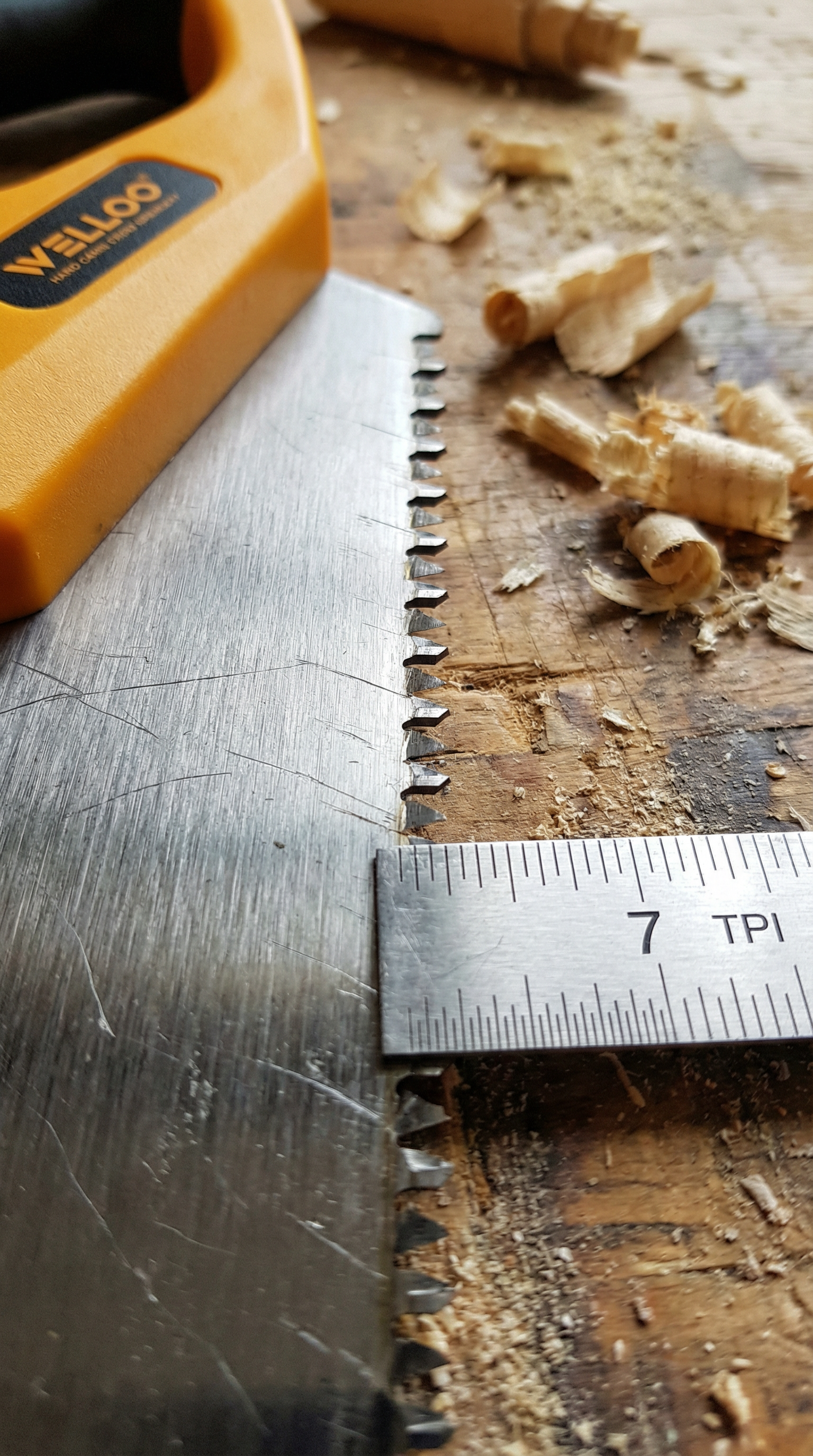
The best hand saw for plywood features meticulously engineered tooth geometry that specifically addresses the unique challenges of cutting layered wood materials. Each tooth is precision-ground to create a triple-chip or alternate-bevel configuration that scores the top veneer before the main cutting action occurs, preventing the surface layer from splintering or lifting. The tooth spacing, typically 10 to 15 points per inch, creates a smooth cutting action that slices cleanly through each veneer layer without causing delamination between plies. This specialized design produces cuts so clean that they often require no edge finishing, saving considerable time in project completion. The impulse-hardened tooth tips maintain their sharp cutting edges through thousands of cuts, ensuring consistent performance throughout the saw's lifespan. This precision engineering means you can confidently cut expensive plywood materials knowing that every cut will be professional-quality, eliminating costly mistakes and material waste that occur with inappropriate cutting tools.
Ergonomic Handle System for Extended Comfort

Ergonomic Handle System for Extended Comfort

The handle system on the best hand saw for plywood incorporates advanced ergonomic principles that dramatically reduce user fatigue and improve cutting accuracy during extended work sessions. The grip features carefully contoured shapes that naturally align with hand anatomy, distributing pressure evenly across your palm and fingers rather than creating painful pressure points. High-quality rubber or thermoplastic elastomer coatings provide secure grip even when hands become sweaty, preventing dangerous slippage that could result in injury or cutting errors. The handle angle is precisely calculated to position your wrist in a neutral alignment during cutting strokes, minimizing strain on tendons and joints that causes discomfort and reduces control. This thoughtful design allows you to maintain steady, controlled cutting motion for hours without experiencing the hand cramping or wrist pain common with poorly designed saws. The comfort and control provided by these ergonomic handles translates directly into better cutting accuracy and improved project quality.
Optimal Blade Flexibility and Length Balance

Optimal Blade Flexibility and Length Balance

The best hand saw for plywood achieves a perfect balance between blade flexibility and rigidity that optimizes cutting performance across various plywood thicknesses and panel sizes. The blade thickness, typically around 0.8 to 1.0 millimeters, provides enough flexibility to prevent binding in longer cuts while maintaining sufficient rigidity to track straight without wandering or flexing excessively. This balance is crucial when making cuts across full plywood sheets where blade deflection could result in angled cuts or binding. The blade length, usually between 15 and 20 inches, provides long cutting strokes that maximize efficiency while remaining maneuverable in tight spaces or when making intricate cuts. The blade's taper-ground design makes it slightly thinner toward the back edge, which reduces friction during cutting and prevents the kerf from binding, especially important when cutting thicker plywood panels. This engineering excellence means each cutting stroke removes material efficiently while maintaining perfect cutting line accuracy throughout the entire cut length.

Get a Free Quote

Our representative will contact you soon.
Email
Name
Company Name
WhatsApp
Your want
Message
0/1000