fine tooth hand saw
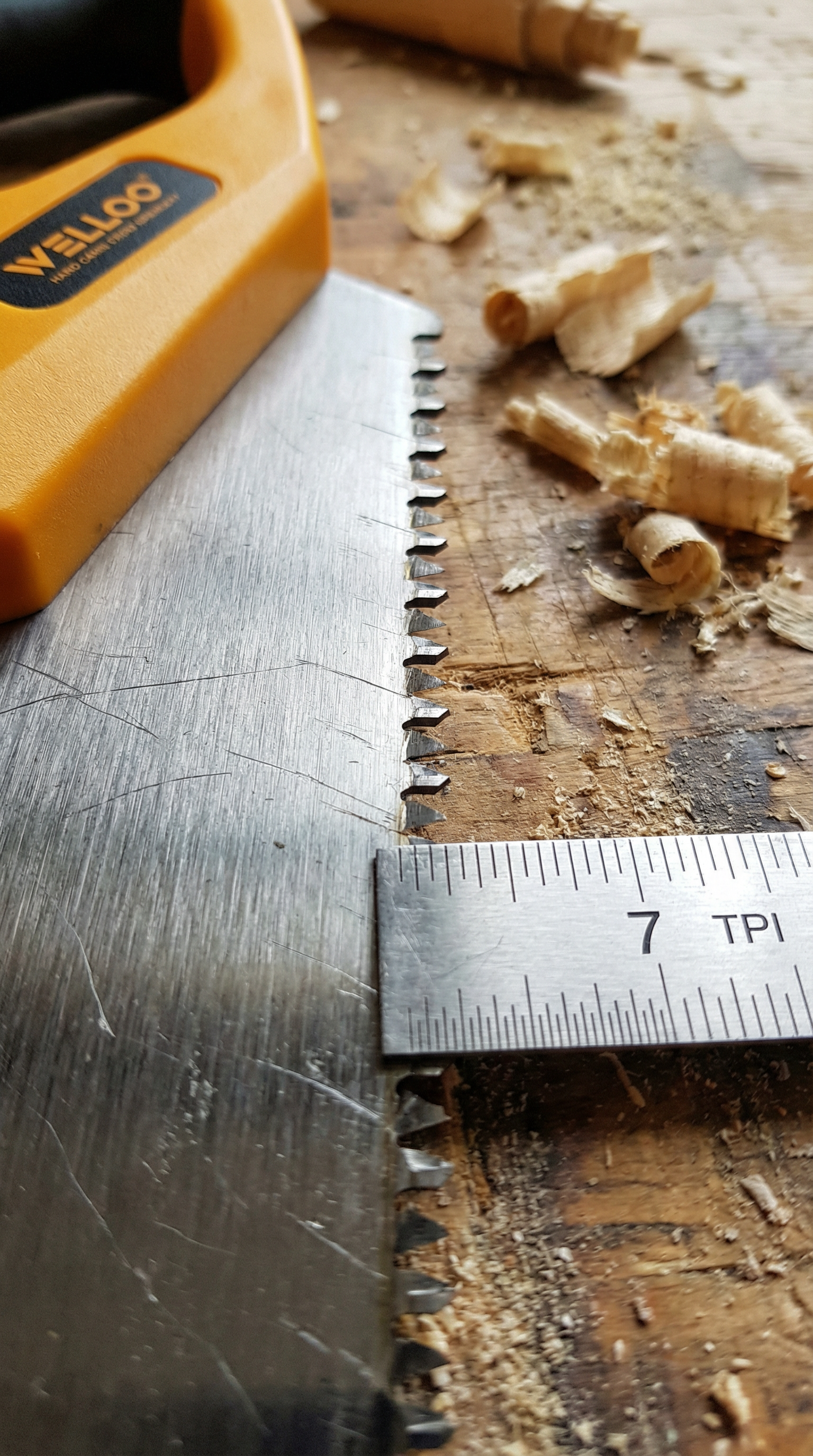
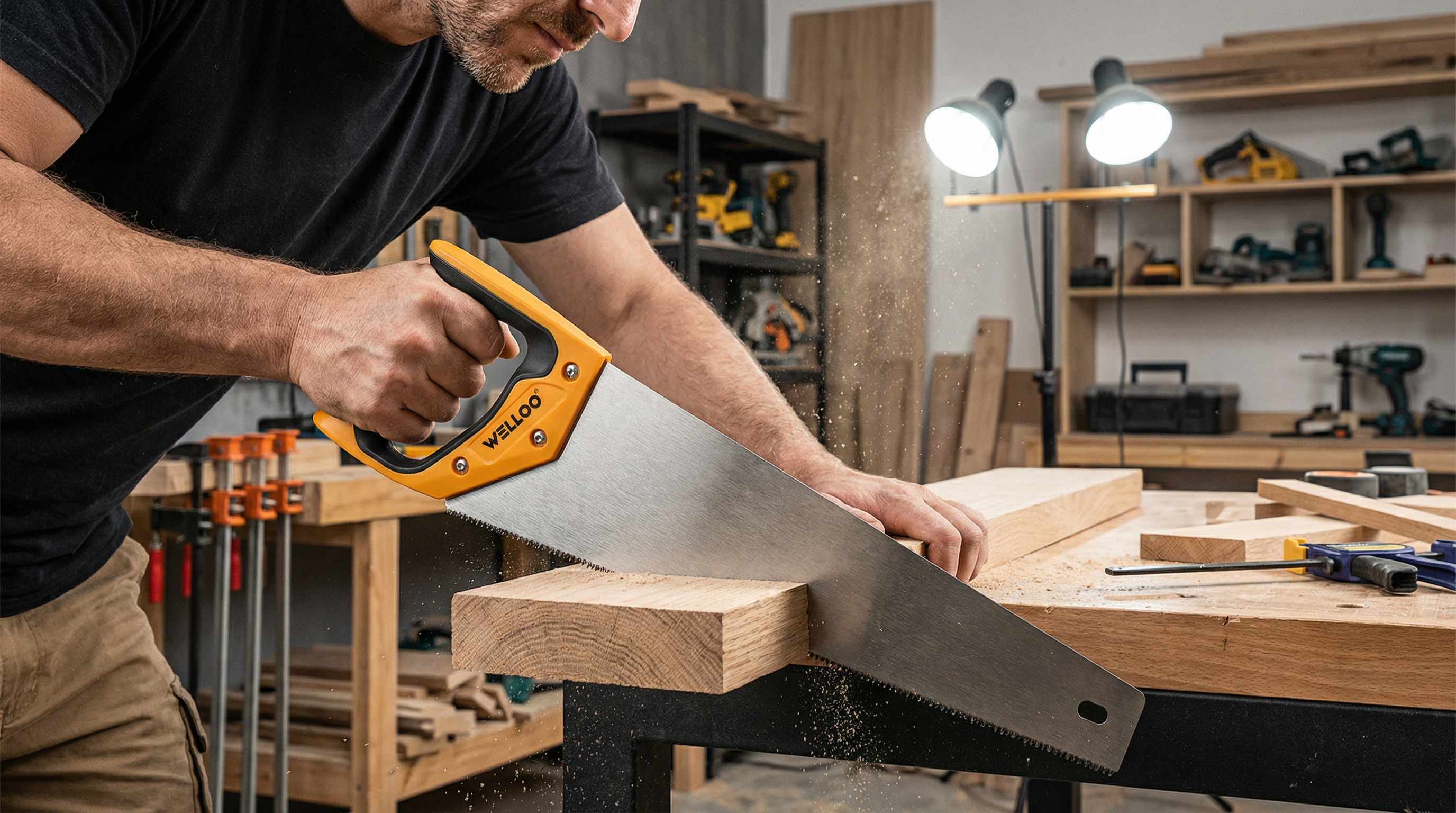
A fine tooth hand saw is a precision cutting tool designed for woodworking tasks that demand smooth, accurate cuts with minimal tear-out. Characterized by a high tooth count per inch, typically ranging from 15 to 20 teeth per inch or more, this hand saw excels at creating clean finishes on various wood materials. The fine tooth hand saw features a rigid blade with carefully engineered teeth that are precisely set and sharpened to deliver controlled cutting action. The blade length usually varies between 10 to 26 inches, providing versatility for different project scales. Technologically, the fine tooth hand saw incorporates hardened steel construction for durability and edge retention, while the tooth geometry is specifically designed to slice through wood fibers rather than tear them. Many models feature impulse-hardened teeth that maintain sharpness significantly longer than traditional saw teeth. The handle design emphasizes ergonomic comfort, often incorporating rubberized or contoured grips that reduce hand fatigue during extended use. This tool finds applications across numerous woodworking scenarios, including finish carpentry, cabinetmaking, trim work, joinery, and detailed furniture construction. The fine tooth hand saw proves invaluable for cutting hardwoods, veneered panels, laminates, and moldings where a smooth edge is essential. It performs exceptionally well on cross-cutting operations and is particularly suited for cutting dovetails, tenons, and other precision joinery elements. Professional woodworkers and serious hobbyists rely on the fine tooth hand saw for tasks where power tools might be excessive or where quiet, controlled cutting is preferred.
 EN
EN