paring chisel
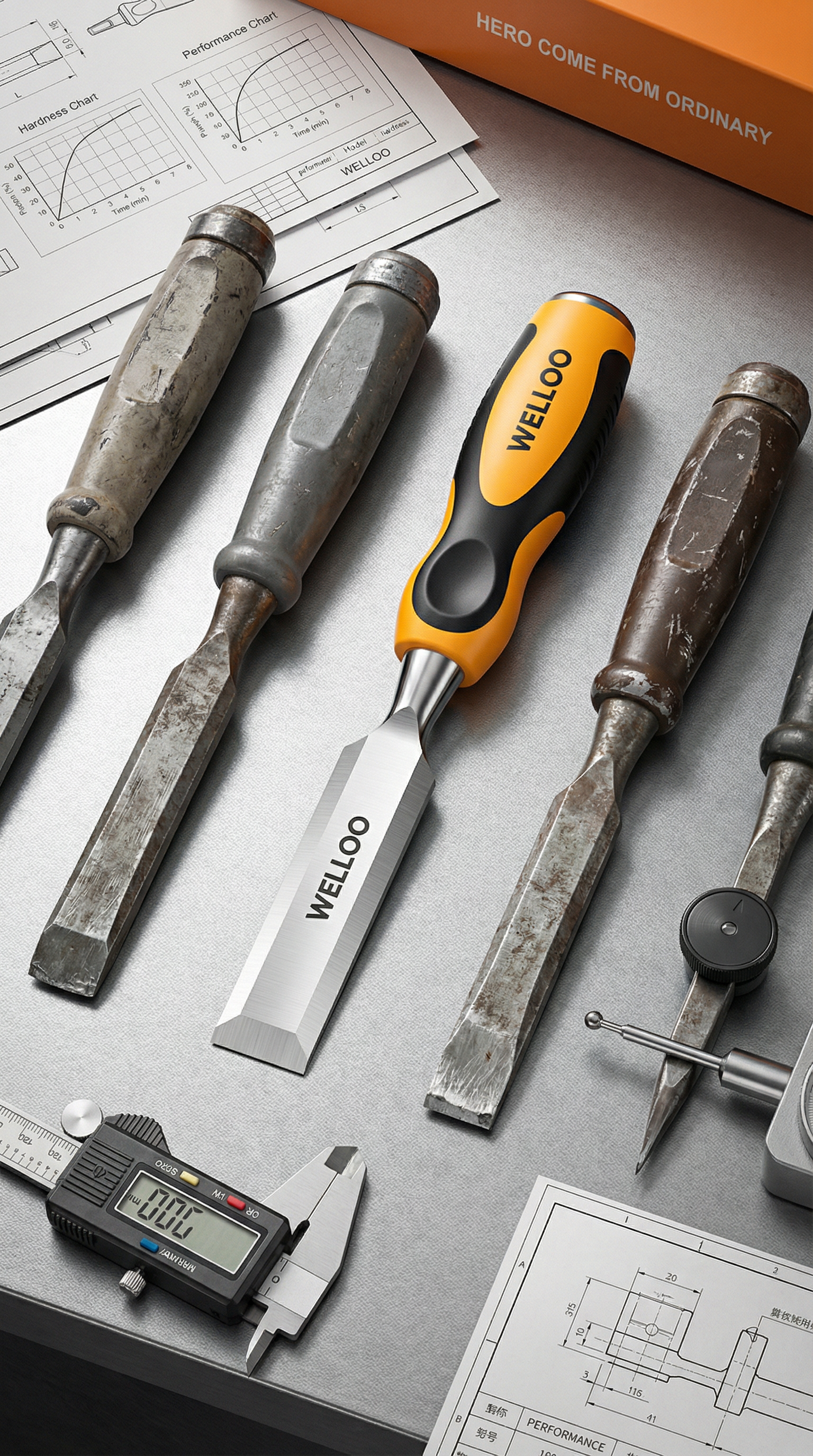
A paring chisel is a precision woodworking tool designed for delicate shaving and trimming tasks that require exceptional control and finesse. Unlike standard bench chisels, the paring chisel features an extra-long blade, typically ranging from 6 to 10 inches in length, which provides superior reach and visibility during detailed work. This specialized hand tool is never struck with a mallet; instead, craftsmen push it using hand pressure alone, allowing for controlled material removal and refined shaping. The paring chisel excels at creating smooth surfaces, fitting joints precisely, and accessing tight spaces where other tools cannot reach effectively. Its thin blade profile, usually ground with a lower bevel angle between 15 and 20 degrees, enables it to slice through wood fibers cleanly with minimal resistance. Professional woodworkers and furniture makers rely on this tool for final fitting operations, chamfering edges, cleaning up dovetails, and trimming tenons to exact dimensions. The extended handle design provides excellent leverage and balance, enabling users to apply consistent pressure throughout long paring strokes. Modern paring chisels are manufactured using high-carbon steel or premium alloy steels that maintain sharp edges through extended use. The tool's construction typically includes a comfortable hardwood or composite handle designed for prolonged hand-pushed operations. Whether working on fine furniture restoration, intricate joinery, or precision carpentry projects, the paring chisel remains an indispensable instrument for achieving professional-quality results in detailed woodworking applications.
 EN
EN