sharpening chisel
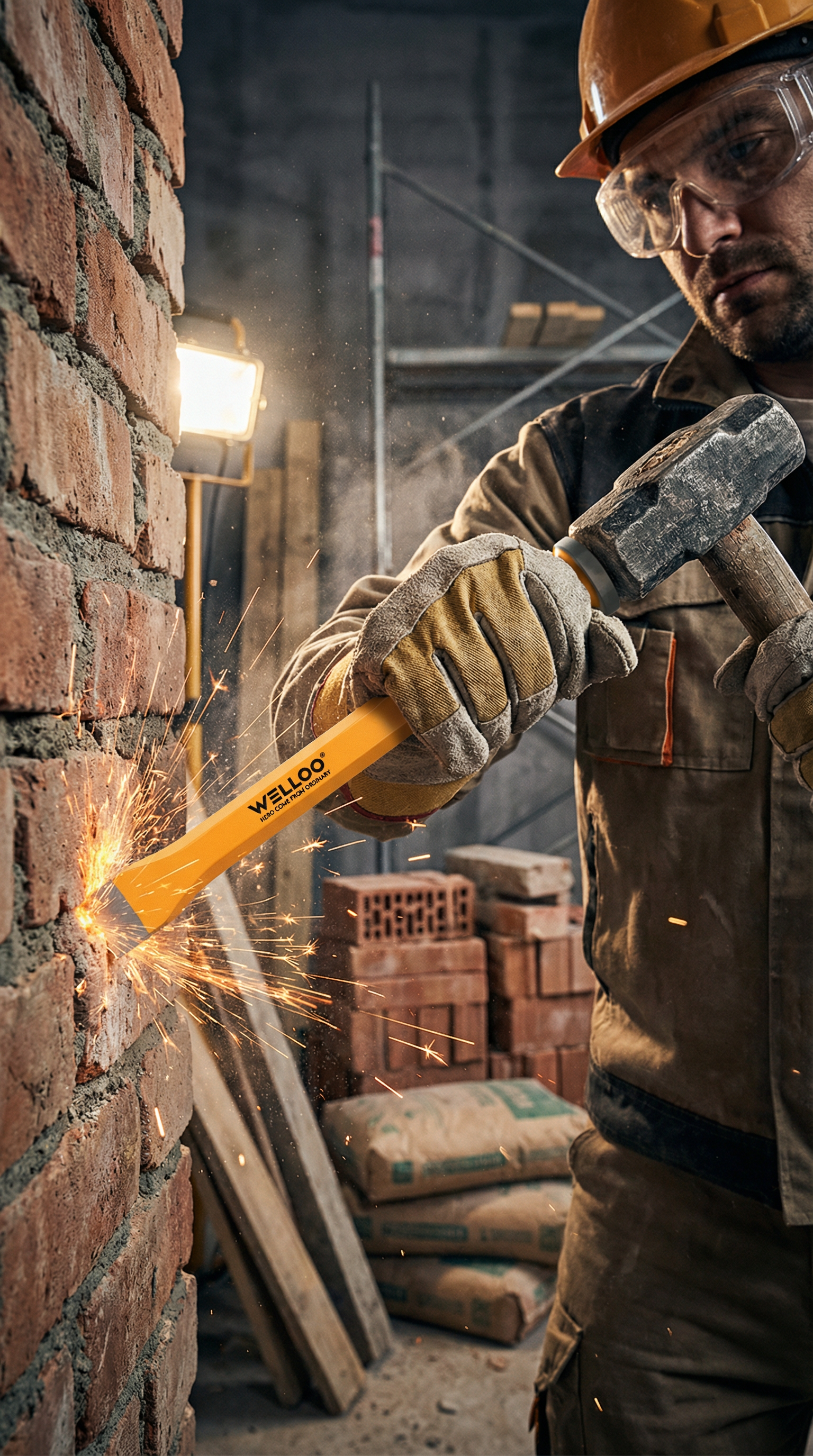
A sharpening chisel is a specialized hand tool designed to restore and maintain the cutting edge of chisels used in woodworking, metalworking, and construction applications. This essential maintenance tool ensures that chisels remain sharp, precise, and effective for detailed carving, shaping, and cutting tasks. The sharpening chisel typically features abrasive surfaces or guides that help users achieve consistent bevel angles while removing metal from dulled edges. Modern sharpening chisel systems incorporate various technological features including angle guides, honing mechanisms, and multi-grit surfaces that enable both coarse sharpening and fine polishing. The primary function of a sharpening chisel tool is to recreate the original factory edge geometry, removing nicks, chips, and worn areas that develop through regular use. Professional craftsmen and hobbyists alike rely on sharpening chisel equipment to extend tool lifespan and maintain optimal cutting performance. Applications span across woodworking shops, construction sites, sculpture studios, and industrial facilities where precision cutting tools require regular maintenance. The sharpening chisel process involves controlled material removal at specific angles, typically ranging from 25 to 35 degrees depending on the chisel type and intended use. Advanced sharpening chisel solutions may include water-cooled systems to prevent heat damage, diamond-coated surfaces for aggressive cutting, and adjustable jigs for repeatable results. Whether used for restoring antique tools or maintaining modern carbide-tipped chisels, the sharpening chisel remains an indispensable component of any comprehensive tool maintenance program.
 EN
EN