stubby drill bits
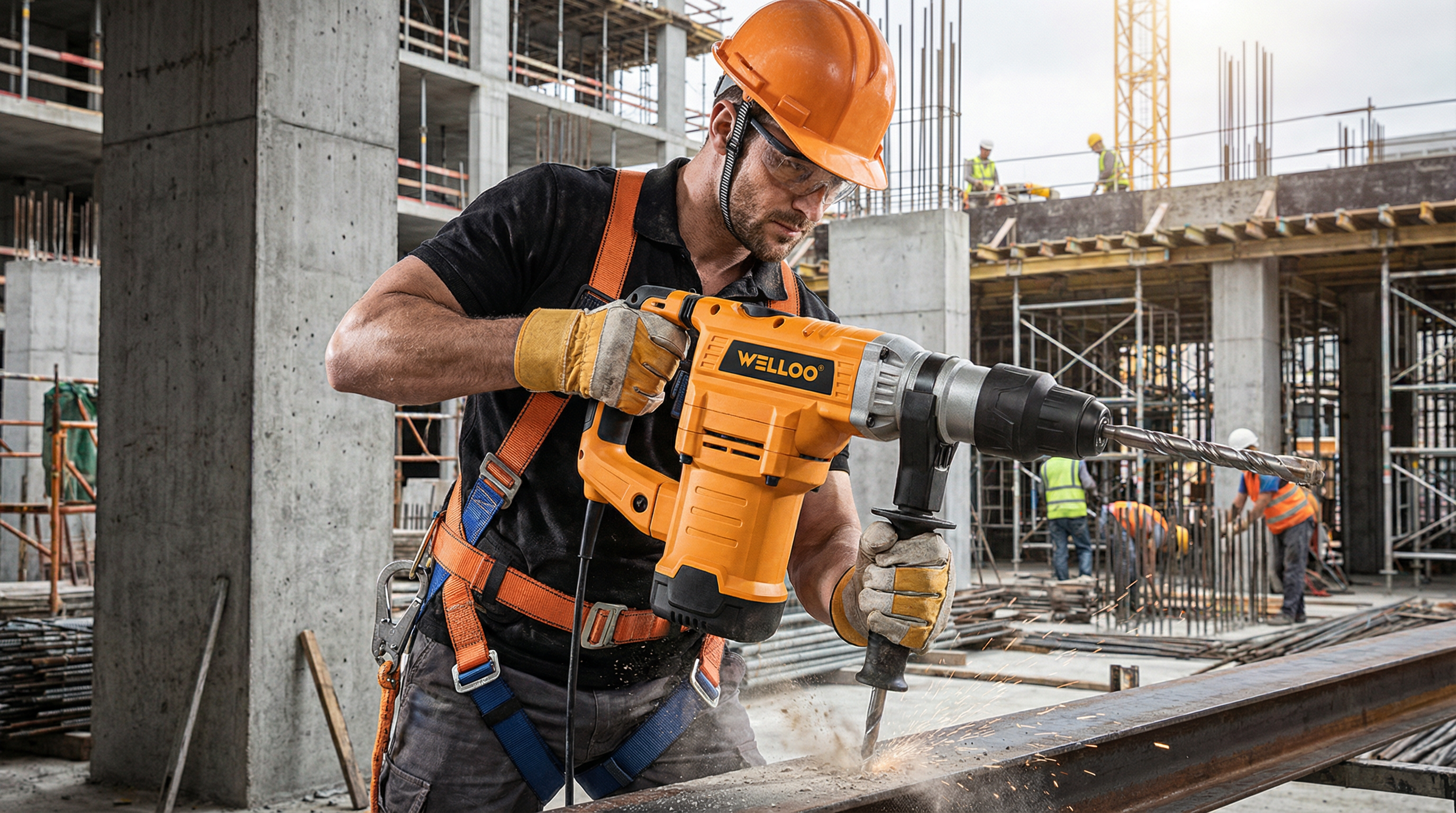
Stubby drill bits are specialized short-length drilling tools designed to provide superior control and precision in confined workspaces where standard-length drill bits cannot reach effectively. These compact drilling solutions typically measure 1 to 2 inches shorter than conventional drill bits, making them ideal for tight spaces, corner work, and close-quarters drilling applications. Stubby drill bits feature robust construction with hardened steel or high-speed steel materials, ensuring durability and longevity even under demanding conditions. The shortened shaft design reduces wobble and flex during operation, delivering cleaner holes with improved accuracy. These bits are engineered with standard hex or round shanks that fit seamlessly into most drill chucks and impact drivers, providing versatile compatibility across various power tools. Stubby drill bits excel in applications such as electrical work, plumbing installations, automotive repairs, furniture assembly, and HVAC system installations where space constraints make standard bits impractical. The reduced length allows users to maintain better tool control and reduces wrist fatigue during extended use. Available in various diameters and tip configurations including twist, brad point, and step designs, stubby drill bits accommodate diverse material types from wood and plastic to metal and composite materials. Their compact profile enables drilling perpendicular to surfaces in cramped areas, making them indispensable tools for professional contractors, maintenance technicians, and DIY enthusiasts who regularly encounter space-limited drilling challenges in residential, commercial, and industrial settings.
 EN
EN