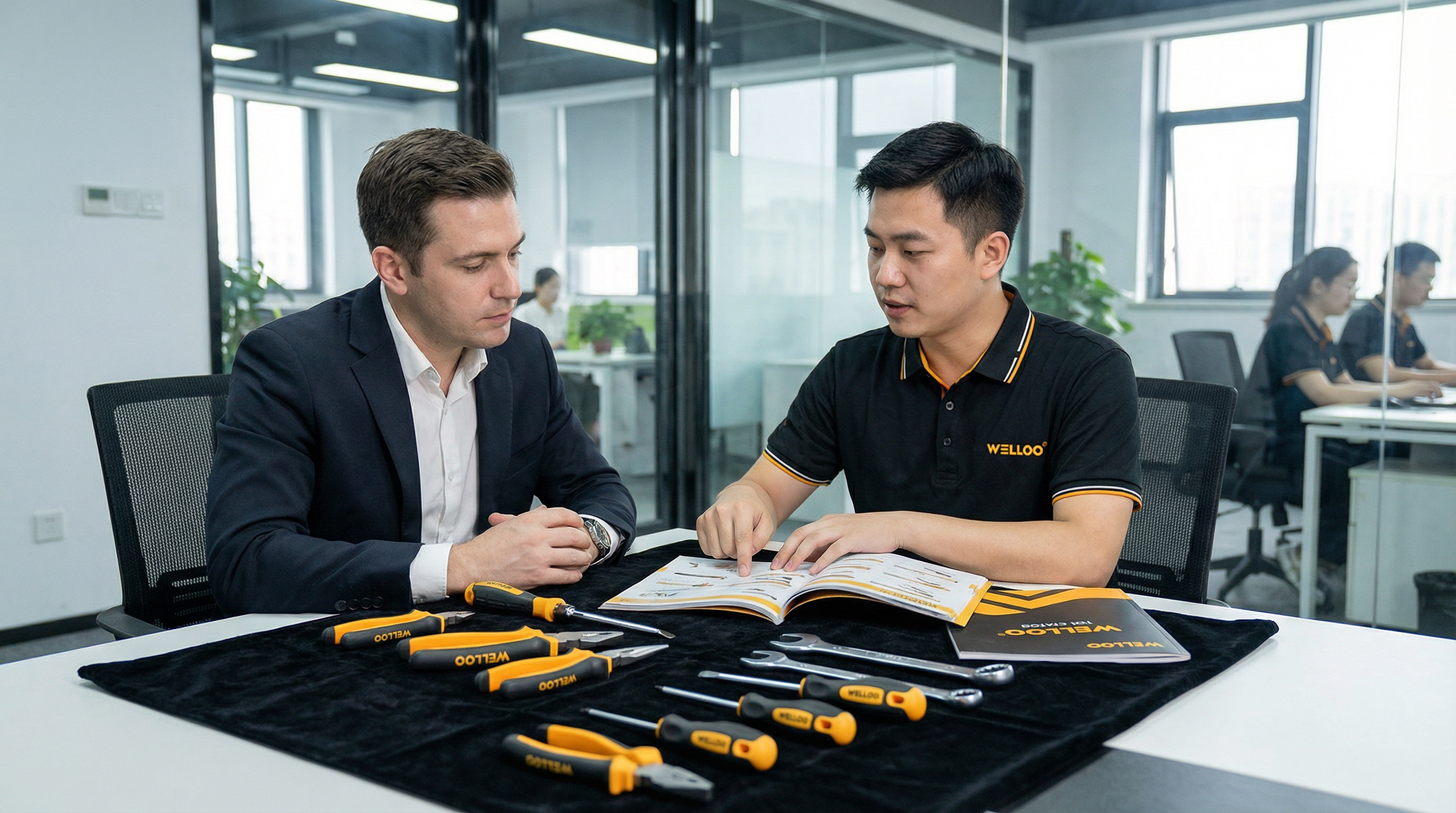
Professional Hand Tools for Cutting - Precision, Durability & Versatile Cutting Solutions

Welloo Electronic Technology Co., Ltd.

Get a Free Quote

Our representative will contact you soon.
Email
Name
Company Name
Your want
Message
0/1000

hand tools for cutting

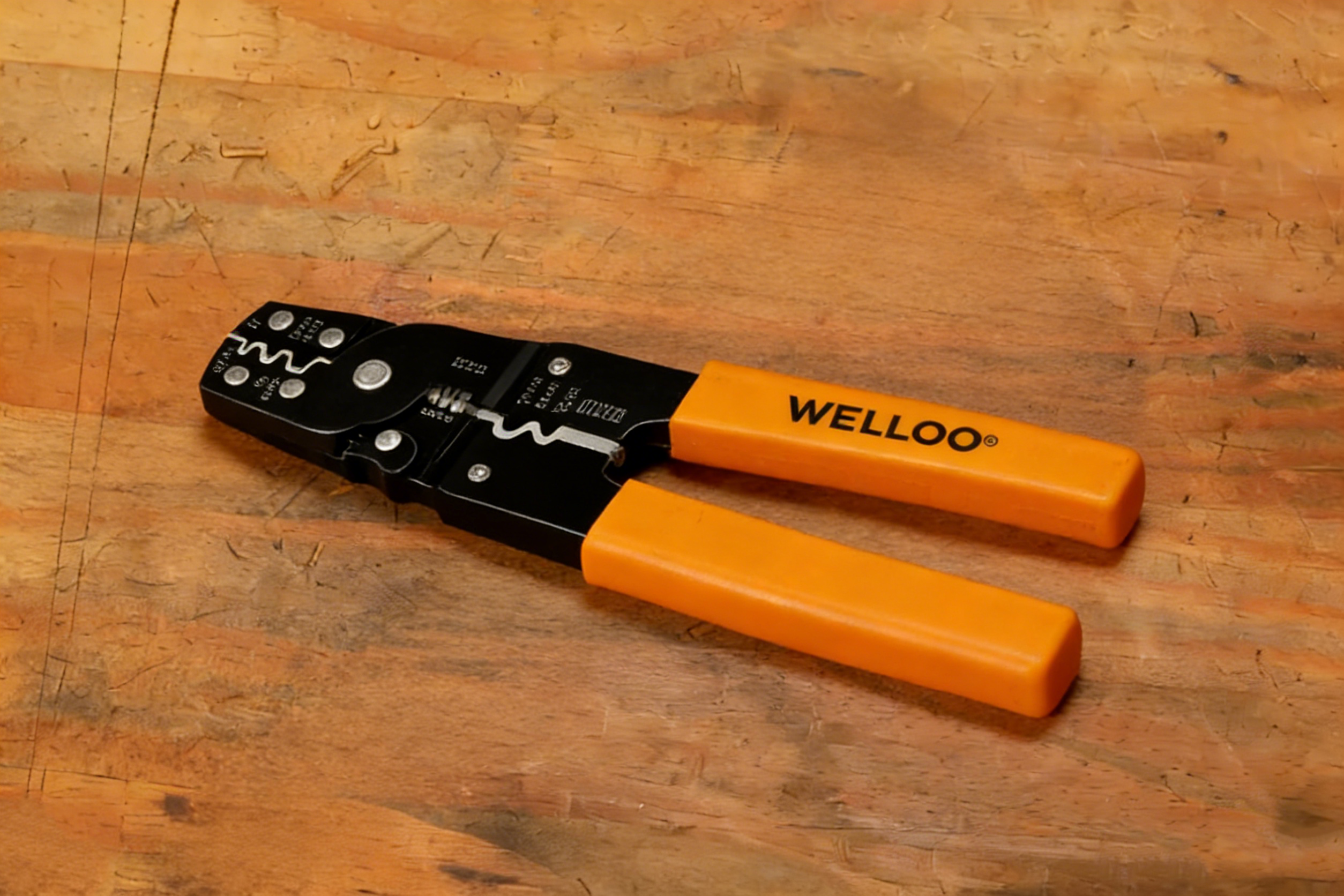
Hand tools for cutting represent essential equipment across numerous industries, professions, and domestic applications. These versatile instruments encompass a broad spectrum of cutting implements designed to slice, trim, shape, and separate various materials with precision and control. The category includes traditional tools such as utility knives, box cutters, craft knives, scissors, wire cutters, bolt cutters, and specialized cutting implements tailored for specific materials and applications. The primary function of hand tools for cutting centers on providing users with reliable, portable solutions for material separation tasks that require accuracy and finesse. These tools operate through various cutting mechanisms, including straight-edge cutting, serrated cutting, shearing action, and leveraged cutting force multiplication. The technological features of modern hand tools for cutting incorporate ergonomic handle designs that reduce hand fatigue and improve grip security during extended use periods. Advanced blade materials, including high-carbon steel, stainless steel, and specialized alloy compositions, ensure superior edge retention and durability. Many contemporary cutting tools feature replaceable blade systems that extend tool lifespan while maintaining optimal cutting performance. Safety mechanisms such as retractable blades, blade guards, and locking mechanisms protect users from accidental injuries. The applications for hand tools for cutting span across construction, manufacturing, crafting, automotive repair, electrical work, plumbing, gardening, packaging, and countless household tasks. Professional tradespeople rely on these tools for precise material cutting, while hobbyists and DIY enthusiasts utilize them for creative projects and home maintenance activities. The versatility of hand tools for cutting makes them indispensable in workshops, offices, warehouses, and residential settings where efficient material processing is required.

New Product Recommendations

Hand tools for cutting deliver numerous practical benefits that make them superior choices for material separation tasks across diverse applications. The portability advantage stands out as a primary benefit, allowing users to carry these lightweight, compact tools to any work location without requiring electrical power sources or complex setup procedures. This mobility enables professionals and enthusiasts to complete cutting tasks efficiently in remote locations, tight spaces, and outdoor environments where powered equipment proves impractical or unavailable. The precision control offered by hand tools for cutting surpasses many powered alternatives, giving users complete command over cutting speed, pressure, and direction. This level of control proves invaluable when working with delicate materials, executing intricate cuts, or performing detailed work that demands exact specifications. The immediate responsiveness of hand tools for cutting allows users to make instant adjustments, start and stop cutting actions precisely, and navigate complex cutting patterns with confidence. Cost-effectiveness represents another significant advantage, as hand tools for cutting require minimal initial investment compared to powered cutting equipment while delivering exceptional value through extended service life and low maintenance requirements. These tools eliminate ongoing operational costs associated with fuel, electricity, or compressed air, making them economically attractive for budget-conscious users and small-scale operations. The durability of quality hand tools for cutting ensures reliable performance across thousands of cutting cycles, providing excellent return on investment through consistent functionality and minimal replacement needs. Safety benefits emerge from the controlled nature of hand tools for cutting, which operate at user-determined speeds and pressures, reducing the risk of accidents associated with high-speed powered tools. The absence of electrical components eliminates shock hazards, while the manual operation prevents unexpected startup incidents. Many hand tools for cutting incorporate safety features such as blade guards, locking mechanisms, and ergonomic designs that promote safe handling practices. The versatility advantage allows single tools to handle multiple materials and cutting applications, reducing the need for specialized equipment inventories. Users can switch between different cutting tasks quickly, adapting their approach to various materials without tool changes. The quiet operation of hand tools for cutting makes them suitable for noise-sensitive environments, residential areas, and situations where minimal disturbance is required. This characteristic enables users to work during extended hours without creating noise pollution or disturbing others. Maintenance simplicity represents a practical advantage, as most hand tools for cutting require only basic cleaning, occasional lubrication, and periodic blade replacement to maintain optimal performance.

Tips And Tricks

Wholesale Garden Tools: A Strategic Sourcing Guide for Global Retailers

11

Feb

Wholesale Garden Tools: A Strategic Sourcing Guide for Global Retailers

The global garden tools market continues to expand as homeowners increasingly prioritize outdoor living and sustainable gardening practices. For retailers seeking profitable wholesale opportunities, understanding the intricacies of garden tools sourc...
View More
Sourcing High-Quality Chisels: Key Metrics for Hardware Store Inventory Managers

19

Feb

Sourcing High-Quality Chisels: Key Metrics for Hardware Store Inventory Managers

Hardware store inventory managers face constant pressure to balance quality, cost, and customer demand when sourcing cutting tools. Among the most essential woodworking instruments, the chisel represents a cornerstone product that demands careful sel...
View More
The Contractor's Guide to Maintaining a Fleet of Professional Hand Saws

24

Feb

The Contractor's Guide to Maintaining a Fleet of Professional Hand Saws

Professional contractors rely heavily on their tool inventory to complete projects efficiently and maintain their reputation for quality work. Among the essential cutting tools in any contractor's arsenal, the hand saw stands as one of the most funda...
View More
The Cost-Benefit Analysis of Cordless vs. Corded Electric Saws for Contractors

27

Feb

The Cost-Benefit Analysis of Cordless vs. Corded Electric Saws for Contractors

Contractors face a critical decision when selecting cutting tools for their projects: choosing between cordless and corded electric saws. This decision directly impacts productivity, project costs, and operational efficiency on job sites. An electric...
View More

Get a Free Quote

Our representative will contact you soon.
Email
Name
Company Name
Your want
Message
0/1000

hand tools for cutting

Precision Engineering for Superior Cutting Performance

Precision Engineering for Superior Cutting Performance

The precision engineering incorporated into modern hand tools for cutting represents a significant advancement in tool design that directly translates to superior cutting performance and user satisfaction. This engineering excellence manifests through carefully calibrated blade geometries that optimize cutting efficiency across different material types and thicknesses. The blade angle, edge bevel, and cutting surface finish undergo rigorous engineering analysis to ensure optimal material penetration while minimizing cutting force requirements. Advanced metallurgy techniques create blades with precise hardness gradients, combining hard cutting edges with resilient core materials that resist chipping and breakage under demanding conditions. The precision extends to handle design, where ergonomic engineering creates optimal grip angles and surface textures that enhance user control and reduce fatigue during extended cutting operations. Weight distribution receives careful attention, with engineering teams balancing blade weight against handle weight to create tools that feel natural in the hand while providing excellent cutting leverage. The precision engineering process includes extensive testing protocols that simulate real-world cutting conditions, ensuring that hand tools for cutting maintain consistent performance across their intended lifespan. Quality control measures verify dimensional accuracy, material consistency, and assembly integrity at multiple production stages. This engineering precision results in tools that deliver predictable cutting performance, enabling users to achieve consistent results whether performing repetitive production tasks or executing one-off precision cuts. The attention to engineering detail extends to joint mechanisms in multi-component tools, where precise tolerances ensure smooth operation and long-term reliability. Users benefit from this precision engineering through improved cutting accuracy, reduced material waste, enhanced safety, and greater confidence in their cutting operations. The superior performance characteristics enable professionals to work more efficiently while maintaining quality standards that meet or exceed client expectations.
Ergonomic Design Excellence for Extended Comfort and Control

Ergonomic Design Excellence for Extended Comfort and Control

The ergonomic design excellence found in premium hand tools for cutting addresses the critical relationship between user comfort, tool control, and cutting performance during extended work sessions. This design philosophy recognizes that cutting tools serve as extensions of the user's hand, requiring seamless integration between human anatomy and tool functionality. Advanced ergonomic research informs handle shapes that conform naturally to various grip styles while providing secure purchase during cutting operations. The handle materials selection process considers factors such as grip texture, thermal properties, and resistance to slipping when hands become wet or oily. Contoured finger recesses and thumb rests provide natural positioning that reduces grip fatigue while enhancing cutting precision. The ergonomic design extends beyond comfort to include functional benefits such as force multiplication through optimized lever ratios and cutting angles that align with natural wrist and arm movements. Weight distribution receives careful attention to minimize user fatigue while maintaining the tool balance necessary for accurate cutting control. Surface textures incorporate scientific understanding of tactile feedback, providing users with clear sensory information about grip security and cutting progress. The ergonomic excellence includes consideration of repetitive stress factors, with design features that distribute forces across larger muscle groups rather than concentrating stress on small joints or tendons. Temperature considerations ensure that handles remain comfortable during extended use in various environmental conditions, preventing heat buildup or cold transfer that could affect user performance. The design process includes extensive user testing across diverse hand sizes and cutting applications to verify that ergonomic benefits translate to real-world performance improvements. These ergonomic innovations enable users to maintain precision and control throughout long cutting sessions while reducing the physical strain associated with repetitive cutting motions. The result is improved work quality, increased productivity, and reduced risk of work-related injuries that could impact long-term tool usage capability.
Versatile Material Compatibility for Comprehensive Cutting Solutions

Versatile Material Compatibility for Comprehensive Cutting Solutions

The versatile material compatibility of modern hand tools for cutting provides users with comprehensive cutting solutions that eliminate the need for multiple specialized tools while ensuring optimal performance across diverse material types. This versatility stems from advanced blade designs that incorporate multiple cutting technologies within single tools, allowing effective cutting of materials ranging from soft plastics and fabrics to rigid metals and composite materials. The engineering behind this versatility includes blade edge configurations that maintain sharpness across different material densities and cutting requirements. Specialized coatings and heat treatments enhance blade performance on specific materials while maintaining overall versatility for general cutting applications. The blade material selection incorporates alloy compositions that provide the hardness necessary for cutting rigid materials while retaining the flexibility required for curved cuts in softer materials. This material compatibility extends to handle designs that accommodate the varying force requirements associated with different cutting applications. Users benefit from this versatility through simplified tool inventory management, reduced equipment costs, and improved workflow efficiency when transitioning between different cutting tasks. The comprehensive cutting capability enables professionals to carry fewer tools while maintaining readiness for unexpected cutting challenges that arise during project execution. Testing protocols verify cutting performance across extensive material libraries, ensuring that versatility claims reflect genuine capability rather than marketing assertions. The material compatibility includes considerations for specialized applications such as food preparation, electronic component handling, and precision crafting where material contamination or damage must be avoided. Quality assurance programs monitor cutting performance degradation across different materials to establish realistic blade life expectations and replacement schedules. The versatile design accommodates various cutting techniques including straight cuts, curved cuts, scoring, and controlled tearing, expanding the range of applications possible with single tools. This comprehensive material compatibility translates to improved project flexibility, reduced tool changeover time, and enhanced capability to handle diverse cutting challenges with confidence and efficiency.

Get a Free Quote

Our representative will contact you soon.
Email
Name
Company Name
Your want
Message
0/1000